Tuesday, June 24, 2008

Tomato Toll Rises; FDA Narrows Search

CDC reported additional cases of Salmonella Saintpaul yesterday evening. The number of lab-confirmed cases linked to raw tomatoes now stands at 613, in what the agency characterizes as an ongoing outbreak that has spread to 33 US states. As many as 69 of the victims have been hospitalized.

In a separate update, FDA added more Mexican states to its list of areas that have been cleared of involvement in the tomato outbreak. Tomato farms, packing houses and distribution facilities in three Mexican states – Jalisco, Coahuila and Sinaloa – and several Florida counties are now the focus of joint inspections by FDA and local authorities.

New Mexico
, one of the hardest-hit states in this outbreak, announced on June 21st a state-wide embargo of tomatoes from those parts of Florida and Mexico that are still suspected of being the source of the Salmonella-contaminated produce. The embargo is a joint effort of the state's Department of Health and Environment Department, and is meant to ensure that only tomatoes from safe growing areas are being sold in New Mexico.

A reminder: Grape tomatoes, cherry tomatoes, and tomatoes still attached to their vine have been cleared of involvement in this outbreak regardless of the state or country where they were grown.

Monday, June 23, 2008

Cheese Manufacturer Expands Recall

On May 30th, Fresca Italia recalled a single production batch of its Burrata Italian-style fresh cheese after the California Dept. of Food & Agriculture detected Listeria monocytogenes in the product.

The cheese, which was sold in restaurants and retails stores in Southern California and the San Francisco Bay area, was labeled with the manufacturer's name “Caseificio Voglie di Latte” and an expiration date of 24/5/2008.

Tests carried out subsequently by FDA found Listeria monocytogenes in additional batches of Burrata. In consequence, Fresca Italia has expanded its recall to include all outstanding batches of “Caseificio Voglie di Latte” Burrata that are still in circulation – 1,757 pounds of cheese in all.

Consumers who purchased “Caseificio Voglie di Latte” Burrata with an expiry date of 24/5/2008, 31/5/2008 or 07/06/2008 should return the cheese to the store for a full refund.

Tomato Catch-Up

It's time for another update to the Salmonella Saintpaul outbreak scorecard.

According to CDC's latest report, posted June 20th, 552 people living in 32 states and the District of Columbia had been infected with the outbreak strain. Today, we can add 12 more lab-confirmed victims – all from the Commonwealth of Massachusetts – bringing the lab-confirmed total to 564 people in 33 states and DC.

The victims – seven females and five males ranging in age between 5 and 39 years – became infected between May 30th and June 8th. Two of the patients were hospitalized as a result of the severity of their symptoms.

FDA believes
that it may be closing in on the origin of the contaminated tomatoes. Their painstaking trace-back process has led to certain parts of Florida and Mexico. The agency has sent its investigators to those areas, and is working jointly with both Mexican and Florida officials to inspect farms, packing houses and distribution centers that may be implicated in the outbreak.

But this type of investigation will not bear fruit quickly. In the meantime, FDA continues to recommend that consumers limit their consumption of tomatoes to those from "safe" growing regions, or to those varieties that have been cleared of suspicion – grape tomatoes, cherry tomatoes, or tomatoes still attached to their vine.

Sunday, June 22, 2008

Complaining To – Not About – The FDA

It's very easy to find fault with FDA. And with good reason – the agency seems to be dancing with two left feet much of the time. The new FDA weekly on-line column, Andy's Take, said to be written by FDA Commissioner Andrew von Eschenbach, has not been well-received by the media, and even most Internet-savvy consumers are probably unaware of its existence.

The communications disconnect between FDA and US consumers is disturbing. The agency relies heavily on patterns of consumer complaints and illness reports to decide where and how to spend its inadequate budget. Most of the major recalls and investigations that we learn about in the media – melamine in pet food, Salmonella in tomatoes – began as consumer complaints reported to FDA or outbreak clusters identified by state health agencies and the CDC.

But, before a consumer can lodge a complaint with FDA, he or she must know who to call. Earlier this month, the agency posted two new pages on its web site to guide consumers through the complaint process.

Your Guide To Reporting Problems To FDA tells consumers how to navigate the government's regulatory system. It offers tips on how to report problems, which agency to call (if the product is not under FDA regulation), and which office within FDA handles the various products and problems. Much of the information is displayed in an easy-to-use table.

FDA 101: How to Use the Consumer Complaint System and MedWatch, as its name implies, is a primer on how to make a consumer complaint to FDA. It lists the types of problems FDA wants to learn about from consumers, talks about what happens when a complaint is received, and provides the telephone numbers for all of the FDA regional Complaint Coordinators.

I strongly urge all my US readers to bookmark these web pages – or download the pdf versions – and to use this complaint process to make FDA aware of any health or safety issue you encounter with a product that this agency regulates.

Saturday, June 21, 2008

Food Poisoning Around The World-Resuming The Tour

While US consumers have been consulting ever-changing lists of "safe" sources for tomatoes, the rest of the world has been coping with its normal diet – and its usual variety of food-borne diseases.

New Zealand
Poultry lovers in this country are breathing more easily this month. Cases of Campylobacter infections have dropped by more than one-third in the past year. Cross-contamination of food preparation areas with raw poultry, or eating undercooked poultry, are the most common causes of Campylobacter infection. The reduction in reported illnesses suggests that poultry producers in New Zealand might be starting to get a handle on the level of Campylobacter in their flocks.

Hong Kong
The Centre for Health Protection (CHP) is investigating three separate clusters of reported food poisoning, two of them apparently involving the same restaurant. In total, 17 people have fallen ill. The Wan Chai district restaurant that was responsible for two illnesses on June 9th and four on June 15th has been ordered closed for cleaning and disinfection.

CHP is also looking into another food poisoning outbreak, which sickened 10 primary school children in Hong Kong's Southern District. The four boys and six girls complained of abdominal pain, vomiting, diarrhoea and fever after eating lunch at the school.

Seremban, Malaysia
Eighty students at a local school were taken to hospital in the latest of a series of boarding school-related food poisoning outbreaks in this country. Although two of the students were admitted to hospital, none are in any danger. The school's dining hall remains open, but "under supervision.

Eastern Samar, Philippines
Foul-smelling meat felled 200 participants at a fiesta in Hernani town, Eastern Samar last week. Roughly 70% of the victims were children. Approximately 60 of the villagers, who complained of dizziness, abdominal pain, loose bowel movement, vomiting and body weakness, were treated in hospital and released.

Tokyo, Japan
Clostridium perfringens was blamed by Tokyo health officials for an outbreak of food poisoning that sickened 95 attendees at a training workshop held at the Shinagawa Prince Hotel in Tokyo. The victims fell ill after eating a bento lunch, which was offered on June 12th to workshop participants.

Nigeria
This country takes food poisoning seriously. Fifteen people were arrested following a rash of food poisonings that sent 68 people to hospital and killed two of them. The victims fell ill after eating food served at a ceremony. Some of the 15 detained individuals have since been released.

Jaipur, India
Participants in a religious festival in Jaipur had reason to regret their attendance last week. More than 100 people – most of them children – suffered food poisoning; 90 were hospitalized, and three were reported to be in critical condition. District health authorities are blaming spoiled rice for the outbreak.

Siberia, Russia
Forty-six children who were attending a kindergarten camp have been hospitalized as a result of infection with Yersinia enterocolitica. This pathogen is usually associated with consuming undercooked meat, or cross-contamination during food preparation. The camp is being investigated for possible unsanitary conditions. Due to the relatively long incubation period associated with this infection, health authorities are braced for additional cases.

E. coli O157:H7 Rears Its Ugly Head

As if the health authorities in Michigan and Ohio didn't have enough on their plates, these states are also wrestling with an as-yet-unexplained outbreak of E. coli O157:H7 illnesses.

As of the 18th, the Michigan Department of Community Health (MDCH) had received reports of 29 cases of E. coli O157:H7 infections for the month of June. Ohio is investigating 16 cases, at least 10 of which are linked by genetic fingerprint to each other, and to the Michigan cases.

CDC, which has its hands full with the nationwide Salmonella Saintpaul outbreak, is assisting Michigan and Ohio in their investigations. While the source of the E. coli O157:H7 hasn't yet been identified, suspicion is falling on contaminated ground beef.

According to an article in the Detroit Free Press, a spokesman for MDCH has suggested a possible link between the illnesses and the recall on June 8th of more than 13,000 pounds of ground beef by Dutch Meats, Inc. of Trenton, NJ. But the meat covered by that recall supposedly was distributed only to restaurants and food service institutions in and around Trenton.

We don't yet know whether consumers in any states neighboring Ohio and Michigan have suffered an infection with the outbreak strain of E. coli O157:H7, nor do we know how close investigators are to identifying the source of the contamination. Are Michigan investigators just speculating on a link between the Dutch Meat recall and the current outbreak, or have they matched the microbes genetically?

And how did meat that was only distributed in New Jersey sicken at least 29 people in Michigan and 10 or more in Ohio? Or does Dutch Meat's contamination extend beyond the 13,000 pounds that were recalled earlier this month?

Friday, June 20, 2008

Tomato Outbreak Keeps On Growing

CDC is reporting 552 lab-confirmed cases of Salmonella Saintpaul illnesses linked to contaminated tomatoes. The outbreak now encompasses 32 states and the District of Columbia. At least 53 people have been hospitalized.

Based on CDC's estimate of 38 unreported cases for each lab-confirmed illness, almost 21,000 people have now been victimized by the contaminated tomatoes. The most recent victims began to experience symptoms of gastroenteritis on June 10th.

FDA investigators continue to plod through data, clearing tomatoes from one growing area at a time. The latest source to be added to the agency's "safe" list is the state of Illinois.

This outbreak began in mid-April, when the first victim fell ill, and has lasted for a full two months, which seems unusual for a perishable commodity. And there's no evidence that we've seen the end of the stream of illness reports.

Until there are no new cases added to the list of victims, please limit your purchases of tomatoes to grape tomatoes, cherry tomatoes, or tomatoes still attached to the vine. These are the only varieties that have not been implicated in the outbreak.

PETCO - Where The Pests Go

FDA has announced the seizure of animal food from a PETCO warehouse in Joliet, IL after finding "widespread and active rodent and bird infestation" at the company's distribution center on two inspections in a row. The seizure was carried out yesterday by U.S. Marshals acting under a District Court warrant.

The Joliet PETCO facility distributes products to the company's stores in 16 states – Alabama, Illinois, Indiana, Iowa, Kansas, Kentucky, Louisiana, Michigan, Minnesota, Missouri, Nebraska, Ohio, Oklahoma, Tennessee, Texas, and Wisconsin.

According to FDA's news release, the seized products were in permeable packages and were held under conditions that could have allowed them to become contaminated or could have affected their quality. No illnesses from these products have been reported to FDA, and the agency does not believe that products shipped from this warehouse are hazardous to animal or human health.

As a precaution, FDA recommends that people who handle any products that might have been stored or shipped from the Joliet warehouse should wash their hands carefully with soap and hot water afterwards. Surfaces that have come in contact with the products or their outer packaging also should be cleaned thoroughly with soap and hot water.

If you suspect that your pet has become ill after eating pet food that came from the PETCO Joliet facility, FDA would like to hear from you. In addition to contacting your veterinarian, please call the FDA consumer complaint coordinator for your state.

Thursday, June 19, 2008

Tomato Update: June 19th Edition

CDC updated its Salmonella Saintpaul status report yesterday evening. According to their most recent tally, 383 people in 30 states and the District of Columbia are confirmed to have been infected with the outbreak strain of Salmonella. At least 48 people have been hospitalized.

But this tally is incomplete. On June 17th, the New Mexico Department of Health reported that it had confirmed 77 outbreak victims in that state. The latest CDC update only reports 70 confirmed cases in New Mexico. The additional 7 cases brings the total to 390 lab-confirmed victims.

Based on CDC's own multiplier of 38 victims for every lab-confirmed case, the estimated number of victims of the Salmonella-contaminated tomatoes has surpassed 14,800. And it will continue to climb as the labs play catch-up on fingerprinting suspect Salmonella isolates, and as state health departments review their records in search of additional previously-unidentified cases.

As for FDA's search for the source of the contaminated tomatoes, it still seems to be proceeding by elimination. Oklahoma has been added to the list of "safe" growing areas. The agency is apparently focusing on a cluster of nine cases that are linked to a specific restaurant or restaurant chain, but has given no further details of its investigation.

Until this outbreak has burned itself out, the safest bet is to eat only grape tomatoes, cherry tomatoes, or tomatoes that are sold still attached to the vine. As a further precaution, when in restaurants, stick to cherry tomatoes or grape tomatoes. Avoid eating sliced tomatoes or raw tomato-containing dishes such as salsa, guacamole and bruscetta.

Wednesday, June 18, 2008

Creating Killer Tomatoes

One of my readers recently posted this comment:
I am curious as to how or if salmonella invades a tomato. If it is only on the surface can it be washed off?
A lot of research effort, time, and money has been spent during the last decade in an attempt to answer these questions. Here is what we know.

  • Tomatoes can become contaminated in the field, either from irrigation water, from contaminated soil, from infected field animals, from equipment that has not been properly sanitized or from infected field workers. Salmonella can survive in fallow (idle) soil for up to six weeks, which means that the contamination can be transferred between successive crops in the same field if the new crop is planted too soon after harvest.
  • The contamination is typically on the surface of the tomato before harvest. Salmonella can stick to the skin of the tomato and even grow there. Whether and how much it grows will depend on the weather during the growing season – temperature and relative humidity.
  • Salmonella that is present on the tomatoes when they are harvested may continue to grow during storage. Warm storage temperatures and high relative humidity encourage growth of the microbe.
  • Salmonella can penetrate into the body of the tomato through tears or bruises in the skin or through the scar tissue formed when a tomato is detached from its stem. Salmonella may penetrate into the body during washing at the packing house – especially if the tomatoes are warmer than the washing water. Once inside the tomato, the Salmonella cannot be washed away.
  • Salmonella that has attached to the skin of the tomato can be partially scrubbed away in running tap water. Dipping the tomatoes in water that contains diluted bleach is a way to kill most – but not necessarily all – of the Salmonella on the surface.
I extracted this information from the following research articles.

Barak, J.D. and A.S. Liang. 2008. Role of soil, crop debris, and a plant pathogen in Salmonella enterica contamination of tomato plants. PLoS ONE 3(2):e1657 [Full text available on-line].

Guo, X., et al. 2001. Survival of salmonellae on and in tomato plants from the time of inoculation at flowering and early stages of fruit development through fruit ripening. Applied and Environmental Microbiology 67(10):4760–4764 [Full text available on-line].

Ibarra-Sánchez, L.S., et al. 2004. Internalization of bacterial pathogens in tomatoes and their control by selected chemicals. Journal of Food Protection 67(7):1353–1358 [Abstract
available on-line].
Iturriaga, M.H., et al. 2007. Colonization of tomatoes by Salmonella Montevideo is affected
by relative humidity and storage temperature.
Journal of Food Protection 70(1):30-34 [Abstract available on-line].

Zhuang, R.-Y., et al. 1995. Fate of Salmonella montevideo on and in raw tomatoes as affected by temperature and treatment with chlorine. Applied and Environmental Microbiology 61(6):2127–2131 [Full text available on-line].


Chai Concentrate Recalled: Botulism Risk

Tipu's Tiger Chai, Inc. has announced a voluntary recall of its Chai Concentrate, distributed to stores and coffee kiosks in western Montana, and to one café in Prescott, Arizona. The concentrate is used in stores to prepare chai beverages sold on-site. A limited quantity of product was also supplied directly to consumers in western Montana.

The recall covers half-gallon bottles of the concentrate, carrying dates from 09/23/09 through and including 05/22/10. While no illnesses have been reported, an audit of production records found that the pH of the chai concentrate was higher than required by FDA, and represented a risk that Clostridium botulinum might survive and grow in the product.

Consumers are urged to return the recalled concentrate to the place of purchase for a full refund.

Exploring Outdoor Markets In France: Cannes

Visiting France again this spring, we spent a few days in Cannes – arriving the last day of the film festival.

While exploring the center of town, we discovered that Cannes has several outdoor market areas. These markets, each of which fill a city block, are open six days a week. We spent a couple of hours browsing through one of the markets, just a block from the rue d'Antibes, Cannes' main shopping street.

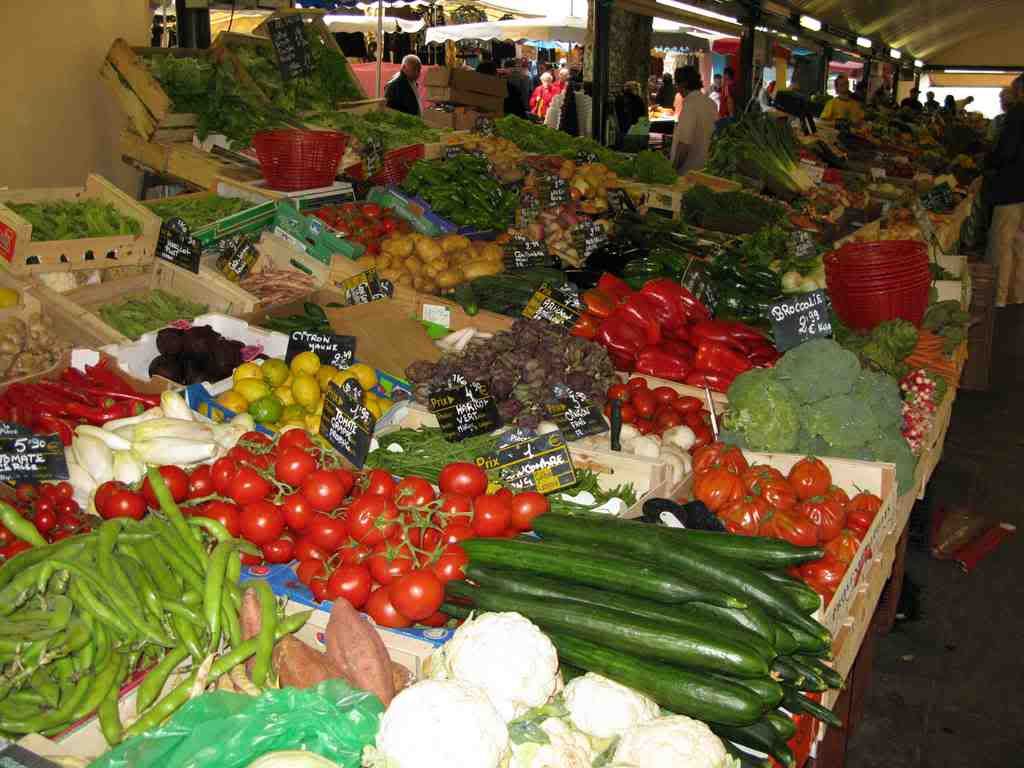
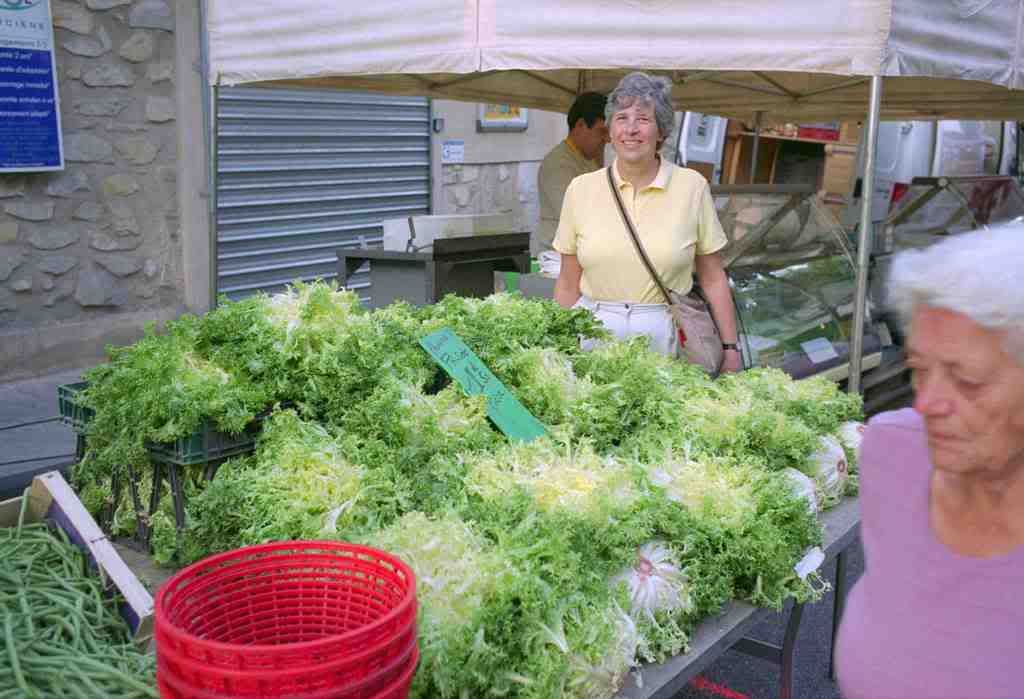
The first market stall we encountered offered a variety of vegetables, including some luscious tomatoes that were still on the vine.


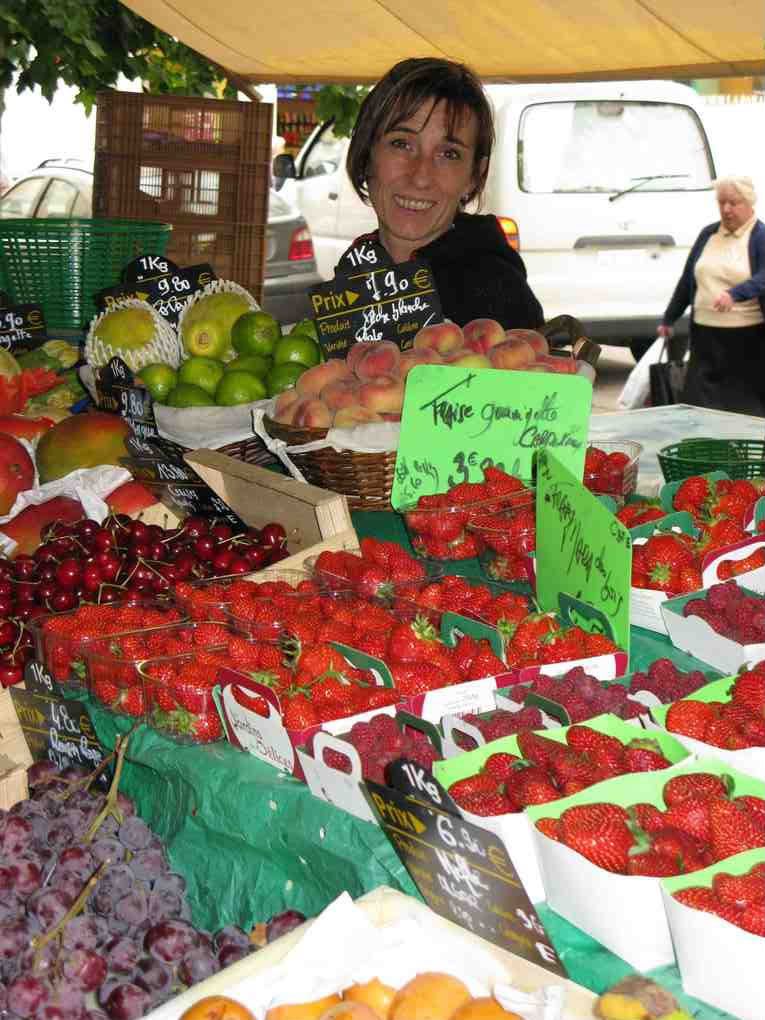
"La vendeuse" was proud of her selection of grapes, cherries and strawberries. We purchased some grapes and strawberries to take back to our room for a snack.


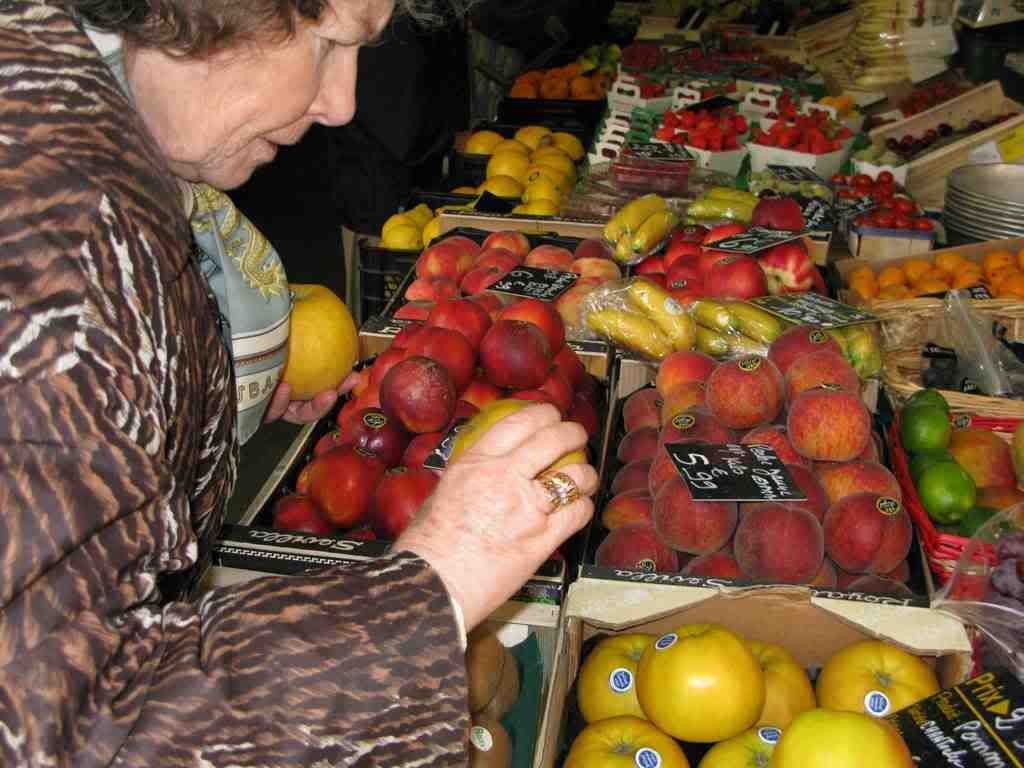
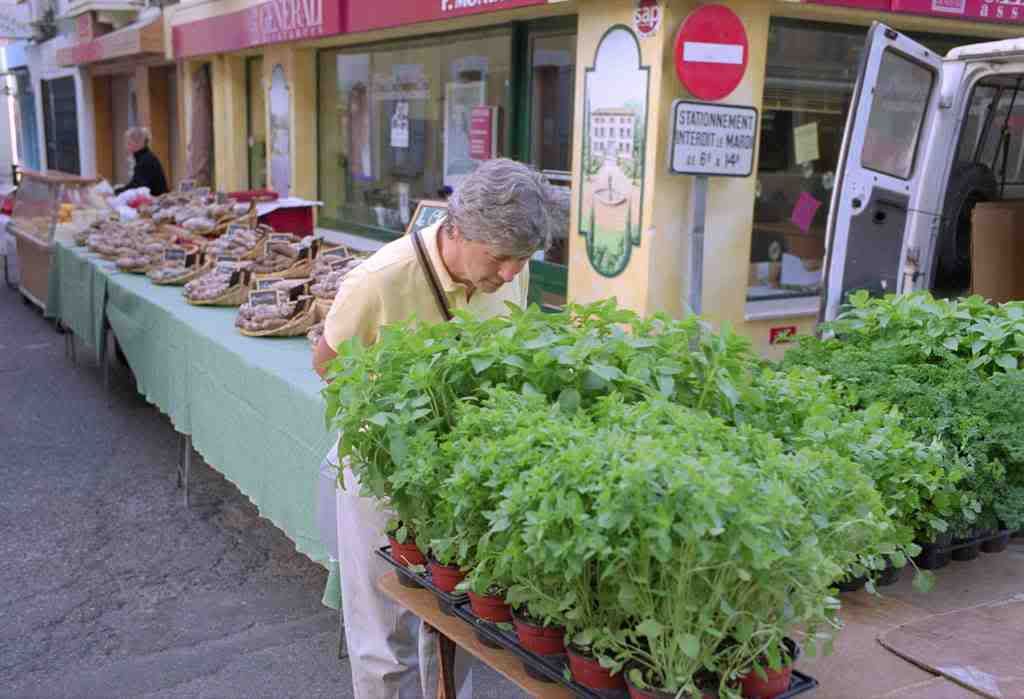
This customer examined the produce with great care before finally making her selection.


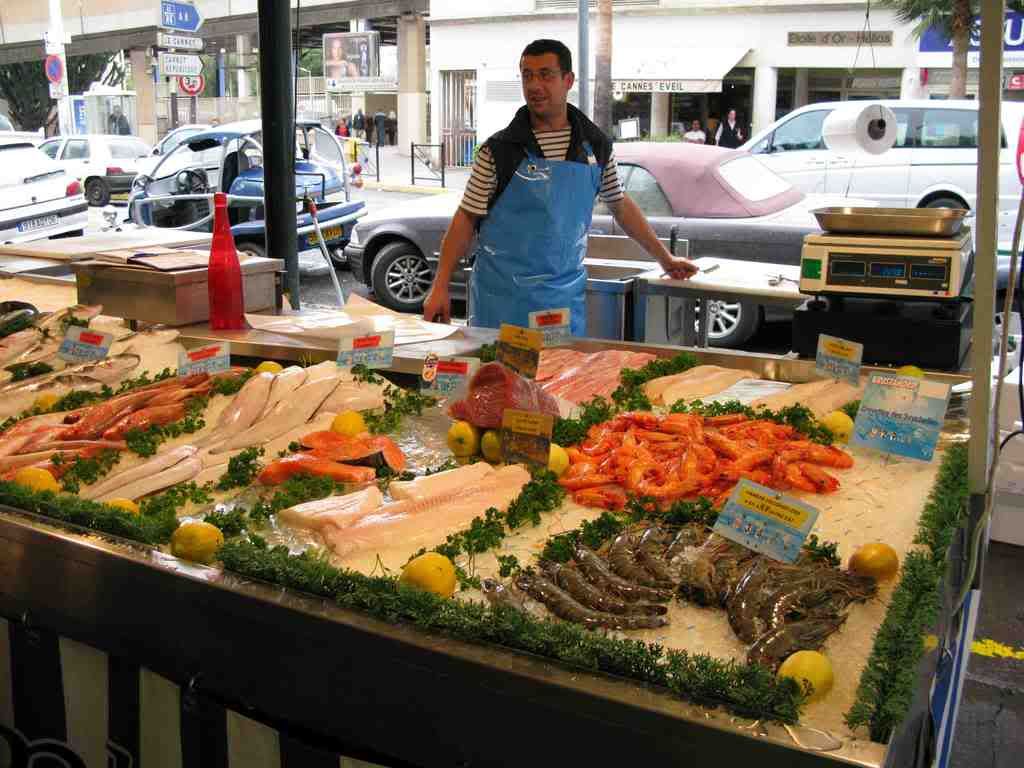
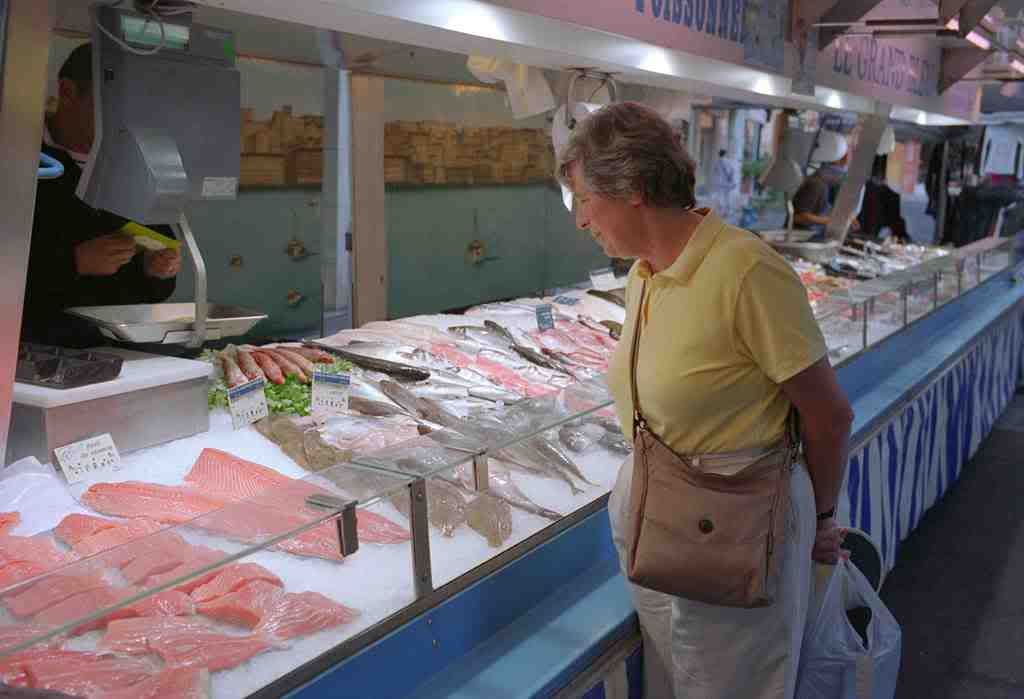
The market offered more than just fruits and vegetables. There was a varied selection of fresh fish and seafood.


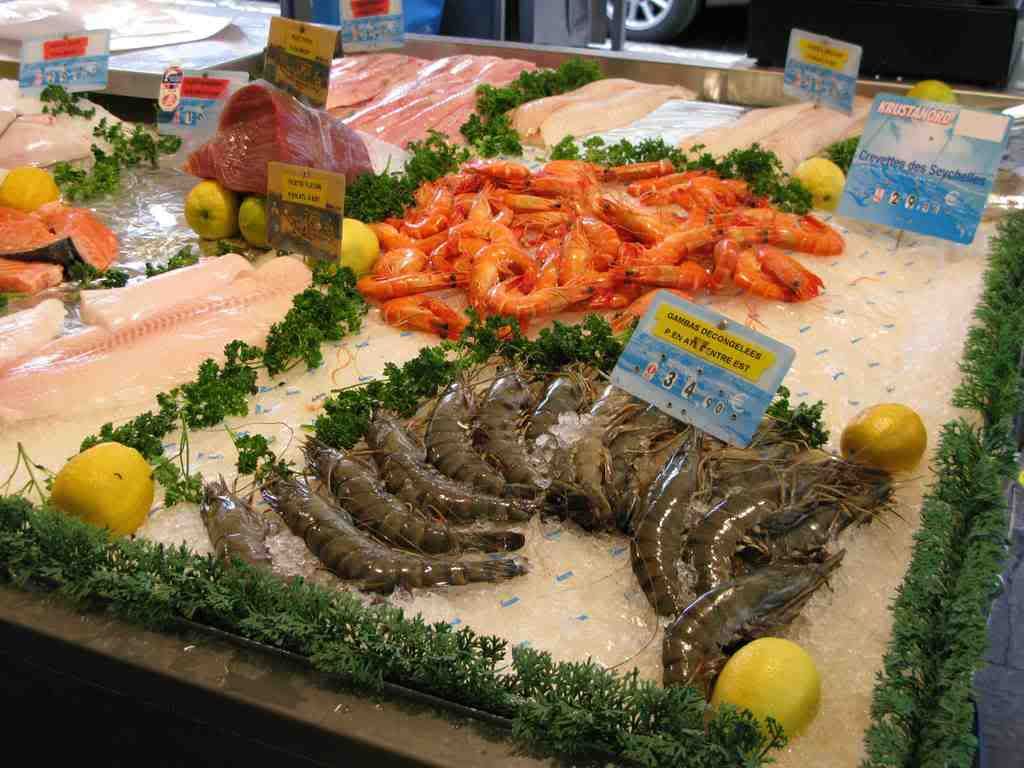
These prawns looked especially nice.


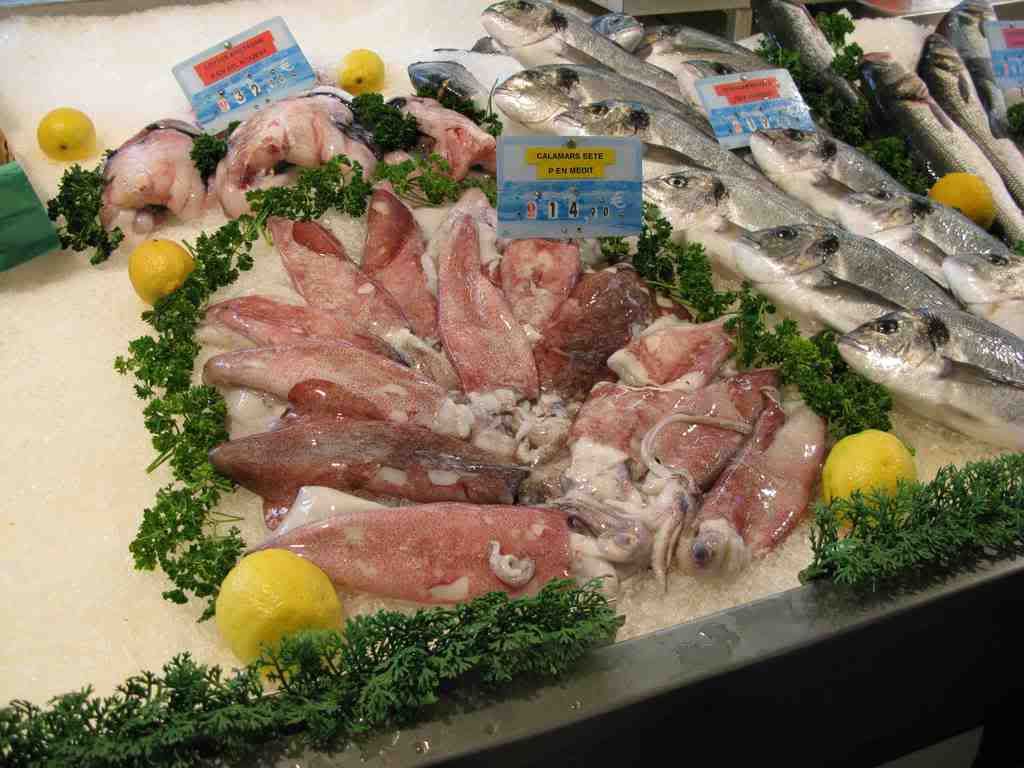
Calamari was also an option.


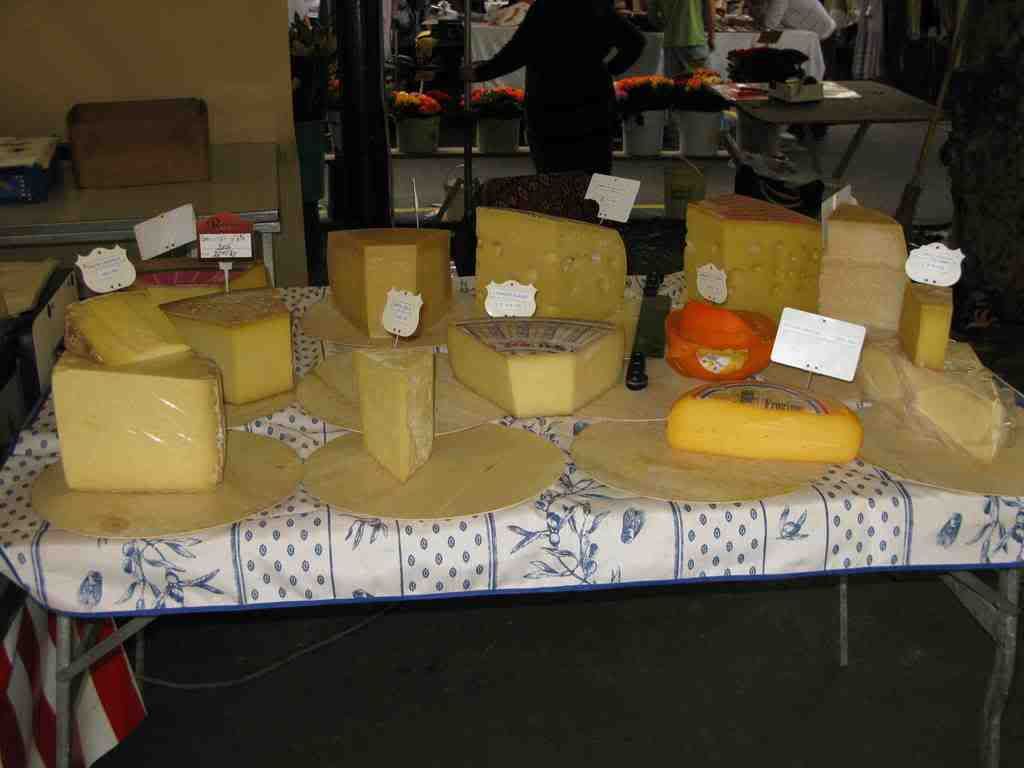
And what French market would be complete without a cheese stall?


The market didn't have any flower stalls. But a short walk away, down by the marina, we stumbled across an enormous rose garden.

An ocean of roses.


An especially striking cluster in the midst of the sea of roses.


And the "pièce de résistance"

Tuesday, June 17, 2008

Exploring Outdoor Markets In France: Vaison-la-Romaine

One of the joys of visiting France is not knowing when or where one will stumble over an outdoor market. On our first visit to Paris, in May 2000, we were strolling along boulevard Raspail on the Left Bank. To our amazement, there was a flourishing outdoor food market – complete with produce and cheese, beef and pork, fish and fowl – right in the middle of the boulevard's park-like center island. Unfortunately, the only thing missing was our camera.

In September 2006, we treated ourselves to a few days in Provence at the end of a month-long car trip through central and eastern Europe. In Vaison-la-Romaine, one of our overnight stops, we lucked into the town's weekly market. This time, we had camera in hand.

Of course, no day in France is complete without bread. This was one of several boulangerie stalls.


Salad greens were also in abundance at this time of year.


There were many varieties of fish from which to choose.


Of course, no self-respecting French cook would be caught without a supply of fresh herbs.


Next stop: Cannes

Monday, June 16, 2008

Number of Tomato-Linked Salmonella Cases Surges

CDC has just released its latest update on the Salmonella Saintpaul outbreak – the first one since last Thursday. As of today, there are 277 lab-confirmed cases of Salmonella illness, and 43 hospitalizations.

The infected individuals live in 28 different states and in the District of Columbia. The most recent victim became ill on June 5th. The confirmed victims range in age from <1 to 88 years, and 46% are female.

CDC estimates that, under normal circumstances, only one case of Salmonella infection is reported to health authorities for every 38 cases that occur. This means that the 277 lab-confirmed cases may translate into more than 10,500 cases of illness from Salmonella-contaminated tomatoes.

CDC has not yet incorporated into its tally all of the cases reported by the various states. For example, CDC reports 4 lab-confirmed cases in Missouri, while the state's Department of Public Health reported on June 12th a total of 8 cases either confirmed or still under investigation.

Meanwhile, FDA does not appear to have made much additional progress in its search for the source of the contaminated produce. According to the latest update on the FDA website, the northern part of Baja California (Mexico) has been cleared by the agency. Other parts of Mexico and some growing areas in Florida, though, remain under suspicion.

If Federal agencies appear to be groping in the dark, it's because they are. In most outbreak investigations, including the 2006 bagged spinach incident, investigators usually have some label information to point the way – a country or state of origin, a production code, an expiry date, or a brand name.

This outbreak is different. Most tomatoes are sold in bulk and are difficult, if not impossible to trace back to their point of origin. We might never know where the contaminated tomatoes came from, how and where they were distributed, or what quantity was contaminated with Salmonella.

This outbreak might only peter out once the contaminated tomatoes get too old to be eaten.

Salmonella Around The World

With the flood of news on Salmonella-contaminated tomatoes in the United States, it's easy to forget that this pathogen can be found on every continent. There are at least three significant Salmonella outbreaks in progress and under investigation outside of the United States.

Adelaide, Australia
Salmonella has claimed the lives of two nursing home residents in this city, and has sickened 18 more. One of the survivors is still in hospital.

According to a June 13th article in The Daily Telegraph, the source of this outbreak has yet to be determined. Infection control procedures have been implemented in the nursing home, and no additional illnesses have occurred.

Sydney, Australia
The Daily Telegraph reports that five area beaches are now closed while investigators scramble to figure out how Salmonella Java has contaminated the playground sand at these beaches.

When I first reported this outbreak on May 18th, a total of 23 children had become infected with this unusual strain of Salmonella, which is usually found in reptiles. Three more children have fallen ill since then, bringing the total to 26. All of the children had become ill – according to their parents – after eating sand at the playgrounds.

Investigators are no closer to determining where the Salmonella Java is coming from. They have extended their investigation to the natural habitats in the area.

Tallinn, Estonia

Health authorities in Estonia are investigating an outbreak of Salmonella Enteritidis that sickened 85 children and 9 employees at a Tallinn kindergarten last month. Seventy-one of the cases have been lab-confirmed. Five of the children were hospitalized, but all have recovered.

The outbreak occurred between May 7th and May 13th. Based on preliminary epidemiological information, the probable source of the infections was a chicken soup that was served at the kindergarten on May 7th. Most of the illnesses began between May 8th and May 10th.

Investigators have sampled foods from the kindergarten kitchen and have also taken environmental samples. The lab analyses – including molecular fingerprinting of the Salmonella isolates – is still in progress.


As for the Salmonella Saintpaul outbreak in the United States, I am hoping to see another update on the CDC and FDA web sites today.

Saturday, June 14, 2008

Martha Stewart: Cooking With Fire

One of my pet peeves is the lack of attention paid by most celebrity chefs to the details of safe food preparation. In February, I commented on the food safety shortcomings of a recipe published by Mark Bittman of the New York Times in his blog, "Bitten". Blogger Doug Powell of Kansas State University has raised similar alarms about the on-air practices of celebrity chefs – most recently in a June 6th blog article.

Last December, I took Martha Stewart to task in an open letter over her inattention to safe cooking procedures for raw poultry, and for her use of raw eggs in an eggnog recipe. I emailed a copy of the letter to Martha Stewart Living, and had no response.

But today I am pleased to report that my message appears to have made an impact at Martha Stewart Living. The July/August 2008 edition of "Everyday Food" has incorporated safe grilling instructions into its recipes for turkey burgers and for marinated chicken breasts.

Specifically, on page 14 of the magazine, the recipe for "tex-mex turkey burgers with zucchini salad" includes the following directions:

"Cover and grill until an instant-read thermometer inserted in center of a burger reads 155º, 4 to 5 minutes per side."

"Top burgers with cheese. Cover and continue to grill until cheese has melted and internal temperature reaches 165º, 2 to 4 minutes more."

A recipe for "buttermilk and herb marinated chicken" in the same issue of the magazine instructs readers to:

"Grill until an instant-read thermometer inserted in thickest part of chicken registers 165º, 5 to 8 minutes per side."
It's nice to know that someone at Martha Stewart Living is paying attention to food safety.

Two More States Affected By Salmonella Outbreak

We can add Maryland and North Carolina to the list of states that have confirmed at least one victim of the Salmonella Saintpaul outbreak. That brings the number of states to 26.

The Maryland Department of Health and Mental Hygiene has identified one case of Salmonella Saintpaul, and has confirmed that the microbe, which they isolated from a Baltimore patient, matches the molecular fingerprint of the outbreak strain.

The North Carolina Department of Health and Human Services also has reported a single case of salmonellosis that is linked to the tomato outbreak. The North Carolina victim became ill last month after traveling to Texas – one of the hardest-hit states.

In addition, the New York State Department of Health is now reporting two confirmed cases of Salmonella Saintpaul infection, an increase of one case since the last CDC investigation update of June 12th.

These new cases bring the total number of lab-confirmed victims of this outbreak to 232 as of this morning. Based on CDC estimates that, on average, only one case of Salmonella infection in 38 is ever reported, roughly 8,800 people have been infected by the outbreak strain of Salmonella Saintpaul so far.

And FDA is still trying to figure out where the contaminated tomatoes originated.

Friday, June 13, 2008

Today's Tomato News

We can add a 229th victim and a 24th state to the numbers posted yesterday evening by CDC. Today, the State of Kentucky reported its first lab-confirmed case of salmonellosis caused by the outbreak strain of Salmonella Saintpaul. Fifty percent of the contiguous 48 US states are now part of this outbreak.

FDA has updated its list of tomato-growing areas again today, adding Indiana, New Mexico and – ironically – Kentucky to the "safe" list. Thirty-seven US states, several Florida counties, Puerto Rico, and a half-dozen foreign countries have been cleared by FDA investigators. Mexico and parts of Florida are still under suspicion.

This protracted outbreak investigation is having an impact on tomato growers, regardless of where they are located. Canadian growers are noticing that their sales are shrinking as domestic consumers avoid tomatoes, even though Canada is neither the source nor a victim of this outbreak. Mexican producers complain that their markets are drying up as US consumers shy away from purchasing tomatoes – especially theirs. Mexico says that the FDA has unfairly targeted that country's growers.

Eventually, whether or not FDA tracks down its source, this outbreak will burn out. But there have now been 13 US outbreaks of Salmonella traced to raw tomatoes since 1990. What is to prevent future flare-ups? One possibility is a research project underway at the University of Guelph in Ontario, Canada.

According to a Canadian Press report, researchers at Guelph are working on a way to inoculate tomato plants with a combination of Salmonella-specific bacteriophage – a virus that attacks Salmonella – and a species of Enterobacter that is harmless to humans. The combination of Enterobacter and the bacteriophage has been tested successfully on mung beans. The next step will be to find out whether it will prevent Salmonella from multiplying in and on tomatoes.

But, even if the research is a success, it will take several years before the approach could be widely adopted. In the meantime, we must rely on more conventional methods – or home gardens – to produce safe tomatoes for our garnishes and salad bowls.

Organic Pastures, Happy Cows & E. coli O157:H7

When a large, multi-state food poisoning outbreak is in progress, it's easy for a second outbreak to go virtually unnoticed, especially when the same microbe – in this case E. coli O157:H7 – is responsible for both. That's what would have happened in 2006, except for the vigilance of California's health authorities and the technology of microbiological "fingerprinting".

On September 8, 2006, Wisconsin health authorities reported to CDC that they had identified a small cluster of E. coli O157:H7 illnesses – all due to the identical strain of the microbe. Within a week, Oregon and New Mexico were added to the list of affected states, and the source of the outbreaks had been traced to bagged spinach.

The 2006 spinach outbreak had begun. Ultimately, 199 people in 26 states would report an illness with the outbreak strain. Just over one-half (102) of the victims would be hospitalized, and 31 would develop kidney failure and other consequences of hemolytic uremic syndrome (HUS). Three people would die.

While the spinach outbreak was in full bloom, the California Department of Health Services received reports of five children who had been infected with E. coli O157:H7. Two of the children were hospitalized, one of them suffering from HUS. A sixth child was also hospitalized with HUS, but E. coli O157:H7 was not lab-confirmed.

The E. coli O157:H7 cultures obtained from the five lab-confirmed victims matched each other, but had a different molecular fingerprint from the microbe that was behind the spinach outbreak. When investigators questioned the victims and their parents, they quickly found a common link. All six children had consumed raw milk or (in one case) raw colostrum from Organic Pastures Dairy Co., California's largest producer of organic raw milk for retail sale.

The California Department of Food and Agriculture, on September 21st, ordered a state-wide recall of Organic Pastures' whole and skim raw milk, raw cream and raw colostrum, and barred the company from producing raw milk. The production quarantine was lifted on September 29th, but the company was still forbidden from bottling its milk and cream for retail sale.

The owner of Organic Pastures, Mark McAfee, has always denied that his dairy was responsible for the six illnesses. In a telephone interview reported by SignOnSanDiego.com at the time of the outbreak, McAfee claimed he had been told that some of the children had eaten spinach and undercooked hamburger. And he contended that one of those foods had made them ill – despite the lab evidence that the children were infected with a different strain of E. coli O157:H7 than the one responsible for the spinach outbreak.

But Mark McAfee is an honorable man, and we should believe him.
The Organic Pastures web site boasts that "In more than 32 million servings, and more than five years of intensive testing, not one single pathogen has been found or detected. Not one person has complained to the state of CA that they have become sickened by an OPDC product."

Yet victims of the 2006 outbreak specifically reported drinking Organic Pastures raw milk and raw colostrum. And California ordered a recall of Organic Pastures raw cream in 2007 after finding Listeria monocytogenes in a sample.

But Mark McAfee is an honorable man, and we should believe him.
After California lifted its quarantine order, McAfee celebrated his exoneration. In his opinion, without the State having found the outbreak strain in his milk, in his dairy environment, or in his cows, there was no evidence that Organic Pastures was responsible for the E. coli O157:H7 outbreak.

According to the CDC report released this week, however, the production lot that was linked to the outbreak was no longer available for testing. Also, non-outbreak strains of the microbe were recovered from the dairy herd.

But Mark McAfee is an honorable man, and we should believe him.
Organic Pastures claims that the total bacterial counts in its raw milk are consistently below the State's limit of 15,000 bacteria per milliliter – even during the period covered by the 2006 outbreak. The State lab, though, found numerous samples containing counts in excess of the 15,000 limit – several of them in excess of 1,000,000 per milliliter.

Organic Pastures implies that its products have been negative for E. coli O157:H7 since 2002; however, the pdf file accessed from the same web page shows that testing for the pathogen only began about one month before the start of the 2006 outbreak.

But Mark McAfee is an honorable man, and we should believe him.
FDA prohibits the interstate sale of raw milk for human consumption. Organic Pastures says on its web site that it does not ship raw milk to customers outside of California. McAfee has exploited a loophole in the FDA regulations, which treat raw colostrum as a
“non-dairy dietary supplement." Organic Pastures' Superlite Colostrum, containing 95% raw milk and 5% raw colostrum, is shipped to customers nationwide.

But Mark McAfee is an honorable man, and we should believe him.

Or should we believe the families of five children who were sickened in the 2006 outbreak and who have filed lawsuits against Mark McAfee?

Thursday, June 12, 2008

Tomato Outbreak Grows Like Topsy

The FDA and CDC haven't yet updated their web pages devoted to the Salmonella Saintpaul outbreak, but Associated Press is reporting that approximately 60 new cases have been added to the list of victims of the contaminated tomatoes, bringing the total to 228. Six more states – Florida, Georgia, Missouri, New York, Tennessee and Vermont – have been added to the 17 that had already reported at least one lab-confirmed case, bringing the number of affected states to 23.

CDC has acknowledged the increased number of cases on its "Questions and Answers" page, and estimates that – because only one Salmonella infection in 38 is usually reported to health authorities – more than 8,600 people may have already been sickened in this outbreak.

CDC also confirmed that the contaminated tomatoes may have claimed the life of one victim. As I reported two days ago, a cancer patient in Texas had been suffering from an infection with the outbreak strain at the time of his death.

Although FDA continues to exonerate some growing areas from involvement in this outbreak, the agency is still not much closer to determining the source of the contaminated tomatoes. Until they do, consumers would be wise to stick to those varieties that are not implicated in this outbreak: cherry tomatoes, grape tomatoes, and tomatoes that are still attached to the vine.

UK Seed Recall

The Food Standards Agency has alerted consumers to the recall of a batch of Khakshir seeds by Golden Saffron Ltd. due to Salmonella contamination. The 200-g packages of seeds are labeled with an expiry date of 12/2009.

Liquid Infant Milk Recalled In UK

The Food Standards Agency is advising consumers that SMA Nutrition has recalled a single batch of its "SMA Gold ready to use liquid infant milk" due to curdling.

The 1-litre containers are labeled with batch code 06033G and a best before date of 12 March 2009. No other liquid or powdered products or production batches are affected by this recall.

SMA announced the recall after receiving reports that the contents of some containers had curdled. Customers who purchased the recalled batch are asked to call the SMA toll-free Careline at 0800 089 0075.

Wednesday, June 11, 2008

Tomato FAQs

As of the most recent CDC update (June 9th), the tally of lab-confirmed Salmonella Saintpaul cases linked to raw tomatoes is holding steady at 167 victims. The youngest victim so far is one year old, and the oldest is 82. Roughly half (49%) are female. At least 23 people have been hospitalized.

FDA and state investigators continue to close in on the source of the contaminated tomatoes. Yesterday, FDA expanded its list of "safe" growing areas once again. Several counties in Florida are now deemed safe, as are the following states, territories and countries:

Alabama, Arkansas, California, Colorado, Delaware, Florida*, Georgia, Hawaii, Louisiana, Maine, Maryland, Minnesota, Mississippi, New Jersey, New York, Nebraska, North Carolina, Ohio, Pennsylvania, South Carolina, Tennessee, Texas, West Virginia, Wisconsin, Belgium, Canada, Dominican Republic, Guatemala, Israel, Netherlands, Puerto Rico

*Jackson, Gadsden, Leon, Jefferson, Madison, Suwannee, Hamilton, Hillsborough, Polk, Manatee, Hardee, DeSoto, Sarasota, Highlands, Pasco, Sumter, Citrus, Hernando, and Charlotte counties
During the last few days, several people have asked me questions about this outbreak. Here are some FAQs.

How serious is Salmonella?
Most cases of Salmonella infection are relatively mild. Symptoms usually consist of stomach cramps, diarrhea and a low-grade fever. Young children, the elderly, and those with pre-existing illness are at greatest risk of serious consequences – usually resulting from dehydration. As many as 2% of victims might develop a secondary chronic syndrome, such as reactive arthritis or Reiter's Syndrome.

How can FDA say that some growing areas are "safe" without knowing who's at fault?
FDA proceeds by process of elimination. As more and more outbreak victims are identified and interviewed, a pattern develops. First, investigators were able to establish that raw tomatoes were the culprit. Next, they managed to limit the varieties of tomato that might be at fault. Now, as federal and state investigators contact food stores and restaurants frequented by the outbreak victims, they can gradually close in on a possible common source for the tomatoes. By naming the safe growing areas as they are identified, FDA probably hopes to reduce the negative impact of this outbreak on the tomato growers.

If the outbreak is spread over 17 states, why have so few people become ill?
CDC reports only lab-confirmed cases in its tally. Only a relatively small percentage of food-poisoning victims – typically, those most seriously affected – ever visit a doctor. And the illness only comes to the attention of state or federal health officials if the doctor thinks to submit a stool sample for lab tests.

A recent Canadian study determined that the actual number of cases of Salmonella illnesses in that country is between 13 and 37 times as high as the number of reported cases. If those statistics are applied to the current US tomato outbreak, the actual number of Salmonella victims could easily exceed 2,000 and might even surpass 6,000 people.

Has this happened before?
The first multi-state Salmonella outbreak linked to tomatoes took place in 1990. It was followed by a second outbreak in 1993. Both outbreaks were traced to a single tomato packing facility, located in South Carolina. Investigators concluded that the tomatoes were most likely contaminated at the packing shed, as a result of all of the tomatoes being dumped into a common water bath for washing. There have been several outbreaks since 1993 – at least a dozen in the last 10 years.

How do tomatoes become contaminated with Salmonella?
Contaminated irrigation water was blamed for two outbreaks, one in 2002 and the other in 2005. Both outbreaks were caused by the identical strain of Salmonella Newport, and were traced to the same Virginia grower. Investigators were able to find the outbreak strain in pond water that had been used to irrigate the tomato fields.

Salmonella can be spread by field animals; small animals may even carry Salmonella into hothouses where tomatoes are grown. Packing houses can also be the source of – or the means of spreading – Salmonella, as occurred in the 1990 and 1993 outbreaks. Other possibilities include the use of improperly composted manure, field workers tracking contaminated soil into a field on their boots, or inattention to proper sanitation and personal hygiene.

Is anything being done to prevent future outbreaks?
Before a problem can be solved, it must first be understood. After the 1990 and 1993 outbreaks had been traced to their common source, industry funded research that confirmed the ability of Salmonella to grow under tomato packing house conditions. That research was used to develop and implement a program designed to prevent the problems that led to those early outbreaks.

Since then, a large number of graduate students and post-doctoral fellows have cut their collective research teeth on understanding the mechanisms that allow Salmonella to contaminate – and adhere tightly to – tomatoes, and on how to prevent or eliminate the contamination. Also, FDA, USDA and state officials are working with tomato growers to eliminate the sources of contamination in the fields.

How can consumers protect themselves during this outbreak?
The safest approach is to avoid raw, tomato-based dishes – salsas, guacamole, diced or sliced tomatoes – in restaurants, and to limit tomato consumption to those varieties that have not been implicated in the outbreak investigation: cherry tomatoes, grape tomatoes, and tomatoes attached to the vine.

Consumers can also consult the "safe" list (above). Farmer's markets in these areas should be good sources – in season – of raw tomatoes.

Finally, CDC offers the following advice for handling raw tomatoes and other raw produce:
  • Refrigerate within 2 hours or discard cut, peeled, or cooked tomatoes.
  • Avoid purchasing bruised or damaged tomatoes and discard any that appear spoiled.
  • Thoroughly wash all tomatoes under running water.
  • Keep tomatoes that will be consumed raw separate from raw meats, raw seafood, and raw produce items.
  • Wash cutting boards, dishes, utensils, and counter tops with hot water and soap when switching between types of food products.

Tuesday, June 10, 2008

Listeria: Lest We Forget

It seems almost ludicrous to mention a 130-pound food recall in the midst of a nationwide Salmonella outbreak, but today's announcement by USDA is a useful reminder that Salmonella isn't the only food-borne pathogen, and tomatoes not the only problematic food.

USDA reported this morning that Gourmet Foods, Inc. of Rancho Dominguez, CA has recalled 130 pounds of ready-to-eat chicken products after the agency detected Listeria monocytogenes in a sample of the products. There have been no reported illnesses.

The recalled products were available for sale in the Los Angeles area only, and are labeled with the establishment number EST. P-7738. Packages carrying "Sell By" dates of 06/04/08 through 06/07/08 are included in the recall.

If you have any of the recalled products, please discard them. If you have already eaten one of the recalled items and think that you are experiencing any symptoms of Listeria monocytogenes infection, please consult your doctor.

For more information on this recall, consumers are invited to contact the Gourmet Foods Quality Assurance Manager, Abelardo Rodriguez, at (310) 632-3300.

Salmonella Outbreak: The Morning Line

CDC has updated the totals on the Salmonella Saintpaul outbreak that has been oozing its way amoeba-like across the United States since mid-April. As of last evening, the agency reports 167 confirmed cases in 17 states. Twenty-three people have been hospitalized. According to CDC, there have been no fatalities reported so far.

But Bill Marler reported in his blog yesterday evening that a Houston cancer patient, who was hospitalized with severe nausea, high fever and diarrhea after becoming infected with the outbreak strain of Salmonella Saintpaul, has since died. Texas Health officials, according to Marler, confirmed the death but declined to attribute it to the Salmonella illness.

Meanwhile, FDA has added several more US states to the "safe" list – tomato-growing areas that investigators have cleared from suspicion. Here is a complete list of US and international growing areas that are NOT implicated in the Salmonella Saintpaul outbreak as of June 9th:
Alabama, Arkansas, California, Georgia, Hawaii, Louisiana, Maine, Maryland, Minnesota, Mississippi, New York, Nebraska, North Carolina, Ohio, Pennsylvania, South Carolina, Tennessee, Texas, West Virginia, Belgium, Canada, Dominican Republic, Guatemala, Israel, Netherlands, Puerto Rico
As I reported yesterday evening, major restaurant chains and food retailers have responded to the FDA's nationwide warning by suspending the use of suspect raw tomatoes in restaurant meals and by withdrawing those tomatoes from retail produce displays.

According to a story in this morning's Washington Post, Safeway, Giant Food, Harris Teeter and Wegmans have all suspended sale of the varieties of tomatoes that may be the source of the Salmonella outbreak. Harris Teeter plans to restock promptly with tomatoes from one or more of the "safe" growing areas identified by FDA. McDonald's, Subway and Burger King are among the restaurant chains that have temporarily removed the suspect varieties of tomatoes from their menus.

Thursday will mark the first anniversary of the introduction of FDA's Tomato Safety Initiative. The multi-year program was introduced after the United States experienced 12 tomato-related outbreaks of Salmonella illness in the space of ten years. Many of those outbreaks were traced to tomatoes that had been grown in Florida and the coastal areas of Virginia.

FDA began visiting Virginia growers in mid-2007, and announced on March 31st that it would begin its Florida visits this year. In both cases, FDA personnel are working in cooperation with the appropriate state agencies to encourage grower compliance with Good Agricultural Practices and sanitation programs. Interestingly, both Florida and Virginia are still in contention as possible sources of the contaminated tomatoes.

As long as contaminated tomatoes remain on the market, this outbreak will continue to expand – in numbers of victims and geographically. Until government investigators have identified with certainty the source of the tomatoes that are spreading Salmonella Saintpaul, consumers would be wise to limit themselves to those varieties of tomatoes that have been identified as safe: grape tomatoes, cherry tomatoes, tomatoes still attached to their vine, and home-grown tomatoes.

Monday, June 9, 2008

Salmonella Outbreak: 166 Cases and Counting

The Oregon Department of Human Services has just announced three lab-confirmed cases of Salmonella Saintpaul in the state, with two more cases under investigation. The cases are part of the multi-state outbreak that has been linked to Salmonella-contaminated raw tomatoes.

According to the Oregon news release, there are now 166 confirmed cases in 17 states. And the tally of victims will continue to grow as additional suspect cases are confirmed by lab investigators.

The latest list of states that have reported one or more confirmed cases of Salmonella Saintpaul infection is as follows:
Arizona, California, Connecticut, Colorado, Idaho, Illinois, Indiana, Kansas, Michigan, New Mexico, Oklahoma, Oregon, Texas, Utah, Virginia, Washington, Wisconsin.
Ironically, this week marks the first anniversary of FDA's Tomato Safety Initiative. The multi-year program was intended to reduce the incidence of Salmonella contamination in raw tomatoes grown in the United States. We don't yet know the country of origin – or even the variety – of tomatoes implicated in this latest outbreak, but it's clear that the we are a long way from solving the problem of contaminated tomatoes.

Food Retailers React To Tomato Alert

Several restaurant and food chains have reacted to FDA's nationwide Salmonella alert by pulling suspect tomatoes from their menus and produce departments.

McDonald's has taken the extraordinary step of temporarily eliminating sliced tomatoes from its sandwiches. The fast food chain is continuing to serve grape tomatoes – one of the varieties designated as "safe" by FDA – in its premium salads. Chipotle Mexican Grill, likewise, has stopped serving raw tomatoes for now.

Several food retailers, including Wal-Mart, Target, Winn Dixie and Grocers Supervalu have also removed the suspect varieties of tomatoes from sale.

At last count, 145 people in 16 US states have been infected with Salmonella Saintpaul in this outbreak, and the FDA and CDC are still unable to pinpoint the source of the contaminated tomatoes believed to be responsible for the illnesses.

Until the variety of tomato and its geographic origin are known, consumers should limit themselves to grape tomatoes, cherry tomatoes, vine-attached tomatoes or home-grown tomatoes, and should avoid eating dishes made from raw tomatoes (such as salsa) unless they are sure of the origin of the tomatoes.

New Jersey Firm Recalls Ground Beef

Dutch’s Meat, Inc. of Trenton, NJ has recalled more than 13,000 pounds of ground meat products after USDA's Food Safety and Inspection Service found E. coli O157:H7 in a sample of the meat while carrying out a routine sampling program.

The ground meat products are labeled with EST 5424 inside the USDA inspection seal, and with a packaging date between May 27, 2008 through June 6, 2008. None of the recalled product was distributed to retail stores; all of it was supplied to restaurants and food service establishments in the Trenton, NJ area.

This recall is a timely reminder that E. coli O157:H7 is still with us. To avoid illness from E. coli O157:H7 – or from Salmonella – when preparing hamburgers, cook them to an internal temperature of 160ºF.

For more information on ground beef – including safe handling, storage and preparation – check out USDA's Focus on Ground Beef.

Saturday, June 7, 2008

Tomato Outbreak Continues to Expand

FDA has issued an expanded warning to consumers nationwide to avoid eating certain varieties of raw tomatoes that may be implicated in a Salmonella Saintpaul outbreak that has sickened 145 people in 16 states so far. At least 23 people have been hospitalized.

The illnesses have been associated with consumption of red plum, red Roma, or red round tomatoes, and products containing these raw, red tomatoes. Cherry tomatoes, grape tomatoes, vine-attached tomatoes and home-grown tomatoes have not been implicated in this outbreak.

While the source of the contaminated tomatoes has not yet been determined, epidemiological investigations have excluded tomatoes grown and harvested in the following states, territories and countries:

Arkansas, California, Georgia, North Carolina, South Carolina, Tennessee, Texas, Belgium, Canada, Dominican Republic, Guatemala, Israel, Netherlands, and Puerto Rico.

Please check on the country, state or territory of origin when buying tomatoes, and restrict your purchases to tomatoes that have not been implicated in this outbreak.

Update on Salmonella-contaminated Tomatoes

The CDC and FDA are continuing to work with state agencies to determine the scope and the source of the Salmonella Saintpaul outbreak. In its June 5th update, CDC reported that 71 cases of lab-confirmed Salmonella Saintpaul illnesses have been linked to consumption of raw tomatoes in New Mexico (36 people) and Texas (35 people). Nineteen of the 71 victims have needed hospital care.

The number of cases in New Mexico is certain to grow, as the state is still awaiting lab results on several additional victims. The latest news (June 4th) from the New Mexico Department of Health indicates a total of 40 confirmed and suspected outbreak victims.

Meanwhile, 10 other states have reported a total of 34 cases of Salmonella illnesses, caused by the same strain as the one responsible for the New Mexico/Texas outbreak. Investigators are still working to determine whether any of these illnesses can be traced to raw tomatoes.

One California resident has been confirmed to be infected with the outbreak strain of Salmonella Saintpaul. The California Department of Public Health is working to determine whether this person ate raw tomatoes within California or while traveling out of state. Additionally, an Oregon resident who visited southern California has also been infected with the outbreak strain.

FDA has posted a special web page dedicated to the tomato outbreak. This page includes a list of countries whose tomatoes have been cleared of any involvement in the current outbreak. Consumers, restaurant managers and food service operators who purchase raw tomatoes should consult this list and only buy tomatoes originating from one of these countries until the source of the outbreak has been determined.

Preliminary epidemiological information is pointing an accusatory finger at raw red plum, red Roma, or round red tomatoes. Cherry tomatoes, grape tomatoes, vine-attached tomatoes, and home-grown tomatoes do not appear to be involved in the outbreak. Until more information is available, stick to one of the "safe" varieties – especially if the store has no information on where its tomatoes were grown.

Friday, June 6, 2008

And In Other News . . .

Here is a summary of other food alerts and other health-related news items that popped up during the last couple of weeks.

May 27th
Supreme Cuts LLC of Mahwah, NJ recalled 87 cases of "Off the Cob Fresh Kernel Corn" after the company found Listeria monocytogenes in a sample of the product. Supreme Cuts suspended production until it could track down the source of the contamination. The corn was distributed to a small number of stores in New Jersey and Massachusetts. Customers were told to discard any unused "Off the Cob" corn that was labeled with a "best before" date of May 26.

May 28th
Orval Kent Foods recalled 23,000 pounds of Amish Macaroni Salad after the Ohio Department of Agriculture found E. coli O157:H7 in a sample. The salad was shipped to retail and food service establishments in Delaware, Illinois, Indiana, Maryland, Michigan, New Jersey, New York, Ohio, and Pennsylvania. Customers were urged to return unopened containers for a full refund. No illnesses have been reported.

May 30th

The UK Food Standards Agency has updated its advisory to British consumers against consuming Bantry Bay frozen mussels, which may contain Azaspiracid Shellfish Poisoning toxins. The advisory has been expanded to include the following product:
  • Bantry Bay Mussels in Garlic
  • Size: 900g
  • Best before: 6 June 2009
  • Product code: GBDBL12
  • Batch: 24A2
The product was sold only in Makro stores. Consumers are advised to return the recalled mussels to the store for a refund.

May 30th
Fresca Italia, Inc., a California company, recalled one production batch of Burrata, an Italian-style fresh cheese, after the California Dept. of Food & Agriculture detected Listeria monocytogenes in a sample of the cheese. The Burrata, which carries an expiration date of 24/5/2008, was distributed to retail stores and restaurants in the San Francisco Bay area and in southern California.

And that should bring us up to date – at least for now.

Salmonella in Smoked Sausage

Consumers in the United Kingdom should be aware that two batches of chorizo have been recalled by Creative Ingredients Ltd, according to an alert issued by the Food Standards Agency. The recall is due to the presence of Salmonella in the sausages.

The following two batches of chorizo have been recalled:

D’elitte Chorizo Picanté Extra
Pack Size: 200g
Batch Number: 189/07
Best Before: Feb 2009

D’elitte Chorizo Suavé Extra
Pack Size: 200g
Batch Number: 26/08
Best Before: March 2009

Chorizo is a fermented, cured and smoked pork sausage, which is often eaten without further cooking. Consumers who have purchased this sausage should return it to the store for a full refund.

Lettuce Under Suspicion Again

The Washington State Department of Health is investigating a possible link between contaminated lettuce and nine confirmed cases of E. coli O157:H7 infection in the state. A tenth case, which might also be part of the same outbreak was not lab-tested.

Bill Marler, who is based in the Seattle, WA area, reports that the outbreak has been traced to bagged, commercial romaine lettuce, according to a news item on King 5 TV. The lettuce was apparently supplied to restaurants and/or food service establishments, and was not available through retail stores.

Thursday, June 5, 2008

Canada Cautions Consumers On California Cantaloupe

On June 2nd, the Canadian Food Inspection Agency alerted consumers in the province of Ontario that some US-grown cantaloupes distributed in the province might be contaminated with Salmonella.

The KingFisher brand cantaloupes are the product of Fisher Ranch Corp., Blythe, CA. They were sold in retail stores in the province of Ontario between May 16th and June 2nd, inclusive.

While no illnesses have been associated with the cantaloupe, the importer, Gambles Ontario Produce Inc., Toronto, Ontario, has recalled all outstanding stock. Consumers who have purchased whole or cut cantaloupe – including products containing pieces of cantaloupe – should check with the store to determine the origin of the cantaloupe.

If you have experienced symptoms of gastroenteritis within a few days of having eaten cantaloupe that you believe to be implicated in this recall, please contact your health care provider.

Stewing Over Salmonella-Contaminated Tomatoes

The FDA, the CDC and several state departments of health are investigating an outbreak of Salmonella Saintpaul illnesses that have been linked to certain varieties of raw tomatoes.

According to information provided on the CDC website, 57 people in Texas and New Mexico have been infected with the identical strain of Salmonella Saintpaul. At least 17 of the victims have been hospitalized. Epidemiological evidence is pointing investigators to large tomato varieties, including Roma and red round tomatoes, as the source of the outbreak.

Eight other states have also reported having recovered the outbreak strain of Salmonella Saintpaul from a total of 29 people. CDC does not yet know whether or not these illnesses are also linked to consumption of raw tomatoes.

Until the source of the outbreak can be determined, FDA has warned consumers in New Mexico and Texas to limit themselves to tomato varieties that have not been implicated in the investigation – cherry tomatoes, grape tomatoes and tomatoes still attached to the vine – or to home-grown tomatoes.

Including this latest incident, contaminated tomatoes have accounted for a baker's dozen (13) Salmonella outbreaks in the past ten years. While researchers haven't yet established how a tomato crop becomes contaminated, a recent study revealed that Salmonella can survive in soil for at least six weeks – enough time for debris from a contaminated crop to infect a subsequent crop.

Even hydroponic tomatoes are not immune to Salmonella contamination. The pathogen can be tracked in on workers' soiled boots, or by small field animals that find their way into the greenhouses.

Investigators into the cause of the current outbreak are still facing a long list of unanswered questions. Until the source of the Salmonella Saintpaul has been found – and has been taken off the market – consumers throughout the United States should follow the advice given to the citizens of Texas and New Mexico. Stick to cherry tomatoes, grape tomatoes, and "tomatoes on the vine". Or grow your own.

Plus Ça Change . . . .

I've been catching up on the news after being away for a couple of weeks. I'll be posting at a "double time" pace over the next few days to bring everyone up to date on the following stories:
  1. Salmonella Saintpaul food poisoning outbreak linked to tomatoes in several US states.
  2. Source of Princeton University Salmonella outbreak found.
  3. Cost of gastrointestinal illness in Canada estimated at $115 CAD per person per year.
  4. Canada warns consumers about Salmonella-contaminated cantaloupe imported from USA.
  5. UK Food Standards Agency updates warning on toxic Bantry Bay frozen mussels.
  6. Burrata recalled after California finds Listeria monocytogenes in a sample of the Italian-style fresh cheese.
I'll also have some news about the incidence of bacterial contamination in Australian meat and poultry sold in retail markets, a report of a hepatitis outbreak in France, and a norovirus outbreak in Canada, and the latest updates on cholera outbreaks in Asia and Africa.

Or perhaps I should just post a few pictures from our walk through a small farmer's market in Cannes, France.