Friday, October 10, 2008

On The Trail Of Big Eddie Coli (E. coli O157:H7)

According to the Detroit Free Press, Michigan authorities have determined that the E. coli O157:H7-contaminated lettuce blamed for sickening 36 people in the state came from California.

The E. coli O157:H7 outbreak first made news in mid-September, when Ingham County health officials notified Michigan State University that several students had been hospitalized. The students were suffering from symptoms of severe gastroenteritis – including bloody diarrhea. Initially, three students were all confirmed to be infected by the same strain of E. coli O157:H7. 

In time, additional MSU students were also confirmed to be carrying the outbreak strain, and the same strain of E. coli O157:H7 was found in other victims of gastroenteritis in several Michigan counties, as well as in Illinois, Ohio, Oregon and New York. The pathogen also crossed the border into Canada – without even showing a passport – and infected at least three people in southwestern Ontario (Chatham-Kent area).

Based on epidemiological evidence, the Michigan Department of Community Health concluded that many of the cases could be traced to bagged, pre-washed, shredded iceberg lettuce supplied to restaurants and institutions by Aunt Mid's Produce Company, a Detroit-area produce distributor. So far, investigators have been unable to find E. coli O157:H7 in lettuce from Aunt Mid's – or from anyone else, for that matter. This isn't unusual or unexpected. The relatively short shelf life of bagged lettuce precludes investigators from obtaining and testing lettuce that was in circulation at the time of the outbreak.

A second outbreak of E. coli O157:H7 was unfolding in Boulder, Colorado at the same time as the MSU outbreak. Seventeen people – several of them students at the University of Colorado – complained of gastrointestinal symptoms, including bloody diarrhea. Many of the victims had eaten at Jimmy John's, a Boulder sandwich shop. Health authorities are trying to pin down the source of the infections.

Could lettuce also be the source of the Boulder outbreak? It's possible. The California lettuce that was shipped to Aunt Mid's Produce Company in Detroit also was supplied to other wholesalers and distributors. Some of it could have been sold to Jimmy John's.

A key element in the investigation of both outbreaks is the genetic fingerprinting of the outbreak strains. Investigators are certain to compare the strain recovered from the Colorado victims with the strain isolated from the Michigan (et cetera) outbreak. If they are identical, the California lettuce also will be a prime suspect in Colorado. If not, the Colorado outbreak may have been due to contaminated meat (we've seen that before), to a food handler who was carrying the pathogen, or to some other food source.

Tune in for the sequel.

Québec Recalls Spaghetti Sauce: Microbiological Hazard

Aux Purs Délices (287, rue de lÉglise, Verdun, QC) has agreed to recall two varieties of Sauce à la Viande Douce brand spaghetti meat sauce, which were displayed for sale at room temperature in sealed jars. The recall follows a determination by the Québec Ministry of Agriculture and the City of Montréal Food Inspection Division that the sauce was not processed or displayed in a manner to ensure product safety.

The recalled items, which were sold only at Aux Purs Délices in Verdun, were packed in 500mL and 1,000mL Mason-type jars. All lot numbers of the following two products are included in the recall:

  • Sauce spaghetti aux champignons
  • Sauce aux légumes

While no illnesses have been reported, the uncontrolled conditions under which these sauces were prepared and displayed would have allowed Clostridium botulinum to survive and multiply, representing a serious risk to human health. Anyone who has consumed one of these sauces and later begins to experience symptoms of botulism or of gastroenteritis should seek immediate medical attention.

Consumers who purchased one of the sauces should return it to Aux Purs Délices for a refund.


Allergy Alert: Russell Stover Chocolates

Russell Stover Candies, Inc. (Kansas City, MO) has recalled one lot of Private Reserve Assorted Chocolates (2 7/8 ounce size) in selected cities and states. Due to a labeling error, one piece of candy in the assortment may contain undeclared hazelnuts.

The recalled boxes are marked with lot code 01JUL09 N0349. Russell Stover believes that only 29 boxes of the mislabeled chocolates were sold, and an additional 188 boxes were available for sale in the following locations:

Texas, California, Louisiana, North Carolina, South Carolina, Virginia, Tennessee; Southaven, Mississippi; Billings, Montana; Sparks, Nevada; and Madison Heights, Michigan.

Individuals who are allergic to nuts are at risk of a severe – possibly life-threatening – reaction upon consuming a product that contains even a small quantity of nuts. Consumers are urged to return the recalled chocolates to the store for a refund.

Thursday, October 9, 2008

Uneviscerated Croaker Recalled

YS Trading Corp (Long Island City, NY) has recalled "Frozen Salted Croaker" because it is uneviscerated and, therefore, presents a risk of botulism.

The fish was sold in uncoded, unlabeled plastic bags in New Jersey, Hicksville (NY) and Flushing (NY). Uneviscerated fish is prohibited from sale in the New York state, because spores of Clostridium botulinum may be concentrated in the viscera.

Consumers who purchased the recalled item should return it to the store for a refund.

Allergy Alert: Undeclared Sulfites in Shad Raisins

Fatima Brothers Inc. (Maspeth, NY) has recalled Shad Raisins due to the presence of sulfites that were not declared on the label. The raisins were distributed in New York City only, in uncoded 7-ounce plastic bags.

The recall was initiated after testing carried out by the New York State Department of Agriculture and Markets detected the presence of high levels of sulfites in the raisins.

Consumers who are sensitive to sulfites may experience a severe, possibly even life-threatening reaction upon consuming  as little as 10 mg. of sulfites. Individuals who suffer from asthma may be especially at risk.

Individuals who purchased the Shad Raisins should return them to the store for a refund.

Maple Leaf, CFIA and Listeria monocytogenes

Fifty-three individuals in seven Canadian provinces were infected with Listeria monocytogenes as a result of consuming contaminated deli meat from Maple Leaf's Bartor Road production facility, according to yesterday evening's update from the Public Health Agency of Canada.

Ten of those innocent victims died. An additional 10 suspect cases and 6 more deaths are still under investigation in what will likely turn out to be the worst food safety scandal in Canadian history. 

One month ago, in calling for a full, public Judicial Commission of Inquiry into this outbreak, I raised several questions that were begging for substantive answers. The news that has been filtering into media reports in the past few days reinforces, in my opinion, the need for an investigation conducted by an impartial Commission that is independent of any government department.

  1. Toronto public health officials, as part of an investigation into the then-suspected outbreak of listeriosis, tested 26 samples of Maple Leaf meats obtained from local nursing homes, hospices and hospitals. Seventeen of those samples contained Listeria monocytogenes. Half of the samples collected from similar facilities elsewhere in the province also were contaminated with Listeria monocytogenes. This is an extraordinarily high frequency of positive samples, which signals massive contamination at the factory during processing or packaging.
  2. On August 14th, Toronto public health officials warned CFIA of the link between contaminated Maple Leaf deli meats and the listeriosis outbreak, and asked CFIA to issue a public advisory. CFIA demurred, stating that it needed to wait for more data before making a public announcement. The first – very limited – alert was issued three days later on August 17th. It took two more days before CFIA sounded a full alert and Maple Leaf recalled all outstanding production from the Bartor Road facility.
  3. On April 1st, CFIA changed a long-standing policy with regard to Listeria monocytogenes notification by industry. Prior to April 1st, meat processors were required to notify CFIA immediately of any Listeria monocytogenes-positive test result, either in the production environment or in finished product. The CFIA inspector would become involved in the clean-up and would follow up to verify the effectiveness of clean-up procedures. Beginning April 1st, CFIA inspectors only check Listeria monocytogenes test records twice a month. They no longer have "hands-on" involvement in the testing or follow-up.


Maple Leaf re-started operations in the Bartor Road facility on September 17th, with close oversight from CFIA. The startup was subject to the following three conditions:

  • The CFIA will allow limited trial runs for a three-day period where product will be held and tested each day based on a rigorous sampling plan. The effectiveness of inspection and processing controls will also be validated.
  • Production will stop until test results come back. Only if test results are negative and operating procedures are determined to be in compliance will the company be able to begin broader production.
  • For the following six weeks all product will be held and tested in lots and will only be released if negative test results are received.

It's very fortunate that these conditions were in place, because four new samples of finished product have tested positive for Listeria monocytogenes. Since the facility is operating on a "test and hold" basis, none of these products have been shipped. We don't yet know whether this is the outbreak strain of Listeria monocytogenes, or a different strain that has found its way into the plant and into the products.

Maple Leaf's President, Michael McCain, has pointed out –  correctly – that Listeria monocytogenes is pervasive in the environment. An occasional positive is not unexpected. What's important is the action that a food processor takes to overcome the contamination. 

And what's equally important is the action that the government takes to ensure public health and safety.

Three US Meat Processors Recall Nicaraguan Beef

USDA announced this morning that three US meat processors – one in Colorado and two in Florida – have recalled frozen beef trim imported from Nicaragua due to the presence of E. coli O157:H7.

The imported meat was described as follows:
60-pound bulk boxes of “BM-95 BONELESS BEEF.” Each shipping container bears the establishment number “Nicaragua 4” inside the Nicaraguan mark of inspection. The shipping label bears the item number “00003,” and pack date of “8-19-08.”

Approximately 27,000 pounds of frozen beef trim are included in the recall:
The imported meat has been shipped to establishments and distributors in California (by Colorado Foods), in Indiana and Wisconsin (by Astro) and in New York and Pennsylvania (by A.C.S.). Because beef trim usually is subjected to further processing (such as grinding), consumers likely will not be able to identify the recalled meat in the store.

The contamination was detected by USDA as a result of their having sampled and tested the imported product. But the imported meat was shipped to its various destinations before the test results were available. USDA, clearly, does not "test and hold" imported meat.

Current USDA policy is to post a retail distribution list for all Class I recalls that are initiated after August 18th. We'll update this post to include a link to the retail distribution list as soon as it is available. 

Wednesday, October 8, 2008

The China Syndrome: Canada Recalls Milk Chocolate Coins

The Canadian Food Inspection Agency announced today that Sherwood Brands Pirate’s Gold Milk Chocolate Coins contain melamine and are being recalled.

The Sherwood Brands Pirate's Gold Milk Chocolate Coins are packaged in 840g containers, containing 240 coins per container. The 840g packages can be identified by lot code 1928S1 and UPC 0 36077 11240 7. 

The coins are sold nationally through Costco and may also have been sold either individually or in bulk through other retailers across Canada. Coins that are sold individually or in bulk may not carry the identifying UPC or lot code.

Retailers and distributors of the coins have been asked to stop selling the product, and consumers are advised not to eat the milk chocolate coins. CFIA will be monitoring the effectiveness of the recall.

The melamine contamination was detected as part of CFIA's on-going investigation into milk-containing products from China. While the agency has not indicated the level of melamine found in the chocolate coins, Canada has adopted an interim standard of not more than 2.5 ppm melamine in most products, and not more than 1 ppm melamine in infant formulas, sole source nutrition products and meal replacement products.

For more information on this recall, consumers can contact CFIA at 1-800-442-2342.


Allergy Alert: Bread Recalled – Undeclared Nuts

Arnold Foods Company, Inc. (Horsham, PA) has recalled Brownberry brand Whole Grains Bread,  100% Whole Wheat (1 LB 8 OZ) due to the presence of undeclared nuts in the bread. The presence of undeclared nuts was detected as a result of a customer complaint.

The recalled bread is sold in a bag closed with a green twist tie. The lot identification "Oct 11" is printed on the bag. 

The bread, which may contain almonds, walnuts and hazelnuts, was sold in retail stores and thrift stores in Illinois, Indiana, Iowa, Minnesota and Wisconsin.

Persons who are sensitive or allergic to nuts may experience a severe – possibly life-threatening – reaction upon consuming the recalled bread. Customers who purchased the bread may return it to the store for a full refund. For more information, contact Arnold Foods directly at 1-800-984-0989.

Allergy Alert: Sulfur Dioxide in Hong Kong Meats

The Hong Kong Centre for Food Safety announced today that it had found traces of sulfur dioxide in 19 out of 291 samples of beef and pork. The levels of sulfur dioxide in  the 19 positive samples ranged between 10 ppm and 2,100 ppm.

Sulfur dioxide is a permitted preservative in certain processed foods, when declared on the ingredient label. It should not be present in fresh or frozen meats.

Most people can consume foods containing permitted levels of sulfur dioxide without ill effects. But individuals who are sensitive to this preservative may experience severe, possibly life-threatening allergic reactions upon consuming a food containing sulfur dioxide.

The CFS is conducting follow-up investigations, and sending warning letters to the sellers of the sulfur dioxide-contaminated beef and pork. In addition, CFS reminds Hong Kong consumers to only buy their meat from reputable vendors.


"Dunn" In By Listeria monocytogenes

Les Salaisons Desco Inc. (Boisbriand, QC) has recalled two batches of Dunn’s Famous brand Smoked Meat, which may be contaminated with Listeria monocytogenes.

The 1 Kg packages (6 x 175g pouches/package), bearing UPC 4 00007 55699 7 and Best Before dates of 2008 NO 01 and 2008 NO 02, were sold only in Costco stores in the city of Ottawa and the provinces of Québec, Nova Scotia, New Brunswick, Prince Edward Island, and Newfoundland and Labrador. The outer cardboard box also identifies the production facility as EST 501.

Costco stores elsewhere in Ontario and in the western provinces do not carry the recalled items. Dunn's Famous brand Smoked Meat bearing the same UPC and Best Before dates may also be available in the rest of Canada, but are not part of this recall.

While there have been no reported illnesses, the Canadian Food Inspection Agency is warning the public not to consume the two potentially contaminated batches of smoked meat. Consumers who purchased the recalled meat should either discard it or return it to Costco for a refund.


Tuesday, October 7, 2008

New Zealand Stir Fry Recalled - Metal Fragments

McCain Foods NZ Ltd. has recalled a single batch of McCain Stir Fry Vegetables Pasta Alfredo with Sauce (600g bag), due to the possibility that the item may contain metal fragments. McCain Foods (Aust) Pty Ltd. has announced a corresponding recall for the states of New South Wales, West Australia, Victoria and Queensland, where the recalled product also was distributed.

The affected batch is labeled with a Best Before date of 21/12/2009, and has been available for sale in supermarkets in New Zealand and Australia since January 11, 2008.

Consumers who purchased the recalled product are asked by McCain to return it to the store for a full refund.

Québec Recalls Head Cheese

Québec announced today that Boucherie Nobert (1495 Trudel, Shawinigan, QC) has recalled all head cheese sold at this location since September 25, 2008. 

The head cheese, which was sold in variable weight packages, may be contaminated with Listeria monocytogenes.

Head cheese is not a cheese. It is a jellied deli meat loaf, made from the head, feet, tongue and/or heart of a pig or a calf. Other names for head cheese are "souse" or "brawn".

Consumers who have purchased the recalled item should either discard it or return it to Boucherie Nobert for a refund.

The China Syndrome: Australia Recalls Kirin Milk Tea

Food Standards Australia has issued its first consumer-level recall resulting from melamine contamination.

The agency announced this morning that Kaisi Australia Pty Ltd was recalling 340 mL cans of Kirin Milk Tea labeled with a Best Before date of OCT/06/2009. The tea is a product of China and is contaminated with melamine.

The Kirin Milk Tea was distributed in Queensland, New South Wales and the Australian Capital Territory. Consumers should return the recalled product to the store for a full refund. 

Kirin Milk Tea is the fourth food item that has been withdrawn from sale in Australia due to melamine contamination, but the first to be subject to a consumer-level recall. White Rabbit Creamy Candy, Cadbury Eclairs, and Lotte Koala Biscuits also have been withdrawn from sale, but not recalled from consumers.

Australian consumers should check their food pantries and discard any of the three withdrawn items they may have. Under no circumstances should these foods be offered to children, or discarded in a way that children may find and eat them.


Monday, October 6, 2008

Cholera by the Numbers: Africa and Asia

"Sixty-two per cent of Africans do not have access to an improved sanitation facility -- a proper toilet -- which separates human waste from human contact."


But, what is a 'proper toilet'?

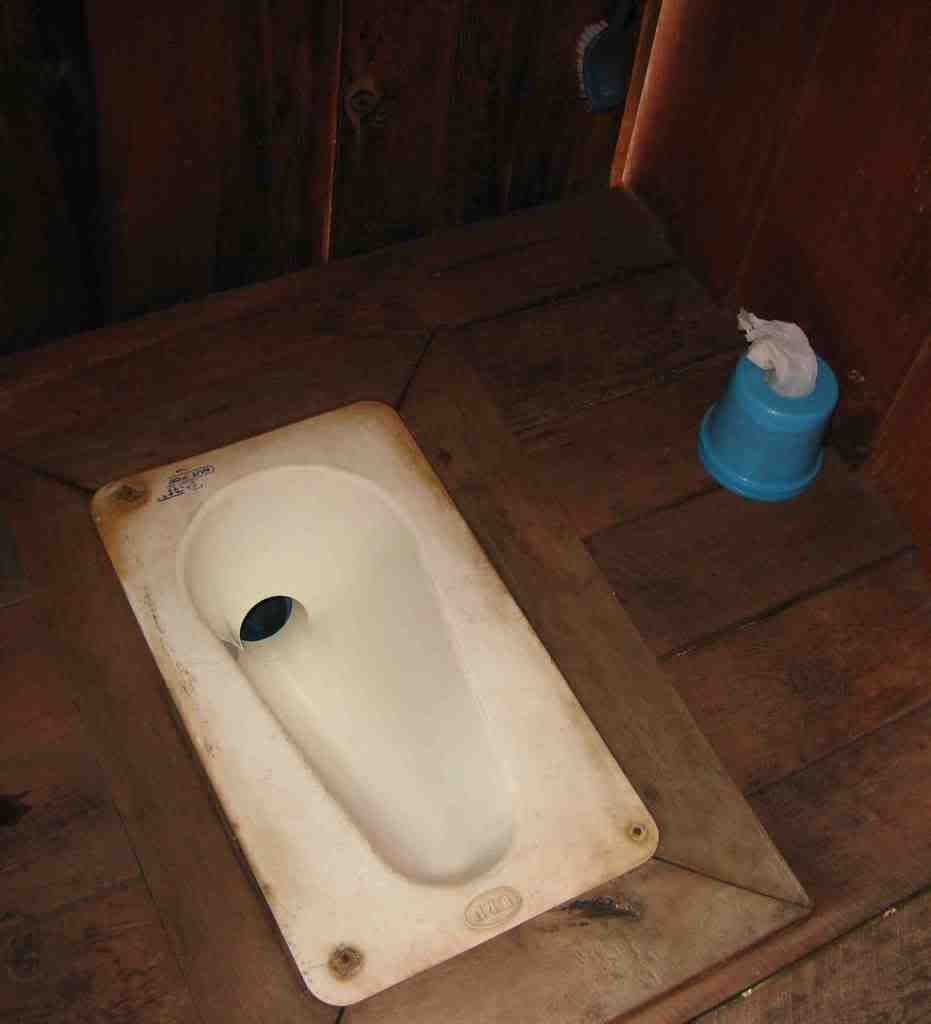
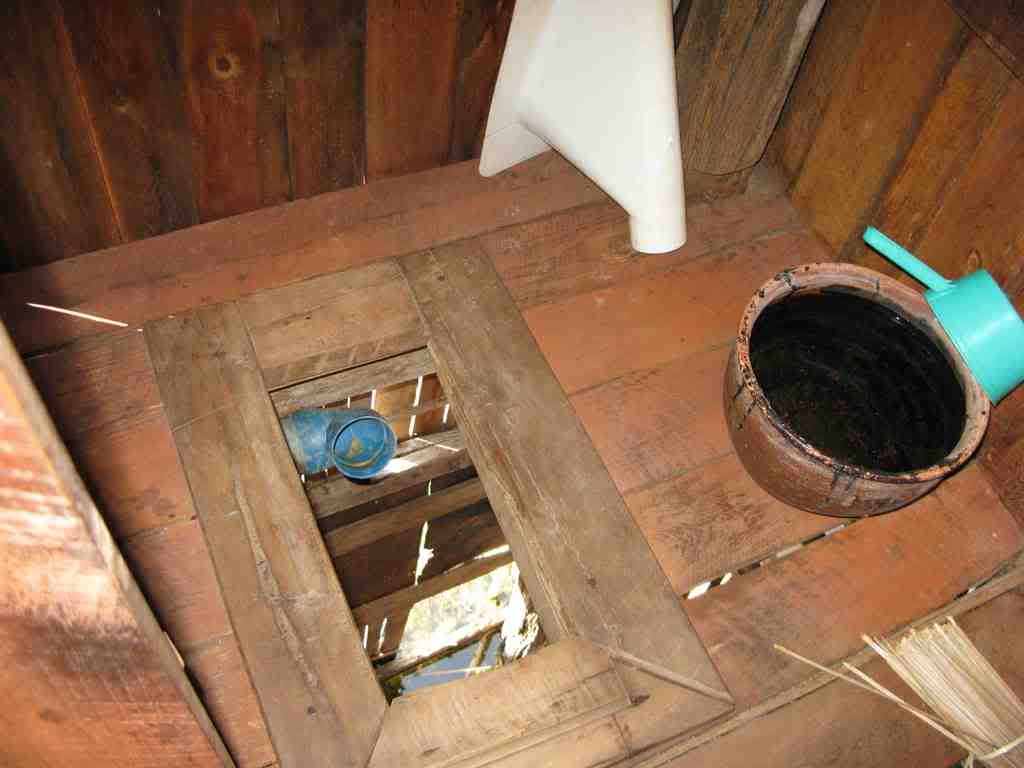
When we visited Myanmar (SouthEast Asia) last January, we had a chance to see for ourselves what constitutes a proper toilet for the more fortunate residents of Inle Lake's floating villages.


A typical toilet cubicle (the thatched wall portion) of an Inle Lake floating village home


A typical toilet


Toilet cubicle ready for installation of toilet. Human waste drops directly into Inle Lake.


Why is this important? Because Inle Lake villagers wash their clothes, their cooking utensils and themselves in the lake. They use lake water for their crops; they net shrimp, which are sun-dried and eaten without cooking; they fish for several days at a time, living on their fishing boats and drinking the untreated lake water. 

Is it any wonder that cholera is endemic in Myanmar and in many other parts of Asia and Africa? Here are some recent examples of the severity of the situation.

Iraq
According to the WHO, the Iraqi government had reported 341 lab-confirmed cases of cholera – and five deaths from the disease – as of September 28th. The current outbreak, which began in August, had spread to nine provinces in a little over a month. The outbreak has since grown to 417 cases, and one more person has died.

India
As flood waters receded, Vibrio cholerae rushed in to fill the void. The Municipal Corporation of Delhi reported 136 cases of cholera in September. And eleven villages in and around Gujarat have also been hard hit, although no specific numbers have been released.

Pakistan
The Swat region of Pakistan, a mountainous area in the north-west of the country near the border with Afghanistan, has reported at least 600 suspect cases of cholera. Two children in the town of Saidu Sharif have died after being hospitalized with symptoms of the disease. The outbreak began two weeks after insurgents blew up destroyed a pipeline grid station that controlled the flow of potable water to villages in the region.

Hong Kong
The Centre for Health Protection reported Hong Kong's fourth confirmed case of cholera for 2008. A 10-year old tourist became ill before arriving in Hong Kong. He has been hospitalized and is reported to be in stable condition.

Indonesia
The Papua region continues to suffer from a cholera epidemic, which has claimed an estimated 200 lives so far this year. Medecins du Monde, a non-governmental organization, reports having treated at least 800 cases of cholera in remote areas of Papua.

Guinea-Bissau
In spite of the best efforts of the World Health Organization to help contain the outbreak, this African country has been fighting a losing battle against a cholera epidemic that has been on-going since May. As of the end of September, the death toll stood at 141 victims, and 7,777 cases of the disease have been reported.

Nigeria
Cholera has been blamed for 21 deaths in Sokoto State. Zamfara State also has been hit with an outbreak, and is reporting at least 100 illnesses and 18 deaths from cholera.

Congo
A refugee camp is at the center of a cholera outbreak that has sickened at least 300 Congolese, and killed 37 of them. The camps were set up to house people who were fleeing from fighting in the eastern part of the country.


In addition to these examples, cases of cholera – some confirmed, some only suspected – have been reported recently in Kenya (at least 30 cases), Uganda (482 cases, 32 deaths), and Ghana. Zimbabweans are on tenterhooks, waiting for the next outbreak and hoping that it will not materialize. 

And knowing that it will.


Allergy Alert: McCormick Recalls Enchilada Sauce Mix

FDA is advising consumers that McCormick & Company has recalled one production batch of McCormick Enchilada Sauce Mix (UPC 52100091600) due to the presence of an undeclared ingredient. The product contains a milk ingredient that was not listed on the packaging.

The recalled sauce mix is packaged in 1.5-ounce pouches, labeled with a "best by" date of AUG2910CH. It was distributed to grocery stores across the United States beginning on September 17th.

Individuals who are allergic to milk may experience a serious – possibly life-threatening – allergic reaction shortly after consuming this product. Fortunately, no illnesses or allergic reactions have been reported so far. 

Store managers have been asked to remove the recalled item from their shelves, and consumers are requested to return any unused pouches to the store for a full refund.

For additional information on this recall, consumers can contact McCormick toll-free at: 1-800-632-5847.


Sunday, October 5, 2008

Credit Default Swaps ... OR ... How I Made a Killing!!

Guest Article by Michael P. Entis
First posted September 30, 2008

While visiting Toronto a few weeks ago, I discovered a well-aged package of Maple Leaf pastrami at a local supermarket. Suddenly, I was seized with a wonderful idea. Speculating that I might have come across a “perfect” sample of the product, I bought it and smuggled it back into the U.S.

A few days later, I had the chance to visit eFoodAlert. Sure enough, my sample of Maple Leaf Pastrami was staring back at me from the list of recalled production lots.

It was time to put my plan into action.

Amazingly, I was able to buy online a life insurance policy on my Connecticut aunt without her even knowing about it.

A few days later, I invited Auntie to visit. For her first lunch, I served cold cuts. She went home a couple of days later none the worse for wear.

The plan incubated beyond my expectations. Auntie was hospitalized seven days later with acute symptoms of listeriosis.

It was such a lovely well-attended funeral. I even wore my new double-breasted blazer for the occasion.

Immediately following my return home, I contacted the insurance company, presented them with a copy of Auntie’s death certificate and very shortly thereafter, I collected the $100,000 prize for my resourcefulness.

Okay, I lied!

Auntie is still alive and kicking in Connecticut. However, read the above story again. Replace “Auntie” with “Lehman Brothers 6% Senior Notes due 2010” and let’s give the insurance company a name ... AIG. You’re now reading about the life and death of a Credit Default Swap.

My latest issue of BusinessWeek magazine has an interesting article on the subject of Credit Default Swaps. While the article principally addresses the subject of Credit Default Swaps (“CDS”) in one’s mutual fund, what truly floored me were a couple of figures in the article.

But, before we get to that, let’s talk a little bit about why CDS exist at all. Let’s say that you’re running a mutual fund and you own those Lehman Brothers 6% Senior Notes. You read the Wall Street Journal and you watch CNBC on a regular basis. Lehman Brothers keeps getting into the news and it’s not altogether pleasant reading. So, while Lehman Brothers still enjoys an investment grade credit rating, you decide to protect that investment with insurance.

You contact AIG and tell them that you’re holding $10 million of Lehman Brothers 6% Notes due in 2010. You ask AIG to give you a quote on what it would cost to protect that $10 million investment in Lehman Brothers. AIG comes back to you a day later and says that it will cost you 1% of your $10 million Lehman Brothers investment each year for the insurance. This means that your rate of return on the Lehman investment will drop to 5%. But, it also means that you have protected your principal investment. If your mutual fund is a money market fund, you’ve just protected the fund from dropping below $1.00 per share. You say “yes” to AIG’s offer.

You now own a Credit Default Swap or CDS and you have protected your mutual fund investors with insurance from AIG, a highly rated (and now government owned) insurance company.

Now, back to those two figures in the BusinessWeek article. (Please don’t be intimidated by the word “trillion”. It’s simply a billion multiplied by 1,000.)

American corporations currently have about $6 trillion in outstanding debt. While that’s a humongous number by itself, I was totally blown away by the article’s statement that there is now $58 trillion of Credit Default Swaps outstanding. That’s almost ten times the amount of corporate debt outstanding. The holders of $52 trillion of Credit Default Swaps don’t even own any of the debt for which they have acquired insurance policies.

Why have they bought this insurance on debt that they don’t even own? Why are they so agreeable to paying for this insurance?

Here’s the clincher. These gamblers are betting that the corporate debt underlying the Credit Default Swaps that they own will go bad. It’s the same thing as my buying insurance on my Auntie (who I don’t own).

Now, we get to the really bad stuff. These gamblers, who bought Credit Default Swaps on debt investments that they don’t even own, have a powerful interest in seeing the debt-laden corporations go bad. Otherwise, they can't collect from the insurance companies on their investment in those “naked” Credit Default Swaps.

These gamblers, some of whom are unregulated hedge funds here in the United States, will do anything to drive those debt-laden corporations into bankruptcy, including the spreading of false rumors or simply making public statements which cause a debt-laden corporation to have to make public statements about how solid it is. Does this all sound familiar?

The United States Congress is currently squabbling over a $700 billion “rescue” of the American financial system. At the same time, we are encouraged to ignore the highly toxic fact that we have allowed the United States government to permit the growth of a $52 trillion unregulated hedge fund virus that is energized to destroy us in the name of greed.

The China Syndrome: Cadbury Hit By Bullet After All

We reported on September 30th that Cadbury appeared to have dodged a bullet. Readers may recall that the company withdrew from retail sale eleven products manufactured in its Beijing facility after preliminary tests indicated the possibility of melamine contamination. 

At the time, we praised Cadbury's ethical response to the preliminary test results, and also reported that Hong Kong's Centre for Food Safety had not confirmed melamine in the chocolates. But that was then.

Sadly, Cadbury's sense of corporate responsibility has not been rewarded with a completely clean report. The Centre for Food Safety has detected melamine in two Cadbury chocolate samples. CFS has tested six other Cadbury products, with satisfactory results. The two melamine-positive items are:

  • Cadbury Dairy Milk Cookies Chocolate Bulk Pack (5 Kg); expiry date of November 2, 2009
  • Cadbury Dairy Milk Hazelnut Chocolate Bulk Pack (5 Kg); expiry date of January 23, 2010

The two items contained melamine at levels of 6.9 ppm and 56 ppm, respectively. They are among the eleven products identified in Cadbury's initial announcement of product withdrawals.

Chocolate products from the Beijing facility are distributed in the following countries. All of these products were withdrawn from sale by Cadbury at the end of September.


China, Taiwan and Hong Kong
  • Dark Chocettes 45g
  • Dark Chocettes Box 80g
  • Cadbury Dairy Milk 150g Pumpkin
  • Premium Dark Block 40g
  • Cadbury Dairy Milk 6g (5kg bulk)
  • 5kg Bulk Cadbury Dark Chocolate 6g (5kg bulk)
  • 5kg Bulk Cadbury Hazelnut Chocolate 6 g (5kg bulk)
  • 5 kg Bulk Cadbury Cookie Chocolate 6 g (5kg bulk)
  • Cadbury Hazelnut Praline Chocolate 321g (Yr08 Chinese New Year Gifting Item)
  • Cadbury Dairy Milk Gifting 300g (Yr08 Chinese New Year gifting item)
  • Cadbury Éclair 180g bag

Australia , Nauru, and Christmas Island
  • Cadbury Éclair 180g bag

According to Food Standards Australia, the Cadbury Eclairs will remain off the retail market pending the results of melamine tests being carried out by the Australian government.


Norovirus: Coast to Coast and Across the Ponds

Often categorized as a denizen of day care facilities, cruise ships and hotels, Norovirus has been working hard this year to remind us that it can disrupt lives wherever groups of people live, work or play.

Norovirus is a highly infectious virus, with a short incubation period and long staying power after a person's symptoms have disappeared. It is a gastrointestinal virus, causing a sudden onset of nausea, vomiting and diarrhea. The illness is self-limiting, with acute symptoms lasting 1-5 days. But a recovering victim can continue to carry shed infectious virus particles in the stool for a month or more.

One of Norovirus' strengths is its ability to survive in an infectious state on dry surfaces for prolonged periods of time. Bathroom fixtures, stair rails, eating utensils – all items subject to contamination by a symptomatic victim – are just a few places where Norovirus may lie in wait to infect an unsuspecting target. 

Recently, Norovirus outbreaks have been in the news in the United States, Australia, New Zealand, and the United Kingdom. The virus struck the campus of Georgetown University (Washington, DC) last week, sickening more than 170 students. And it is also the prime suspect in an outbreak of gastroenteritis that felled 30 or more students at the University of Southern California within the last few days.

As inconvenient and uncomfortable as those outbreaks were for the students, the illnesses were not life-threatening. Norovirus has caused more serious disruptions in the last couple of months by infecting patients and staff of hospitals and nursing homes in the UK, Australia and New Zealand.

New Zealand
Dunedin Hospital in New Zealand struggled to contain an outbreak of Norovirus last August, which began in one ward and ended in the hospital suspending scheduled surgery and closing its doors temporarily to visitors and to new admissions.  By the time the three-week long outbreak was over, 170 hospital patients and staff members had been infected, 2,300 out-patient appointments and procedures had been cancelled or rescheduled, and opposition members of Parliament were calling for an investigation into the hospital's handling of the outbreak.

Not content with wrecking havoc in a hospital, Norovirus also hit a New Zealand rest home – Leighton House Rest Home, in Gisborne – early in September. Eleven residents of the home suffered classic symptoms, including vomiting and diarrhea. The outbreak was contained quickly, after staff instituted a virtual lock-down routine. Patients were confined to their rooms, and all visitors were prohibited. 

Australia
Sydney, and its surrounding areas, suffered a series of norovirus outbreaks beginning in July.  During August, more than 30 rest homes, hospitals, child care centers and nursing homes were forced into lock-down to contain the outbreaks. The experience at the Mayflower Aged Care Facility in Westmead illustrates the difficulties that the staff of these facilities must confront. The rest home declared a lock-down on a Thursday, after 18 residents fell ill. By the next day, the number of cases of acute gastroenteritis had risen to 48 – just shy of one-third of the 146 residents of the Mayflower. 

During the Australian winter months of July - September, several additional institutions faced the same problem:

The Holbrook outbreak began at the end of September. There's no reason to believe that it will be the last one of the year.

United Kingdom
The UK also has experienced its share of Norovirus outbreaks this year. Here are just a couple of examples:


Regardless of the venue of an outbreak, its scope or its severity, there are only a few reliable ways to cope with Norovirus.

  • Contain the spread of an outbreak by preventing healthy individuals from coming into contact with the acutely ill victims.
  • Confine individuals with active symptoms to their homes or rooms. Encourage sick workers to stay at home.
  • Clean and disinfect all clothing, bedding, utensils, surfaces and other items that may have become contaminated as a result of vomiting or diarrhea.
  • Conscienciously practice good personal hygiene habits at all times, including frequent and thorough hand-washing, especially when caring for a person who is suffering from symptoms of Norovirus.

By paying attention to these simple principles, we can all do our part to reduce the incidence and spread of Norovirus outbreaks.

Saturday, October 4, 2008

Salmonella Outbreak Grows - Still No Recall In Sight

Updated 6:00 pm, October 4, 2008

The USDA issued a Public Health Alert last night, advising consumers that "... there is an association between products such as chicken cordon blue and chicken breast kiev and 32 illnesses in Minnesota and 11 other states." The Alert does not identify the manufacturer or brand of chicken entrées.

This alert follows Minnesota's announcement yesterday that 14 residents of the state had been infected with Salmonella, and that the outbreak strain was isolated both from the victims and from samples of chicken cordon bleu and chicken kiev obtained from patients' homes and from grocery stores.

The outbreak has been traced to specific production batches of Milford Valley Farms brand raw, frozen, breaded and pre-browned stuffed chicken entrées, produced in USDA Est. P-2375. The specific items mentioned in the Minnesota news release are:

  • Chicken Cordon Bleu: Code dates C8121, C126, C8133
  • Chicken Kiev: Code date C149

There has not been – nor will there be – a recall of these items, unless the manufacturer decides to initiate one voluntarily. As far as USDA is concerned, Salmonella is not an adulterant in raw poultry. Therefore, the agency will not request a recall. As far as USDA is concerned, it's up to the consumer to cook the entrée correctly.

According to the USDA Public Health Alert, most of the illnesses occurred as a result of consumers having cooked the entrées in a microwave, even though the package directions did not include a microwave cooking option. 

Minnesota has not mentioned the specific serotype of Salmonella that has sickened 14 residents of that state. But we've learned from a reliable source that the chicken outbreak is due to a subtype of Salmonella Typhimurium.

What will it take for the company to initiate a recall of its contaminated – not adulterated – entrées? We don't know, but let's hope that the threshold is lower than the 272 cases that triggered a recall of ConAgra's pot pies one year ago.

Latest Lettuce Outbreak Sprouts Wings - Enters Canada

The same strain of E. coli O157:H7 that has sickened 34 people in Michigan, at least six people in Illinois, and one or more people in each of New York, Oregon and Ohio, has crossed the international border and entered Canada.

The Canadian Food Inspection Agency has determined that the same bagged lettuce from Aunt Mid's Produce Co. that has been implicated in the US outbreak was imported into Canada and distributed to institutions and food service operations in Ontario. Two Ontario residents have fallen ill as a result of infection with the same strain of E. coli O157:H7 that caused the US outbreak.

Some of the imported lettuce was served to patients in the Windsor Regional Hospital (across the river from Detroit). Eight of the patients have shown symptoms of gastrointestinal infection and are being tested for E. coli O157:H7. It's unclear whether the two confirmed Canadian cases are among the eight from the Windsor hospital.

The hospital's president complained in an interview with the Canadian Broadcasting Corporation that federal officials had been slow to warn him about the contaminated lettuce. He pointed out that the Michigan Department of Community Health issued a warning linking the outbreak in that state to Aunt Mid's lettuce on September 26th. The hospital was only alerted to the potential problem by CFIA on October 1st.

But CFIA claims that it was advised of the US outbreak by the Public Health Agency of Canada only at noon on September 30th, and proceeded immediately to investigate the distribution chain of the imported lettuce. The agency says that it alerted the hospital staff as soon as it realized that the lettuce had been supplied to Windsor Regional.

Meanwhile, Aunt Mid's continues to protest its innocence with great vigor. A notice on the company's web site, dated October 1, 2008, says that the company has "... freely and graciously extended to the various departments of the State of Michigan access to its processing facility and has provided additional product samples, for testing by those departments." The notice also states categorically that "NO AUNT MID'S PRODUCTS HAVE BEEN FOUND TO BE CONTAMINATED." Nevertheless, the results of epidemiological investigations seem to be pointing a increasingly sharper finger at this Detroit-based produce distributor.

One thing that is still unclear, at least based on the information that has been made public, is where else this lettuce might have travelled. We can't help noticing the coincidence of a cluster of eight E. coli O157:H7 illnesses under investigation in Boulder County, Colorado. Some students at the University of Colorado at Boulder are part of that outbreak, although there is no indication of campus food service operations being the source. And an unlicensed day care facility in Aurora, CO also has experienced a cluster of six illnesses due to E. coli O157:H7. One of those children – a three year old boy – died as a result of his infection.

There has been no indication, either in the media or on the Colorado Department of Health web site, that these illness clusters are related to the outbreak in Michigan, Illinois, et cetera. Perhaps the timing is coincidental.

One thing, though is certain. The longer the trace-back investigation to determine the source of the contaminated lettuce drags on, the greater the likelihood that more people will become infected – at least until the shelf life of the bagged lettuce expires.

Friday, October 3, 2008

Salmonella Sickens Fourteen – "No Recall is Required"

The Minnesota Department of Health reported today that 14 cases of salmonellosis in the state have been traced to raw, frozen, breaded and pre-browned, stuffed chicken entrées. 

At least fourteen people in the state – adults and children – have become infected with the same strain of Salmonella since July. Six were hospitalized. The outbreak strain was also found in four packages of chicken entrées obtained from some of the patients' homes and from grocery stores.

The contaminated entrées – Chicken Cordon Bleu and Chicken Kiev – are products of  Milford Valley Farms, (USDA Est. P-2375), and are sold in supermarkets and grocery store chains. 

The implicated products are:

  • Chicken Cordon Bleu: Code dates C8121, C126, C8133
  • Chicken Kiev: Code date C149

This is the sixth time that Minnesota has experienced a Salmonella outbreak that was ultimately traced back to a raw poultry entrée in the last 10 years. One year ago, ConAgra (Marshall, MO) recalled "an undetermined amount" – all of its outstanding production  – of pot pies after they were implicated in a multi-state Salmonella outbreak. 

But there will be no recall as a result of this outbreak. As far as USDA regulations are concerned, raw poultry entrées that are contaminated with Salmonella are NOT adulterated and, therefore, are not subject to recall.

Last March, USDA issued a public health alert after two illnesses were traced by the state of Minnesota to raw, stuffed chicken entrées produced by Serenade Foods of Milford, Indiana. The entrées, which included Milford Valley Farms brand, were never recalled. Those entrées were produced in the same facility (USDA Est. P-2375) as the two items that are behind the most recent Salmonella outbreak.

Entrées that are pre-browned and ready to pop into the oven can give consumers a false sense of safety. They appear already cooked on the outside. As a result, consumers may think that a simple "reheating" is all that is necessary, regardless of the instructions on the outside of the package. Sometimes, as was the case in the ConAgra pot pie outbreak, the package instructions don't always result in thorough cooking, even when they are followed to the letter.

It is essential that any chicken dish – either home-made or a purchased entrée – be cooked to an internal temperature of 165ºF to ensure the destruction of any Salmonella that may be present. One cannot rely on cooking time. One cannot rely on the color or clarity of the meat or the juices.

Only your thermometer – and your gut – knows for sure.

The China Syndrome: FDA Recalls Lanmao

Tristar Food (Jersey City, NJ) has recalled all 100 mL sized plastic bottles of Blue Cat Flavor Drink (Lanmao). The recall was initiated after FDA detected melamine in a sample of the product.

Tristar describes the recalled beverages as follows:

  • Strawberry, with red strawberry picture on the bottle.
  • Sweet Orange, with orange picture on the bottle
  • Pineapple, with green pineapple picture on the bottle
  • Peach, with pink peach picture on the bottle

All four flavors are sold in 100 mL plastic bottles imprinted with a best before date. The front of the bottle carries the words "blue cat" in Chinese, while the back of the bottle shows a logo of a blue cat.


The China Syndrome: UK Recalls White Rabbit Candy

The UK Food Standards Agency announced today that it had found White Rabbit Creamy Candy on sale in the UK and had ordered the candies withdrawn from sale and destroyed. The candies are sold in Chinese supermarkets and other independent stores throughout the country.

The government took this action because several batches of these made-in-China candies have been found to contain significant quantities of melamine.

FSA advises that the following candies are subject to recall and destruction and should not be consumed.

  • White Rabbit Creamy Candies (227g) – Best before date: 20 January 2010
  • White Rabbit Creamy Candies (227g) – Best before date: 20 May 2010
  • White Rabbit Creamy Candies (454g) – Best before date: 20 May 2010

White Rabbit candies already have been recalled in several countries and territories, including Canada, the United States, New Zealand, Australia, Hong Kong, Malaysia, Ireland, and Singapore.

Underprocessed Kidney Beans Recalled in UK

The UK Food Standards Agency has advised consumers that Dalepak Foods is recalling three kidney bean products due to underprocessing. The kidney beans may contain lectin, a naturally occurring chemical which can trigger classic symptoms of food poisoning – nausea, diarrhea and vomiting.

The recalled items are sold in several supermarket chains, and are described as follows:

At Iceland and Somerfield
Dalepak 4 Spicy Bean Quarter Pounders
Batch codes: 8203 & 8204

Best before: End Jan 2010
Pack size: 454g

At Morrisons & Co-operative Group
Grassington’s 4 Spicy Bean Burgers
Best before: End Dec 2009, Batch codes: 8174, 8175
Best Before: End Jan 2010, Batch codes: 8196, 8197, 8211, 8212.
Pack size: 454g

At Tesco
Tesco Meat Free 4 Mexican Style Bean Burgers
Best before: July 2009
Display until: APR 2009
Pack size: 454g

Dalepak requests that consumers return the products for a full refund.

Allergy Alert: UK Announces Jam Recall

The UK Food Standards Agency advised consumers today that Forest Products UK Ltd. has recalled two of its apricot jams due to the presence of undeclared sulfur dioxide.

The recalled items are:

  • The Cherry Tree Apricot Extra Jam (340g): Best before June 2011; Batch code 8174 CK015
  • West Country Preserving Company Finest Apricot Extra Jam (340g): Best before October 2010; Batch code 7296 CN115

Individuals who are sensitive to sulfites may suffer a severe allergic reaction upon eating these products. The company has withdrawn both items from sale, and is encouraging anyone who purchased one of the jams to return it to the store for a full refund.

Mars Announces Closure of Pet Food Plant

The Everson, PA pet food plant that was the source of an outbreak of Salmonella Schwarzengrund in 2007 has shut down permanently, according to an article in the Pittsburgh Post-Gazette.

Mars Petcare has informed the Pennsylvania Department of Labor and Industry that the company will be laying off 53 workers by the end of the year as a result of the decision to close the plant.

The Everson facility produced Pedigree dog foods, as well as a number of store brands, including Ol' Roy, Wegman's and Red Flannel. Mars Petcare recalled the entire 2008 year-to-date production from this plant in September, after two new cases of Salmonella Schwarzengrund were reported, and the same strain of the bacterium was found in the plant environment.

The company had suspended production at the Everson plant in July, after receiving reports of the new Salmonella Schwarzengrund illnesses. A Mars Petcare spokesperson explained that the company decided it was best to close the plant permanently once management realized that the source of the recurring Salmonella Schwarzengrund contamination could not be traced.


Allergy Alert: Salad Dressing Recalled in Canada

E.D. Smith Foods, Ltd. (Winona, ON) has recalled a single production lot of Western Family Light Creamy Caesar dressing because it contains an undeclared ingredient – fish.

The recalled salad dressing is sold in 475mL containers, labeled with UPC 0 62639 23175 0 and a "Best Before" date of 09 JN 03. The product was distributed in Ontario and Western Canada.

There have been no illnesses linked to this product, but individuals who are allergic to fish may suffer a severe – even life-threatening – reaction upon consuming the recalled salad dressing.

For more information on the recall, consumers can contact E.D. Smith directly at 1-800-263- 9246

Thursday, October 2, 2008

The China Syndrome: UK Recalls Koala Biscuits

The UK Food Standards Agency has advised consumers that four flavors of Koala brand biscuits manufactured by Lotte China Foods Co. have been withdrawn from sale throughout the UK.

The recall was triggered by a finding of 4.98 ppm of melamine in the biscuits. All batch codes of the following varieties are covered by this recall notice.

  • Koala Chocolate Cookies 49g
  • Koala Strawberry Cookies 49g
  • Koala Yummie Cookies Chestnut 49g
  • Koala Melon Cookies 49g

The Koala brand cookies were distributed through Chinese food markets and other independent retailers. Local authorities are monitoring the recall and destruction of the items.

This is the most recent in a series of international recalls of Koala brand cookies as a result of melamine contamination. Canada and Hong Kong are among the jurisdictions that have announced recalls of Koala brand cookies made in China. The United States hasn't yet issued a recall notice, but look for one in the next few days. Koala brand biscuits are available in retail stores in the US, and also can be purchased over the Internet.


The China Syndrome: Ontario Importer Recalls Chinese Pretzels

Dai Jung Distributing (Scarborough, ON) has recalled two varieties of OK OK Kaiser brand pretzels after the Canadian Food Inspection Agency detected melamine in the products.

The recalled items, which were distributed only in Ontario, are:

  • Kaiser Strawberry Dressing Pretzel; UPC 4 710757 036608, approx. 40g
  • Kaiser Choco Dressing Pretzel; UPC 4 710757 036301, 50g

These products do not carry any batch codes or date codes.

CFIA has not indicated the level of melamine that it detected in the pretzels, but states that the health risk is low. This is the first reported detection of melamine in OK OK Kaiser brand pretzels by any regulatory agency. 

Allergy Alert: Sulfites in Bamboo Shoots

Lion Pavilion Ltd. (Brooklyn, NY) has recalled its Yulanpian brand Dried Slices of Tender Bamboo Shoots after undeclared sulfites were found in a sample of the product.

The recalled batch of bamboo shoots, a product of China, is sold in 230-gram clear plastic packages sporting the code 2008.1.3, and was distributed nationally in the United States.

The presence of sulfites was discovered by the New York State Department of Agriculture and Markets as part of the state's routine sampling program.

Individuals who are allergic to sulfites should avoid consuming this product, as they could experience a severe, possibly life-threatening reaction to the undeclared ingredient.

Consumers who purchased the recalled product should return it to the store for a full refund. For more information on the recall, contact the Lion Pavilion directly at (718) 384-6951.

Wednesday, October 1, 2008

The China Syndrome: US Importer Recalls Mr. Brown Coffee

Sunny Maid Corp. (Monterey Park, CA) has initiated a recall of Mr. Brown powdered coffee mixes. The recalled products are made in China and may contain melamine.

The following three Mr. Brown products were imported into the United States by Sunny Maid. The coffees are sold in plastic bags, 30 packets per bag. Mr. Brown coffees sold in cans are not part of the recall. All date codes of the following products are included in the recall notice.

  • Mr. Brown 3-in-1 POWDERED PACKETS IN BAG COFFEE MIX – Mandheling
  • Mr. Brown 3-in-1 POWDERED PACKETS IN BAG COFFEE MIX – Arabica
  • Mr. Brown 2-in-1 POWDERED PACKETS IN BAG COFFEE MIX – Mandheling

The coffee mixes were shipped to wholesale distributors and retail stores in the following states:

California, Florida, Georgia, Iowa, Indiana, Kansas, Kentucky, Massachusetts, Michigan, Minnesota, North Carolina, New Mexico, Nevada, Ohio, Pennsylvania, Rhode Island, Tennessee, Texas, Virginia, Washington and Wisconsin.

The recalled products may also have been sold in states not specifically mentioned in the recall notice. Consumers who have purchased any of the three Mr. Brown coffee products mentioned above should discard those products, even if they were purchased in a state that is not on the formal recall list.

We can expect the California Department of Public Health to provide residents of the state with a list of retail stores that sold the recalled items within the next few days. Unfortunately, no other state offers this public health service to its residents.


Turkey Burritos Recalled In Chicago

Updated October 1, 2008

Food Evolution (Schiller Park, IL) has recalled 16 pounds of turkey burrito wraps after USDA reported finding Listeria monocytogenes in a sample.

The 13-ounce individually wrapped burritos were produced on September 24 and were distributed to retailers and institutions in the Chicago area. The packages carry a USDA inspection seal indicating establishment number P-34309.

While no illnesses have been reported, it's especially concerning that some of the burritos were distributed to institutions. As the recent outbreaks in Canada have reminded all of us vividly, residents of institutions such as nursing homes, seniors' residences, hospitals and assisted living facilities are especially at risk of developing a serious – even life-threatening – illness as a result of becoming infected with Listeria monocytogenes.

USDA has posted a list of retail locations and institutions that received the recalled burrito wraps. These locations include Loyola University Medical Center in Maywood, IL and Saint Francis Hospital Resurrection in Evanston, IL. 

If you have purchased one of these burritos, please discard it or return it to the store. If you live in the Chicago area, have recently eaten a turkey burrito wrap, and begin to experience symptoms of listeriosis, please consult a medical practitioner immediately. 

For more information on this recall, please contact Bret Schultz of Food Evolution at (312) 671-2244.

The China Syndrome: US Recalls White Rabbit Candy

Updated October 1, 2008

FDA advised consumers yesterday evening that QFCO, Inc. (Burlingame, CA) has voluntarily recalled all flavors and package sizes of White Rabbit Candy, imported from China.

The candy can be identified by the presence of a white rabbit logo on the front, accompanied by the words "White Rabbit". Most flavors are sold in 7 oz. packages; the Creamy Candy is available in 8 oz. and 16 oz. package sizes.

The candy was sold through wholesale distributors to retailers in nine states: California, Georgia, Hawaii, Illinois, Minnesota, New York, Oregon, Texas and Washington.

The California Department of Public Health has posted a seven-page list of stores throughout California that carry the recalled candies. 

Consumer should note that the recalled candies are sold states other than the nine that are mentioned in the FDA recall notice. The Connecticut Department of Consumer Protection has found melamine-contaminated White Rabbit candies for sale – mainly in Asian food stores – in that state. And the North Dakota Department of Health is warning consumers that the White Rabbit candies – and Mr. Brown instant coffee and milk tea – have been found in ethnic markets in that state, even though North Dakota was not mentioned on the official distribution list released by FDA. NEW Oct 1st

White Rabbit candies have been recalled in a number of countries, after government labs in Singapore, Hong Kong and New Zealand found melamine in samples of the White Rabbit Creamy Candy. The Canadian government issued a recall notice on September 25th.

The China Syndrome: Canada Recalls Lotte Koala Cookies

As we predicted, the Canadian Food Inspection Agency is warning consumers not to eat Lotte brand March Koala cookies, due to possibility that they may contain melamine.

Hong Kong issued an alert on these made-in-China cookies over the weekend after detecting melamine in three samples.

Although Hong Kong only named three varieties of the cookies, Lotte U.S.A., Inc. has included all production codes of the following seven items in its recall.

  • Koala’s March Chestnut Cookies: 270 g (10 x 27 g), UPC 0 81900 08010 1
  • Koala’s March Strawberry Creme: 270 g (10 x 27 g), UPC 0 81900 08902 9
  • Koala’s March White Chocolate Creme: 270 g (10 x 27 g), UPC 0 81900 08911 1
  • Koala’s March Chocolate Creme: 270 g (10 x 27 g), UPC 0 81900 08001 9
  • Koala’s March Chocolate Creme: 50 g, UPC 0 81900 00901 0
  • Koala’s March Strawberry Creme: 50 g, UPC 0 81900 00907 2
  • Koala’s March White Chocolate Creme: 50 g, UPC 0 81900 00911 9

CFIA advises that these products may have been distributed nationally; the agency is working with the importers to have them removed from the marketplace. 

If you have purchased any of the above-listed items, either in a store or over the Internet, please discard them. Under no circumstances should they be offered to children. For answers to any questions about this recall, consumers can contact CFIA, toll-free, at 1-800-442-2343 between the hours of 8:00 am and 8:00 pm Eastern Time, Monday to Friday.