Thursday, September 25, 2008

New Recall; Different Company; Same Problem: Listeria monocytogenes

Hygaard Find Foods Ltd. (Sherwood Park, Alberta) has announced a voluntary recall of a series of prepackaged ready-to-eat sandwiches due to the possibility of contamination with Listeria monocytogenes, after the company detected the microbe in an environmental sample.

The following items are included in the recall notice:

  • Super Donair/Notre Donair Super (251g)
  • Mini Pizza Sub/Sous-Marin à la Pizza Mini (140g)
  • Little John Sub/Sous-Marin Petit Jean (387g)
  • Hoagie (238g)
  • Mini Hoagie Family Pack/Paquet Familial de Hoagie Mini (822g)
  • Mini Pizza Sub/Sous-Marin à la Pizza Mini (156g)
  • Mini Pizza Sub Family Pack/Paquet Familial de Mini Sous-Marin à la Pizza (798g)
  • Super Pizza Sub/Notre Sous-Marin à la Pizza Super (380g)
  • Lumberjack Sub/Sous-Marin Bucherin (312g)
  • Mini Sub/Sous-Marin Mini (133g)
  • Salt & Pepper Dry Ribs/Flanc de Porc Sechées Entierment Sel et Poivre (164g)
  • Super Sub/Notre Sous-Marin Super (165g)
  • Mini Ham Sub Family Pack/Paquet Familial de Mini Sous-Marin au Jambon (738g)
  • Philly Steak Sub/Sous-Marin au Philly Bifteck (219g)
  • Spicy Donair/Donair épicé (155g)
  • Sausage & Egg Muffin/Muffin avec Saucisse et Oeuf (165g)

All of the above-listed items that are identified with Best Before dates of Oct 24 - Nov 16, inclusive are part of the recall. The products were distributed across Canada, except for New Brunswick and Prince Edward Island.

This is the second major precautionary recall of prepared sandwiches by a Canadian manufacturer in less that a week. Last Friday, Smith's Snack Service Ltd. (Norman Cove, NL) recalled its entire outstanding production inventory after CFIA detected Listeria monocytogenes. It doesn't take much stretching of the imagination to deduce that CFIA has instituted a heightened surveillance of all deli meat and ready-to-eat sandwich producers across Canada.

Hygaard uses modified atmosphere packaging technology to extend the shelf life of its packaged sandwiches to 35 days. Their packaging system injects carbon dioxide gas into the packaging to suppress the growth of spoilage bacteria. Unfortunately, Listeria monocytogenes thrives on reduced oxygen/increased carbon dioxide atmospheres. And, unlike many other food-borne pathogens, it multiplies at normal refrigerator temperatures.

As usual, the recall notice does not indicate which grocery chains or convenience stores carry the recalled Hygaard sandwiches. Consumers who want more information can contact CFIA at 1-800-442-2342 during normal business hours.

Wednesday, September 24, 2008

Listeria in Canada: Touring the Provinces

The Public Health Agency of Canada has confirmed that – as of 4:00 pm today – 48 cases of listeriosis nation-wide are linked to contaminated meat from Maple Leaf's Bartor Road production facility. Another 10 cases are still under investigation. 

Eighteen deaths have been reported for which the outbreak strain of Listeria monocytogenes was the underlying or contributing cause. Three other deaths have been reported in which the outbreak strain did not contribute to the death of the victims. An additional five deaths are still being investigated.

This Listeria monocytogenes outbreak is unprecedented in Canada both in the severity of the illnesses and the geographic distribution of the contaminated food. Here's a breakdown of the outbreak by province, traveling from east to west.

Newfoundland and Labrador
No confirmed or suspect cases of listeriosis.  Last week, Smith's Snacks announced a recall of 31  prepared, ready-to-eat sandwiches and deli meats after CFIA found Listeria monocytogenes for the third time. No illnesses were associated with the recall, and there was no indication that the strain of Listeria monocytogenes was the same as the Maple Leaf outbreak strain.

Nova Scotia
No confirmed or suspect cases of listeriosis associated with the outbreak.

Prince Edward Island
No confirmed or suspect cases of listeriosis associated with the outbreak.

New Brunswick
One fatal confirmed case has been linked to the outbreak. A second case of listeriosis has just been diagnosed. The elderly victim lives in a private residence and was hospitalized as a result of the illness. The strain of Listeria monocytogenes recovered from the patient has been submitted to PHAC's national laboratory for genetic fingerprinting.

Québec
This province had the dubious distinction of coping with a province wide outbreak of Listeria monocytogenes that was simultaneous with, but totally independent from, the national outbreak. Québec reported two confirmed cases associated with the national outbreak strain, including one fatality for which the Listeria monocytogenes infection was not the underlying cause of death. There is also one suspect case still under investigation.

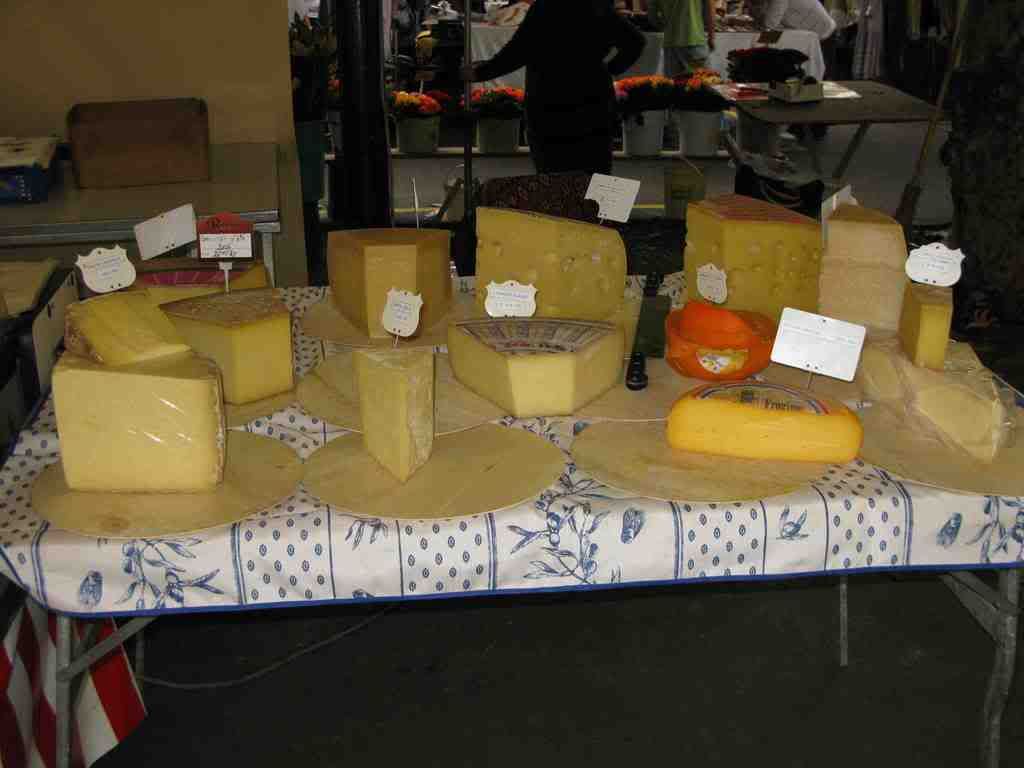
Separately, Québec has reported 30 confirmed cases of listeriosis that have been linked to contaminated cheeses that were manufactured and sold in the province. One of the victims of that outbreak died, and one infant was stillborn. Four of the victims were newborns who were infected in their mothers' wombs, and survived.

Ontario
By far the hardest hit of the provinces, Ontario has experienced 36 confirmed cases, with 7 more cases still under investigation. There were twenty deaths among the confirmed cases; in 14 of them, listeriosis was an underlying or contributing cause of death. There were 6 deaths for which a specific cause was not determined.

Manitoba
This province has experienced five cases of listeriosis so far in 2008. Just one of those cases, reported in August, was caused by the outbreak strain of Listeria monocytogenes. Earlier in September, an infant died from listeriosis. But this infection was caused by a different strain. A new case of listeriosis has just been reported in the Winnipeg area. Lab tests are in progress to determine whether the victim, a woman in her 50's with an underlying medical condition, has been infected by the Maple Leaf outbreak strain.

Saskatchewan
Saskatchewan reported one confirmed case and one death. The death was not directly attributed to the outbreak strain of Listeria monocytogenes.

Alberta
This province has experienced two confirmed cases and one death. The death was attributed to infection by the outbreak strain of Listeria monocytogenes.

British Columbia
This western-most province has reported five confirmed cases of listeriosis linked to the outbreak; a sixth case is under investigation. All five confirmed victims had already-existing medical conditions that might have contributed to their susceptibility to serious illness. The outbreak strain of Listeria monocytogenes was an underlying or contributing cause of two deaths.

Allergy Alert: Mom's Foods and Fine Land Corp. – USA

FDA has announced two separate recalls today due to the presence of undeclared allergens in certain foods.

Mom's Food Products, Inc. (Ft Worth, TX): Mom's has recalled all Tuna Salad sandwiches, Pimento Cheese sandwiches and potato salad, because the salad dressing may contain eggs. The salad dressing supplier made a change in the salad dressing ingredients without advising Mom's of the new formulation.

The following items have been recalled:
  • Mom's Pimento Spread 5.0 oz black wedge (UPC 83898 00114)
  • Race Trac Pimento Spread 5.0 oz black wedge (UPC 83898 00114)
  • Crosby Food & Vending Pimento Spread 5.0 oz black wedge (UPC 83898 00114)
  • Outtakes Pimento Spread 4.0 oz black wedge (No UPC)
  • Mom's Tuna Salad 5.0 oz black wedge (UPC 83898 00108)
  • Race Trac Tuna Salad 5.0 oz black wedge (UPC 83898 00108)
  • 2 Podner's Tuna Salad 5.0 oz Clam shell (UPC 83898 00108)
  • Canteen (Outtakes) Tuna Salad Croissant 4.5 oz Poly Sealed (No UPC)
  • Mom's Big Sub with 4.0 oz Potato Salad round opaque container (No UPC)

The recalled items were sold through retail stores and by direct delivery in Texas. Consumers who purchased the recalled products are encouraged to return them to the store for a full refund. For more information, contact Mom's Food Products toll-free at 1-800-743-0010.


Fine Land Corp. (Brooklyn, NY): Ying Feng Foodstuffs Brand Pumpkin Seeds have been recalled due to the presence of undeclared sulfites. The problem was detected during routine testing by New York State Department of Agriculture and Markets.

The recalled pumpkin seeds – a product of China – are sold nationally in 10 ounce, clear plastic packages, identified with the code EXP 03 25 2010. Consumers can contact the Fine Land at 718-714-1850 for more information on this recall.


Individuals who suffer from allergies to egg or sulfites may experience severe – even life-threatening – reactions after consuming a food item that contains the allergen to which they are sensitive. Fortunately, no illnesses have been reported in conjunction with either of these recalls.

Allergy Alert: Ready-To-Eat Seafood Meals – UK

The UK Food Standards Agency is advising consumers that two ready-to-eat seafood meals sold at ASDA stores and at some smaller retailers contain undeclared allergens – nuts and ghee (milk).

The recalled products, which have a Best Before date of September 2009 are:

  • Secrets of the Sea Prawns Pulao, 285g
  • Secrets of the Sea Prawns Biriyani, 285g
The manufacturer has advised FSA that it is relabeling the recalled meals and has sent point-of-sale notices to retailers.

Individuals who are sensitive to either of these allergens should not consume the seafood meals.

Tuesday, September 23, 2008

What's New at MSU?

State and county health officials are working with Michigan State University to trace the source of an outbreak of E. coli O157:H7 that has sickened at least seven students, and possibly as many as 23. 

As of today, the outbreak strain of E. coli O157:H7 was isolated from three of the students; genetic fingerprinting results are pending on four more. The remaining 16 cases are under investigation.

The outbreak began "officially" the week of September 8th, when 10 students reported experiencing symptoms of gastroenteritis. It appears to have run its course quickly. No new cases have been reported since September 13th.

In reaction to the outbreak, MSU has decided to suspend serving all cooked turkey products. While noting that turkey has not been determined to be the source of the outbreak, the university has declared it an "item of interest" – without specifying why that is so.

Investigators also have not ruled out the possibility that the source of the outbreak was a food handler. According to a report in the Lansing State Journal, one of the confirmed outbreak victims worked as a food handler. And another food handler is among the 16 cases still awaiting lab confirmation.

Today's MSU update suggested that the outbreak might be part of a larger problem. The campus outbreak strain matches a strain of E. coli O157:H7 that has been recovered from nine other people in the southern part of Michigan's Lower Peninsula, and from two individuals in another state. Federal officials are examining the possibility that all of these cases might linked to a common source.


The China Syndrome: Canada Recalls Non-Dairy Creamer

CFIA and Thai Indochine Trading Inc. have issued a recall notice for Mr. Brown 3-in-1 instant coffee products.

Three products, all sold in 450g packages containing 30 x 15-gram bags, have been recalled. The items were distributed in Alberta, British Columbia and Manitoba, and are described as follows:

  • Instant Coffee 3 in 1 Mandheling Blend Coffee: UPC 4 710085 122523; Produced 2008/04/09 to 2008/09/12 inclusive; Expiry 2010/04/09 to 2010/09/12 inclusive
  • Instant Coffee 3 in 1 Blue Mountain Blend Coffee: UPC 4 710085 200597; Produced 2008/04/09 to 2008/09/12 inclusive; Expiry 2010/04/09 to 2010/09/12 inclusive
  • Instant Coffee 3 in 1 Arabica Coffee: UPC 4 710085 122509; Produced 2008/04/09 to 2008/09/12 inclusive; Expiry 2010/04/09 to 2010/09/12 inclusive

The Taiwan government detected melamine in samples of these non-dairy creamers, and announced a recall of the items on the weekend. Thai Indochine, the Canadian importer, initiated this voluntary recall after being informed by the manufacturer of the Taiwan findings. No associated illnesses have been reported.

CFIA has issued an updated consumer advisory on the melamine situation, and is continuing to monitor the Canadian marketplace for other potential melamine-contaminated products.


Monday, September 22, 2008

The China Syndrome: Where Will It End?

Four Mainland Chinese babies are dead, and close to 53,000 other babies and toddlers have been diagnosed with kidney stones. Nearly one-quarter of them  are still in hospital – 104 in serious condition. The head of China's food safety watchdog agency has resigned. And that's not all.

Two Hong Kong youngsters – a three-year old girl and a four-year old boy – also have been diagnosed with kidney stones. Fortunately, neither child is in any danger of serious illness. 

Hong Kong has systematically been testing all dairy products in its local market that originated in mainland China, or that were made using ingredients from the mainland. And it has found several melamine-contaminated foods, including a milk-based dessert product that also was exported to Canada. Singapore has reported finding melamine in White Rabbit Creamy Candy, a popular Chinese sweet. And Taiwan has detected melamine in several products containing vegetable-based, non-dairy cream substitutes.

In addition to torpedoing China's attempts to repair its tarnished food safety reputation, this scandal threatens to damage the names of some multi-national companies; notably Nestlé and Fonterra –whose Chinese subsidiary, Sanlu, was the first dairy implicated in the melamine adulteration.

Fonterra has been accused of being slow to blow the whistle on its Chinese subsidiary. The New Zealand company learned about the melamine contamination in early August, but elected to try to work through the "system" rather than go public with its information. When Fonterra finally advised the New Zealand government of the melamine health risk in early September, New Zealand pressured Chinese authorities to initiate a public recall.

Hong Kong reported finding a low level of melamine (1.4 ppm) in a sample of Nestlé Dairy Farm Pure Milk, imported from mainland China. The Swiss multi-national responded to the finding by stating its confidence that no Nestlé products were made using melamine-contaminated milk.

The next can of worms to be opened will be the presence of melamine in vegetable proteins from China. Taiwan's report is just the leading edge of that typhoon.

Allergy Alert: Québec Recall of Prepared Meals

MAPAQ has issued an allergy alert and recall notice for a variety of cooked dishes sold under the name Les Coquineries, as the dishes contain one or more undeclared allergens, including milk, wheat, eggs, soy, sulfite and sesame.

The recall includes products available for sale up to and including September 19th, at Les Coquineries, 995 avenue Bergeron, Saint-Agapit, QC. Following is a translated list of recalled products, and the undeclared allergen(s) contained in each one:

  • Beef with Jamaica pepper: soy
  • Pork meatballs with cranberry: soy, wheat
  • Stuffed crepes: soy
  • Pork with teriyaki sauce: sesame
  • Pig's feet stew: soy, milk, wheat, eggs, sulfite
  • Pork meatball stew: sesame, wheat, soy
  • Green pepper sauce: soy, wheat, sesame
  • Pickled garlic sauce: soy, wheat, sesame
  • Pork cassoulet: soy, wheat, sesame
  • Pork and beans: soy, wheat, sesame
  • Pork terrine with chestnuts: soy, wheat, sesame
  • Spaghetti sauce with pork: soy, wheat, sesame
  • Pork terrine with hazelnuts: soy, wheat, sesame
  • Butcher's soup (soupe repas): soy, wheat, sesame

Individuals with allergies to one or more of the undeclared ingredients should avoid consuming these items. 

Australia Sliced Meat Recall: Listeria monocytogenes

Coles Group Ltd. has recalled a single production batch of Coles branded sliced chicken breast 2 x 50g in plastic twin packs due to the possible presence of Listeria monocytogenes. The recalled meat bears a Best Before date of 07/10/08.

The products were sold in Coles, BI-LO, and Pick 'n Pay stores in New South Wales, Victoria, South Australia and Queensland. Consumers should return the recalled merchandise to the store for a full refund.

Listeria monocytogenes causes mild flu-like or gastrointestinal symptoms in most of its victims. But the very young, the elderly, people with compromised immune defenses, and pregnant women are at heightened risk of serious – even life-threatening – disease. Listeria monocytogenes may trigger premature births and stillbirths, and can infect infants in the womb.

Anyone with questions about this recall can contact Coles at 1800 061 562.

The China Syndrome: Canada Recalls Imported Dessert

CFIA and Regent Long Marketing and Distribution Ltd. have announced that all date codes of Nissin Cha Cha Dessert sold in a 440g package (2 packs of 220g) bearing UPC 4 897878 550005 are potentially contaminated with melamine and are being recalled. The dessert is distributed in Ontario, Alberta and British Columbia.

The milk-based dessert was manufactured in Hong Kong using Yili Pure Milk, one of the milk products in which the Hong Kong Centre for Food Safety detected melamine.

The Centre for Food Safety issued a recall notice for this product in Hong Kong on September 19th. The Canadian action came after Regent – the Canadian importer – was advised of the recall by its supplier, Nissin Foods Company.

There have been no reported illnesses linked to this recalled product. Nevertheless, consumers who have purchased Nissin Cha Cha Dessert bearing the indicated UPC number should either discard the product or return it to the store for a refund.

Sunday, September 21, 2008

The China Syndrome: Is Nestlé Being Straight With Consumers?

Hong Kong's Centre for Food Safety has reported finding melamine in a sample of Nestlé Dairy Farm Pure Milk. The one-liter package, sold for use in catering, was found to contain 1.4 ppm melamine (1.4 mg of melamine per Kg). The melamine-contaminated milk was produced by Nestlé Qingdao Limited, in Qingdao, China.

Nestlé's corporate offices released a statement in response to the reports. The company expressed confidence "... that none of its products in China is made from milk adulterated with melamine." The press release goes on to say that the lowest concentration of melamine that can be detected by common lab tests is 2 ppm, and that, based on a 2 ppm level, "... a three-year old child would have to consume over 40 litres of milk every day to exceed ... safety limits." 

The safety limits referred to in the Nestlé statement are so-called "tolerable daily intake" levels of 0.5 mg of melamine per Kg body weight/day in the EU, and 0.63 mg/Kg in the US. Does the arithmetic make sense?

  • 2 ppm represents 2 mg of melamine per liter or kilogram of milk
  • 40 liters of milk x 2 mg represents a total of 80 mg of melamine
  • at a "tolerable daily intake" of 0.63 mg/Kg, a person would need to weigh 80 ÷ 0.63, or 127 Kg to tolerate 80 mg of melamine per day

Swiss 3-year old children might weigh 127 Kg (unlikely though it seems), but it's highly doubtful that Chinese children way one-tenth as much. In fact, even if one assumes that a 3-year old child weighs 15 Kg, the "tolerable daily intake" would be 15 x 0.63, or 9.45 mg of melamine. At 2 ppm, this still represents more than 4.7 liters of milk, but it's a far cry from the 40 liters claimed in the Nestlé statement. Younger children weigh less, of course, and would have a lower tolerance.

In any event, Nestlé's argument is specious. There is no excuse for melamine in milk. Instead of trying to minimize the problem, Nestlé should get busy checking on its Chinese operations. It will do this multinational company no good to be associated with China's adulterated milk scandal.

The China Syndrome: Won The Battle, Losing The War

China's food safety reputation is slipping away at a pace that would leave a nuclear meltdown in the dust.

The country's leaders promised that food served in the Olympic village and at the various venues would be safe. And they delivered. Now that the games are over, China finds itself the focus of an international food adulteration scandal.

Four infants have died, more than 40,000 have been taken to hospital for examination or treatment, and 12,892 of them remain hospitalized – 104 in serious condition. Melamine has been detected in powdered milk, fluid milk and other dairy products manufactured and sold by China's largest dairy companies, including Yili, Mengniu and Sanlu.

Melamine is an industrial chemical that is high in nitrogen. Standard food lab analytical methods to determine protein content simply measure the amount of nitrogen present in a sample. Therefore, food that is adulterated with melamine appears to have a high protein content. Special tests are needed to determine whether the apparent protein content is real, or is due to the addition of melamine.

The ripples from China's melamine adulteration scandal have spread well beyond the country's borders. Hong Kong, a semi-autonomous territory of China, has reported one confirmed illness in a 3-year old child who had been fed Yili brand high-calcium, low-fat milk for the past 15 months. Taiwan also has found melamine – in instant coffee, milk tea, and chicken-and-corn soup, all of which contain non-dairy creamer.

As melamine is detected in an increasing range of products, more countries are closing their borders to foods from China, and are removing Chinese foodstuffs from store shelves. Taiwan, Hong Kong, Macau, Malaysia, Myanmar, and Singapore, have all announced bans and recalls. The United States, Canada, the United Kingdom and the Philippines are among those countries that have alerted their Asian communities to the problem, and are taking precautionary steps – including random sampling of retail products – to ensure that no suspect foods are available for sale.

The Chinese government has been in damage-control mode – both internally and internationally – since the melamine adulteration problem became public. Arrests, dismissals and resignations have been announced, government leaders have visited sick babies in hospital, and the government has instructed that no expense be spared in treating hospitalized victims.

Ironically, Beijing is playing host this coming week to the China International Food Safety & Quality Conference, and Bill Marler is one of the invited speakers. Marler reported receiving an email from the conference organizers the other day. The message read, in part,

"As a reminder, all speakers are expected to exercise diplomacy during your presentation. The CIFSQ Conference is intended to encourage healthy constructive dialogue and information exchange amongst industry players, government regulators and the scientific community to enhance food safety for consumers."

Perhaps the Chinese government should have invited the parents of some of hospitalized infants to join their constructive dialogue.

Cholera and Diarrhea by the Numbers – Iraq and Elsewhere

Everyone seems to agree that there is – or was – an outbreak of cholera in Iraq. But that's where the agreement ends.

The International Society for Infectious Diseases, in an unusual move, incorporated five different reports on Iraq's cholera outbreak into its September 15th "Cholera, Diarrhea and Dysentery Update." The official, government-provided data reported 5 deaths and 68 confirmed cases of cholera. But the Chairman of Iraq's Parliamentary Health Commission claimed that more than 1,000 people had died, and unnamed members of parliament have said that more than 10,000 people have been hospitalized with the disease.

To add to the confusion at the national level, a member of the Governorate Council of the province of Babil has accused Iraq's leaders of hiding the magnitude of the outbreak and has demanded that the province's Health Director be dismissed for mishandling the crisis. According to the report in the Al-Zaman newspaper (available on RedOrbit), Babil has suffered more than 15 deaths from cholera, and there are 50 victims hospitalized in two hospitals, alone.

Political considerations aside, it's understandable that officials at various levels can't agree on the scope of the outbreak. We saw reporting lags and misunderstandings in the United States during the Salmonella Saintpaul outbreak, and in Canada's recent Listeria monocytogenes outbreak, even though both countries maintain sophisticated reporting systems. Some of the reporting discrepancies in Iraq are probably due to logistic and bureaucratic delays; others may be due to confusion between "confirmed" and "suspect" cases of the disease. It will take some time before the true impact of this year's Iraqi cholera epidemic is known.

Iran, Bahrain and Kuwait are watching the situation in Iraq with unease. Iran has warned its citizens who are making pilgrimages to Iraq for Ramadan to take special precautions to guard against infection. So far, no Iranians who traveled to Iraq have developed cholera. Bahrain is monitoring food products and travelers entering the country from Iraq. And Kuwait has banned the import of foodstuffs from Iraq.

Meanwhile, cholera is carrying on its usual activities in other parts of the developing world.

Zimbabwe
A recent cholera outbreak in the Harare region (Chitungwiza) claimed 11 lives and sickened 80 more. That outbreak has been contained, in part thanks to the efforts of UNICEF. 

But the risk of new outbreaks is ever-present, due to the deteriorated water and sewage infrastructure in and around the country's capital city. According to the chairman of the Harare residents association, the population is "... sitting on a time bomb that can explode anytime as a result of the unavailability of a reliable source of water, the flow of raw sewage in residential areas and piling of uncollected garbage around Harare and surrounding areas." The Zimbabwe Health Minister, however, said that the situation was under control.

Guinea-Bissau
UNICEF representatives have been working with the local government in Guinea-Bissau to control and especially stubborn cholera outbreak. But the outbreak has resisted all efforts at containment and has spread to all 11 regions of the former Portuguese colony.

At least 6,461 people have contracted cholera since the outbreak began in May of this year. As of September 16th, the death toll stood at 122 – more than double the 59 deaths that had been reported as of August 21st. 

Health officials blame the difficulty in controlling the epidemic on "... rains, the lack of basic sanitation and the population's stubbornness in not following the authorities' instructions..." 

Nepal
Flooding has triggered an outbreak of infectious diarrhea in the southeastern part Nepal, claiming 3 lives and sickening at least 22 people in the Susari district. The Saptari district, in southern Nepal has been hit even harder; cholera, pneumonia and fever have claimed 11 lives and sickened more than 13,000 victims living in a temporary camp.

Kenya
The Kenya Broadcasting Corporation reported on September 12th that cholera was responsible for 23 deaths in the Bungoma and Homabay districts. As is so often the case, the outbreak was blamed on contaminated river water that is used by local residents for drinking, washing and cooking.

Separately, about 50 cases of infectious diarrhea – not confirmed as either cholera or dysentery – were reported in the Tana Delta District. The Tana river apparently changed its course, drying up the reliable water supply for approximately 40,000 people. 

Tanzania
Cholera has reappeared in northern Tanzania; 180 cases have been reported in two districts. Four people in the Tarima district, which borders Kenya, have died. The government has responded by sending medical personnel and medicines to the area and by arresting some individuals who violated health regulations.

Bangladesh
Dhaka has been experiencing an increase in cases of diarrhea, now that flood waters are receding. During the rainy season, the rate of admission to the "cholera hospital" of patients with diarrhea was 400-450 per day. That number has risen to as high as 600 in a single day. The hospital has erected tents in the parking lot to increase its capacity to treat diarrhea patients.

Indonesia
An unchecked outbreak of cholera has killed at least 291 members of a Papuan tribe since April. Human rights organizations are expressing concern that, if left unattended, the outbreak may spread beyond the confines of Papua and trigger an international epidemic – as happened in 1961.

Philippines
The Dagupan City Health Office is taking steps to prevent future outbreaks of cholera and other forms of infectious diarrhea in that northern Philippines city. Health officials are conducting education campaigns, and sanitation teams are sampling raw and treated water. The new campaign was triggered by reports of three new cases of cholera in the area.

Hong Kong
The Centre for Health Protection (CHP) has confirmed an isolated case of cholera. The victim is a 25-year old man from Tuen Mun. He is in hospital in stable condition. There is no obvious explanation for the man's illness. He has not traveled recently, and has not been in contact with anyone who was suffering from the disease. This is only the second confirmed case of cholera in Hong Kong in 2008.

Also this week, CHP issued a reminder to Hong Kong residents to pay attention to personal hygiene and hand washing, after receiving 19 reports of dysentery – 18 locally-acquired and one imported – so far this month. Five of the victims had eaten at a local fast-food restaurant. Shigella, the microbe that causes dysentery, has no known animal reservoir. It is spread human-to-human through fecal contamination of food, water or utensils. Dysentery is best controlled by scrupulous attention to sanitation and personal hygiene.

Saturday, September 20, 2008

Hendricks Farm and Dairy Back In the Raw Milk Business

We reported one week ago that Pennsylvania had suspended the raw milk sales permit of Hendricks Farm and Dairy (Telford, PA) following an outbreak of Campylobacter gastroenteritis in the state. Raw milk produced by the dairy was recalled after it was linked to the outbreak.

Yesterday, the Pennsylvania Department of Agriculture reinstated Hendricks' raw milk permit after the farm passed an inspection and a series of samples taken over several days tested negative for Campylobacter. The Department will continue to test raw milk samples from the Dairy during the next three weeks as a precaution.

This small outbreak was another reminder that consuming raw milk – or dairy products made from unpasteurized milk – carries with it a microbiological risk. Under no circumstances should raw milk be consumed by individuals with compromised immune systems, by young children, or by pregnant women. 


Canada's Listeria Outbreaks: The Week In Review

Maple Leaf announced earlier this week that its Bartor Road production plant has been disassembled, was cleaned and sanitized multiple times, and has been tested repeatedly for Listeria monocytogenes. No trace of the pathogen remains, according to Michael McCain, the company's President and CEO.

The plant has been put back together – a feat that Humpty Dumpty never accomplished – and was scheduled to resume production on September 17th. The company is beginning with test runs under close scrutiny from CFIA. No products will be shipped until both the regulatory agency and Maple Leaf are satisfied that the company's enhanced food safety protocols are working as planned.

The plant's shutdown was prompted by a national outbreak of listeriosis traced to ready-to-eat deli products manufactured and packaged at Bartor Road. The outbreak – not yet officially over due to the long incubation period that Listeria monocytogenes is known for – has claimed at least 18 lives in six provinces (an additional 7 deaths are still under investigation). And it has sickened 48 or more people in seven provinces (9 more cases are suspected, but not yet confirmed). Many of the victims were elderly, living in an institution, or already in hospital when they developed their symptoms.

In the face of these statistics, it's easy to complain that CFIA and Maple Leaf are locking the barn door far too late. Had the company or federal inspectors been more rigorous in their surveillance, the outbreak might have been prevented. Had the Ontario Ministry of Health Laboratories been equipped to run genetic fingerprint analyses of Listeria monocytogenes cultures, the outbreak might have been detected much sooner. Instead, Ontario relied on the national lab, based in Winnipeg, MB for the genetic analysis.

Whatever Maple Leaf's past sins of omission and commission might be, the company is trying very hard to regain the confidence of Canadian consumers. Maple Leaf has posted pictures and descriptions of its clean-up operation on its web site. It also has emphasized to the public its commitment to food safety. Maple Leaf is talking a very good game. Whether the company maintains its follow-through will only be revealed over the next year or two.

Québec, too, is coming to the end of its own Listeria monocytogenes outbreak, traced to contaminated cheeses. Twenty-nine confirmed cases have been recorded so far, and one elderly victim died as a result of his/her infection. The contaminated cheeses were distributed through approximately 300 retail stores, where they were cut, packaged and sold. This distribution system resulted in the pathogen being transferred to other cheeses in the stores, greatly complicating both the epidemiological investigation and the recall process.

Not unexpectedly, the outbreaks have triggered political aftershocks. The opposition party in Québec has called for the province's Minister of Agriculture to initiate an internal inquiry into the conduct of his department. The federal opposition – and the families of some victims – have demanded the resignation of the Canadian Minister of Agriculture. 

Canadian Prime Minister Stephen Harper has announced an independent inquiry into the national outbreak. Whether or not this will happen – and what form the inquiry will take – will be determined by who wins Canada's federal election, scheduled for October 14th. 

Allergy Alert: Margaritaville Tortilla Chips

El Matador Enterprises (Grand Rapids, MI) has recalled 13-ounce bags of Margaritaville Island Lime Tortilla Chips, because an undeclared ingredient – whey – was present in the spice blend used to coat the chips. The affected bags are labeled with a Best Before date of December 6, 2008 and a UPC of 647671310122.

Whey is a milk protein, and may cause a severe allergic reaction when consumed by an individual who is allergic to milk. The Tortilla Chips are not harmful to persons who do not suffer from a milk allergy.

Anyone who purchased the recalled product may return it to the store for a full refund. Consumers with questions about this recall should contact Carol Bahri at (877) 791-6767.


Allergy Alert: Undeclared Ingredients In Canadian Products

CFIA has issued two separate allergy recall alerts – one affecting Québec and New Brunswick and the other affecting Ontario.

Cuisine Malimousse Inc. (Saint-Augustin, QC) has recalled all Best Before dates up to and including 2008 DE 02 (December 2, 2008) of Oceania Duo Mousse Lobster with tomatoes & basil / Smoked Salmon & pesto due to improperly declared milk. The product is sold in Québec and New Brunswick in 130 g packages identified with UPC 7 72643 02600 5. 

Cuisine Malimousse agreed to the voluntary recall after it was found that milk was declared as an ingredient on the French portion of the label, but not on the English portion. Individuals who are allergic to milk protein may suffer a severe reaction after consuming a product that contains milk.

Baltic Bread Products Limited (Hamilton, ON) has recalled the following products due to undeclared egg, milk and soy. The recalled items were distributed only in Ontario.

  • Babka European Style Coffee Cake, 400 g (UPC 0 64292 00221 0): contains undeclared milk
  • The Best Apple Pie, 450 g (UPC 0 64292 10212 5): contains undeclared egg and milk
  • Danish Pastries, 250 g (UPC 0 64292 10219 4): contains undeclared soy

Individuals who are allergic to milk, egg, or soy should avoid consuming the indicated products, as they may trigger a severe reaction in sensitive individuals. For more information on these recalls, please call CFIA at 1-800-442-2342.


It's A Wrap: Québec's Salmonella Outbreak - Final Report

It was one of those textbook-style outbreak investigations – the kind that epidemiology lecturers dream of. Quickly noticed. Quickly traced. Quickly over. Here's what happened.

In late August, the Québec Ministry of Health (MSSS) noticed an unusual cluster of salmonellosis reports, all caused by a single genetic strain of Salmonella Enteritidis. An epidemiological traceback pointed to cheeses manufactured by Fromages La Chaudière Inc. The implicated cheeses – available for sale between July 24th and August 24th – were recalled on August 29th.

The outbreak lasted approximately 3 weeks. The 111 confirmed victims reported onset of their symptoms between August 7th and August 26th, with most of the victims falling ill during the August 10-15 time period. No additional outbreak-associated illnesses were reported after the August 29th recall. 

The Salmonella-contaminated cheese claimed one life – an elderly person; at least 40% of the victims required hospitalization. 

Salmonella Enteritidis is a very common serovar in North America, and often has been associated with eggs and egg products. Twenty years ago, before genetic fingerprinting of outbreak strains became readily available, an outbreak of this size might not have been detected. Or, if detected, tracing the source would have been more difficult.

By their ability to spot the illness cluster and trace its source rapidly, Québec Ministry of Health investigators were able to prevent a much larger outbreak. Perhaps the Ontario government, which was forced to send its Listeria monocytogenes isolates to Winnipeg for genetic fingerprinting, should take notice. And take action.


Friday, September 19, 2008

How Many MSU Students Stricken With E. coli O157:H7?

The public relations staffer at Michigan State University who put together today's news release must have failed Communications, Math 101, or both. It's almost impossible to tell how many students may be victims of the E. coli O157:H7 strain that has sent seven students to hospital.

The first report of the campus outbreak indicated that ten students were suffering from "infectious diarrhea" and seven of the ten had been hospitalized. Three of the students were confirmed to have been infected by the same strain of E. coli O157:H7.

According to the update issued today by MSU, all seven of the hospitalized students have been released. The number of lab-confirmed outbreak cases has increased to six. That's straightforward.

But it's difficult to tell how many "probable" cases are still under investigation. The MUS news release refers, in one paragraph, to "... another 13 people who, because they all had cases of bloody diarrhea, are thought to be "probable" victims, although none of these nine students needed to be hospitalized." And in a later paragraph, to "... the additional 17 cases that are in the "probable" category, but not yet confirmed."

So, are there 17 "probable" victims in addition to the six confirmed cases, or 13 "probable" victims, or 9 "probable" victims? Maybe the next update will be more clear. As best we can tell, there may be as many as 23 students who have been affected by this outbreak.

MSU is still conducting an investigation, in cooperation with USDA and the Ingham County health department, to find the source of the E. coli O157:H7 that has invaded its campus. The health department has not asked that any of the campus dining halls be shut down, claiming that the information gleaned so far does not indicate a need to close these down.

MSU continues to ask any students who experience symptoms of gastroenteritis – especially bloody diarrhea – to contact the county health department at (517) 887-4308.

Additional Cheese Recalls In Québec

The Québec Ministry of Agriculture, Fisheries and Food (MAPAC) has announced two additional voluntary cheese recalls today – one due to inadequate pasteurization and the other after Listeria monocytogenes was detected in a sample.

Ferme écologique coopérative d'Ulverton (Ulverton, QC) has agreed to recall cheese produced at their facility because of the risk of Listeria monocytogenes contamination. The cheese was sold in variable weight packages under the brand names "Chèvre des Vallons"  and "Ulvertom" at the company's service counter. None of the recalled cheese was distributed through retail stores. Cheeses purchased on or before September 4, 2008 are included in this recall.

Fromagerie La Voie lactée inc. (L'Assomption, QC) has agreed to recall the following six items:

  • L'Apprenti Sorcier (150 g)
  • Le Funambule (150 g)
  • Le Grand Manitou (320 g and 1.2 Kg)
  • L'Ange gardien (180 g)
  • Le P'tit Dernier (110 g)
  • Le Petit Portage (1.2 Kg)

The voluntary recall includes all of the above-mentioned cheeses sold up to and including September 19th. The recalled cheeses were sold in retail establishments, but the identity and location of the retail outlets has not been revealed.

MAPAC advises that none of the recalled items have been linked to any illnesses. Consumers with questions can contact the Québec government, toll-free, at 1-800-463-5023.

Ike's Aftermath

While the news media are full of stories about the wreckage wrought by Hurricane Ike, especially in and around Galveston, the Texas Department of State Health Services has been doing its best to ward off outbreaks of water-borne and food-borne illness in the aftermath of the hurricane.

The Texas DSHS yesterday warned residents of Galveston Island to leave the area, if they had not already done so, in order to avoid the possibility of contracting an infectious disease. Health authorities reminded residents that:

  • There is no running water.
  • There are no wastewater services.
  • Toilets have not been flushed in almost a week.
  • There is limited or no electrical power.
  • The only medical care available is temporary urgent care.

Under these conditions, people who choose to remain in the area risk:

  • water-borne disease due to a lack of potable water and an inability to boil water in the absence of electrical power;
  • food-borne disease due to the lack of refrigeration of perishable foods and the possibility that food might have become contaminated with untreated wastewater; and 
  • the absence of medical care in the event of a health emergency

In a second warning, issued today, Texas warned residents of the state "... not to use any food, drugs, medical devices or cosmetics that have been discarded by stores or pharmacies ..." as these items may have become contaminated during the hurricane, or as a result of flooding after the hurricane, or may have become damaged as a result of exposure to contaminated water, high temperatures, or high humidity.

People who fled the hurricane's path, and those who opted to remain in their homes should heed these warnings. Please wait until DSHS announces that it is safe to return home before doing so. Your health is more important than your home.

Allergy Alert: Albacore Tune Salad Hoagie

Derringer Foodservices Inc. (Cincinnati, OH) has recalled Albacore Tuna Salad Hoagies with an expiration date of 09/17/08. The sandwiches contain egg, which is not mentioned on the ingredient list. The hoagies, which are sold in food vending machines in the region, are packaged in 7-ounce black plastic packages.

The egg is a component of "reduced fat mayonnaise" used to prepare the tuna salad. Sensitive individuals may develop an allergic reaction as a result of eating an egg-containing food. The oversight was due to a temporary ingredient substitution during manufacture. 

For more information about the recall, consumers can contact Derringer at 1-800-537-0156.

China's Adulterated Milk - How Far Did It Travel?

China's melamine-adulterated milk scandal keeps growing larger. The chemical adulterant has been detected in fluid milk, ice cream and yogurt, in addition to milk powder. 

Countries that have imported dairy products from China are scrambling to determine whether those products are adulterated.

  • Hong Kong found melamine in eight dairy products manufactured by Yili – one of the two largest dairies in China, and one of the 22 dairies implicated in the melamine investigation – and has ordered a recall of all Yili dairy products in the Territory. The Centre for Food Safety announced that it was testing infant milk powder available for sale in the former British Crown Colony even though government authorities had been assured that the milk powder sold in Hong Kong contained no ingredients from the mainland.
  • Singapore's Agri-Food and Veterinary Authority has ordered all Yili dairy products removed from store shelves, and is testing samples of Yili products and those from another Chinese dairy company.
  • Bangladesh has initiated testing of milk powder imported from China. The government indicated that it would impose a ban milk imports from China if melamine is found in any of the samples.
  • The UK Food Standards Agency issued an advisory to consumers, stating that there is "... currently no evidence that any of the affected milk, milk powder or powdered infant formula has been imported into the UK." The Agency added that it would continue to monitor the situation.
  • CFIA issued an advisory to Canadians to avoid purchasing infant formula manufactured in China, which may be found in some ethnic food stores. Canadian inspectors are checking retail stores for the imported baby formula, and CFIA has initiated a border watch. The advisory also indicated that Health Canada had contacted Canada's four major infant formula manufacturers to confirm that none of them had used ingredients from China. T&T Supermarket, a major Chinese supermarket chain, announced that it was removing two yogurt drinks manufactured by Mengniu – one of the large Chinese dairy companies implicated in the melamine probe – from its store shelves. T&T has stores in British Columbia, Alberta and Ontario. 
  • FDA issued a Health Advisory to US consumers, warning that infant milk powder formula available in some ethnic stores might contain melamine. The federal agency urged consumers to avoid using the imported infant formula. Milk powder from China is not an approved ingredient for infant formula produced in the United States. 
  • New Zealand has begun a random sampling of milk-containing products from China sold in Asian supermarkets.

There's bound to be more repercussions as the scope of China's adulterated dairy scandal becomes more clearly defined.


It's Mainly Because of the (Deli) Meat...


Canadian old-timers might remember the Dominion Store ad jingle. It would appear that, as far as Listeria monocytogenes is concerned, there is an extra layer of meaning in that old slogan.

On May 14th, Smith's Snacks Service, Ltd. (Norman Cove, NL) recalled a single production lot of its Small Sub sandwiches, after CFIA detected Listeria monocytogenes in a sandwich sample. 

One week later, the company recalled a second sandwich – Chicken Club Twister – for the same reason. Both sandwiches carried a Best Before date of JUN/08/08, and both were distributed in Newfoundland and Labrador.

After the second recall, Smith's halted production, arranged for microbiological analysis of its stock of sandwich ingredients,  and carried out an extensive clean-up and sanitation. The company vice-president acknowledged to CBC News that they should have shut down after the initial finding, but pleaded inexperience with the problem.

But Listeria monocytogenes is a poltergeist and SHE'S BAAAAAACK!

Late yesterday, Smith's announced a recall of all date codes of its entire outstanding product line - 31 different products. Once again, Listeria monocytogenes has been given as the reason for the recall. The following products (UPC codes begin with 623858) have been recalled:

Deli Lean Ham, Blackforest Ham, Breakfast Ham, Turkey Breast Roast, Chicken Breast Roast, Roast Beef, Large Sub, Large Pizza Sub, Twin Pack, Small Sub, Chuckwagon, Pizza Sub, Chicken Sub, Double Burger, Bacon Egg Cheese, Bacon Cheese Dog, Club Sub, Deli Deluxe, Deli Twister, Hungry Human, Turkey & Dressing, Turkey, Hot Club, Beef & Cheddar, Ham & Cheddar, Egg Salad, Chicken Club Twister, Ultimate Club, Apple Turnover, Blackforest Cake, and Cherry Cream Cheese Turnover.


The recall announcement does not specify whether Listeria monocytogenes was found in a finished product, in an ingredient, on a piece of equipment, or elsewhere in the production environment (e.g., a floor drain) in the Norman Cove facility. But the breadth of the recall would point to the likelihood of an environmental or equipment contaminant.

There have been no retail-level recall announcements as yet. We'll report those if and when they take place. For now, consumers in Newfoundland and Labrador should avoid consuming any Smith's Snacks products.


Thursday, September 18, 2008

Allergy Alert: Mut Gung Sweetened Ginger

K-Fat Inc. has recalled 150-gram clear plastic containers of Mut Gung Sweetened Ginger, due to the presence of undeclared sulfites. The recalled item was sold nationally through retail stores and by mail order.

The recall was initiated after the New York Department of Agriculture and Markets detected sulfites at a level of 94.5 mg per serving. Sulfites can cause serious – even life-threatening –allergic reactions in sensitive individuals, especially those who suffer from asthma.

Consumers who purchased the recalled product can return it to retailer for a full refund.

Allergy Alert: Ralston Recalls Instant Oatmeal

Ralston Foods announced earlier this week that it was recalling 14,664 cartons of Western Family Variety Pack Instant Oatmeal cereal bearing a "Best if used by" date code of DEC0409N. A small number of cartons contain an undeclared milk ingredient.

Individuals who are allergic to milk may suffer severe – possibly life-threatening – reactions upon consuming this product. Other consumers may eat the oatmeal without risk of adverse reaction.

Ralston initiated the recall after learning that "fruit and cream" instant oatmeal packets had been accidentally included in some variety pack cartons. Consumers who purchased the recalled cereal can return the product to the store for a full refund.

Bimbo Bakeries Recalls Oroweat

Bimbo Bakeries issued an allergy alert to its customers earlier this week and has recalled Oroweat 100% Whole Wheat bread, which was baked in its Denver plant. The affected packages sport red, blue or tan closure tabs labeled with a Best Buy date of 9/22, 9/23 or 9/25.

The recalled bread, which may contain tree nuts not mentioned on the ingredient list, was distributed for retail sale in Iowa, Wyoming, Nebraska, Colorado, New Mexico and Moab, UT. 

Most consumers can eat the recalled product without suffering any ill effects. But individuals who are allergic to tree nuts may develop severe – possibly life-threatening – reactions on consuming this bread. 

The bread may be returned to the place of purchase for a refund. For more information about the recall, contact Bimbo Bakeries at 877-224-7374.

Wednesday, September 17, 2008

"Sorry" Isn't Good Enough

Three babies are dead, 1,327 are in hospital – 158 with severe kidney failure – and 6,244 infants have been sickened so far, after having been fed melamine-adulterated baby milk formula. 

Melamine is an industrial chemical and is not a permitted food additive. It apparently was added to watered-down milk supplied to San Lu and other Chinese dairy companies so that the diluted milk would not fail a standard protein content test. Melamine cannot be distinguished from protein in standard lab tests; its presence produces a falsely high protein content reading. 

In response to the health emergency, the Chinese government conducted an urgent inspection of all 109 domestic milk powder producers. Sixty-nine out of 491 batches tested by the government have been found to contain melamine. 

The 69 contaminated batches were produced by 22 different companies – 20% of the country's milk powder producers. The highest melamine concentration, 2,563 mg/Kg, was discovered in a sample of San Lu milk powder. Positive samples from other milk powder companies contained far less melamine –  from 0.09 mg/Kg to 619 mg/Kg.

China has arrested four suspects at this stage in its investigation – all of them milk dealers who supplied San Lu. An additional 22 people have been detained for questioning.

The scandal has prompted a flurry of news releases – from companies announcing recalls, from companies announcing that their milk was melamine-free, from foreign companies who hold a stake in a Chinese dairy company, and from the Chinese government.

  • Synutra International Inc. announced a recall of its U-Smart milk powder, while pointing out that the melamine content of its product was "only" 150 mg/Kg, compared to San Lu's 2,563 mg/Kg. The company also announced a precautionary recall of all products manufactured using milk from Heibei and Inner Mongolia, the two regions implicated in the melamine adulteration.
  • Yayi International Inc., and Emerald Dairy Inc. both announced that their samples had passed the government's tests, and both companies reaffirmed their commitments to quality and safety.
  • Arla Foods, a Swedish dairy company advised that its Chinese joint-venture partner, Mengniu Dairy, was caught up in the scandal. Three Mengniu products tested positive for melamine. Arla announced that the adulterated milk powder was being recalled and production had been halted at the Mengniu facility. And Mengniu suspended trading in its stock on the Hong Kong stock exchange on Wednesday, but gave no explanation for its action.
  • The Hong Kong Centre for Food Safety reported having detected melamine in a Natural Choice yogurt-flavored ice cream bar, produced by Shanghai Yili AB Foods. CFS suggested that the ice cream may have been contaminated by utensils used during manufacture. The contaminated product is being recalled.
  • And Fonterra – the New Zealand partner of San Lu, the Chinese company in the center of the storm –  announced the recall of ANMUM Materna brand prenatal milk. There have been no illnesses linked to this product. It was, however, also manufactured and distributed by San Lu.

The formal apologies are piling up. The chairwoman and general manager of San Lu Group has been fired, and the vice secretary of the Shijazhuang Municipal Committee has been removed from his post.

China placed great emphasis, in the months and weeks leading up to the Olympic games, on its advances in food safety regulation. The Chinese government promised a food-safe Olympic games. And it delivered on that promise. Aside from one or two very minor incidents, there were no reports of food poisoning among the athletes and officials who participated in the games.

But it's hard not to wonder whether San Lu's management dragged its feet in responding to the melamine situation. As we reported on Monday, San Lu management reported the problem to its Board of Directors on August 2nd – 6 days before the Olympic Games opening ceremonies. Yet the company decided against a public recall, despite Fonterra's attempts to convince San Lu that a public recall was necessary. 

Another major food adulteration scandal just before the opening of the Olympic Games would have caused a major loss of face for the Chinese government. And nothing is more important than face. 

A senior marketing lecturer at Massey University in New Zealand offered the opinion that Fonterra had no choice but to adapt to Chinese traditional ways if it wanted to continue doing business in that country. 

"You don't want to go public," Henry Chung told the New Zealand Herald, "unless it is absolutely necessary. It's face saving that is a key issue in doing business in China."

Unfortunately, in an effort to save face, Fonterra, San Lu, and a number of Chinese government officials broke faith with the most helpless segment of the Chinese population – nursing babies. 

"Sorry" isn't good enough. Words are cheap. Actions are what count.


"Big Eddie" Coli Visits MSU Campus

E. coli O157:H7 "Big Eddie" seems to have developed an interest in higher education this year. Once again, he has paid a visit to a university campus. 

In July, Big Eddie turned up at the University of Guelph (Ontario, Canada), where he sickened at least 8 people before the outbreak was "declared over" on August 14th by the local public health authorities. At the peak of the outbreak, health officials were reporting as many as 20 potential outbreak victims. 

The August 14th statement indicated that the final number of confirmed victims could rise, but no follow-up report has been issued. The Guelph outbreak was blamed – in the absence of other, provable, causes – on an ill food service worker who hadn't washed his hands adequately.

Having graduated from University of Guelph with a B.Sc. in food-borne mayhem, Big Eddie has enrolled at Michigan State University for a graduate degree. 

The Ingham County Health Department advised MSU officials on September 15th that 10 students had been diagnosed with infectious diarrhea. Seven of the students are hospitalized and three have been confirmed to be carrying the same strain of E. coli O157:H7. The students began to experience gastrointestinal symptoms between September 8th and 11th, leading health officials to believe that they were exposed to the pathogen between September 5th and 8th – or possibly earlier.

Health officials are asking any additional students who have experienced gastrointestinal distress during the same time period to come forward. And MSU staff is reviewing student "card swipe" records to identify the on-campus locations where the stricken students ate.

It's ironic that both the University of Guelph and Michigan State University are known for their strong food safety research and education programs. Two such outbreaks can be shrugged off as coincidence. But we'll be watching for "Big Eddie" sightings at places like University of Wisconsin-Madison, Kansas State University, Cornell and UC-Davis.