Tuesday, March 18, 2008

Smoked Deli Meats Recalled In Australia

The Australian government has alerted consumers to two recalls of smoked delicatessen meats due to the possibility of Listeria monocytogenes contamination.

The recalled products are:
Both products are sold through ALDI stores, and should be returned to the place of purchase for full refunds.

Monday, March 17, 2008

Myanmar Sushi, Anyone?

According to this week's edition of The Myanmar Times, Yangon visitors and residents can now indulge in their craving for sushi and sashimi Thursdays through Sundays. The Shiki Tei restaurant, located in Yangon's Parkroyal Hotel, is offering an all-you-can-eat buffet for US$22.00.

If you want to take full advantage, though, you might want to avoid taking a walk through Yangon's city center fish market before you go.


Sunday, March 16, 2008

It’s A Dog’s Breakfast - Part 5: One Company’s Approach

While I was gathering information for this series of articles, a reader pointed me towards Stella and Chewy's, of Muskego, WI, a small company that has adopted some innovative technology to produce its raw pet foods.

The founders of Stella and Chewy's, Marie Moody and Doug Siegal, consulted Dr. James Marsden of Kansas State University, who developed the company’s food safety processes. With Dr. Marsden’s guidance, Stella and Chewy’s have put in place a series of firewalls to help ensure the quality and safety of its products.

Human Grade Ingredients
All of the meat and poultry that goes into the company’s products comes from USDA-inspected plants, and are fit for human consumption.

Hygienic Operating Conditions
Devices that continuously produce an oxidizing vapor are located strategically in the processing area and freeze-dryers. The oxidizing vapor, which kills bacteria but is non-toxic to people, prevents a build-up of contaminants in the air and on work surfaces. In addition, the surfaces of incoming raw materials – especially the meat – are disinfected by exposure to ultraviolet light before further processing.
High Pressure Processing
This technology takes advantage of the relative sensitivity of bacteria and viruses to high pressure, such as is found in the depths of the ocean. High pressure processing kills microbes without using either heat or irradiation, leaving heat-sensitive nutrients intact.

HACCP
Hazard Analysis and Critical Control Points (HACCP) programs have been a mandatory part of many food processing operations for at least two decades. USDA has required the meat and poultry industry to develop and implement HACCP in federally inspected plants since the 1990s; this program, however is not mandatory for pet food manufacturers, which come under FDA's Center for Veterinary Medicine. Under HACCP, a processor must identify every microbiological or chemical hazard that may be associated with each product (Hazard Analysis), determine when and how that hazard can be eliminated or controlled (Critical Control Points), and establish ways to document that the hazard has been controlled in every production batch.


Stella and Chewy’s “4-H” approach is supplemented by a sampling program that includes microbiological testing of every production batch for Salmonella and E. coli O157:H7 by an independent lab. The test results for each production batch are posted on the company’s web site. According to Dr. Marsden, who wrote Stella and Chewy’s HACCP program and developed their food safety processes, the company’s program “...is one of the most innovative and well designed in the nation.”

I haven’t had the opportunity to visit Stella and Chewy’s pet food facility. And, since I no longer have a microbiology lab, I can’t test their products for microbiological contamination myself. Nevertheless, I believe this company is trying hard to produce raw pet food products that are microbiologically safe.

But microbiologically safe raw food is expensive. A 6-ounce package of 12 freeze-dried “steaks” sells for approximately $11.00 (the price varies to a minor degree, depending on the retailer). A one-pound package, which contains 32 “steaks”, costs almost $26.00.

According to Stella and Chewy’s, the recommended daily portion for a 60-pound dog is 12 steaks. This translates to nearly $70.00 per week to feed one dog about the size of a Labrador retriever. Based on US government statistics, that’s enough to feed two five-year old children for a full week. That same dog can be fed a top-quality kibble for less than $50.00 per month.

Pet owners who are trying to choose a healthy diet for their four-legged companions are confronted with a confusing smorgasbord of competing claims and dogmas. Canned food or kibble? Raw food or cooked? White rice or brown? How much fat? How much fiber? How to decide?

In presenting this series of articles, I have tried to help clarify some of the confusion over the nutritional and safety issues surrounding raw pet food diets. I welcome your questions and comments, and will be happy to answer them in follow-up articles.

The Stage Goes Dark Again

For the second time in two years, New York's Stage Delicatessen has been closed temporarily for health violations. According to the New York City Health Department, "multiple violations" – including a "severe vermin infestation" – were found during an inspection of the restaurant on Wednesday, March 12th. The Stage was allowed to remain open for 48 hours while it corrected the infractions. But upon reinspection on March 14th, several violations remained, and the restaurant was closed.

The Stage Deli, a New York icon, had a previous run-in with City health authorities in 2006. The restaurant was cited for several violations, including live roaches, a malfunctioning refrigerator, inadequate garbage storage and food stored at improper temperatures.

Increasingly, consumers have the ability to vote with their feet on restaurant sanitation issues. New York City maintains a web site for consumers to search for the latest inspection scores of their favorite restaurants. Harris County, TX (Houston area) instituted a similar service last month.

Many municipal and county health offices in the US and Canada require restaurants to post their inspection score in a conspicuous place in the establishment. And the UK's Food Standards Agency is moving in the direction of a nationwide "Scores on Doors" scheme to make inspection scores easily available to restaurant patrons.

The Stage Deli will likely reopen on Monday, if it can deal with the remaining health violations. In the meantime, corned beef and pastrami afficionados will find Carnegie's – which was last closed for health violations in 2004 – just a block or so away.

Saturday, March 15, 2008

It's A Dog's Breakfast - Part 4: What's In It For Fido?

We hear a lot of claims from promoters of raw meat diets about the nasty ingredients in kibble and canned pet foods – binders, stabilizers, meat from diseased animals, corn and other grain fillers. In fact, many dog foods, especially the lower-priced products, leave much to be desired. But what, exactly, is in a “raw food diet”? Is it more nutritious than the best commercial “cooked” diets? Is it safe?

The BARF Diet
Dr. Ian Billinghurst is a pioneer in the field of raw pet foods. He published his first book, "Give Your Dog a Bone: The Practical Commonsense Way to Feed Dogs for a Healthy Life" in 1993.

Dr. Billinghurst's book introduced many pet owners to the concept of the "Biologically Appropriate Raw Food" diet, which was an attempt to mimic the natural diet of the dog's wild ancestor – the wolf. The original BARF diet comprised raw meaty bones (usually chicken wings and backs, but sometimes beef, lamb or wild game, including venison), raw eggs, pureed raw fruits and vegetables, and the occasional dollop of yogurt.

The BARF diet, while embraced by some dog owners, was daunting to others. Several years ago, Dr. Billinghurst simplified BARF by introducing a commercial product line, consisting of frozen patties, which is sold through a web site named BARFWorld. The line of products includes "Beef Offal", "Beef Tripe", and "Chicken and Bone Mince" patties. BarfWorld also sells nutritional supplements and "Fruit and Veggies Nuggets".

In 2004, BARFWorld announced that it would be conducting nutritional research “...on the best possible means of feeding our companion animals,” and asked for volunteers to participate in the study. Twenty-eight dog years later, we’re still waiting for the first word on this study.

Raw Meaty Bones Diets
Dr. Billinghurst isn’t the only advocate of raw feeding. At about the same time that he introduced the BARF diet, another group of Australian veterinarians began to promote a different Raw Meaty Bones (RMB) diet. Other raw diet disciples have chimed in with their own variations. All of the diets are built on a foundation of raw poultry or raw meaty bones.

A Balanced Diet?
A supporter of homemade (raw or cooked) diets said in 2003,
“... feeding home-prepared cooked or raw diets has not been proven to control medical problems, based upon prospective, double-blind, statistically significant clinical trials.”
This is still true in 2008. I have searched the scientific journals using PubMed, a search engine service of the U.S. National Library of Medicine, and have not found a single report of even a small, prospective feeding trial.

One study, published in 2001, attempted to address the nutritional content of raw diets. It compared three homemade and two commercial raw diets against the guidelines recommended by the Association Of American Feed Control Officials (AAFCO). The study was inconclusive for several reasons:
  • calculation errors, especially of the levels of vitamin D in the diets, forced the authors to publish a correction;
  • the study comprised just a single sample of five different diets - not enough to account for day-to-day variation, especially of the homemade diets; and
  • its conclusions relied strictly on lab analysis, which cannot predict the extent to which the nutrients can be digested and absorbed.
RMB = Really Microbiologically Bad?
Many pet owners who are considering switching to a raw diet, especially one based on poultry, worry about Salmonella and other food poisoning bacteria. And they have good cause for concern. According to the USDA, 45% of raw ground chicken and 11.4% of whole broiler carcasses in the US are contaminated with Salmonella.

I searched the scientific literature and found three articles that specifically analyzed raw meat diets for bacterial contamination. These studies were limited in size and scope, but the results were consistent.

1. Joffe, D.J. and D.P. Schlesinger. 2002. Preliminary assessment of the risk of Salmonella infection in dogs fed raw chicken diets. Canadian Veterinary Journal, vol. 43 (June), pp. 441-442.
In this preliminary study, the authors tested 10 samples of homemade BARF diets for Salmonella. Eight of the 10 samples contained Salmonella, as did the feces of 3 of the 10 dogs that had been fed the BARF diet.

2. Weese, J.S., et al. 2005. Bacteriological evaluation of commercial canine and feline raw diets. Canadian Veterinary Journal, vol. 46 (June), pp. 513-516.
This study examined samples from 25 commercial raw diets. Fifteen of the 25 samples contained Escherichia coli (but not E. coli O157:H7), 5 samples (20%) contained Salmonella, and 5 contained Clostridium perfringens, another food poisoning bacterium.

3. Strohmeyer, R.A., et al. 2006. Evaluation of bacterial and protozoal contamination of commercially available raw meat diets for dogs. American Veterinary Medicine Association Journal, vol. 228, no. 4, pp. 537-542.
In this yearlong study, 240 samples of commercial raw meat diets were examined for E. coli, Salmonella and Campylobacter. The researchers did not find any Campylobacter, but detected E. coli in just about every sample, and Salmonella in 17 of the 240 samples.


Many producers of commercial raw food diets acknowledge that their products may contain harmful bacteria. Some, such as Nature's Variety, provide their customers with handling instructions to minimize the risk of transmission.

But one raw pet food company has gone several steps farther. To find out more, watch for Part 5 of this series, “One Company’s Approach”, which will appear on Monday, March 17th.

Friday, March 14, 2008

Raw Milk Contaminated with Listeria monocytogenes - Pennsylvania

The Pennsylvania Department of Agriculture is warning consumers against drinking raw (unpasteurized) milk from Fisher's Dairy farm in Portersville, PA. A sample of the raw milk was tested by the Department of Agriculture and was found to contain Listeria monocytogenes.

According to the Pennsylvania news release, Fisher's Dairy gave up its state permit to sell unpasteurized milk in 2006. Recently, though, it has begun to sell raw milk again – without a permit.

If you have purchased raw milk from this dairy, please discard it. If you develop any flu-like or gastrointestinal symptoms in the next several weeks and have consumed raw milk from this dairy, please inform your doctor. Listeria monocytogenes can be a very serious – and sometimes fatal – pathogen, especially for the elderly, the immunocompromised, young children and pregnant women.

Icybay Cooked Langostinos Recalled - Listeria monocytogenes

FDA has alerted consumers to a batch of cooked, ready to eat, frozen Langostinos that may be contaminated with Listeria monocytogenes. Slade Gorton & Co is recalling the "Icybay" langostinos, which are labeled with a UPC of 0-73129-61672-8 and an expiration date of June 2009. No illnesses have been reported. Wholesale packaging with production dates of July 18, 2007 through August 13, 2007 or Julian dates of 199 through 232 are also affected.

The recall was triggered by a report from the Canadian Food Inspection Agency that a sample tested by that agency appeared to contain L. monocytogenes. FDA is investigating, and Slade Gorton is submitting samples of the production batch to an independent lab in the US to verify the Canadian finding.

The recalled product has been distributed to wholesalers in Colorado, Connecticut, Indiana, Maine, Maryland, Massachusetts, Michigan, Minnesota, Nebraska, New Jersey, New York, North Carolina, Pennsylvania, Ohio, Oklahoma, Texas, Vermont, West Virginia and Wisconsin and to retail stores in Maryland and Massachusetts.

Please refer to the FDA news release for further details.

It’s A Dog’s Breakfast - Part 3: Getting Down To Cases

Salmonella and Campylobacter jejuni are the two most common known causes of food-borne human gastrointestinal disease. Both of these microbes are often present in raw meats – especially in raw poultry.

Dogs and cats can carry these bacteria – often without showing any symptoms – and can pass these pathogens along to their human companions. To illustrate, the following is just a very small sampling of reported cases.


1. Wright, J.G., et al. 2005. Multidrug-resistant Salmonella Typhimurium in four animal facilities. Emerging Infectious Diseases, vol. 11, no. 8, pp. 1235-1241.
Salmonella-infected dogs and cats in 3 veterinary hospitals and in one animal shelter transmitted the infection to their handlers. Thirty-six out of 200+ animals and 18 out of 19 people (employees and clients of these facilities) were infected with Salmonella.

2. Sato, Y., and R. Kuwamoto. 1999. A case of canine salmonellosis due to Salmonella infantis. Journal of Veterinary Medical Science, vol. 61, no. 1, pp. 71-72.
A dog with watery diarrhea was diagnosed as being infected with Salmonella infantis. Soil samples taken from the garden in which the dog had been housed before it became ill also contained Salmonella infantis. The dog was treated with antibiotics and recovered.

3. Sato, Y., et al. 2000. Salmonella virchow infection in an infant infected by household dogs. Journal of Veterinary Medical Science, vol. 62, no. 7, pp. 767-769.
A 4 month-old infant, who was suffering from diarrhea, was diagnosed with salmonellosis. Salmonella virchow was found in the infant’s stool and in the feces of two of the three dogs that were living in the same house.

4. Cantor, G.H., et al. 1997. Salmonella shedding in racing sled dogs. Journal of Veterinary Diagnosis and Investigation, vol. 9, pp. 447-448.
Dogs can carry Salmonella without showing any signs of illness. In this study, Salmonella was found in the feces of 19 out of 30 sled dogs that were suffering from diarrhea, and from 18 out of 26 sled dogs that appeared perfectly healthy.

5. Koene, M.G.J., et al. 2004. Simultaneous presence of multiple Campylobacter species in dogs. Journal of Clinical Microbiology, vol. 42, no. 2, pp. 819-821.
Campylobacter jejuni, a human pathogen, was found in the feces of 12 dogs out of a group of thirty. Most of the 30 dogs showed no symptoms of infection.

6. Damborg, P., et al. 2004. Occurrence of Campylobacter jejuni in pets living with human patients infected with C. jejuni. Journal of Clinical Microbiology, vol. 42, no. 3, pp. 1363-1364.
Forty-five pet owners who were suffering from Campylobacter jejuni infection participated in a study of their pets. Eight of their pets - 4 dogs and 4 cats - were carriers of the same species of Campylobacter. In one case, the DNA fingerprint of the Campylobacter isolated from the human patient and the pet were identical.

7. Morse, E.V., et al. 1976. Canine salmonellosis: a review and report of dog to child transmission of Salmonella enteritidis. American Journal of Public Health, vol. 66, no. 1, pp. 82-84.
A dog became infected with Salmonella after drinking contaminated chicken broth, and experienced vomiting and diarrhea. A 16-month old child came into contact with the sick dog and developed a severe case of salmonellosis, requiring hospital treatment.


Reports such as these show conclusively that dogs and cats are able to carry and transmit harmful bacteria. Sometimes, the animals suffer from diarrhea or vomiting; sometimes, they show no apparent signs of illness. Either way, the Salmonella or Campylobacter that may be in your dog or cat’s feces or vomit can end up infecting you, a family member, or a friend.


Watch for Part 4 of this series, “What’s In It For Fido?”, which will appear on Saturday, March 15th.

Thursday, March 13, 2008

Canadian Dog Treat Recalled - Salmonella

The Canadian Food Inspection Agency has alerted consumers to the presence of Salmonella in Rollover Pork Tenders Premium Dog Treats. One illness has been associated with this product.

The treats, which are manufactured by Rollover Premium Pet Food Ltd. of High River, Alberta, are sold in 50 gram packages labeled with UPC 0 60766 88138 1. All packages dated up to and including 07 MAR 10 are being recalled. Further details can be obtained by contacting the manufacturer directly at info@rolloverpetfood.com or by telephone at 1-800-616-9267.

There's not much detail available officially. Rollover has not posted any information on its web site. I "Google'd" the product and found a question on Yahoo Answers that might have been posted by the one confirmed victim. The author of the post became seriously ill with Salmonella, resulting in a three-day hospital stay. According to the posting, the victim did not taste the treat, but was infected either by handling it or as a result of being licked by his dog.

These treats are sold across Canada. If you have purchased this product, please discard it or return it to the store for a refund. I'll post more information as it becomes available.

People, Pets And MRSA

MRSA – methicillin-resistant Staphylococcus aureus – has been making news recently. A particularly virulent strain of this common bacterium is credited with turning relatively minor cuts and abrasions into difficult-to-cure pimples, boils and abscesses.

Staphylococcus aureus is a common microbe. According to the CDC, approximately 32% of the population carry S. aureus without ill effect, usually in the nasal passages or on the skin; roughly 0.8% carry MRSA.

Most transmission of MRSA is person-to-person, either by direct contact or by touching a surface that has been contaminated by someone else. Careful cleaning and frequent hand-washing are usually the best ways to break the infection chain. In the last few years, however, another possible mode of MRSA transmission has raised its head – the family pet.

Today's issue of the New England Journal of Medicine describes just such a situation. An otherwise healthy adult woman was suffering from recurring MRSA-infected abscesses. Her husband and two of her three children were carriers of MRSA, but had no active infections. To remove the likely source of the woman's recurring infections, her husband and all three children were treated with nasal ointments and antiseptic washes.

But, even though her family members no longer carried MRSA, the patient continued to experience repeated infections. So her doctors decided to test the three apparently-healthy family cats. One of the cats proved to be carrying the offending MRSA strain.

All three cats were subjected to an antimicrobial treatment, which eliminated the MRSA. Four weeks later, the woman's abscesses had cleared up permanently. She, her husband, and her three children were retested and were all negative for MRSA. The family declined to retest the cats.

This is not the first time that a family pet has been reported to carry MRSA. In 2005, Dutch researchers reported a similar situation involving a family and their dog. And a 2006 report described the transmission of a strain of MRSA between animals and veterinary staff at a clinic in the UK.

Transmission of MRSA from family pets to their human companions is uncommon, but not unheard of. If you are struggling with a mysterious recurring MRSA infection, it might be worth testing the family pets.

Raw Goat Milk Recall In Australia


The Australian government has alerted consumers in the state of Queensland to a recall of unpasteurized frozen goat milk by Gaybill's Goat Dairy. The milk is contaminated with Salmonella.

The recalled milk was sold in two locations only, and has been on the market for three weeks. If you purchased unpasteurized frozen goat milk with a "Use By" date of 28/05/08 at either Ironwood Cottage Sandgate or Four Seasons Samford, please return the milk to the place of purchase for a refund.

Hallmark Meat - Finally, The Truth

Yesterday, I noted that Steve Mendell's written testimony to Congress stated that the downer cows never entered the food supply. I ended my post with a question:
"So, if Mendell is being truthful with the House Sub-Committee, why did the company recall 143 million pounds of beef?"

Now, we know the answer - Mendell lied in his written testimony.

According to a New York Times report, Mendell's initial oral testimony supported his written submission. Then he was asked to watch a video that clearly showed a downer cow being shot with a bolt gun and dragged to the kill box. And he admitted that this cow, at least, had entered the food supply.

Mendell claimed that he has asked for, but had been denied a copy of this video. According to the Humane Society, however, the video had been available on the Society's web site since February 19th.

Thanks, Steve Mendell, for answering my question.

Wednesday, March 12, 2008

Hallmark Meat Story: Curiouser and Curiouser

Steve Mendell, the President of Hallmark/Westland Meat Company, testified today – under subpoena – before a House Energy and Commerce subcommittee that is looking into "downer cow" debacle.

In his written testimony, Mendell admitted that the cows seen in the Humane Society undercover video were not treated humanely. But he said that these cows were euthanized, rather than slaughtered. An Associated Press report published on Yahoo News quotes Mendell as saying that the downer cows "...were not slaughtered, ground or sold. They were euthanized and removed."

According to the AP report, Mendell also stated in his written testimony that
"While these cows should be treated humanely and they were not, these cows were not harvested and they did not enter the food supply."
So, if Mendell is being truthful with the House Sub-Committee, why did the company recall 143 million pounds of beef?

Sekiya Customers Can Smile Again

Sekiya's Restaurant, which was closed late last month by the Hawai'i Department of Health following an outbreak of E. coli O157:H7, has reopened. The DOH reinstated Sekiya's operating permit after the restaurant passed final inspection on March 10th.

Contaminated Pear Juice - Arsenic Alert

The Canadian Food Inspection Agency and the Hong Kong Centre for Food Safety have issued a health hazard alert to consumers. The notices warn consumers to avoid consuming two brands of pear juice for toddlers that may contain arsenic.

The products being recalled in both Canada and Hong Kong are "President’s Choice Organics Pear Juice from Concentrate for Toddlers" and "Beech Nut Pear Juice from concentrate with Vitamin C added". The pear juice is sold in Canada through Loblaw's supermarkets. There is no mention of the product's country of origin

Please refer to the health hazard alert notices for details of lot code and expiration date. Do not consume these products.

It's A Dog's Breakfast - Part 2: Common Misconceptions

It’s time to set the record straight on some of the most common rationalizations used by people to justify the safety of feeding raw meat and poultry to their dogs.

Misconception #1. A dog’s stomach acid is stronger than a human’s. Therefore, all harmful bacteria will be killed in the dog’s stomach.

Stomach acid is an important defense against food-borne infection. The normal stomach pH* in humans while fasting (that is, with no food in the stomach) is approximately 2. Stomach pH rises (becomes less acid) for a period of time after a meal, because the stomach acid is diluted and buffered by food, then falls again.

The stomach’s digestive juices, which contain a combination of hydrochloric acid and the enzyme pepsin, will kill bacteria within 15 minutes when the pH in the stomach is lower (more acid) than 3. But if the pH rises above 4 for any reason, bacteria can survive – and even multiply – in the stomach.

The pH of digestive juices in the empty canine stomach – as in the human stomach – is approximately 2 at its most acid. As with humans, feeding alters the pH in a dog’s stomach, causing it to shift between strong acid and weak acid or even neutral conditions. But there is one difference.

In dogs, some of the contents of the small intestine are “burped” back into the empty stomach from time to time. This periodic “burp” raises the dog’s stomach pH to nearly 7 (the neutral point) – an ideal pH for bacteria to multiply.

Think about it. Dogs carry bacteria in their intestines, and dog poop is full of bacteria. There is only one way for bacteria to get into the intestines, and that is via the dog’s mouth and stomach.

*Acidity is measured by pH, which ranges over a scale of zero to 14, with zero being the most acid, 14 being the most alkaline, and 7 being exactly neutral.


Misconception #2. A dog’s intestinal tract is short. Stuff passes through too fast for bacteria to take hold.

The essential first step to infection - attachment to the cells that line the intestine wall - is very rapid. Salmonella and other pathogens can attach irreversibly to a susceptible cell immediately upon contact. It doesn’t matter how quickly the food passes through an animal’s intestine. Once attached to its target cell, the pathogen will stick like Krazy Glue and invade the cell at its leisure - usually, within one hour after adhering to the cell.


Misconception #3. A dog’s saliva contains lysozyme, an enzyme that destroys bacteria. Therefore, the bacteria get killed before they are swallowed.

Dog saliva and human saliva both contain lysozyme, an antibacterial enzyme, which is also present in some other body fluids, including tears.

Bacteria are divided into two major groupings – Gram-positive and Gram-negative – based on the chemical structure of their cell walls. Lysozyme destroys the cell walls of Gram-positive bacteria, but cannot harm Gram-negative bacteria, such as Salmonella, E. coli and Campylobacter.


Misconception #4. Dogs don’t get sick from bacteria and, therefore, can’t infect their human companions.

Dog may be less susceptible than humans to becoming sick from Salmonella, but they are not immune. And, just like Typhoid Mary, apparently healthy dogs can shed Salmonella in their feces. Furthermore, Salmonella isn’t the only pathogenic microbe that can infect dogs. Campylobacter, which is prevalent in raw poultry, can also be carried by dogs. Parasites such as Giardia can be spread from dogs to humans, too. I'll provide specific examples in Part 3 of this series.


Sorting through conflicting statements about health and safety issues can be both confusing and frustrating, especially when those statements are not backed up by independent scientific evidence. If you’d like to delve more deeply into the technical details, the links I’ve provided will give you a place to start.


Watch for Part 3 of this series, “Getting Down To Cases”, which will appear on Friday, March 14th.

Tuesday, March 11, 2008

I Beg To Differ!

In the last few days, food safety bloggers Bill Marler and Amy Derby have suggested that meat from the 143 million pound Hallmark/Westland "downer cow" recall should be tested. In my opinion, the only ones who would benefit from that idea would be the testing labs.

Marler suggests that the meat could be tested for mad cow, Salmonella and E. coli. Screening for mad cow prions is most effective when carried out on brain or nerve tissue, where the prions are most heavily concentrated. It would be far easier to find a needle in a haystack than to find a random few mad cow prions in 143 million pounds of meat. And a "negative" result for Salmonella or E. coli O157:H7 would be equally meaningless.

As Marler pointed out, there is an ethical dilemma here. Is it appropriate to discard meat that is likely safe to eat because some unknown fraction of it came from "downer" cows? I don't know the answer to that question. But I am certain of one thing. The answer won't come from testing.

Yet Another Sesame Seed Recall


The UK Food Standards Agency has issued another consumer alert regarding hulled sesame seeds. TRS Wholesale Co. Limited has announced the recall of one batch of its sesame seeds due to Salmonella contamination.

The 100g packages of seeds carry Batch Code No. L7192, and a Best Before date of July 2009.

Monday, March 10, 2008

Crying Over Spilt Eggs

This is a story that just won't go away. At the end of January, we learned about an outbreak of Salmonella gastroenteritis in the Tasmania, Australia. The outbreak was linked to one or more sauces made using raw eggs. Victims included patrons of the Venus, and mourners at two separate funerals where the catered food had been provided by Venus.

About three weeks later, the Tasmanian health authorities announced that they had traced the source of the raw eggs to Pitt Poultry. According to the news releases, Pitt had been a source of Salmonella-contaminated eggs in the past, but had recently cleaned up its act. Nevertheless, under pressure from the Green Party and others to act, Tasmania decided to require that Pitt apply a safety warning label to its packages of raw eggs. No other egg producer was required to use a warning label.

Nicholas Pitt, the owner of Pitt Poultry, claims that he has been the victim of a smear campaign. In an interview published on March 9th in the Sunday Tasmanian, Pitt insisted that animal rights activists and the Green Party have been making political hay out of the Salmonella incident. He pointed out that the health authorities did not find any Salmonella on his farm.

Now a former member of the Tasmanian Royal Society For The Prevention Of Cruelty To Animals (RSPCA) has come forward with the claim that Pitt was "tipped off" about a snap inspection intended to investigate animal welfare issues. According to a report carried by the "Mercury", Angela Ayling learned about the tip-off from Rick Butler, the CEO of the RSPCA. But Mr. Butler later changed his story.

Today, the Tasmanian Green Party was planning to introduce a Bill in the State parliament to ban battery-hen farming in the state. If passed, this would limit Tasmanian hen farming to free-range. The Bill is expected to fail.

This story seems to be an intertwined soap opera of Salmonella and animal welfare issues. While free-range hens might be "happier", they are not Salmonella-free. There is no easy or quick solution to Salmonella in poultry and eggs. In my opinion, confusing the issues of animal welfare and Salmonella will only delay progress on both fronts.

Hartz Recalls Second Lot Of "Vitamin Care for Cats"

FDA is alerting cat owners to the recall of a second production lot of Hartz Mountain Corporation's "Vitamin Care For Cats". Recent testing by FDA revealed Salmonella in bottles of product labelled with lot code SZ 22771.

Cats are susceptible to Salmonella and – just like humans – can suffer from symptoms including diarrhea, fever, nausea and abdominal pain. Please discontinue use of this batch of "Vitamin Care For Cats", and contact your veterinarian if your cat is exhibiting any of these symptoms. If you or a family member are experiencing symptoms of Salmonella, please contact your doctor.

It's A Dog's Breakfast - Part 1

The unprecedented 2007 pet food scandal sent a large number of dog owners on a search for a nutritious, safe alternative to dried or canned pet food. One option that many people investigated, and some people switched to, was a raw meat diet.
Feeding raw meat - either a commercial product or direct from the supermarket meat counter - has become increasingly popular in the last several years. Advocates of “raw feeding” claim that their pets are healthier, live longer, and are free from allergies and chronic diseases.

Poultry is a major component of most noncommercial raw food diets. Dogs are fed chicken wings, breasts, legs, backs and necks - all “on the bone”. Beef and lamb may also be part of a “raw meaty bone” diet, as is venison (especially in deer-hunting season) and other types of meat.

An indication of the increased popularity of raw meat pet diets is the availability of a very large selection of commercial “raw” products - typically in the form of frozen or freeze-dried patties. These are more convenient than do-it-yourself diets, and freeze-dried patties are much more practical when either boarding or traveling with a pet. There’s also comfort in feeding a commercial product - the feeling that the product is consistent in quality and is safe to use. After all, aren’t commercial pet foods regulated?

Unfortunately, in the United States, there are no regulations - other than the usual “truth in labeling” laws and the prohibition against knowingly selling adulterated products - that govern the safety of commercial raw pet foods. All that exists is Guideline #122, a Guidance Document issued in 2004 by the FDA’s Center for Veterinary Medicine (CVM). In this document, the FDA states that it “... does not believe raw meat foods for animals are consistent with the goal of protecting the public from significant health risks, particularly when such products are brought into the home and/or used to feed domestic pets."

The CVM hasn’t proposed a formal set of regulations to govern the safety and quality of commercial raw pet food. With just two people within CVM assigned to the entire pet food sector, the agency has neither the money nor the manpower to enforce any new mandates. But there is a much larger problem than the lack of FDA regulation of these products. Raw food diets, whether commercial or homemade, may make your pet and your family ill.

Watch for Part 2 of this series, “Common Misconceptions”, which will appear on Wednesday, March 12th.

Sunday, March 9, 2008

The Beijing Olympic Games: China's Potemkin Village?

In 2001, after China was awarded the 2008 Summer Olympic Games, some people questioned whether China's human rights record should have disqualified the country from hosting the Olympics. Little did anyone expect that the focus of China's Olympic preparations would shift to food safety.

That shift began last year, following several incidents of contaminated foods and other Chinese-manufactured products, including melamine in wheat gluten, diethylene glycol in toothpaste, antibiotic residues in seafood, and lead paint in toys.

China reacted in late June 2007 to the series of reports and recalls by announcing a crackdown on contaminated foods. The following month China also blocked the importation of "unsafe" foods from several countries, including the US, Germany and the Czech Republic.

Since last summer, there has been a steady stream of news out of Beijing, all intended to reassure the world community that the 2008 Summer Olympics will be a food-safe venue. In August, the government announced a US$1.2 billion investment to improve China's food safety system over a 3-5 year period. In October, Beijing reported that, during a four-month food safety campaign, it had identified and destroyed 667 tons of "inferior and/or shoddy" food, and had ordered the removal of an additional 446 tons from the market.

But is this progress real, or is it a mirage – a Potemkin village for the benefit of the outside world? Athletes from several countries are holding their pre-Olympic training camps in Japan instead of China. And to Beijing's dismay, the US Olympic Committee announced last month that it has arranged to have much of the food for the US athletes to be shipped to China from the United States.

Since the February announcement by the US Olympic Committee, China has redoubled its public relations efforts. Both the BBC and CNN News have carried reports recently about greenhouse produce growers that have been certified as suppliers for the Olympics. On March 7th, the head of the General Administration of Quality Supervision, Inspection and Quarantine, told ShanghaiDaily.com that "The safety of Olympic food will be fully guaranteed."

This guarantee, however, likely does not extend to food outside of the Olympic venues. Even some of the "bottled water" might be unsafe, in spite of the Chinese government's recent efforts to crack down on unlicensed vendors. I'll be watching the news between now and August to see how far China's food safety "great leap forward" goes – and where it lands.

Saturday, March 8, 2008

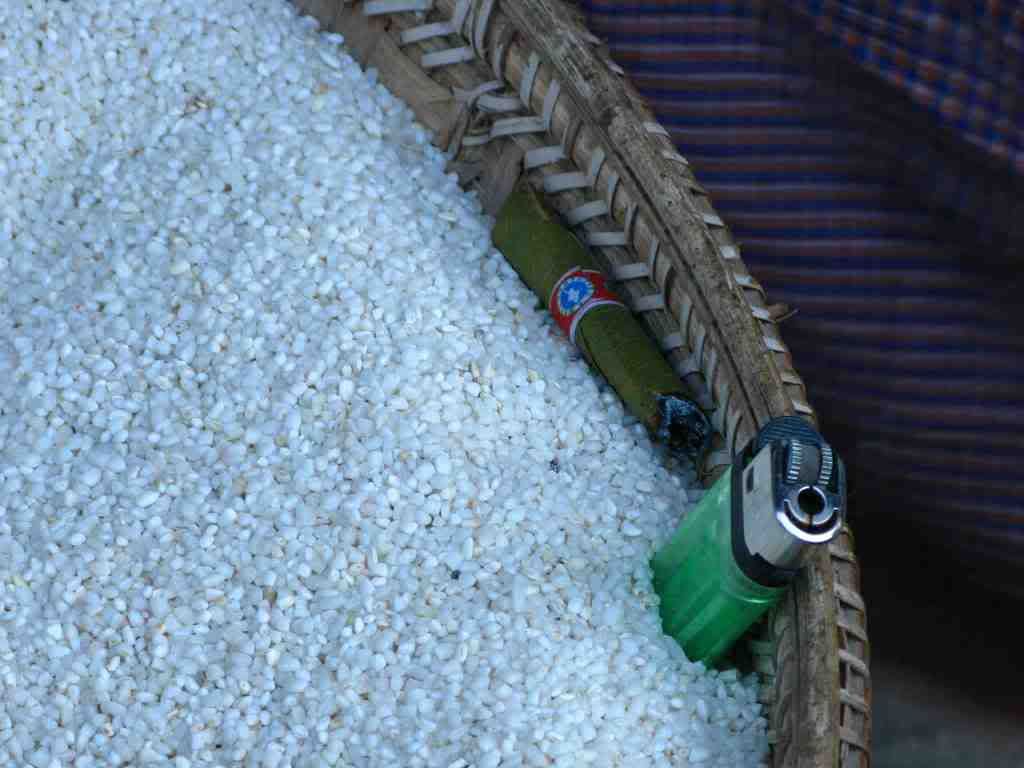
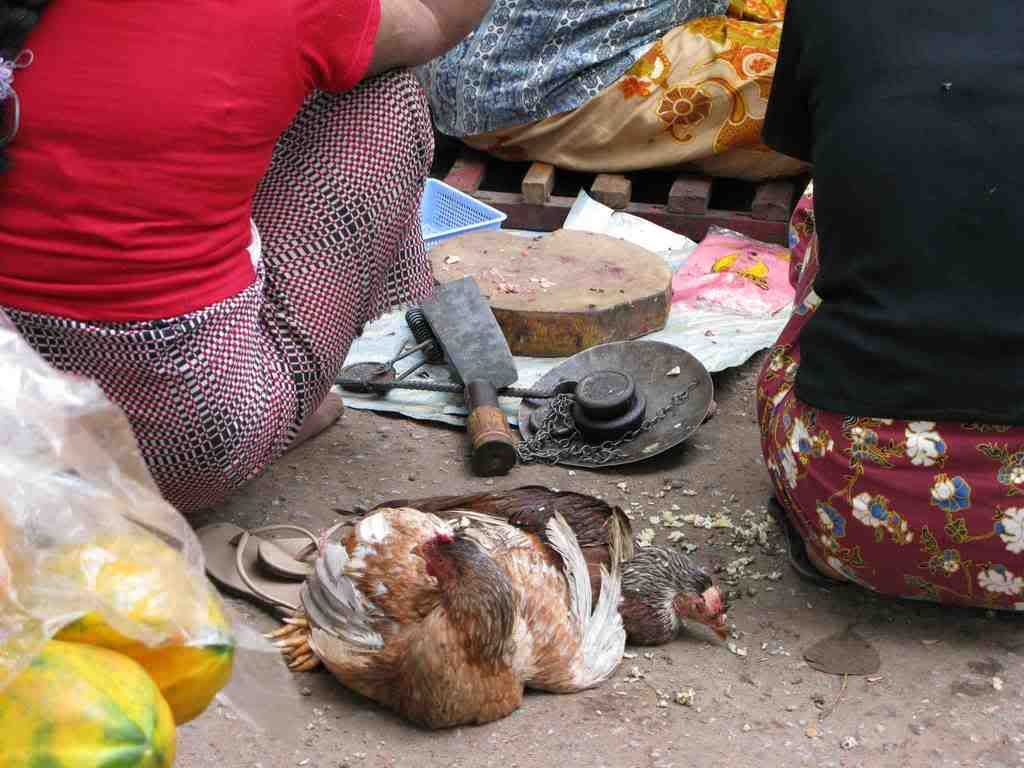
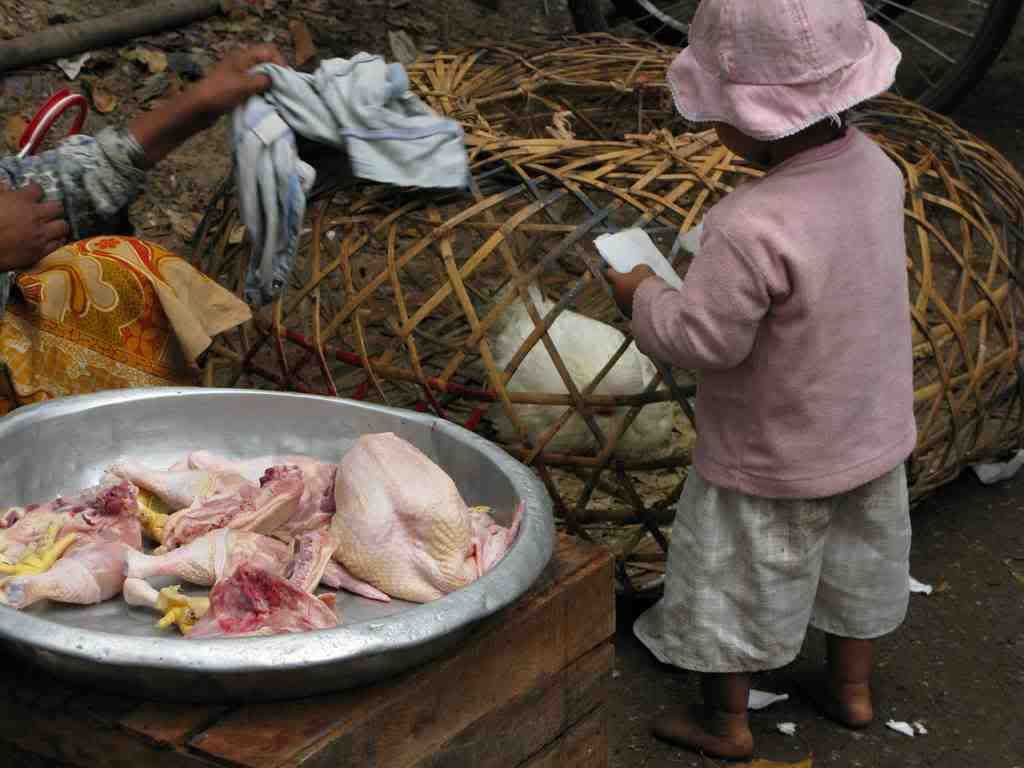
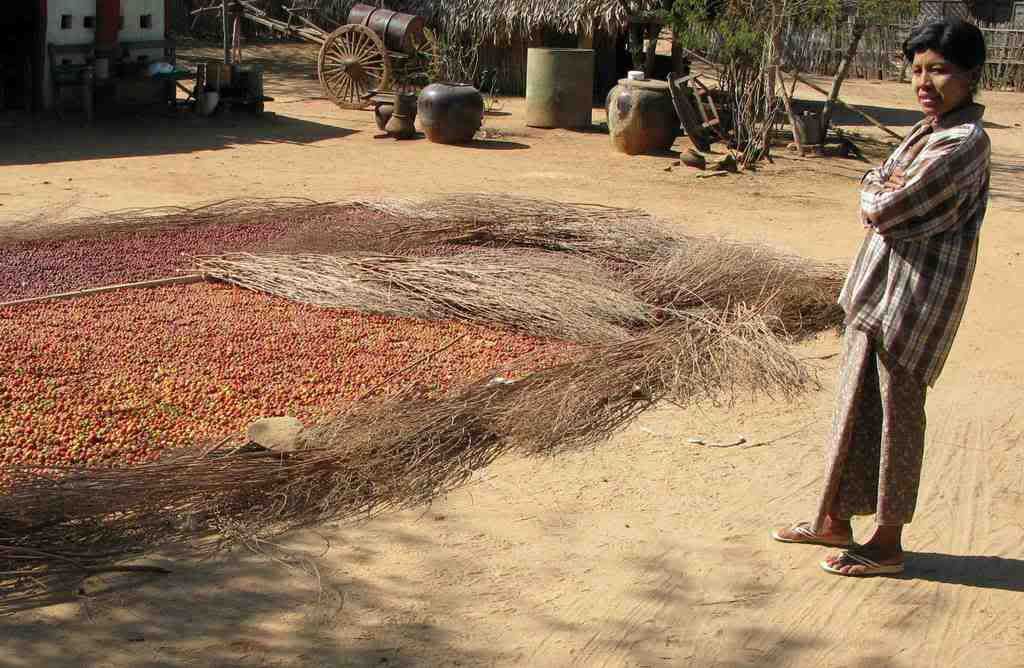
Meandering Through Myanmar Markets

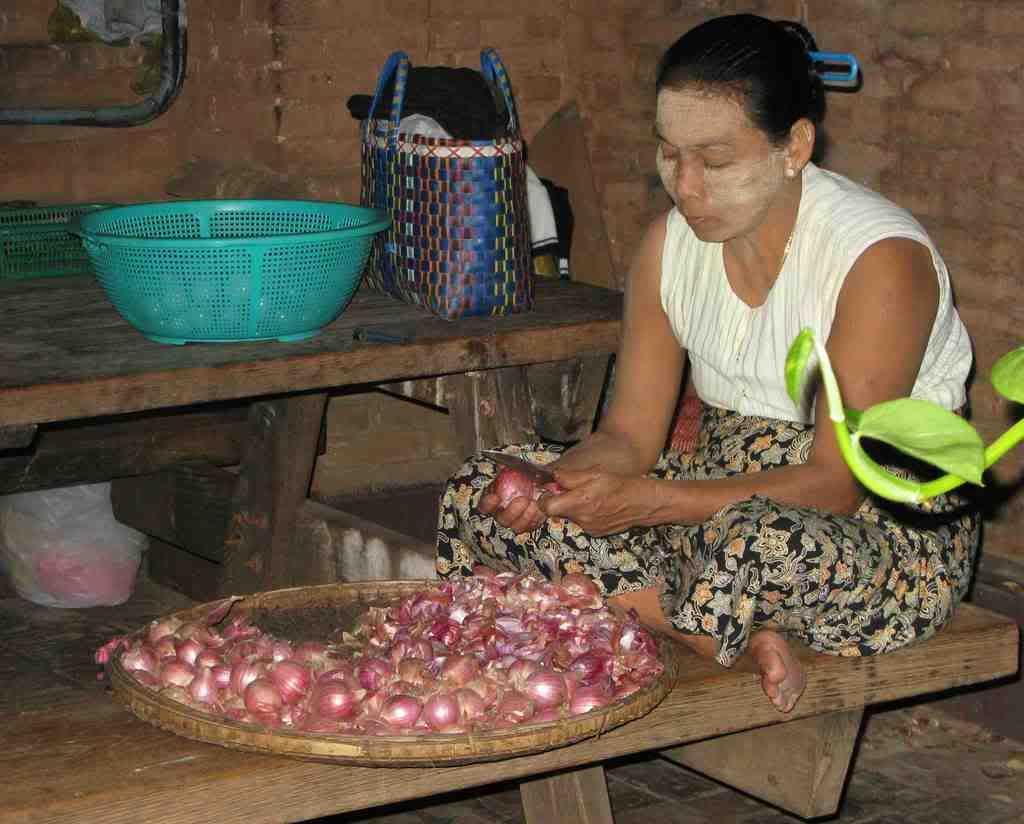
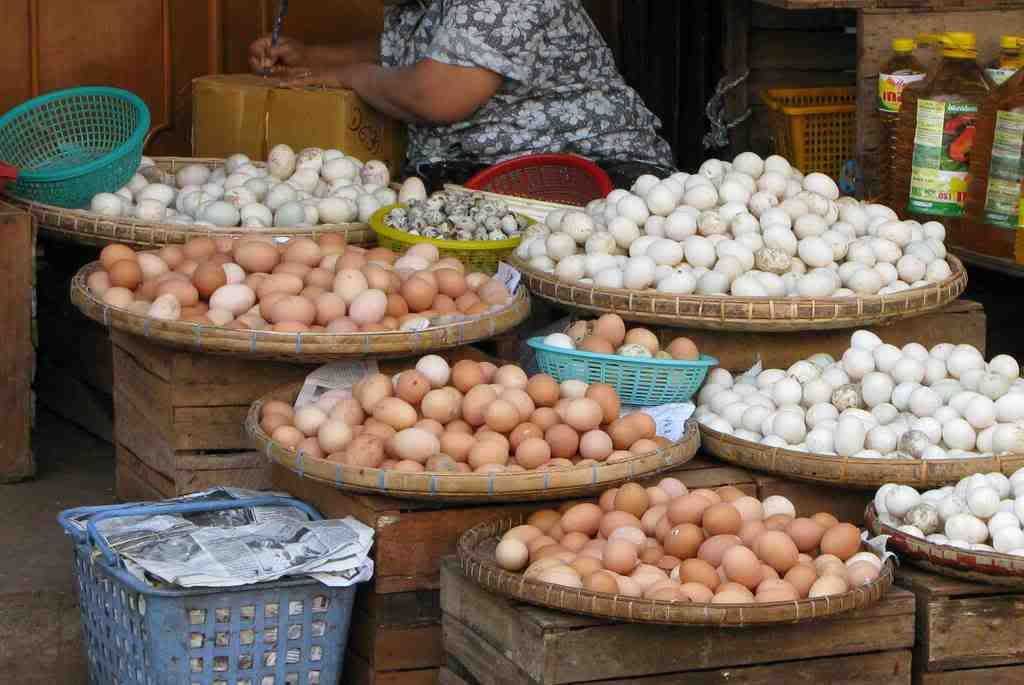
As we walked through markets in the different towns and cities, we were struck by both the similarities and the regional differences in the selection of food. Here are a few of the things we encountered.


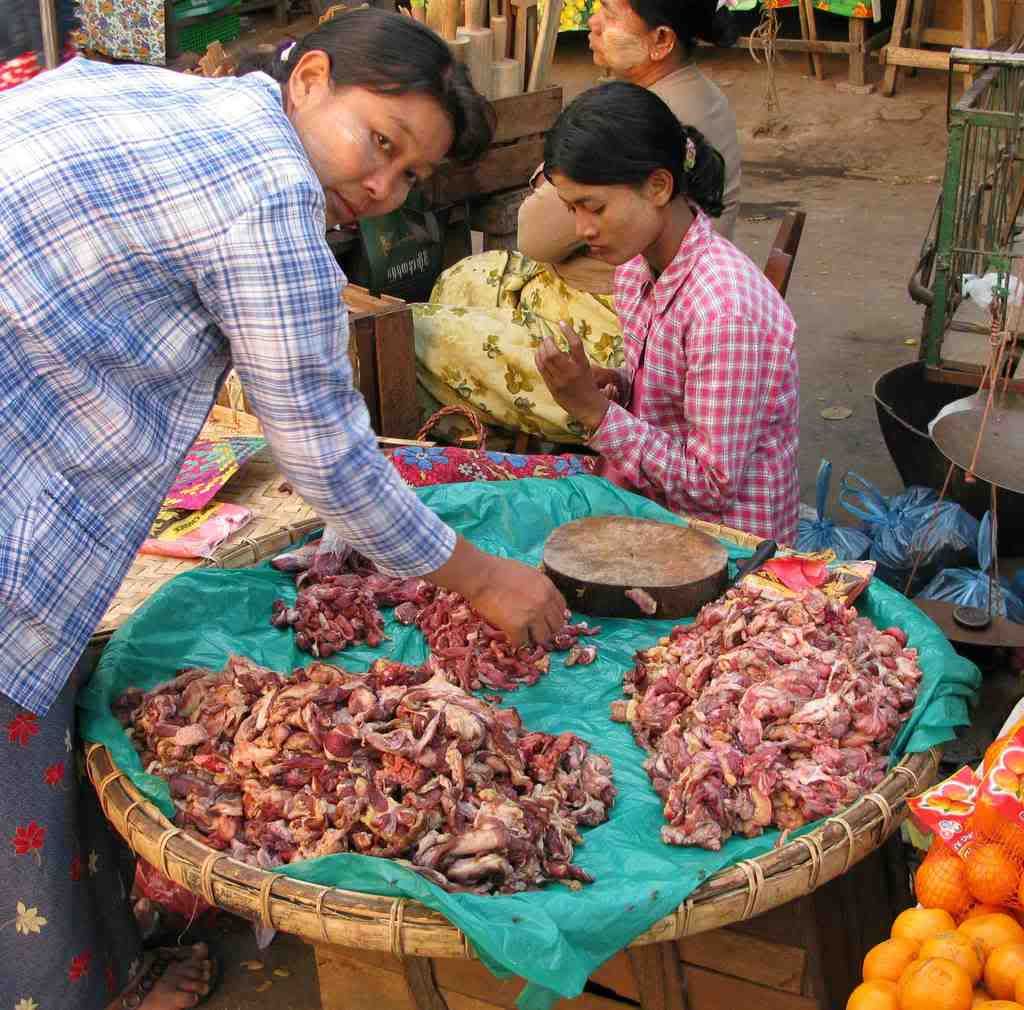
We saw meat trimmings in just about every market. They are used in soups, stews and curries.


We only saw this blood sausage in Mandalay


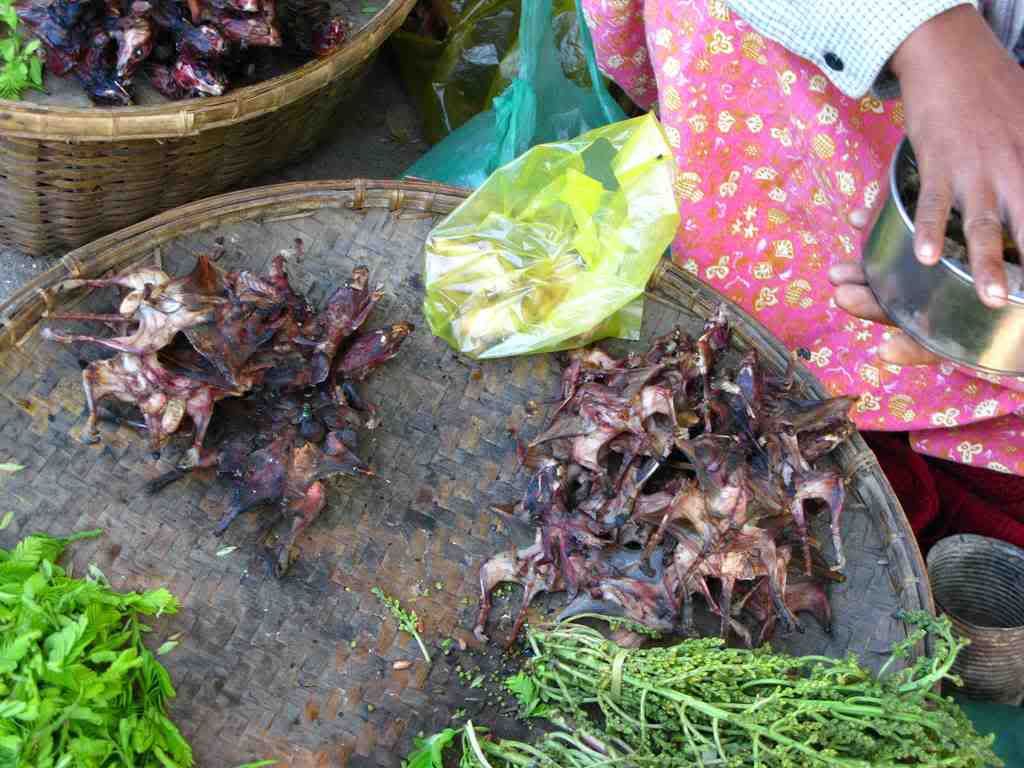
I'm happy to report that the only market where dried rat was on sale was in Bagan. Once was enough!


These young monks, begging for their daily food in the Bagan market, were happy to receive whatever was offered.


I'll leave this Bagan image to your imagination. Would anyone care to hazard a guess?


The Yangon city center market was the only place we saw live poultry.


Did these chickens have any premonition of their fate?

Diarrhetic Shellfish Poison Alert In Texas

An algal bloom in three bays has caused the Texas Department of State Health Services to close those bays to shellfish harvesting and to issue a recall of oysters, clams and mussels taken from Aransas, Corpus Christi and Copano bays.

Shellfish taken from these areas look, smell and taste normal, but may contain levels of a heat-stable chemical, okadaic acid that exceed federal guidelines for this naturally occurring toxin. Okadaic acid can cause vomiting, nausea, cramps and diarrhea.

Symptoms of diarrhetic shellfish poisoning can appear from 30 minutes to 12 hours after eating the toxic shellfish, and may last 2-3 days.

Friday, March 7, 2008

Diseases of Disaster - Another Installment

War and famine aren't the only triggers for outbreaks of diseases such as cholera and dysentery. The People's Daily On-Line reported this morning that 20 Bhutanese refugees in a camp in eastern Nepal are suffering from pneumonia and dysentery. The refugees were forced to leave their homes 320 km east of Kathmandu after a fire destroyed the entire village.

Earlier this week, the International Society for Infectious Diseases posted its regular weekly update of cholera, dysentery and diarrhea outbreaks – five cholera outbreaks (4 in Africa and one in Asia) and one outbreak of watery diarrhea.
  • Katanga, Congo: There were 5483 cases of cholera and 120 deaths in the first seven weeks of 2008. The outbreak is continuing, but the epicenter appears to be shifting.
  • Harare, Zimbabwe: Fourteen cases of cholera have been diagnosed in the last two weeks in and around Harare. Another nine cases, and one death, were reported in the area of Mashonaland Central during February.
  • Mandera Province, Kenya: This area has seen 392 suspected cases of cholera, and has reported 7 deaths from the disease.
  • Belet Hawo, Somalia: The people living in and around this town in southwestern Somalia have experienced 263 cases of "acute watery diarrhea" since the end of January 2008. The outbreak, which has caused 11 deaths so far, may have been triggered by the cholera outbreak just across the border in Mandera Province, Kenya. The spread of the disease is believed to be due to a severe water shortage, which has forced people to drink unsafe water. The district government has responded by chlorinating all of the wells and is warning residents to avoid drinking unchlorinated water.
  • Cunene Province, Angola: Flooding has forced people from their homes in this region, and a cholera outbreak is in progress amongst the displaced population. Five to seven new cases are being reported each day; 82 people have died so far.
  • Mon State, Myanmar: 61 people in eastern Myanmar are suffering from cholera; 2 victims have died so far. The affected village is near the Thai border, and is in an area controlled by the New Mon State Party under a cease-fire agreement with the Myanmar government. Local authorities are asking a Thai government hospital in nearby Sangkhlaburi to provide emergency assistance.

Cholera and dysentery spread rapidly in the absence of safe water for drinking, washing and cooking. Recently, a Swiss company introduced the LifeStraw which, according to the device's developer, can be used to decontaminate water "on the spot". I'll review LifeStraw and other approaches to achieving safe drinking water soon.

Thursday, March 6, 2008

Philippines Typhoid Outbreak – An Update

According to a report in USA Today, the number of victims of the typhoid outbreak near Manila has risen to 1,477. The authorities have declared a "state of calamity" to facility emergency funding for antibiotics and intravenous fluids.

The outbreak appears to have slowed – at least for now. The number of new cases peaked in late February, and has been dropping in recent days. While the source of the outbreak has not been determined, health officials suspect the bacteria are being spread via contaminated water.

People planning to travel to the Philippines, especially to Calamba, the apparent epicenter of the outbreak, should take all appropriate precautions.

Myanmar Village Scenes

The first village that we visited in Bagan was on the "tourist trail". In fact, we encountered two groups of tourists arriving at this village as we were leaving. Villagers make at least part of their income demonstrating local crafts.


This young woman makes cheroots and demonstrates their use. Notice the deft use of the ashtray.


Villagers dry fruit such as these small plums in the sun, and sell them in the local market.


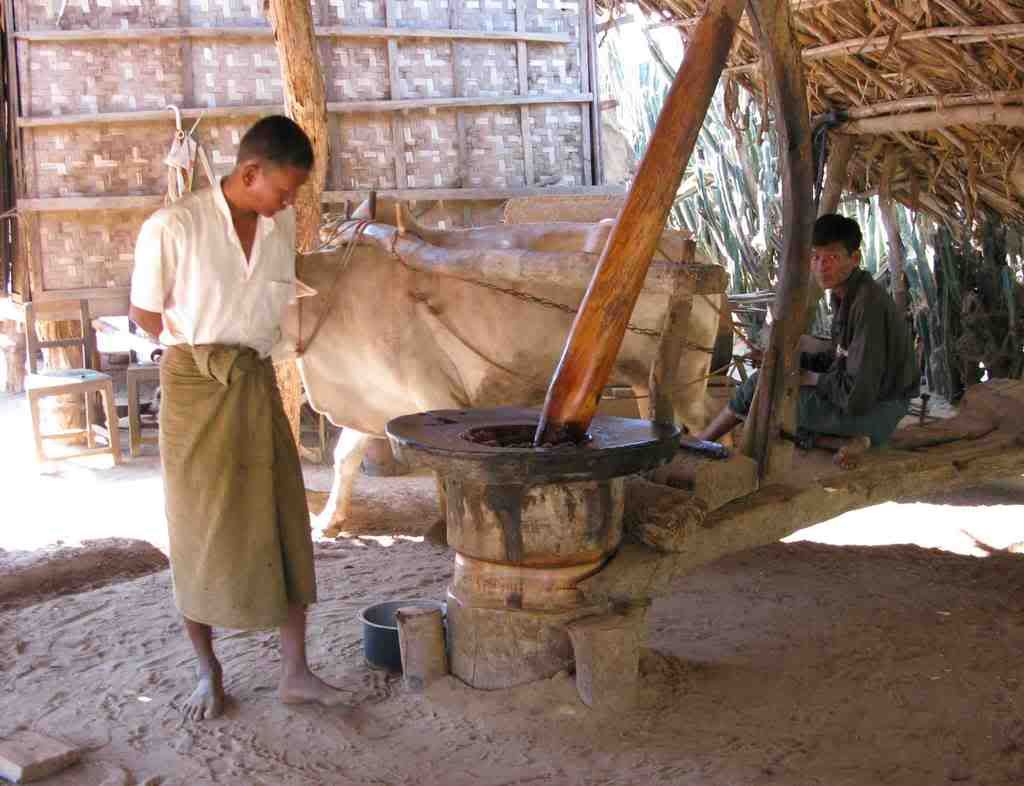
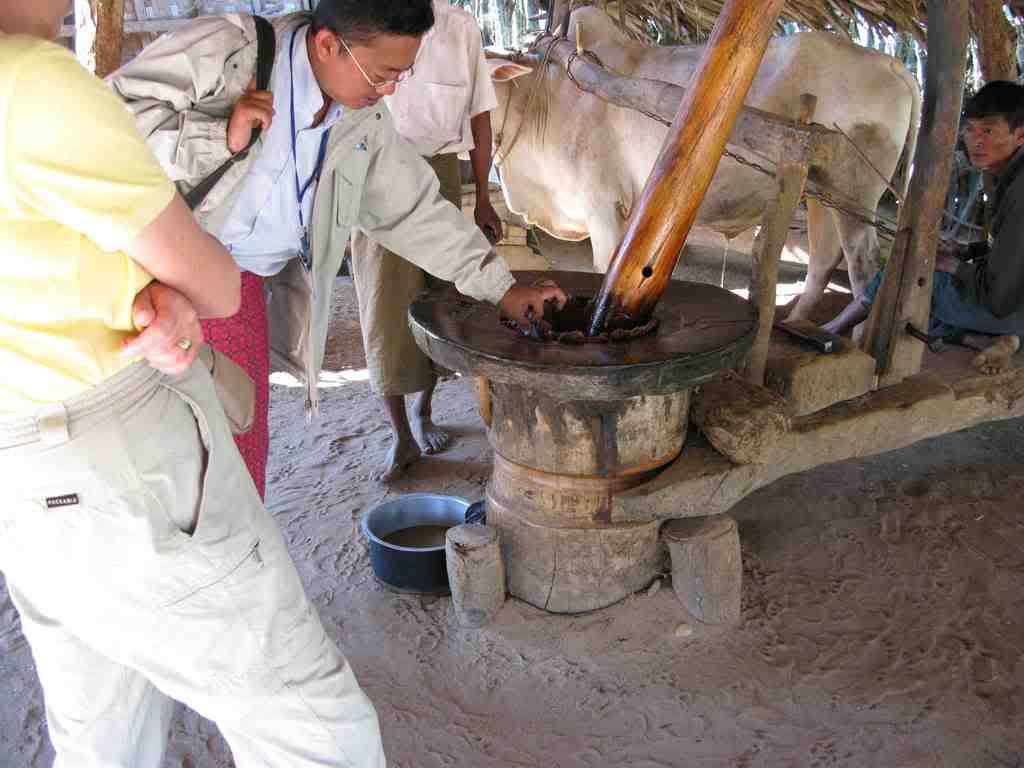
Peanuts and sesame seeds are also sun-dried, and then pressed to extract cooking oil. The oil press is turned using a "one-ox-power" engine, which was happy to pose for this picture.


The day we visited, peanut oil was on the production schedule.


The oil drizzles out of the bottom of the press and collects in the small container just beside the mill operator's left foot. The peanut meal that remains after grinding is fed to the chickens and oxen.

Peanut oil wasn't the only liquid being produced while we watched. The ox took advantage of a break in the action to engage in some production of its own.


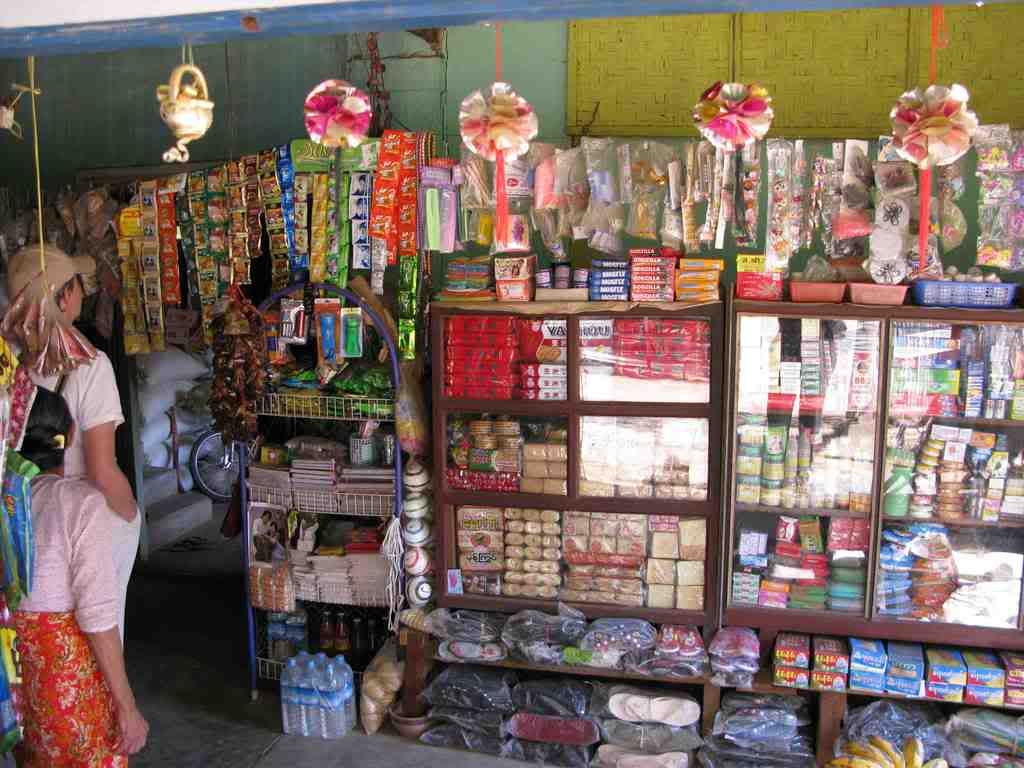
The second village we visited in the area didn't have an oil press, but it boasted both a primary school and a general store. The family that owns the general store is considered "middle class" by Bagan standards, and is the wealthiest family in the village.

We met the proprietor and his wife.


The shelves were well-stocked with a wide variety of packaged foods and other goods.


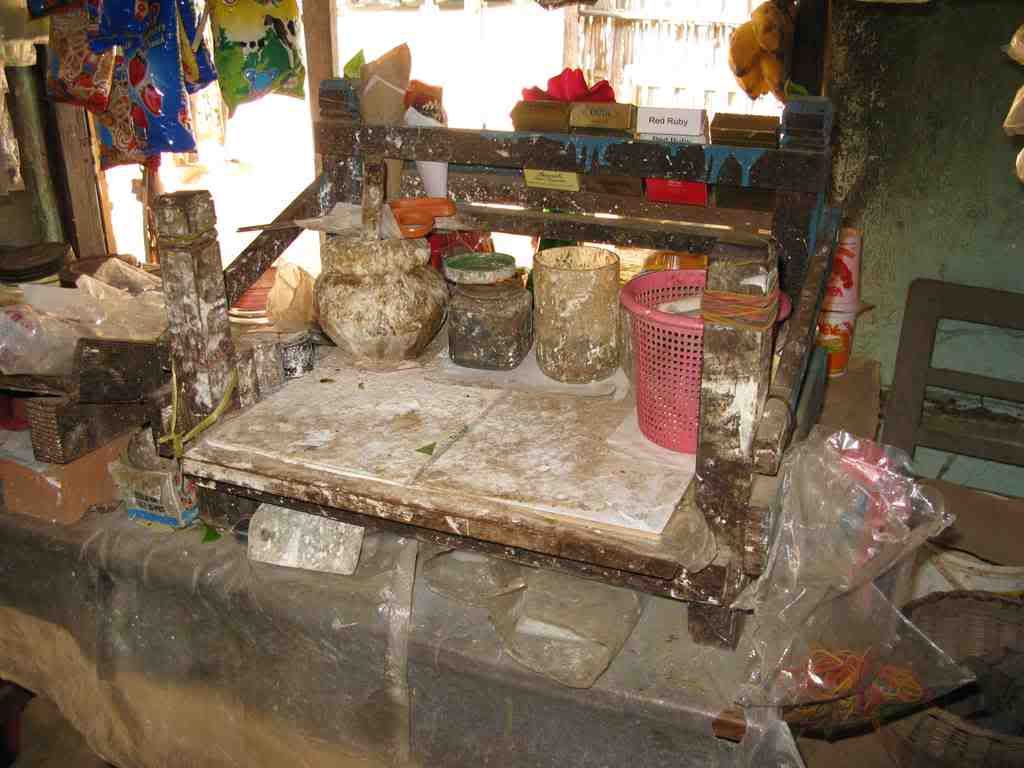
This was a full-service store. It even had a paint department.


In Myanmar, tourists are not usually permitted to visit the schools. But the day we stopped by this village was a "festival" day and school wasn't in session. We were able to tour the school house, which is divided into five open classrooms. There is just one teacher, and she is responsible for the entire student body (grades one through five).


This is one of the classrooms.


The Myanmar government provides the school building and pays the teacher's (small) salary. It's up to the villagers to pay for school supplies and to find the money to maintain the building. When we visited, the village was gradually accumulating a supply of bricks to repair and enlarge the school.

Wednesday, March 5, 2008

Discover Cuisine - Strike Three

USDA has alerted consumers to a third recall involving Discover Cuisine "Red Curry Chicken & Jasmine Rice". This time, Inovata Foods of Edmonton, Alberta has issued the recall notice, which covers 3,780 pounds of entrées.

The entrées were exported to the US by Inovata Foods and distributed nationwide. Please check the USDA recall notice for details.

The recalled product carries a risk of Listeria monocytogenes contamination. If you have purchased Discover Cuisine's "Red Curry Chicken & Jasmine Rice", please check the "Best By" date on the package. If it reads "12 18 08", return the package to the store for a refund.

Caribbean Holiday Leaves Bad Taste

According to an Associated Press report published this morning on Canoe.ca, an Air Transat flight from the Dominican Republic destined for Edmonton was forced to make an emergency landing in Fort Lauderdale, FL at 11:00 pm yesterday (Tuesday), after eight passengers complained of sickness.

The flight was quarantined as a precaution while passengers were interviewed by the CDC. The eight ill passengers – six adults and two children – were traveling as a group and had all eaten at the same place yesterday afternoon. The ill passengers were taken to hospital and the flight continued to its destination after a delay of several hours.

The news report makes no mention of the symptoms, but the relatively short incubation period suggests the possibility of Staphylococcus aureus food poisoning, which is caused by a toxin that is produced by many strains of this bacteria when it multiplies. Symptoms – typically nausea and vomiting – usually develop within a few hours of eating a contaminated meal, and last for about 24 hours. Symptoms disappear spontaneously, once the toxin has been eliminated from the body, but dehydration can be a problem in severe cases, for young children, or the elderly.

Aunt Jemima Pancake Mixes Recalled

FDA has alerted customers today to an announcement by Quaker Oats that it is recalling a "limited number" of Aunt Jemima pancake and waffle mixes, due to the risk of them being contaminated with Salmonella. Details of the recall – package sizes, batch numbers and pancake mix varieties – are given in the FDA recall alert and can also be found on a page of the Aunt Jemima website that is dedicated to the recall.

Most of the affected product is still in the hands of Quaker Oats, but about 2% may have already reached store shelves in 17 states, according to FDA. If you have purchased any Aunt Jemima pancake and waffle mixes recently, please check the lot number on the package against the list posted on the Aunt Jemima web site.

The risk of Salmonella infection associated with this recall is low, as cooking kills Salmonella. But there is always a chance of cross-contamination. A drop of raw batter on a mixing spoon, a spatula, or your finger can transfer Salmonella to a cooked pancake. If you have purchased one of the recalled products, please return your package to the store for a full refund.

Tuesday, March 4, 2008

More Listeria In The News

Gourmet Boutique, of Jamaica, NY has recalled 6,970 pounds of meat and poultry products, according to a news release issued by USDA. The US-made products were found by USDA to be contaminated with Listeria monocytogenes.

The 12 different products were manufactured on February 26th and 27th, and distributed in Connecticut, Florida, Georgia, Massachusetts, Minnesota, New Jersey, New York, Pennsylvania, South Carolina and Wisconsin.

Please consult the USDA news release for additional details.

Typhoid Outbreak - The Philippines

The International Society for Infectious Diseases reported yesterday that the Philippines is experiencing an outbreak of typhoid fever. The outbreak, which is believed to have begun on February 19th, has affected at least 1,041 people so far.

As of yesterday, the outbreak appears to be confined to Calamba City, just south of Manila. Health authorities believe that the disease is being spread through contaminated water.

Hong Kong has issued a typhoid alert for people traveling to the Philippines. The U.S. Centers for Disease Control and Prevention (CDC) recommends a typhoid vaccine for all unvaccinated travelers to the region, but has not issued a specific travel advisory. Neither has the World Health Organization.

If you have plans to travel to the Philippines, especially to the area south of Manila, drink and brush your teeth with bottled water only. Don't drink the local water – not even in the hotels – and do not allow ice to be added to your beverages. Stay vigilant to stay healthy.

Salmonella-Contaminated Seeds – UK

The Food Standards Agency has advised consumers this morning of two separate seed-related recalls.

Julian Graves Ltd., which recalled a batch of sesame seeds on February 29th due to Salmonella contamination, has expanded its recall to include 250g packages of sunflower seed kernels. The sunflower seeds packages are labeled with batch number 7353T4A, and carry a Best Before date of 30/09/08.

Suma Wholefoods has announced a recall of 12 batches of sesame seeds and mixed seeds, also due to Salmonella contamination. Please see the FSA consumer alert for details on the recalled products.

Underdone Chicken Wings - UK

The UK's Food Standards Agency has alerted consumers to a recall by Iceland Foods Ltd. The company has recalled a batch of its "Buffalo Chicken Wings" due to possible under-processing. The 410g packages of chicken wings are labeled with a "Best Before" date of 14 February 2009.

Consumers should return this product to stores for a full refund.

Discover Cuisine - At Costco

Costco has announced a recall of more than 10,000 pounds of Discover Cuisine frozen chicken entrées, which may be contaminated with Listeria monocytogenes. The Red Curry Chicken & Jasmine Rice entrées were shipped to Costco Warehouse stores in Alaska, Idaho, Montana, Oregon, Utah and Washington.

As I reported yesterday, Michigan-based Meijer Distribution Center has recalled more than 2,100 pounds of this same Canadian-made product. The 12-ounce packages bear an inspection stamp from the Canadian Food Inspection Agency and a "Best By" date of 12 18 08.

No illnesses linked to this product have been reported to date, but Listeria monocytogenes infections can be serious – even fatal – for the elderly, the very young, the immunocompromised and for pregnant women. If you have purchased this product, please either discard it or return it to the store.

Monday, March 3, 2008

IN-Humane Society?

On February 17th, in my blog post about the Hallmark/Westland meat recall, I asked the following question.
"Why did the Humane Society wait until January 30th before releasing the results of their undercover investigation?"
Now I have my answer. Meatingplace.com reported this morning that the Humane Society has admitted having deliberately kept the results of its undercover investigation from the USDA for five weeks in order to "...build public outrage." Wayne Pacelle (the president of the Humane Society) told Janie Gabbett of Meatingplace.com in a telephone interview,
"We specifically did not give this information much in advance to the USDA... If it had been given to USDA in advance and they excused the behavior and shut them down for a half a day or a day … that would have been an unacceptable outcome."
Pacelle went on to dispute the February 29th statement issued by the San Bernardino County's District Attorney that his office encouraged the Humane Society to bring USDA into the picture. But Pacelle indicated that he might contact USDA sooner next time.
Remind me, please. Is the Humane Society's primary objective to promote animal welfare, or to promote itself?

Sunday, March 2, 2008

Myanmar Restaurants and Buffets

Our first experiences with restaurant and hotel buffets in Myanmar were not very appetizing. The cooked dishes were tepid, at best, and other perishable items, such as milk and cream, were left at room temperature. The dinner and breakfast buffets at the Mandalay Hill Resort hotel were sickening – literally. Ants crawled all over the toaster and Salmonella lurked in the "roast beef".

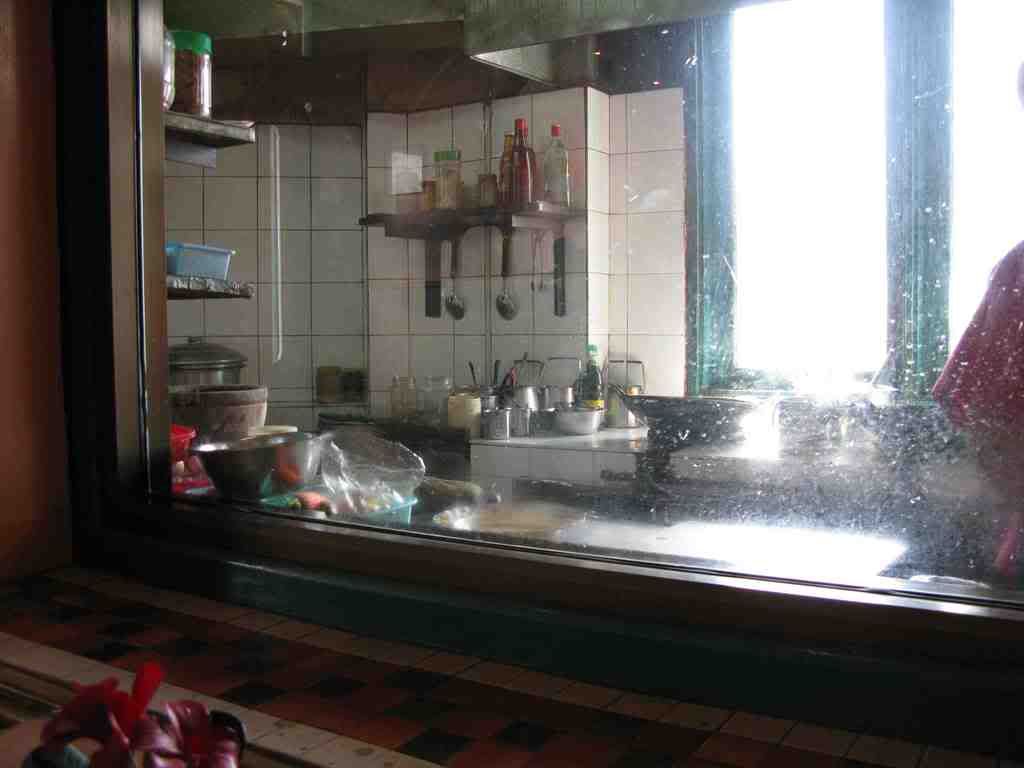
Restaurants that were not buffet-style tended to be more appetizing – at least the problems were hidden from view. But we ate at one restaurant in Mandalay that left nothing to the imagination. We were seated at a table next to a picture window, and had a view of the restaurant's kitchen.

As I gazed into the kitchen, I could see one of the cooks preparing a sauce. I watched with interest as she mixed a few ingredients in a saucepan and stirred the mixture with a large spoon. Then she used the spoon to taste her sauce. Deciding that there was something lacking, she added another ingredient and used the same spoon to stir the extra ingredient into the mixture. At this point, she walked out of my line of sight. I can only hope that the sauce was destined to be cooked.

This was my view of the restaurant kitchen, with the cook just disappearing "stage right"


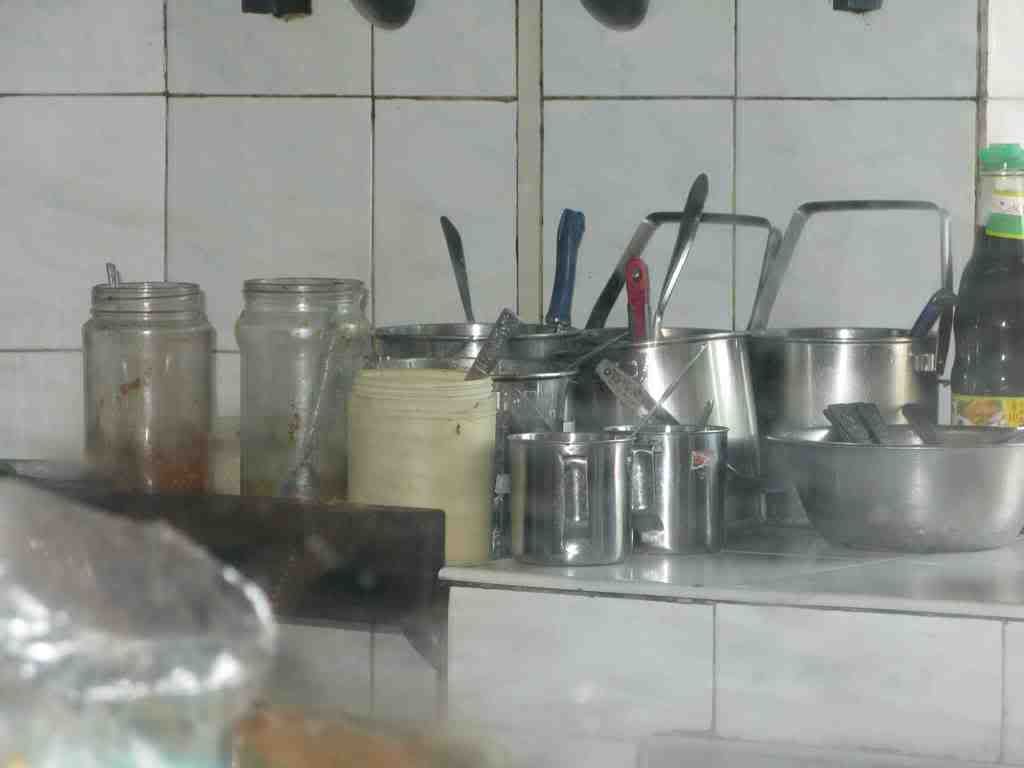
A close-up of part of the kitchen work space


Away from the major cities, kitchen duties sometimes migrated outside – where it's cooler


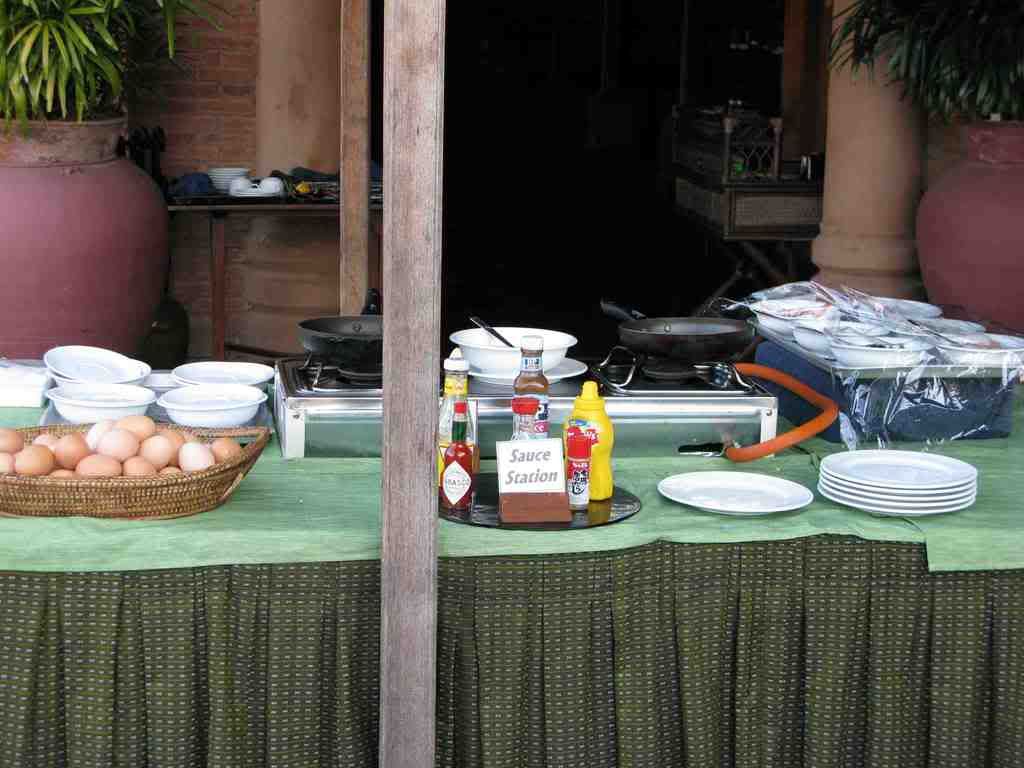
One of our better hotel breakfast buffet experiences was at the Japanese-managed Thiripyitsayar Sakura Hotel in Bagan. Even though the setting was outdoors, there were no ants on the toaster at this hotel!


Eggs were cooked to order


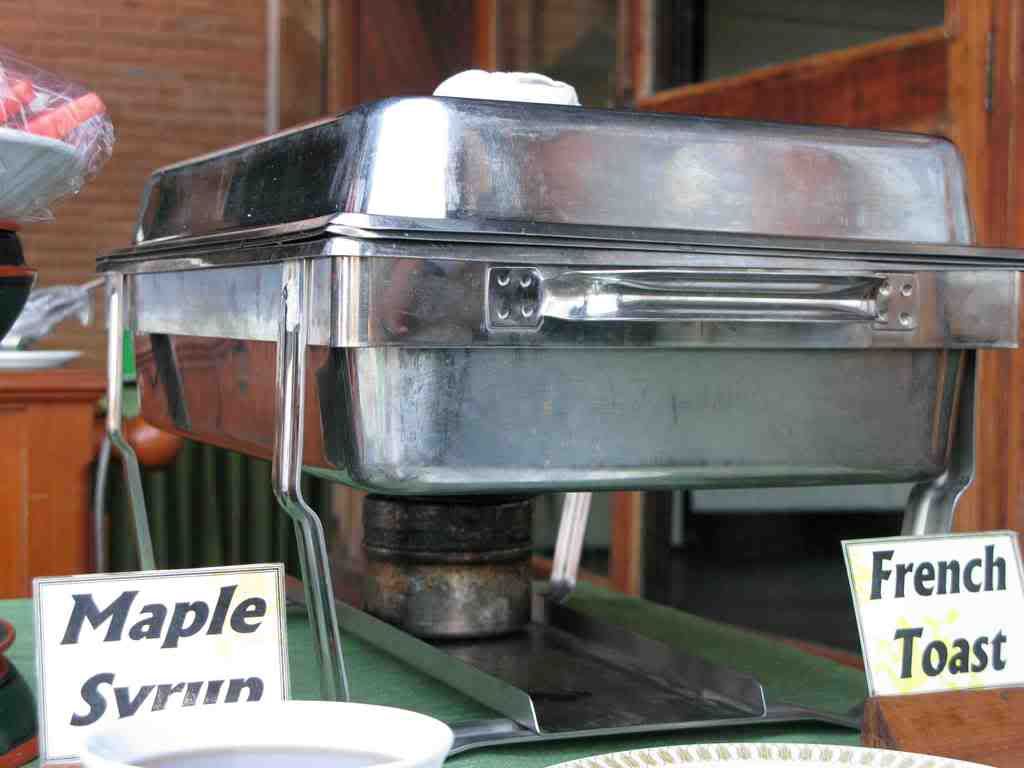
And cooked dishes were kept hot in covered chafing dishes


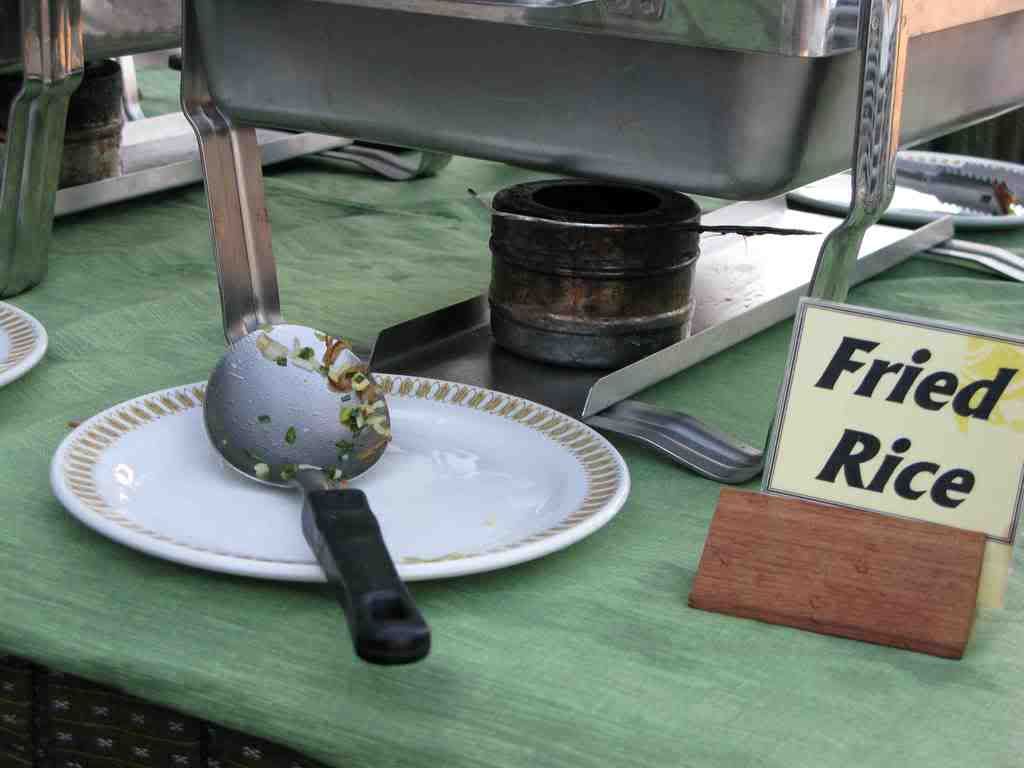
But the serving spoons were left out in the open air, where bacteria could multiply


Milk sat in an open jug with nothing but banana leaves to keep it cool


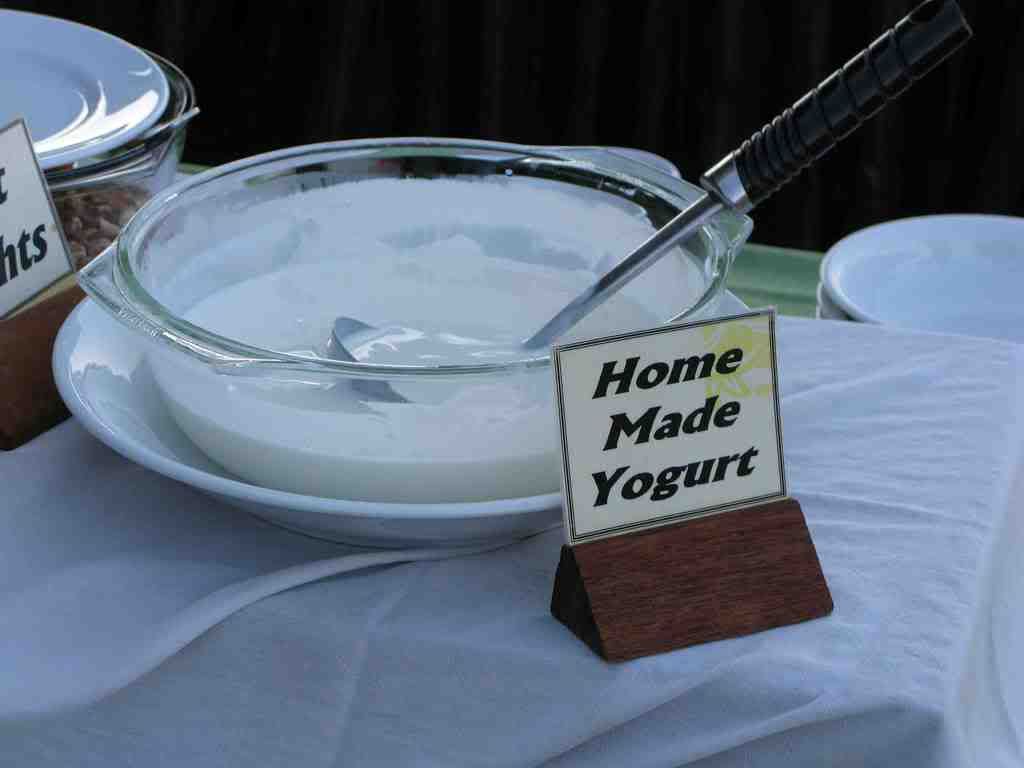
As much as I like yogurt, I wasn't even tempted to sample this homemade batch, also sitting uncovered and unchilled


When we returned to Yangon for one last night before leaving Myanmar behind, we realized we had reached a measure of civilization.


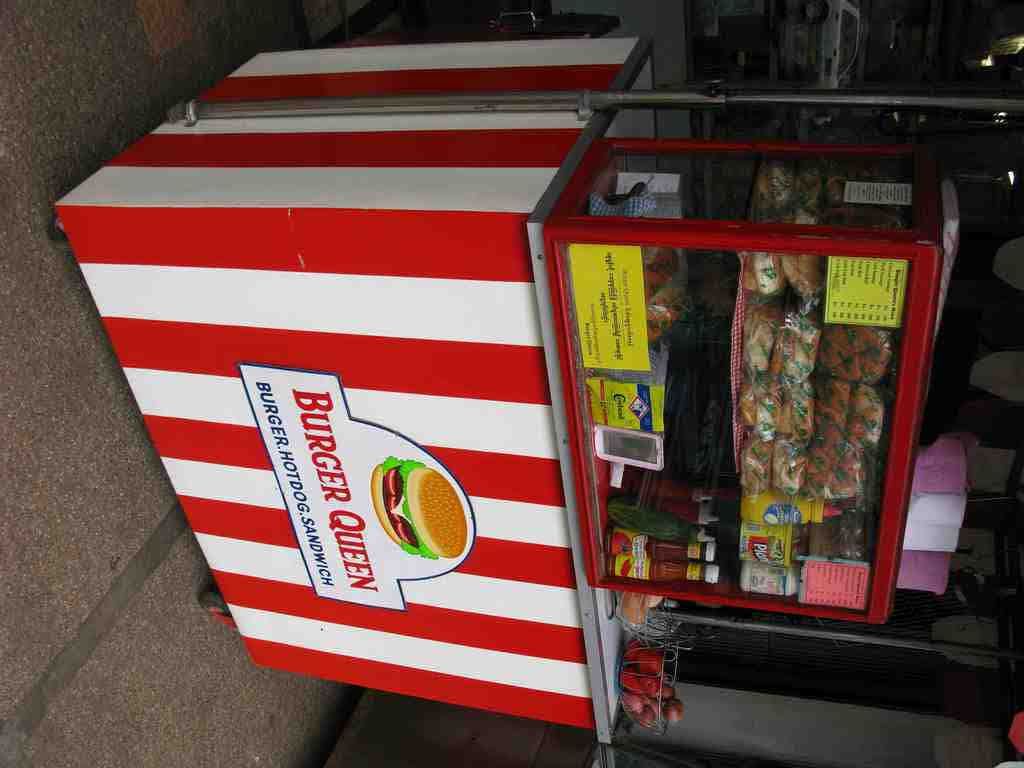
Was it because of the burger stand? Not likely!


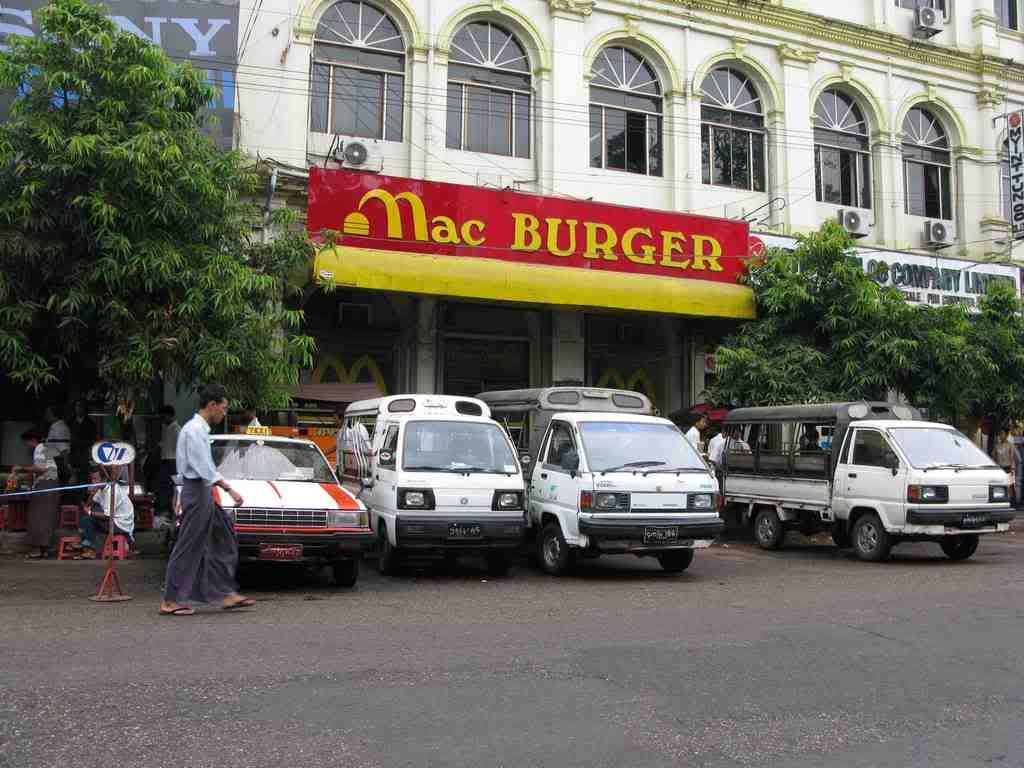
Perhaps the fast food restaurant? Not a chance!


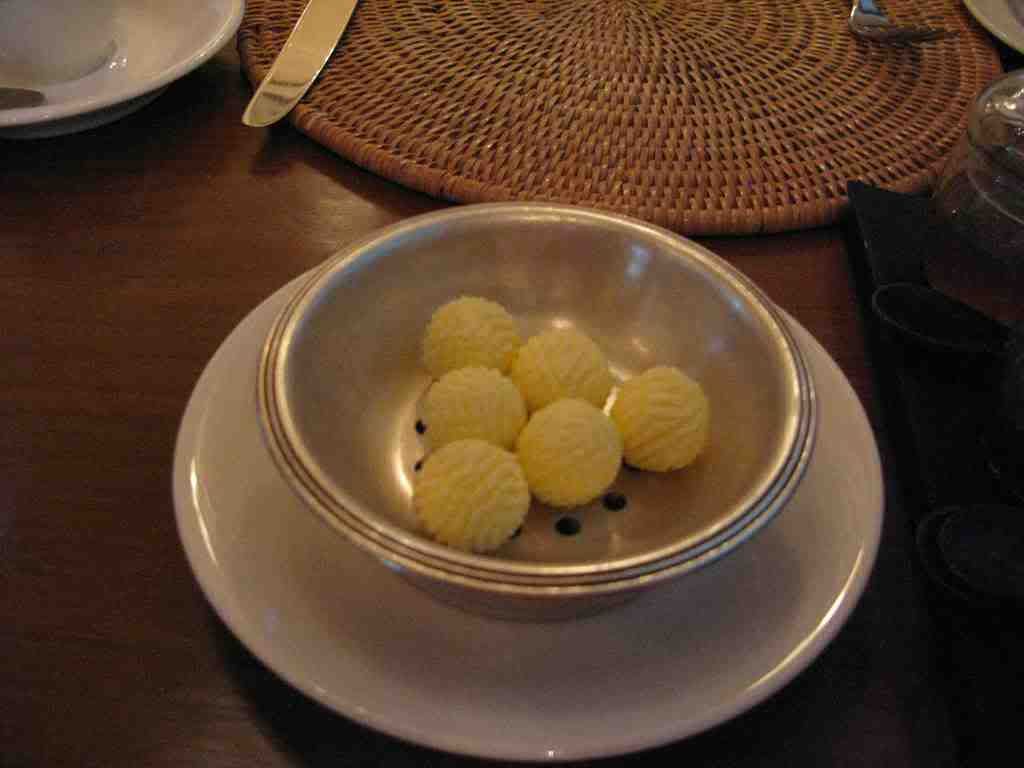
It was the butter dish on our breakfast table at the Strand Hotel


Our Myanmar adventure began and ended in Yangon. We spent a total of three nights at The Strand Hotel, a grand old British colonial lady. This establishment, which was recently refurbished, is a class act in every respect – the epitome of what a great hotel should be, but seldom is.

Discover Cuisine = Discover Listeria?

USDA's Food Safety and Inspection System (FSIS) has just posted an update to its list of recalled food products. Meijer Distribution Center, a Michigan-based company, is recalling 2,184 pounds of pre-cooked frozen chicken entrees due to possible contamination with Listeria monocytogenes.

The Discover Cuisine brand "Red Curry Chicken & Jasmine Rice" was prepared and packed in Canada. The recalled product bears an inspection seal from the Canadian Food Inspection Agency (CFIA) and a "Best By" date of 12 18 08. No illnesses have been associated with this product, which was distributed in Illinois, Indiana, Michigan and Ohio. The contamination was detected as a result of routine microbiological sampling by FSIS.

CFIA has been silent so far, but if this product was also distributed in Canada, I wouldn't be surprised to see a corresponding Canadian recall notice in the next few days.

Siberian Stomachache

Another group of school children and their teachers have been stricken with food poisoning.

On February 29th, Novosti, the Russian News and Information Agency, reported that 86 kindergarten children had been hospitalized in East Siberia due to acute gastroenteritis. Today, Novosti reported that the total number of victims had risen to 150, including 117 children. Twenty-five adults and 85 children are in hospital; 5 of the children are in intensive care.

Authorities suspect that the outbreak is linked to meatballs made with liver imported from the Netherlands and served in a meal at the kindergarten. The investigation into the outbreak is continuing.

Saturday, March 1, 2008

Here's The Beef

California's Department of Public Health has posted on its web site a long list of retailers in the state who received some of the beef recalled by Hallmark/Westland Meat Packing Company. The list is in the form of a pdf file, which can be downloaded from the site.

The list of retail outlets is sorted by zip code and will be updated periodically as additional information becomes available.

Myanmar Kitchens

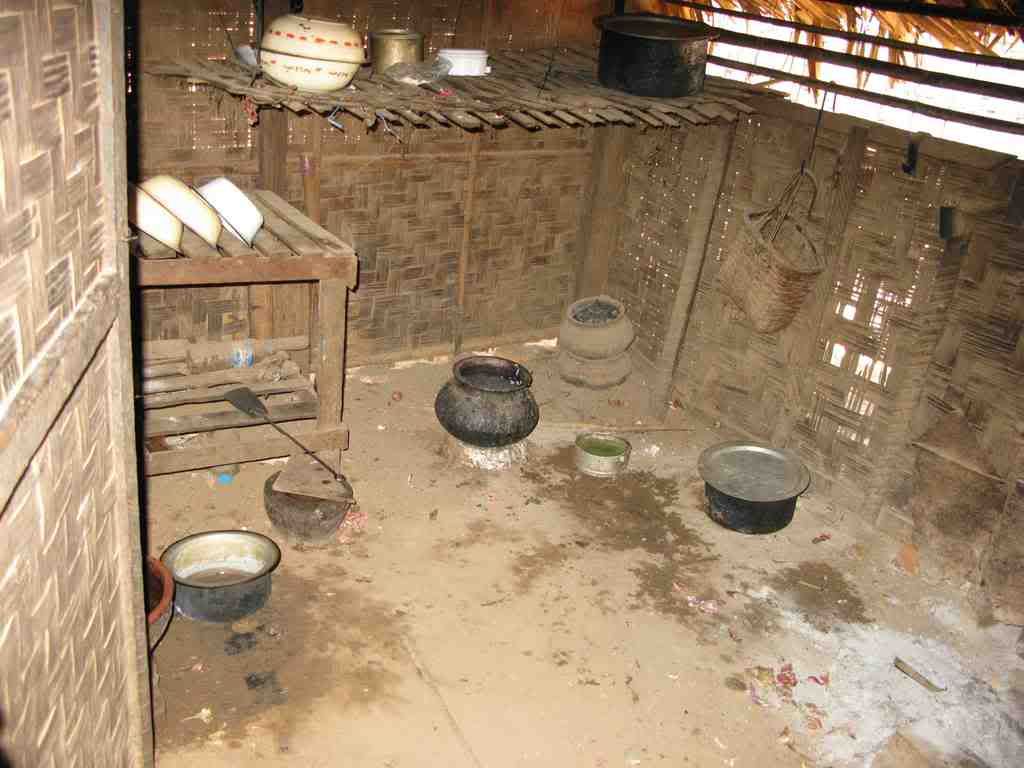
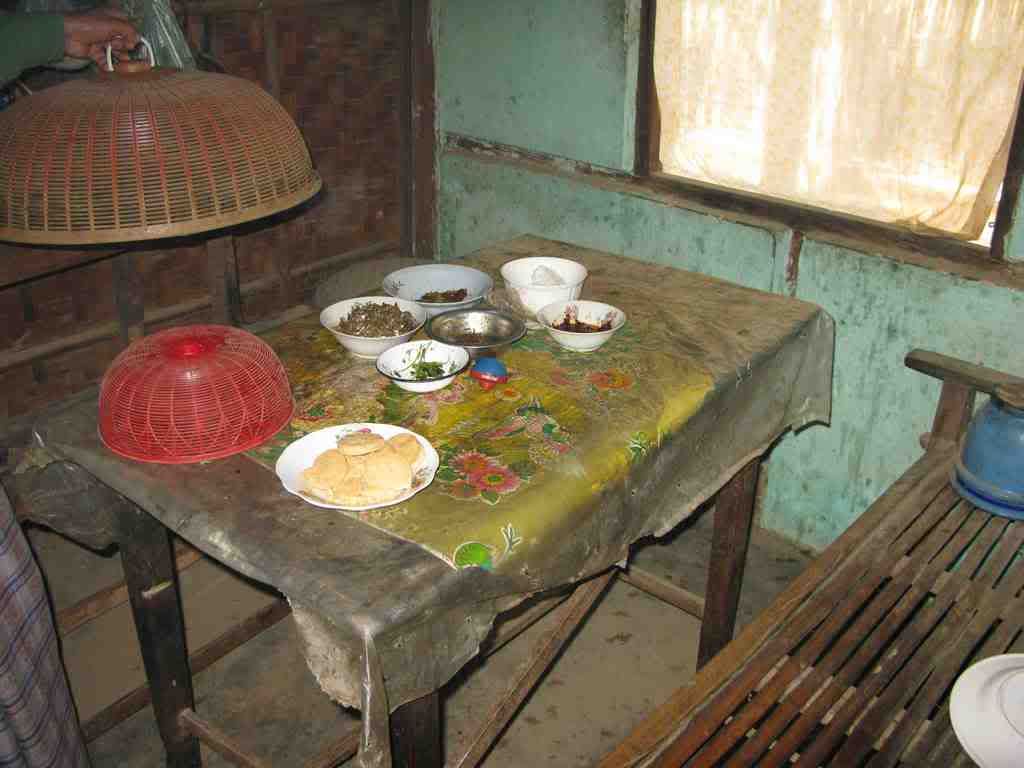
As we traveled in the Bagan region of Myanmar, we had the opportunity on occasion to visit a few village homes and see what was cooking – or how.

Our first stop was at a village that was on the standard tourist route, and we received the standard tour, which I'll save for another day.

We were told that this is a typical village kitchen in the Bagan region


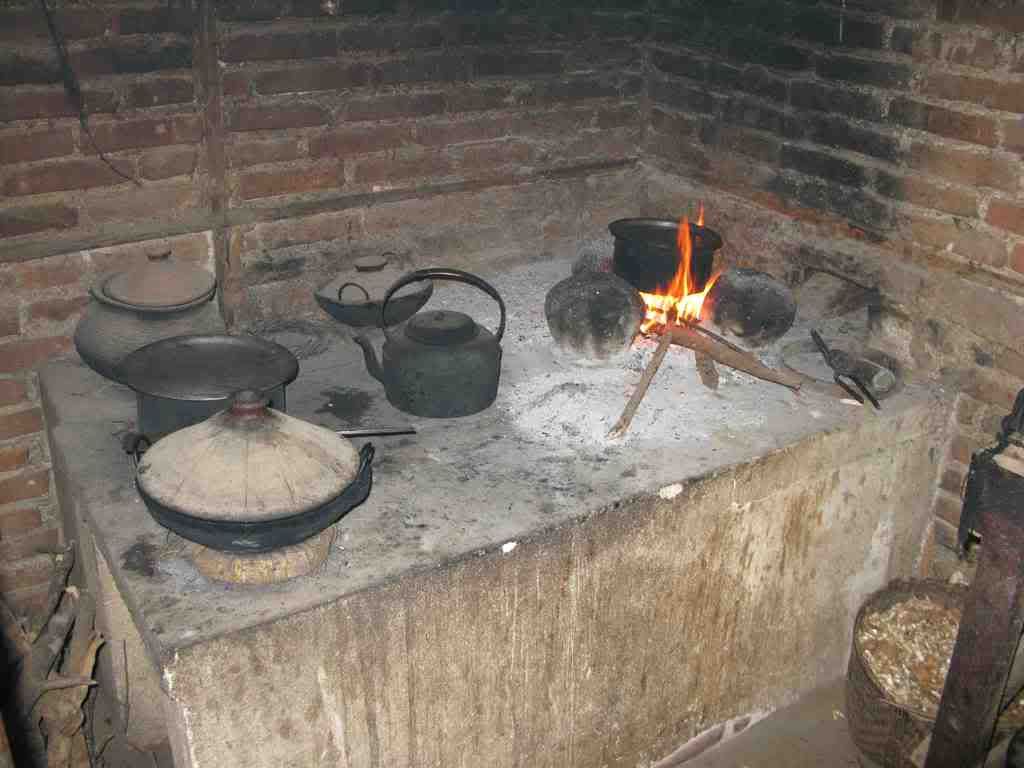
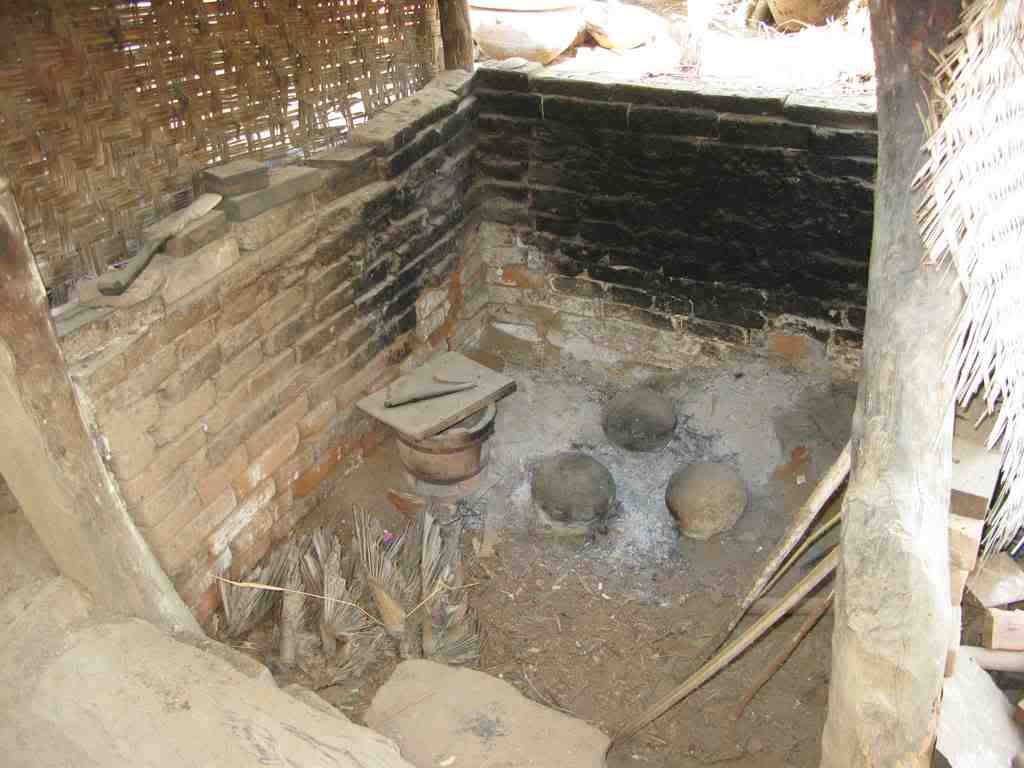
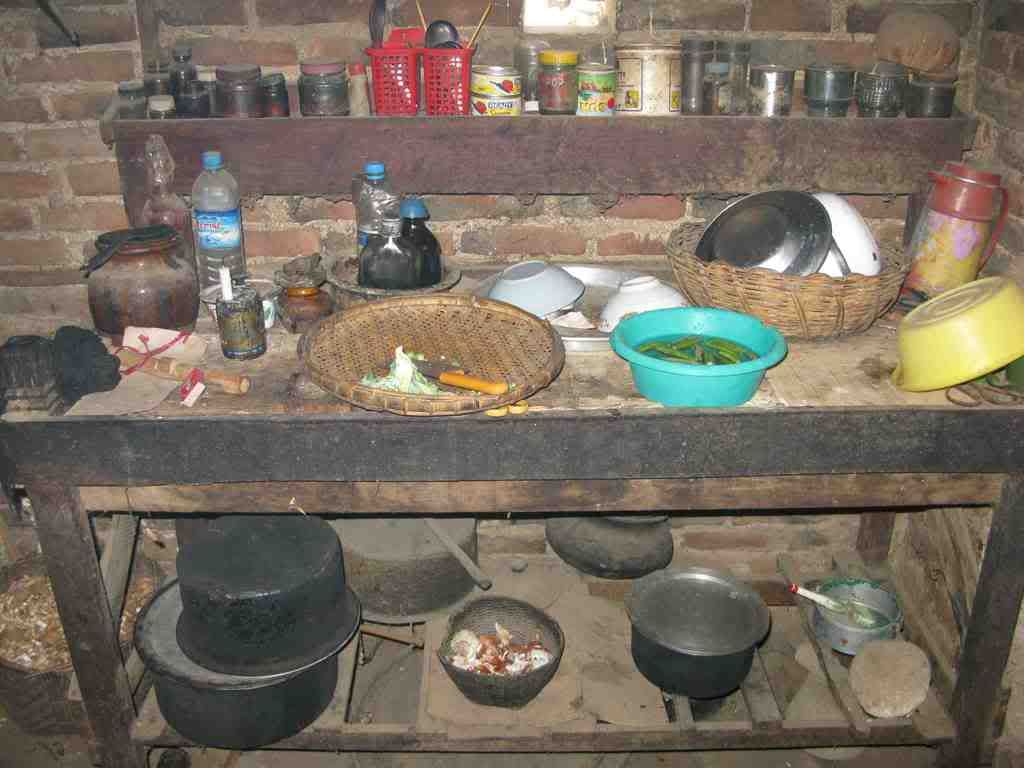
We visited a second village, and were invited to tour the kitchen of the wealthiest family in the village – the middle-class owners of the local general store. This family has its own private outhouse, a summer kitchen, an indoor kitchen and a separate dining area.

This is the family's cooktop. In the absence of electricity, villagers cook their food over charcoal or wood fires


The summer kitchen is outdoors, to avoid generating excessive heat inside the house during the sultry summer months


The food preparation area of the kitchen has a spice shelf and storage space for pots and pans


The family eats a hot breakfast at this table. These are the breakfast left-overs.


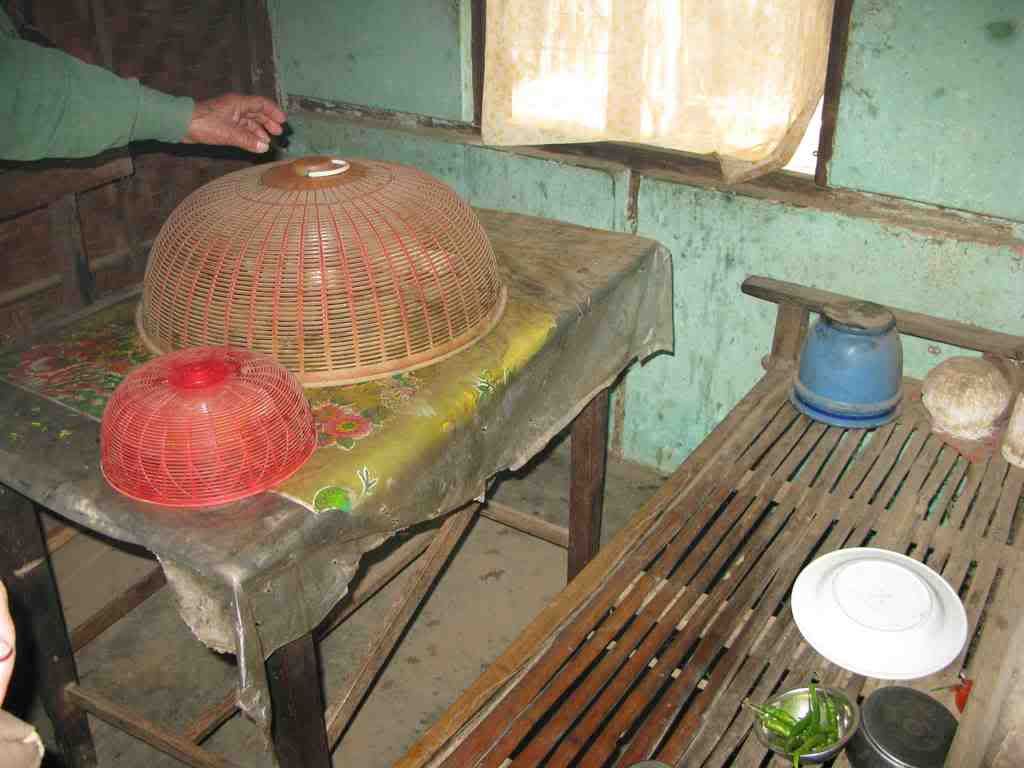
It's rare for villagers to have time to prepare lunch, so the breakfast left-overs are saved (covered to protect against flies) and eaten for lunch


When we arrived at Inle Lake, our next stop after Bagan, we found that the Bagan kitchens were not an anomaly.


We were given the chance to see the interior of a house like this one, built on stilts over the water


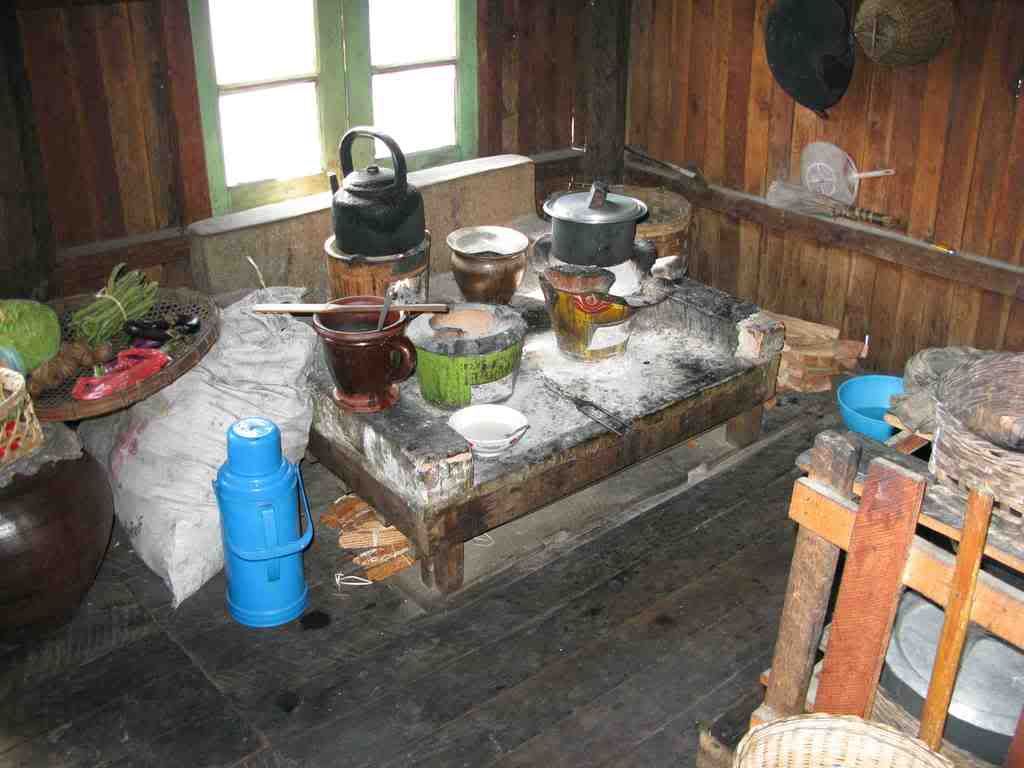
Here's the kitchen


Whenever we sat down to a restaurant meal in Southeast Asia, we found ourselves wondering what the kitchen looked like. We had a chance to satisfy our curiosity once or twice, so stay tuned for more.

Alfalfa Seeds Sprout Salmonella In California

The California Department of Public Health has warned consumers against eating three brands of alfalfa sprouts that may contain Salmonella. The sprouts, which were produced by two different companies, are sold in several western and southwestern states. No illnesses have been associated with these products.

Salad Cosmo Alfalfa Sprouts, a product of Salad Cosmo USA Corp., was distributed to wholesalers and to retail stores, including SaveMart Supermarkets, in California and Washington States. Always Fresh and Alfa One (J.H. Caldwell and Sons Inc.) are sold through wholesalers and through several retail chains, including Trader Joe's, in six states – California, Arizona, New Mexico, Nevada, Oregon and Washington.

Please see the CDPH Press Release for details on the lot numbers included in the recall.