Showing posts with label Asia and Africa. Show all posts

Monday, March 23, 2009

Cholera Oozes Across Africa

March 23, 2009

In the three months since we last visited Africa, cholera has continued its usual seasonal spread across the continent – helped, as always, by lack of access to safe drinking water, limited availability of health care, and an inadequate supply of toilets.

As of March 16th, the death toll in Zimbabwe's long-running cholera epidemic had reached 4,035 and the number of recorded cases surpassed 91,000. But there are signs that the epidemic is starting to abate. The number of new cases has fallen from a peak of nearly 8,000 per week to only 4,000-4,500 per week.

But, while the epidemic is showing early signs of running down in Zimbabwe, outbreaks of cholera have emerged elsewhere in Africa.

Angola reported three cholera cases last Friday, after flooding induced by heavy rains left 33,000 people homeless in the southern part of the country. 

Botswana has confirmed 15 cases of cholera, with an additional 40 cases under investigation, according to a report released last week.

Kenya has been hard-hit recently. The national government issued a cholera alert last Tuesday, while revealing that the disease recently had killed 25 people, and infected 551 in various parts of the country. This is in addition to the 369 cases and 16 deaths reported in February.

Malawi has suffered its worst cholera outbreak in six years, with 4,697 cases and 104 deaths since the start of this year's rainy season in January.

Mozambique reported 30 new cases since the end of February. At least seven victims died.

South Africa has gained control over its cholera outbreak, reporting only 8 new cases per day – down from 200 per day in January. Many of the cases reported in the northern province of South Africa were Zimbabweans who crossed the border into South Africa to gain treatment that was unavailable in their own country.

Zambia reported six new cholera victims, one of whom has died. The outbreak was blamed on unsanitary conditions and unsafe drinking water drawn from Lake Kariba.

The rainy season in southern Africa usually runs from October to April. Once it has passed, the worst of the cholera season will be over for another year.

Wednesday, March 18, 2009

Recall Roundup: March 18, 2009

Here is today's list of food safety recalls, product withdrawals and allergy alerts. The live links will take you directly to the official recall notices and company news releases that contain detailed information for each recall and alert.


Peanut Butter Outbreak Recalls


United States


Europe, Including the United Kingdom


Asia, Africa and the Pacific
  • Safety Alert (Vietnam): Bottled water produced by at least two companies is contaminated with Pseudomonas aeruginosa. At least one of the companies has ignored two prior government orders to cease production.


Some supermarket chains post recall notices on their web sites for the convenience of customers. To see whether a recalled food was carried by your favorite supermarket, follow the live link to the supermarket's recall web site.


*The Kroger umbrella encompasses numerous supermarket, marketplace and convenience store chains, listed on the Kroger corporate home page.


If you would like to receive automatic email alerts for all new articles posted on eFoodAlert, please submit your request using the link on our sidebar.

Friday, February 13, 2009

Bits & Pieces: Malaysian Sports Drinks Recalled in Singapore

February 13, 2009

Singapore's Agri-Food and Veterinary Authority has alerted consumers to the presence of unspecified foreign matter in the following sports drinks imported from Malaysia.

  • "18" Sports Drink – Blueberry plus Vit C, B6 & B12 Flavour (600 mL): Expiry dates 24 Oct 2009, 11 Nov 2009 & 11 Dec 2009
  • "18" Sports Drink – Grape plus Vit C, B6 & B12 Flavour (600 mL): Expiry dates 25 Oct 2009 & 12 Dec 2009
  • "18" Sports Drink – Lemon Lime plus Vit C, B6 & B12 Flavour (600 mL): Expiry dates 28 Oct 2009, 9 Dec 2009 & 27 Dec 2009
  • "18" Sports Drink – Original plus Vit C, B6 & B12 Flavour (600 mL): Expiry dates 23 Oct 2009 & 10 Dec 2009

AVA has instructed that importers and retailers of these items recall the contaminated products, and recommends that consumers discard them.

Friday, January 9, 2009

Singapore Recalls Pere Ocean Mineral Water

Updated January 9, 2009
(Original article posted January 8, 2009)

The Agri-Food and Veterinary Authority (AVA) of Singapore has instructed the importer and retailers of Pere Ocean Mineral Water to recall all 500 mL bottles with an expiry date of 09.12.10 from the retail market.

The action came after AVA detected unspecified foreign matter in the mineral water. Consumers who purchased the recalled water are advised to discard it.

Hong Kong's Centre for Food Safety has alerted retailers in the Territory to the recall and has requested additional information from AVA. NEW Jan 9

Foreign matter is a catch-all phrase. It includes everything from particles of dirt to insect fragments.

Consumers with questions about this recall should call the AVA hotline at 1800-2262250.

Friday, December 26, 2008

Cholera in Zimbabwe and Beyond: The Perfect Storm

December 26, 2008

According to the latest report from the World Health Organization, the current cholera epidemic has killed 1,518 Zimbabwean victims. As of December 25th, 26,497 confirmed cases of cholera have been recorded, with more to come. And these numbers already are out of date.

While international aid agencies appeal – successfully – for money and supplies to fight the epidemic, Mugabe continues to resist the international community's attempts to assist victims. According to Zimbabwe's president, the cholera epidemic is a plot hatched by the United Kingdom to overthrow the government.

As we've reported previously, the Zimbabwe epidemic has spilled into neighboring countries, especially South Africa. Botswana and Zambia are on alert for cholera flare-ups, while Zimbabwe's remaining neighbor – Mozambique – is struggling to contain its own outbreak, which has claimed 31 lives (out of 1,585 confirmed cases) so far.

Africa's cholera problems, unfortunately, extend well beyond Zimbabwe and its immediate neighbors. Look for poverty, war, and natural disasters, and you will find cholera. In addition to Zimbabwe and Mozambique, WHO's cholera "hot spots" include Angola (10,186 cases and 232 deaths), Democratic Republic of Congo (357 new cases and 1 death in a two week period), Ethiopia (3,804 cases of "acute watery diarrhea", with 23 deaths) and Kenya (1,400+ cases and 13 deaths).

Other African countries that have been – or are still – battling cholera outbreaks include Guinea Bissau (14, 201 cases and 224 deaths), Namibia (29 cases and 3 deaths), Togo (100 cases and 1 death), Uganda (66 cases in a camp set up to house Congolese refugees), Nigeria (10 deaths) and Malawi (30+ victims and at least 8 deaths).

A seasonal disease, cholera's appearances often coincide with the rainy season. During dry periods, it lingers in the background, causing occasional illnesses in places such as the Philippines and India, where a young visitor from Hong Kong recently became infected.

Zimbabwe's rainy season extends from November to March. The UN estimates that more than 5 million of its residents are in need of food aid. 

No sanitation, no food, a dysfunctional government, and a cholera epidemic – all with the rainy season just beginning. A perfect recipe for a perfect storm.

Friday, December 12, 2008

Zimbabwe Cholera Epidemic Over - Not!

December 12, 2008

Robert Mugabe, fearing that the United States and the United Kingdom would use Zimbabwe's cholera epidemic as an excuse to topple his dysfunctional regime, has found an easy way out. He has simply declared that the epidemic has ended.

Sorry, Mr. President. It's not that simple.

One thing that world leaders and non-government organizations can agree on is that Zimbabwe's cholera epidemic is far from over, and that Mugabe and his government are not capable of reversing the total collapse of infrastructure that their policies precipitated. Kofi Annan, former Secretary-General of the United Nations, summarized that consensus, in a statement reported on December 8th. 

"This government," said Annan, "has not demonstrated the ability to lead the country out of its current crisis."

The World Health Organization reported on Wednesday that 775 people have died as a result of cholera in Zimbabwe since August. At least 16,141 suspected cases have been reported. WHO fears that the total number of cases could surpass 60,000 before the epidemic is contained.

Zimbabwe's problem also has become the problem of its neighbors, especially South Africa, Mozambique and Botswana. South Africa already has reported more than 600 cases of cholera in its norther border area near the Limpopo River. The South African government has declared one district – Vhembe – a disaster zone.

Zambia – Zimbabwe's northern neighbor – has set up a cholera screening process for people trying to cross the border into Zambia at Victoria Falls. Several people already have been turned back, and Zambian border officials have confiscated potentially contaminated food that individuals were trying to bring across the border with them. So far, the quasi-embargo appears to be working.

Regardless of what the world community thinks of Mugabe's regime, international aid agencies, governments and NGOs have been pitching in with supplies, money and trained workers to help the people of Zimbabwe. The International Committee of the Red Cross, and WHO have been on the job for weeks. The United States, through USAID, announced yesterday that it would contribute an additional US$6.2 million in aid, bringing its total contribution to Zimbabwe cholera relief to more than US$10.8 million. USAID also is sending a Disaster Assistance Response Team to Zimbabwe.

South Africa, too, is cooperating in relief efforts. And other African countries are making their own contributions. Tanzania, for example, has donated US$60,000 in medical supplies to Zimbabwe.

Doubtless, once this cholera epidemic has been contained, Robert Mugabe will claim the credit. But this is no time to play politics. Last March, when Cyclone Nargis struck Myanmar, the government put itself ahead of the population. This time, the health needs of the people must take priority over the political future of their President.


Wednesday, December 3, 2008

Zimbabwe Cholera Update

December 3, 2008

The situation in Zimbabwe continues to deteriorate.

Two days ago, we reported that Zimbabwe's neighbors were getting worried that the Zimbabwe epidemic would spill over. South Africa, Botswana and Malawi already had reported cholera cases in people who had crossed their shared borders with Zimbabwe. Yesterday, the news got worse.

The health department of Limpopo Province (South Africa) reported that Vibrio cholerae – the causative agent of cholera – has been detected in the Limpopo River. This river forms part of the border between South Africa and Zimbabwe, as well as between South Africa and Botswana. Limpopo has treated 399 cholera patients since November 15th. An additional 101 patients were admitted to hospitals around the province between December 1st and 2nd. Six of the cholera patients – 2 South Africans and 4 Zimbabweans – have died.

In an update released yesterday, the World Health Organization reported that the cholera death toll in Zimbabwe had reached 484 as of December 1st; 11,735 cases of cholera have been reported in the country since August. But that tally already is out of date. According to the United Nations, the cholera epidemic has claimed 565 lives – 177 in Harare. The number of confirmed cases nationwide has risen to 12,546 victims, of which 6,448 live in Harare.

A Harare diarist's cry of desperation was published on-line by BBC yesterday. "People are dying in great numbers," Esther (not her real name) wrote, "because ... Harare's two main hospitals are closed."

"In some parts of town there is raw sewage running down streets."


Monday, December 1, 2008

Zimbabwe Exports Cholera To Neighbors

The Zimbabwean economy is so bad that it has nothing to export – except its cholera victims. It has plenty of those.

According to the country's opposition leader, Morgan Tsvangirai, more than 500 Zimbabweans have died of cholera in an epidemic that has been simmering since August. The World Health Organization is somewhat more conservative, estimating a death toll of 412.

It's taken the better part of four months, but the government finally appears to have acknowledged that an epidemic is in full flower. One week ago, the deputy health minister blamed the epidemic on "illegal sanctions" and stated that the situation was under control. And Zimbabwe denied entry visas to a committee of "Elders" – former US President Jimmy Carter, former UN Secretary General Kofi Annan and Graca Machel, the wife of Nelson Mandela – who were hoping to help the country find a solution to its health crisis. 

The situation in Zimbabwe has been exacerbated by the total breakdown in the country's water and sewage infrastructure. On November 30, running water was cut off to the capital city of Harare. The water treatment department had run out of chemicals needed to treat the water. As a result, residents were forced to collect water from stagnant pools, or dig shallow wells – increasing the chances that cholera would continue to spread.

Earlier today, with the rainy season on its way and the epidemic still unchecked, Zimbabwe's President Robert Mugabe finally acknowledged the severity of the situation. He described the cholera situation as "disastrous" and called upon the population to exercise good hygiene practices. But it's not clear what the government can – or will – do to stem the cholera epidemic, beyond continuing to accept the assistance of international aid organizations, including the World Health Organization and the International Red Cross.

Meanwhile, Zimbabwe's neighbors are getting increasingly nervous. Cholera victims have crossed the border into South Africa, hoping to receive treatment that is unavailable at home. Between November 15th and November 24th, 168 cholera victims from Zimbabwe were treated in one South African border city alone. 

The United Nations has warned that the disease also is spreading into neighboring Botswana. And an editorial in the November 28th edition of The Daily Times (Malawi) urged that individuals crossing from Zimbabwe into Malawi should be required to take "preventive medication" to forestall further spread of the disease.

Zimbabwe's neighbors have reason to be afraid. Cholera is easily spread through contaminated water. The best defense against this disease is a safe drinking water supply and a sanitary means of human waste disposal – two items that are scarce in that part of the world. Even South Africa, the most developed of the countries in the region, has failed to maintain its water infrastructure.

In this last month of the International Year of Sanitation, the Zimbabwe cholera epidemic is a frustrating reminder of how much work is left to do.

Tuesday, August 19, 2008

eFoodAlert World Tour: Asia and Africa Update

The cost of poor sanitation in developing countries is often overlooked or underestimated. The World Bank reported that Indonesia loses more than $6 billion per year to diseases transmitted by contaminated water and unsanitary practices. According to the WHO, Indonesia, with a total population of some 237 million, suffers 120 million cases of hygiene-related disease – and 50,000 fatalities – annually. 

These statistics should not be a surprise to anyone who has been following the eFoodAlert World Tour and Water Woes series. But this problem extends far beyond Indonesia's borders. BBC News reported today that the International Water Management Institute has found that untreated sewage is being used to irrigate urban crops in many areas of the developing world. 

The IWMI has learned that 5.6 million farmers and their family members in the 53 cities included in their study irrigate using water containing raw sewage, industrial effluent or other untreated urban surface water. Untreated waters, which may contain pathogenic bacteria, pesticides, or other industrial chemicals, can transfer the contaminants to crops.

Today's World Tour is one more illustration of the consequences of poor sanitation and contaminated water.

Guinea Bissau
This African country has been struggling to contain an outbreak of cholera ever since flooding produced by heavy rains helped to spread the disease earlier this year. According to the latest report from Agence France Presse, the capital city of Bissau has accounted for 1,450 of the 1,700 cases so far.

UNICEF, which is already working with the government to disinfect water wells, has just contributed an additional US$600,000 to the country. The money is earmarked for training health agents and for a public health educational campaign.

India
Orissa, a state on India's east coast (Bay of Bengal), is the latest venue for an outbreak of diarrhea caused by drinking contaminated water. Two people are reported dead so far, and an unspecified number are ill in a remote village that has no access to clean drinking water. The outbreak may be due to cholera, but there is no way of knowing for sure, because doctors have been unable to access the village due to the poor condition of roads in the area.

Villagers in the state of Jharkhand  also in eastern India, are in similar straits. At least 18 people have died from severe diarrhea, and more than 24 were still ill as of August 4th, the date of the most recent report.

Uganda
Eastern Uganda finally appears to be gaining the upper hand on its 5-month long cholera outbreak, according to New Vision Online. The epidemic killed 32 people and sickened at least 482. Unfortunately, the country is not yet out of the woods. Western Uganda now is experiencing an outbreak of what may be typhoid. Twenty-seven people have been stricken with the illness so far; nine have died.

Nepal
Dysentery has claim two lives in this Himalayan country recently. Details of the extent of the outbreak are scantly, but one doctor reported seeing an average of 10 dysentery patients at his clinic daily.

Sudan
Cholera is making its presence felt in the south of the country after heavy rains forced 250,000 people from their homes last month. At least 20 people have died, and an unknown number have been sickened. Cholera spreads rapidly in these types of situations, and the toll is likely to increase significantly before the outbreak can be brought under control. 

Hong Kong (China)
Sixteen travelers to Thailand came down with symptoms of food poisoning after returning to Hong Kong. Twelve of the victims visited a hospital for treatment, but none were admitted. In a separate incident, 12 people complained of food poisoning symptoms after eating lunch on a boat trip on August 16th. The victims experienced abdominal pain, diarrhea, vomiting, nausea and fever.

Monday, August 11, 2008

eFoodAlert World Tour: Prague, Hong Kong, Alaska, Malaysia

This phase of our world tour is a bit unusual, in that it includes a North American stop.

We start the tour in Alaska, where botulism is endemic in the native community. Alaska saw 10 cases of botulism in 2007, all but one in the southwest part of the state. All 10 cases were traced to traditionally prepared native foods: fermented beluga, fermented beaver tail, fermented seal flipper, seal blubber, whale blubber and fermented fish heads. One of the victims died.

From Alaska, we cross the Pacific Ocean to Hong Kong, which is still having problems with its restaurants. The Centre for Food Protection is investigating three separate incidents of food poisoning, encompassing 16 people. The victims, 11 of whom either consulted private doctors or visited a hospital, all ate at a restaurant in the Sheung Wan district of Hong Kong.

It's a relatively short hop from Hong Kong to Malaysia, where 43 students were sickened after eating at a school canteen on August 9th. The canteen has been closed for cleaning, and won't be allowed to reopen until health authorities give their permission. The results of lab testing is are not yet available, but suspicion seems to have fallen on some chicken nuggets.

Our final stop this week is a new one for us – Prague, in the Czech Republic. The city – indeed, the entire country – has been wrestling with a record incidence of hepatitis infections. Most major types of hepatitis – A, B, C and E – have increased. Hepatitis A and E are transmitted through the fecal-oral route, and are often spread, in the past, by contaminated food handlers. In the first six months of 2008, the State Health Institute has received reports of 130 cases of hepatitis A and 41 cases of hepatitis E. 

Cholera continues to pop up in parts of Africa and Asia. Here's the most recent tally, according to the latest report from the International Society for Infectious Diseases.

  • Sudan: 64 deaths. nearly 6,000 illnesses
  • Guinea-Bissau: 25 deaths, 950 illnesses
  • Philippines: 18 deaths in two hamlets
  • Vietnam (Thanh Hua Province): 19 illnesses
  • Vietnam (northern region): 287 illnesses
  • Nepal: 9 children dead and nearly 100 ill from unspecified diarrhea

Who knows where we'll be going next.

Smelling A Rat

Travel, we are told, is broadening – to the mind and to the palate. Part of the fun of visiting a new part of the world is to sample the local delicacies.

The Indian government is trying to make it easier for tourists in Bihar to sample one of the staple foods of the Musahar community in that town – rat meat. According to an article in the Times of India, the poverty-stricken Musahars catch wild rats in the field to supplement their diet. Rat meat, apparently, is "... rich in protein and tastier than chicken."

The government has been encouraging Musahars to farm rats instead of catching them in the wild. The farmed rats could be sold to local hotels, which would then be able to offer rat meat to their more adventurous guests.

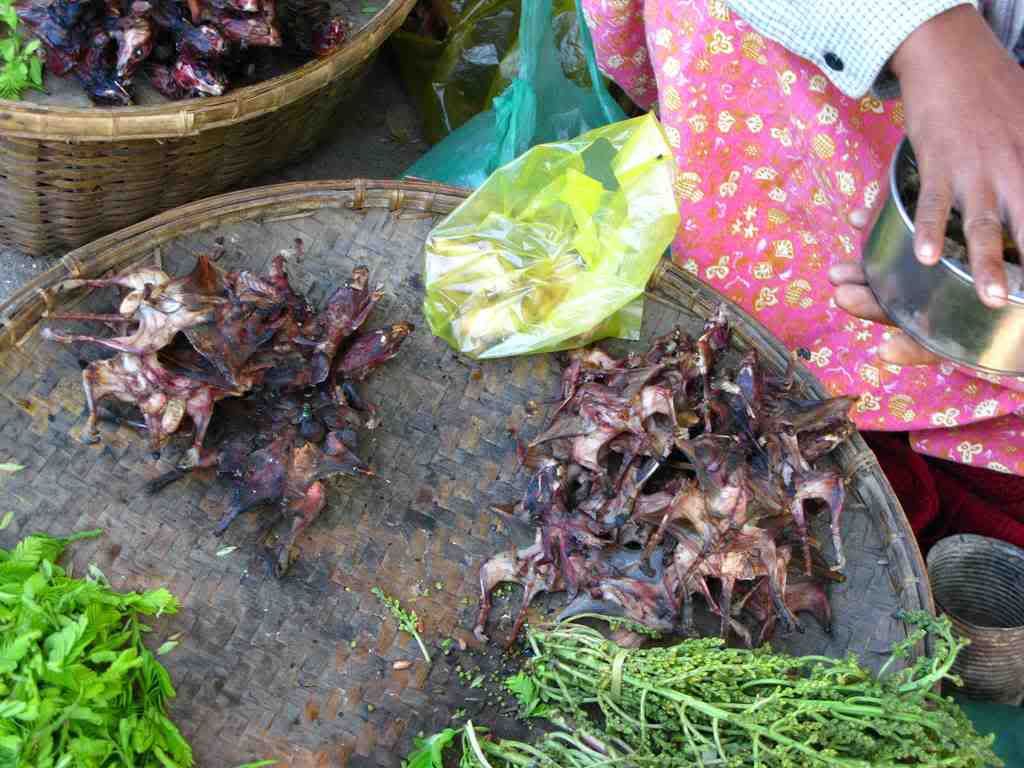
Rat meat is an inexpensive source of protein for many poorer villagers in India and Southeast Asia. It forms part of the local diet in Laos and Myanmar, in addition to India. We even saw dried rat for sale in a local food market in Bagan during our visit to Myanmar in January.


Think I'll stick to chicken!

Monday, August 4, 2008

Water Woes: Asia, Africa and Cholera

It's a rare day that goes by without a story somewhere in the news about a cholera outbreak in Asia or Africa. In 2007, the World Health Organization received reports of 177,963 cases of cholera – including 4,031 deaths – from 53 countries. These data are not all-inclusive. No cases were reported from Central or South America, and no information was available from the Western Pacific or Central Asia.

The culprit is Vibrio cholerae, a rod-shaped bacterium that is spread through contaminated water – including shellfish harvested from contaminated sea beds, produce grown using contaminated irrigation water, or produce washed in contaminated water.

Vibrio cholerae infections result in a watery diarrhea, which can vary from mild to severe – sometimes bloody. Severe cases can result in life-threatening dehydration, especially in the very young and the elderly.

Following are recent examples of the impact of cholera on the health and lives of people living in parts of Africa and Asia.

Kenya (July 29th): Government officials blamed contaminated water for recurring outbreaks of cholera in the western province of Nyanza. A high water table, wells located too close to latrines, and poor sanitation practices were cited as contributing to the outbreaks.

Guinea-Bissau (August 1st): Cholera has caused 25 deaths and 1,077 illnesses so far in an outbreak that has spread through the country. Three-quarters of the victims live in the capital city, Bissau. As in Kenya, heavy rains and contaminated wells have contributed to the problem. Only 20% of the residents of Bissau have access to municipal "piped" water.

Zimbabwe (August 4th): Harare has been hit with an outbreak of diarrhea, which may or may not be due to Vibrio cholerae. As in Bissau, a severe lack of municipal water has forced residents to use water from nearby – often polluted – streams, and unprotected wells.

Indonesia (August 4th): Social workers have accused government officials of neglecting a cholera outbreak that has killed 173 people since April. The Health Ministry disputed the claimed death toll, saying that "only" 87 people have died. The Ministry blamed the on-going outbreak on a traditional custom of hugging dead bodies.

The Indonesian situation is just one example of how political and cultural issues can complicate the fight against cholera and other similar diseases. A recent news article in The New Vision quoted the Ugandan water minister as blaming cultural beliefs for a recent cholera outbreak that killed between 30 and 40 people.

According to the article, Minister Jennifer Namuyangu said, "They say the water from unprotected sources is thick and tastes sweet yet some of the sources that I visited were untidy and surrounded by faeces." Residents in the eastern part of the country – especially the older generation – apparent prefer to drink unprotected water from rivers, streams and unprotected wells.

Until government inertia and local customs can be overcome, the World Health Organization will be hard-pressed to make a serious dent in the frequency and size of cholera outbreaks in Asia and Africa.

Monday, July 28, 2008

Water Woes: Asia and Africa

The good news, according to a recent World Health Organization report, is that the number of people worldwide with no access to a protected drinking water source has fallen below one billion for the first time. The bad news is that 2.5 billion people – most of them in Asia and Africa – lack access to decent sanitation facilities. And nearly 1.2 billion people still have no alternative than to defecate in the open.

In light of these sad statistics, it's no wonder that a new or expanded cholera outbreak – or some other water-borne disease – is reported in Asia or Africa almost daily. Here are some examples:

Jaipur India. Three people die – including an eight-year old girl – and 115 people suffer from diarrhea after drinking contaminated water. The drinking water supply became contaminated by drain water as a result of pipeline corrosion.

Chandigarh, India. An outbreak of diarrhea, including approximately 20 confirmed cases of cholera is growing. Authorities have been sampling foods and water in a desperate effort to find the source of the outbreak, which has now sickened at least 400 people.

Ho Chi Minh City, Vietnam. Students in residence at Vietnam National University have been complaining about the quality of their water. Water for the student residence is pumped from wells and held in large storage tanks. Often, the tanks are adjacent to toilet facilities. The water usually is dirty, and is heavily contaminated with alum. Students use this water for washing, cooking and drinking.

Kitgum District, Uganda. Hepatitis E Virus, which has infected 4,000 people in the last five years in this northern Uganda district and has claimed 67 lives, has been linked to water drawn from springs, boreholes and shallow wells – often located near latrines. Tests carried out on water samples from these sources detected fecal coliform bacteria – an indication that the water has been contaminated with human or animal waste. UNICEF is asking for assistance to disinfect the water sources, most of which serve IDP (Internally Displaced Persons) camps in the district.

Anchau, Nigeria. Drought has dried up 90% of the water sources in this village and its surrounding areas. The water that remains is badly polluted due, at least in part, to a poor drainage system. Cholera, ever the opportunist, has taken hold in this area and has killed a dozen people so far.

Guinea Bissau. The situation in this west African nation is just the opposite from the Nigerian crisis. Flooding caused by heavy rains has washed fecal material into the country's wells and reservoirs. The resulting cholera outbreak has spread to many areas of the country that were previous thought to be safe. So far, 611 have contracted the disease – more than half of them in July. Fourteen people have died. The World Health Organization and UNICEF are doing what they can to help stem the spread of the disease. But there is, at present, not enough chlorine in the country to decontaminate the water supply.

Myanmar. The pleasant surprise in this deluge of bad news is the Ayeyarwaddy Delta region of Myanmar – hard hit by Cyclone Nargis in early May – where cholera has not broken out. While there have been scattered cases of diarrheal disease, the outbreak predicted by so many people (including eFoodAlert) never materialized. This outcome, while unexpected, is in line with the results of a study reported recently in Journal of Hospital Infection, and commented on in the July issue of Microbe, a monthly publication of the American Society for Microbiology. The study's authors pointed out that neither the 2004 tsunami nor hurricane Katrina were followed by severe outbreaks of communicable diseases.

WHO and other international organizations face major challenges in bringing improved sanitation facilities and safe drinking water to people living in the underdeveloped regions of the world. But these outbreaks, and all the others that are yet to come, highlight the importance of this international effort. We can never eradicate cholera – it's too well entrenched. But we can reduce its ability to spread by bringing basic sanitation and hygiene to people who need them desperately.

Tuesday, July 8, 2008

Food Poisoning Around The World: July 8th Edition

Our virtual travel this week consists of four stops, and includes one very unusual outbreak – gastrointestinal anthrax.

Stockholm, Sweden

A two-year-old child died late last week after becoming infected with enterohemorrhagic E. coli. The child, who became ill just over a week ago, succumbed a few days after her symptoms appeared. Health officials do not yet know how the little girl contracted her infection.

The last fatality caused by this microbe in Sweden occurred in 2005. The country usually experiences approximately 100 cases of enterohemorrhagic E. coli infections by mid-year, and this year has been no exception. The pathogen can be transmitted by direct contact with infected animals – on farms or in petting zoos – by eating contaminated food, or by direct contact with the feces of an infected individual.

Masantol, Philippines

More than 100 participants at a "thanksgiving party" became ill last month after enjoying a spaghetti dinner. The victims complained of stomach aches, vomiting, nausea, and diarrhea the morning after attending the Sunday evening dinner. More than one-third of the people were treated in hospital and released. Health authorities did not name the microbe that caused this outbreak, but the symptoms are consistent either with Clostridium perfringens or Bacillus cereus.

Hong Kong
The Centre for Health Protection (CHP) reported two restaurant-food poisoning investigations. On June 30th, 13 people fell ill after eating lunch on a boat trip the day before. Three of the victims were admitted to hospital for treatment, while several others were treated by private doctors.

CHP announced an investigation into two additional food poisoning incidents on July 2nd. Twenty-five individuals complained of abdominal pain, diarrhoea, vomiting and fever after patronizing a Mong Kok hotel buffet on June 30th. In a separate incident, 13 people became ill with similar symptoms after consuming food purchased from a "food premises" in the Central district of Hong Kong. Several victims from both incidents sought treatment for their symptoms.

Separately, Hong Kong's Food & Environmental Hygiene Department (FEHD) lifted closure orders from two sushi restaurants (Itacho Sushi on Hennessy Road, Wan Chai, and Itamae Sushi on Hoi Yuen Road, Kwun Tong) that had been implicated in food poisoning incidents earlier in June. The restaurants were allowed to reopen after undertaking a thorough cleaning and disinfection, and upgrading their workflow procedures.

Finally, FEHD ordered a restaurant on Man Nin Street in Sai Kung to close for cleaning and disinfection after the outlet was found to be the source of two food poisoning incidents, involving 26 people in June and early July. The restaurant will remain closed until FEHD is satisfied that it has corrected its health and sanitation deficiencies.

Ha Giang Province, Viet Nam
Two people died, and more than 400 were sickened in this northern province after eating meat from anthrax-infected animals – the result of good intentions gone terribly wrong.

The owners of two cows, which had died of unknown causes, shared their meat with 90 families in Po Qua Hamlet on June 21st. All those who ate the meat complained of vomiting, stomachache and swollen legs. In addition to the two fatalities, three more victims are in critical condition.

Local authorities are working to contain the anthrax outbreak that has hit cattle in this district. And they have cautioned residents against eating meat from the infected animals.


And thus ends another leg of our world tour.

Wednesday, July 2, 2008

Revisiting Myanmar: Eyewitness Report, Part Two

Yesterday, I posted the first paragraphs of an eyewitness report that was written by a native of Myanmar now living in the United States. This courageous and compassionate person, who I refer to here as "U", traveled to Myanmar with two suitcases full of aid supplies and spent three weeks delivering assistance to villagers in the disaster area.

Here is the rest of U's trip report:
The Burmese government’s response to the storm has left a lot to be desired and can be described as neglect. Their reaction afterwards was even worse. The first to help those who had suffered, to clear roads and debris so that people who needed help could be reached, and to provide shelter for those in need, was not the government, but those living in the cyclone-hit regions who were fortunate enough to have something left to help others.

Many aid workers and experts with the experience, knowledge and skills necessary to help rebuild the lives of the victims and prevent the death toll from rising higher and higher were subject to bureaucratic delays or denied access altogether. The longer aid supplies and relief workers were kept waiting, the higher the chance that the death toll would continue to climb. While people were suffering and at risk of disease and death, the junta chose to give priority to the referendum it wished to see passed. While the world debated what to do about the situation, the government continued to value its own political goals over the needs of the victims.

While I was relieved to know that my own family was safe, I could not just stay in [deleted] while people were suffering in Burma. The government banned visas to many foreign aid workers who wanted to help the victims of the cyclone. Only Westerners with Burmese citizenship were allowed into the country. As a Burmese citizen, I was able to take that advantage and go back to Burma with two suitcases full of water purification tablets, other medical supplies and some donations from friends.

I spent three weeks in Burma and it was an unforgettable experience. Together with my neighbors, we went to seven villages and distributed about 1400 food bags/supplies to victims of the cyclone. We were not alone: in the absence of an organized relief effort by the government, many Burmese volunteers organized their own deliveries to the delta to help people who had not received any aid.

Life is slowly returning to normal in Rangoon. The streets, once filled with beautiful, green trees, today are littered with torn and twisted tree limbs, but most of the fallen trunks have been pushed to one side, so traffic is flowing. Some shops and offices are open again.

In the Irrawaddy delta, half a day's journey from Rangoon, life is far from normal. This is a desperately poor region where hundreds of thousands of people live in tiny settlements scattered amongst low-lying islands.

Instead of welcoming help and granting improved access to the Irrawaddy Delta area, the Burmese military government is still using red tape to obstruct some relief efforts. At each checkpoint on the way to delta areas, we encountered not only police, but also immigration officers searching out any foreigners who might be coming in with locals. Even Burmese citizens are being restricted by the security forces. At some checkpoints, the officials wanted us to leave our supplies with them for distribution. We refused, since we knew that, if we had done so, the supplies would not get to the victims, and might even end up on the black market. Then they asked if we wanted to distribute aid ourselves. We said yes, so they asked us to give them money.

I wanted to use my small video camera to make a record of our aid distribution to show my friends; in some places we were allowed to do so, but not in others, where we were requested not to take pictures. In [deleted] village, my video camera was taken by the check point officer. After talking with him for about 30 minutes, explaining it was just for my family to see, and after offering him money, he agreed to gave me back the camera—but without the tape.

On our way to [deleted village name], we saw dead buffalo and cows floating. There is still a bad smell swirling around. Villagers in that area said that there were still bloated bodies lying uncollected near their villages.

Cyclone victims from villages between Kunchangone in Rangoon Division and Irrawaddy's Dadaye Township are keeping a daily roadside vigil in the hope of receiving aid. Villagers continued to flock to the main highways because aid workers had not been able to access the more remote villages. The villagers go back to their villages in boats at the end of the day, after they have received food for their family from the aid workers. Their buffaloes and cows were killed by the storm, so it is very unlikely that they will be able to resume their routine jobs this year.

As for living conditions, they don’t even have enough plastic sheets to make roofs for their shacks. They are using coconut leaves for roofs. After distributing food supplies in [deleted village name], we came back in the heavy rain and saw many, many people crouched by the side of the road, holding their children in their arms and covering themselves with plastic sheets.

A week before I came back to [deleted], the Myanmar Jewish community hosted an interfaith prayer ceremony for the victims of the cyclone at the Rangoon Synagogue. Leaders from the Muslim, Christian, Buddhist, Bahai’ and Hindu communities were invited to attend. About 100 people assembled for the ceremony and it was beautiful to see all the different religions gather together for a common cause affecting all of our people, regardless of their individual faiths.

Wherever we went to distribute food bags, plastic shelters and clothing, I could see the faces of the cyclone victims light up. It was very rewarding to see smiles on the faces of people who had suffered so much. And in every cyclone-hit region I went to in Burma, I shared with the victims I met there that there are passionate people in the outside world who care about the Burmese people and whose hearts go out to them during this very difficult time.

Tuesday, July 1, 2008

Revisiting Myanmar: Eyewitness Report, Part One

We haven't been hearing much about Myanmar recently. Its tragedy has been replaced by other – more recent – news: the electoral sham in Zimbabwe, China's preparation for the 2008 Olympics, world food shortages, and escalating petroleum prices.

But lack of media attention doesn't equate to an absence of news – or mean that Myanmar's problems have disappeared in some magical way. The status quo is still very much in place.

The difficulties encountered by the United Nations, international aid organizations, and foreign governments who wanted to assist survivors of Cyclone Nargis have been reported in great detail. The military junta, which rules Myanmar, first denied needing outside help, then welcomed foreign aid supplies, but insisted on distributing the aid itself.

In spite of predictions of a public health disaster – published elsewhere as well as on this blog – major outbreaks of dysentery and cholera appear to have been averted. Or, any spike in illnesses following the Cyclone might have been masked by the normal level of diarrheal disease in that region.

But some of the credit for staving off sickness and starvation must go to the citizens of Myanmar who banded together – in the face of government disapproval and obstruction – to assemble and deliver aid to their compatriots in the Ayeyarwaddy Delta. These volunteers returned from their visits to the Delta with tales of homeless storm victims, rotten rice, and confiscated aid supplies.

The Myanmar government has denied all of the reports of mismanagement and malfeasance that have emanated from the cyclone-stricken area, saying in one article that "...the rumours are invented and spread by certain Western countries with negative attitude towards our country."

This statement, however, is belied by eyewitness reports from aid workers and others who have visited the Ayeyarwaddy Delta and seen the misery that remains. I have been corresponding with one such eyewitness, whom I shall call "U" – a Myanmar honorific, which is roughly equivalent to the Japanese "San".

U recently returned from a three-week visit to Myanmar. He has consented to sharing his observations with eFoodAlert readers. His report is dated 6/12/2008. I have deleted all references that might identify him or his family, some of whom still live in Myanmar. My deletions are shown in red.

On May 2, 2008, Cyclone Nargis hit Burma, first attacking the southern part of Irrawaddy Division, then passing through Rangoon (Yangon) and the delta areas. In its wake, the cyclone left 133,000 people dead or missing. According to the United Nations, 2.4 million people required emergency aid, but five weeks after the storm, there are still one million people who have yet to receive any help at all.

Fortunately for me, I was living in [deleted], working for [deleted]. My family in Rangoon was not so fortunate, and they had to endure several hours of intense rain and wind as the storm made its way across Burma. As it was, I was out of [deleted] at a conference, and I wasn’t even aware that a cyclone had hit Burma until the morning of May 4th, when I received many phone calls from my friends in the United States, all enquiring about my family. I was shocked to hear the news and it took me a while to absorb the fact that my family could be in danger.

Even in normal times, communications between the U.S. and Burma can be difficult, with email and telephone calls not easy to get through. This time, it took two days, until May 6th, with the help of the [deleted] Embassy and the [deleted] Embassy in Rangoon, I finally received the news that my family had survived and our house suffered only minor damage to the roof, but it had been quickly repaired. While many were equally fortunate, a great number more suffered far worse conditions and had nothing left but the clothes on their backs. Some did not even have that: the storm blew them off while they clung to trees for survival as the cyclone tore away their homes and their families.

This completes the introductory part of U's report. Please watch for the balance of the report, which will appear tomorrow.

Wednesday, June 25, 2008

In Other News . . .

Food-borne illness doesn't take a holiday elsewhere, just because of an outbreak or two in the United States. Here's the recent news from around the world.

Hong Kong
I reported last weekend that the Centre for Health Protection (CHP) had ordered a restaurant in Wan Chai closed for cleaning and disinfection after 6 patrons had developed food poisoning as a result of dining at the restaurant on June 9th and 15th. This action was too late to save an additional 13 clients from a bout of food poisoning after eating at that restaurant on June 16th.

CHP is also investigating an outbreak of gastroenteritis reported by 10 people who dined on a yacht on June 21st. Three of the victims visited a hospital for treatment, while another three contacted private doctors.

Tay Ninh, Viet Nam

Twenty percent of the workforce of the Hoang Gia VMC Limited Company– roughly 1,000 people – succumbed to food poisoning after eating dinner at the shoe factory on Monday, June 23rd. Hundreds of the workers were hospitalized after complaining of stomach aches and vomiting. Some also suffered from low blood pressure. The province's Department of Health is looking into the incident.

Rostov-on-Don, Russia
An inquest has been initiated into a food poisoning outbreak that sickened 43 kindergarten children in the south of Russia. Seventeen of the children were hospitalized. Authorities suspect that either dairy products or cabbage salad trimmed with dill are the most probable sources of the food poisoning. Lab tests are underway.

Lake Garda, Italy
Salmonella is suspected as being responsible for the death of a 71-year old British tourist and the illness of 19 others who dined at the Grand Hotel at Gardone Riviera in northern Italy. The twenty tourists complained of severe vomiting, diarrhoea and dehydration several hours after their meal. The twenty were part of a British tour group of 300 people.

Health officials suspect that contaminated fish might have been responsible for the illnesses, but are waiting for the results of lab analyses. The hotel's kitchen has been closed while the investigation proceeds.

According to the BBC News report, this resort once was a favorite destination of Winston Churchill.

North Carolina, USA
North Carolina is experiencing a cluster of Salmonella cases, according to a report WSPA News Channel 7. Nine patrons of O'Dear's Country Diner in Marion, NC were infected by Salmonella after eating at the restaurant. Three were hospitalized.

Lab results aren't available yet, but local health inspectors have ruled out any link to the tomato outbreak, "...because the ones served at the restaurant were from an approved FDA source."

No comment!

Monday, May 19, 2008

Myanmar After The Storm: Honoring The Victims

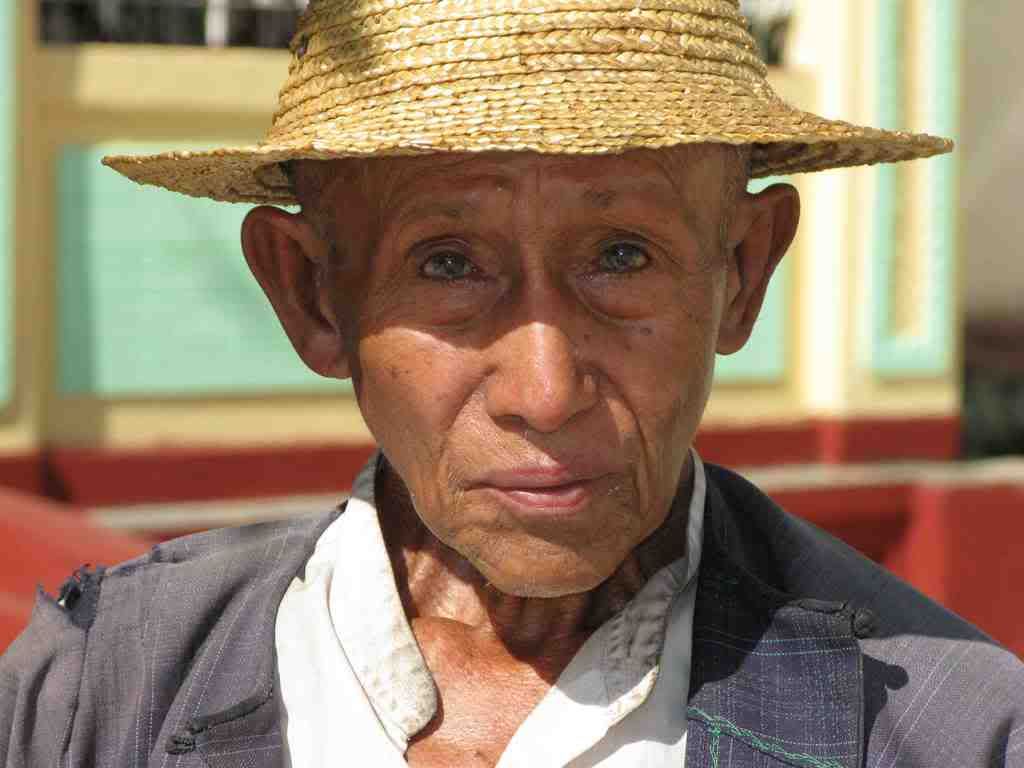
The government of Myanmar has borrowed a page from China's playbook and has declared three days of mourning for the victims of Cyclone Nargis. In honor of those victims – the dead and the still-living – here are some pictures of Myanmar people in slightly happier times.


FACES OF MYANMAR - JANUARY 2008

A monk at home in his monastery in Yangon, near the Reclining Buddha statue


The senior monk at the same monastery


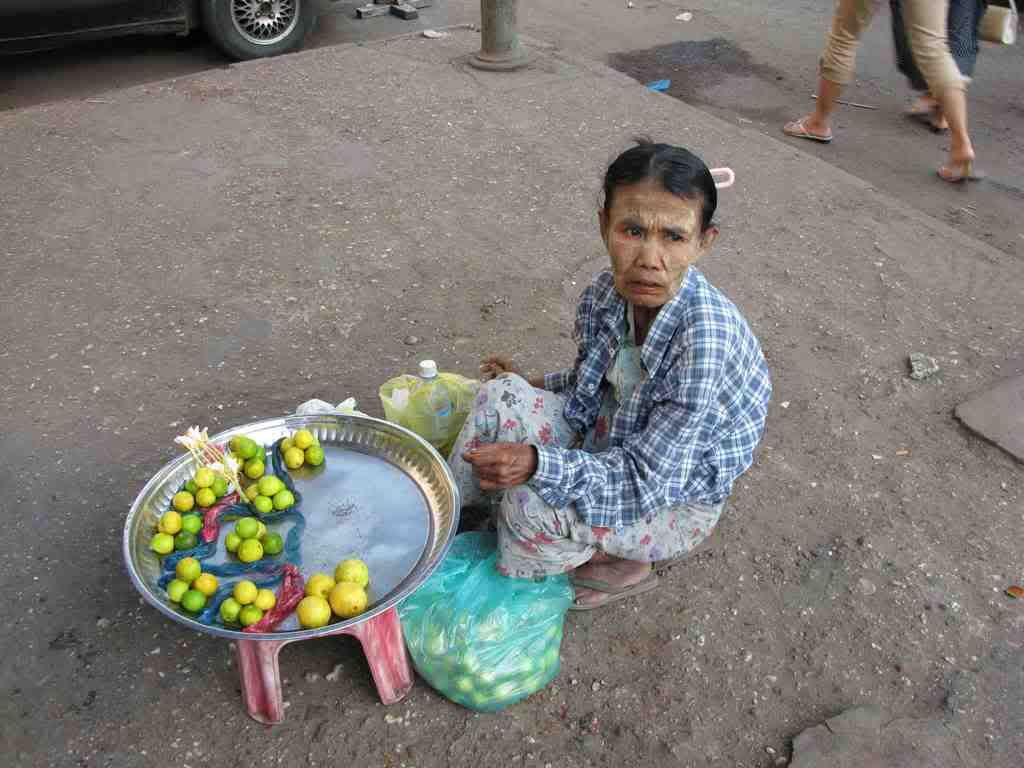
Sidewalk fruit seller in Yangon's city center


Volunteers cleaning the stone pavement of the Shwedagon Pagoda in Yangon


Visitors relaxing at the Shwedagon Pagoda


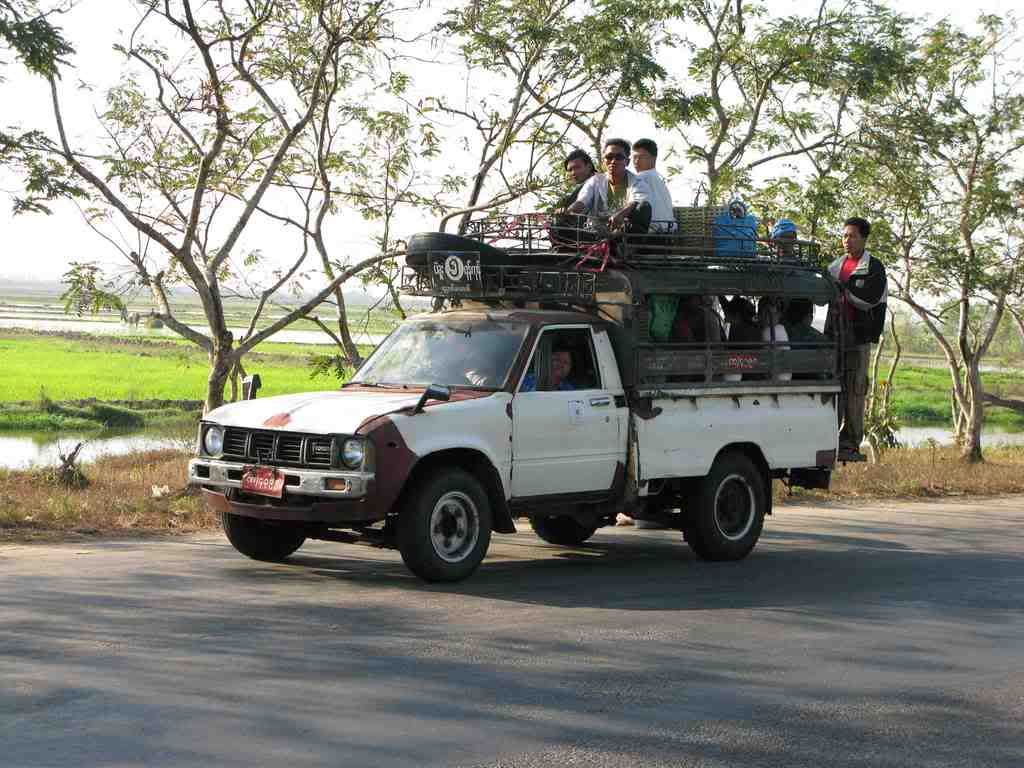
Public bus service on the road outside of Yangon


A group of children on their way to school


Daily procession of monks near Bago


Solitary man - Bago


Young women at the Golden Rock Pagoda "base camp"


Myanmar's future rests here

Sunday, May 18, 2008

Myanmar After The Storm: Part 6

The official toll of dead and missing in the aftermath of Cyclone Nargis has increased to more than 133,000. Nearly 78,000 people have died, according to the Myanmar government, and more than 55,000 are still unaccounted for.

Estimates of the total number of people affected by the cyclone are as high as 3.2 million, based on a computer model of the population distribution in the area. And the International Red Cross has warned repeatedly and urgently that clean water is needed to avert a public health disaster.

But we need not worry, because the Myanmar government has announced that there is no outbreak of infectious diseases in the region hit by Cyclone Nargis. And that makes it so.

The World Health Organization, however, has confirmed some cases of cholera, but it reports that the number of cases seen so far don't exceed the usual pattern for this time of year. That could change at any moment.

Fortunately, more supplies – and more aid workers – are being permitted to enter Myanmar than before. And the government has shown a bit less reluctance in recent days to allow some foreign aid workers access to the Ayeyarwaddy Delta. A deal has evolved that would have foreign aid efforts coordinated by Myanmar's neighbors and members of the ASEAN group of countries, all of whom are on better terms with the Myanmar government than are the United States, Britain and the European Union.

General Than Shwe, the head of the Myanmar government has finally stirred from his isolated capital of Naypyitaw to visit two relief camps in suburban Yangon.

The cyclone has ended, but the misery lingers on.

Wednesday, May 14, 2008

Myanmar After The Storm: Part 5


It's time to put the needs of the people first.


Ever since Cyclone Nargis struck Myanmar on May 3rd and decimated the population of the Ayeyarwaddy River Delta, the international community has been trying to help the cyclone victims.

And in the aftermath of the storm, the military junta in control of that unfortunate country has responded:
Meanwhile, heavy rain is continuing to soak the already-saturated delta and another cyclone may be forming in the region.

The United Nations, in order to avert what it is describing as a "second catastrophe", is calling for an air and sea corridor to funnel supplies and personnel directly into the stricken region. France, Britain and Germany have gone even further.

These three countries plan to propose to the Security Council that the UN invoke its humanitarian 'responsibility to protect' and deliver assistance to the storm victims without the agreement or cooperation of the Myanmar government. Not all EU countries approve of this approach, and there is no indication when France, Britain and Germany plan to make this proposal – or whether China and Russia, who are both against the idea, would veto such action.

As aid shipments pile up waiting for clearance to enter Myanmar via Yangon Airport, as aid workers sit impatiently on the sidelines waiting for permission to enter the disaster areas, and as Myanmar's senior general, Than Shwe, dodges telephone calls from UN Secretary General Ban Ki-Moon, people are dying needlessly.

France, Britain and Germany have it right. Protecting the lives and health of the Myanmar people is far more important than protecting the national sovereignty of Myanmar's military regime.