Saturday, June 7, 2008

Tomato Outbreak Continues to Expand

FDA has issued an expanded warning to consumers nationwide to avoid eating certain varieties of raw tomatoes that may be implicated in a Salmonella Saintpaul outbreak that has sickened 145 people in 16 states so far. At least 23 people have been hospitalized.

The illnesses have been associated with consumption of red plum, red Roma, or red round tomatoes, and products containing these raw, red tomatoes. Cherry tomatoes, grape tomatoes, vine-attached tomatoes and home-grown tomatoes have not been implicated in this outbreak.

While the source of the contaminated tomatoes has not yet been determined, epidemiological investigations have excluded tomatoes grown and harvested in the following states, territories and countries:

Arkansas, California, Georgia, North Carolina, South Carolina, Tennessee, Texas, Belgium, Canada, Dominican Republic, Guatemala, Israel, Netherlands, and Puerto Rico.

Please check on the country, state or territory of origin when buying tomatoes, and restrict your purchases to tomatoes that have not been implicated in this outbreak.

Update on Salmonella-contaminated Tomatoes

The CDC and FDA are continuing to work with state agencies to determine the scope and the source of the Salmonella Saintpaul outbreak. In its June 5th update, CDC reported that 71 cases of lab-confirmed Salmonella Saintpaul illnesses have been linked to consumption of raw tomatoes in New Mexico (36 people) and Texas (35 people). Nineteen of the 71 victims have needed hospital care.

The number of cases in New Mexico is certain to grow, as the state is still awaiting lab results on several additional victims. The latest news (June 4th) from the New Mexico Department of Health indicates a total of 40 confirmed and suspected outbreak victims.

Meanwhile, 10 other states have reported a total of 34 cases of Salmonella illnesses, caused by the same strain as the one responsible for the New Mexico/Texas outbreak. Investigators are still working to determine whether any of these illnesses can be traced to raw tomatoes.

One California resident has been confirmed to be infected with the outbreak strain of Salmonella Saintpaul. The California Department of Public Health is working to determine whether this person ate raw tomatoes within California or while traveling out of state. Additionally, an Oregon resident who visited southern California has also been infected with the outbreak strain.

FDA has posted a special web page dedicated to the tomato outbreak. This page includes a list of countries whose tomatoes have been cleared of any involvement in the current outbreak. Consumers, restaurant managers and food service operators who purchase raw tomatoes should consult this list and only buy tomatoes originating from one of these countries until the source of the outbreak has been determined.

Preliminary epidemiological information is pointing an accusatory finger at raw red plum, red Roma, or round red tomatoes. Cherry tomatoes, grape tomatoes, vine-attached tomatoes, and home-grown tomatoes do not appear to be involved in the outbreak. Until more information is available, stick to one of the "safe" varieties – especially if the store has no information on where its tomatoes were grown.

Friday, June 6, 2008

And In Other News . . .

Here is a summary of other food alerts and other health-related news items that popped up during the last couple of weeks.

May 27th
Supreme Cuts LLC of Mahwah, NJ recalled 87 cases of "Off the Cob Fresh Kernel Corn" after the company found Listeria monocytogenes in a sample of the product. Supreme Cuts suspended production until it could track down the source of the contamination. The corn was distributed to a small number of stores in New Jersey and Massachusetts. Customers were told to discard any unused "Off the Cob" corn that was labeled with a "best before" date of May 26.

May 28th
Orval Kent Foods recalled 23,000 pounds of Amish Macaroni Salad after the Ohio Department of Agriculture found E. coli O157:H7 in a sample. The salad was shipped to retail and food service establishments in Delaware, Illinois, Indiana, Maryland, Michigan, New Jersey, New York, Ohio, and Pennsylvania. Customers were urged to return unopened containers for a full refund. No illnesses have been reported.

May 30th

The UK Food Standards Agency has updated its advisory to British consumers against consuming Bantry Bay frozen mussels, which may contain Azaspiracid Shellfish Poisoning toxins. The advisory has been expanded to include the following product:
  • Bantry Bay Mussels in Garlic
  • Size: 900g
  • Best before: 6 June 2009
  • Product code: GBDBL12
  • Batch: 24A2
The product was sold only in Makro stores. Consumers are advised to return the recalled mussels to the store for a refund.

May 30th
Fresca Italia, Inc., a California company, recalled one production batch of Burrata, an Italian-style fresh cheese, after the California Dept. of Food & Agriculture detected Listeria monocytogenes in a sample of the cheese. The Burrata, which carries an expiration date of 24/5/2008, was distributed to retail stores and restaurants in the San Francisco Bay area and in southern California.

And that should bring us up to date – at least for now.

Salmonella in Smoked Sausage

Consumers in the United Kingdom should be aware that two batches of chorizo have been recalled by Creative Ingredients Ltd, according to an alert issued by the Food Standards Agency. The recall is due to the presence of Salmonella in the sausages.

The following two batches of chorizo have been recalled:

D’elitte Chorizo Picanté Extra
Pack Size: 200g
Batch Number: 189/07
Best Before: Feb 2009

D’elitte Chorizo Suavé Extra
Pack Size: 200g
Batch Number: 26/08
Best Before: March 2009

Chorizo is a fermented, cured and smoked pork sausage, which is often eaten without further cooking. Consumers who have purchased this sausage should return it to the store for a full refund.

Lettuce Under Suspicion Again

The Washington State Department of Health is investigating a possible link between contaminated lettuce and nine confirmed cases of E. coli O157:H7 infection in the state. A tenth case, which might also be part of the same outbreak was not lab-tested.

Bill Marler, who is based in the Seattle, WA area, reports that the outbreak has been traced to bagged, commercial romaine lettuce, according to a news item on King 5 TV. The lettuce was apparently supplied to restaurants and/or food service establishments, and was not available through retail stores.

Thursday, June 5, 2008

Canada Cautions Consumers On California Cantaloupe

On June 2nd, the Canadian Food Inspection Agency alerted consumers in the province of Ontario that some US-grown cantaloupes distributed in the province might be contaminated with Salmonella.

The KingFisher brand cantaloupes are the product of Fisher Ranch Corp., Blythe, CA. They were sold in retail stores in the province of Ontario between May 16th and June 2nd, inclusive.

While no illnesses have been associated with the cantaloupe, the importer, Gambles Ontario Produce Inc., Toronto, Ontario, has recalled all outstanding stock. Consumers who have purchased whole or cut cantaloupe – including products containing pieces of cantaloupe – should check with the store to determine the origin of the cantaloupe.

If you have experienced symptoms of gastroenteritis within a few days of having eaten cantaloupe that you believe to be implicated in this recall, please contact your health care provider.

Stewing Over Salmonella-Contaminated Tomatoes

The FDA, the CDC and several state departments of health are investigating an outbreak of Salmonella Saintpaul illnesses that have been linked to certain varieties of raw tomatoes.

According to information provided on the CDC website, 57 people in Texas and New Mexico have been infected with the identical strain of Salmonella Saintpaul. At least 17 of the victims have been hospitalized. Epidemiological evidence is pointing investigators to large tomato varieties, including Roma and red round tomatoes, as the source of the outbreak.

Eight other states have also reported having recovered the outbreak strain of Salmonella Saintpaul from a total of 29 people. CDC does not yet know whether or not these illnesses are also linked to consumption of raw tomatoes.

Until the source of the outbreak can be determined, FDA has warned consumers in New Mexico and Texas to limit themselves to tomato varieties that have not been implicated in the investigation – cherry tomatoes, grape tomatoes and tomatoes still attached to the vine – or to home-grown tomatoes.

Including this latest incident, contaminated tomatoes have accounted for a baker's dozen (13) Salmonella outbreaks in the past ten years. While researchers haven't yet established how a tomato crop becomes contaminated, a recent study revealed that Salmonella can survive in soil for at least six weeks – enough time for debris from a contaminated crop to infect a subsequent crop.

Even hydroponic tomatoes are not immune to Salmonella contamination. The pathogen can be tracked in on workers' soiled boots, or by small field animals that find their way into the greenhouses.

Investigators into the cause of the current outbreak are still facing a long list of unanswered questions. Until the source of the Salmonella Saintpaul has been found – and has been taken off the market – consumers throughout the United States should follow the advice given to the citizens of Texas and New Mexico. Stick to cherry tomatoes, grape tomatoes, and "tomatoes on the vine". Or grow your own.

Plus Ça Change . . . .

I've been catching up on the news after being away for a couple of weeks. I'll be posting at a "double time" pace over the next few days to bring everyone up to date on the following stories:
  1. Salmonella Saintpaul food poisoning outbreak linked to tomatoes in several US states.
  2. Source of Princeton University Salmonella outbreak found.
  3. Cost of gastrointestinal illness in Canada estimated at $115 CAD per person per year.
  4. Canada warns consumers about Salmonella-contaminated cantaloupe imported from USA.
  5. UK Food Standards Agency updates warning on toxic Bantry Bay frozen mussels.
  6. Burrata recalled after California finds Listeria monocytogenes in a sample of the Italian-style fresh cheese.
I'll also have some news about the incidence of bacterial contamination in Australian meat and poultry sold in retail markets, a report of a hepatitis outbreak in France, and a norovirus outbreak in Canada, and the latest updates on cholera outbreaks in Asia and Africa.

Or perhaps I should just post a few pictures from our walk through a small farmer's market in Cannes, France.

Tuesday, May 20, 2008

Food Poisoning a la Mode

Home-made ice cream claimed another batch of victims this month. More than 70 people who attended the Relay for Life in Center, Texas on May 2nd were infected with Salmonella after eating home-made ice cream at the fund-raiser.

This was the most recent in a series of sporadic Salmonella outbreaks traced to home-made ice cream over the years. Three such outbreaks – in Fort Monmouth, New Jersey (1988), in Florida (1993), and in Edmonton, Alberta (1999) – were all linked to the use of raw shell eggs in the ice cream.

But commercial ice cream isn't immune to contamination. In 1994, Schwan's ice cream was the source of a major, multi-state outbreak of Salmonella infections. The company purchased pasteurized ice cream premix in bulk, mixed it with flavoring and other ingredients in its own processing facility, and then packaged the finished ice cream.

At the time of the outbreak, Schwan's did not have an in-house pasteurizer. The company relied on its sanitary handling practices to prevent the bulk ice cream premix from becoming contaminated. The sanitary tankers that were used to transport the ice cream premix to Schwan's location were – according to Schwan's contract with the trucker and supplier – supposed to be dedicated to that purpose.

Some of those tankers, however, had been used previously to transport bulk quantities of unpasteurized raw egg. Investigators concluded that one or more batches of the pasteurized ice cream premix had become contaminated by traces of Salmonella left behind in the bulk tank of one or more trucks. Schwan's changed its practices as a result of this outbreak, and no longer relies on outside pasteurization to ensure the safety of its ice creams.

Three years ago, another multi-state Salmonella outbreak was traced to contaminated ice cream. This time, the culprit was Cold Stone Creamery's cake batter-flavored ice cream. A batch of cake mix that Cold Stone used to flavor its ice cream was found to be contaminated with Salmonella.

Batter-flavored ice creams have gained in popularity in the last few years, in spite of the Cold Stone Salmonella outbreak. A Google search quickly turns up recipes for home-made cake batter ice creams, including this fairly typical recipe, found on www.recipezaar.com. These recipes use cake mix to flavor the ice cream – the same practice that was the source of the Cold Stone outbreak.

The Google search also uncovered at least three commercial ice cream brands that offer batter-flavored ice creams: Blue Bell, Ben & Jerry's, and Cold Stone Creamery. Both Cold Stone and Ben & Jerry's give consumers some insight into how their ice creams are made, though neither company talks about how it prevents contamination of their products after the pasteurization step.

I sent an email to Ben & Jerry's one week ago to ask for more information. I received the following automated reply:
"Your question has been received. We will do our best to respond to you as quickly as possible. Thanks for your patience!"
I sent a similar message to Cold Stone Creamery, and was pleased to receive a more detailed – and more personal – message from Anne Christenson, Sr. Public Relations Manager of Kahala Corp (Cold Stone's parent company). Ms. Christenson has given me permission to quote her reply to my query in full. It reads,

"Following the voluntary recall in 2005, the original cake batter flavor was reformulated and introduced using a new supplier. More specifically, the ingredients added to this new Cake Batter formulation are manufactured by Continental Mills using a proprietary recipe prepared exclusively for Cold Stone Creamery. Continental Mills develops specialty foods for raw consumption.

Two of the new batter flavors, Blueberry and Chocolate Cake Batter, use the new cake batter formula along with conventional extracts, fruit purees and pasteurized chocolate ice cream base, depending on the flavor. In addition, Cinnamon Bun and Cookie Dough flavors use “ready-to-eat” batter mixes made with ingredients that are rendered “food safe”. When introducing these new batter flavors along with all our products, it is our intention to offer the most indulgent, highest quality products that comply with all food safety standards."
Most Salmonella infections are mild. Nevertheless, some can have serious consequences. One of the victims of the recent Texas outbreak – a teenager named Ashlyn Johnson – was hospitalized with kidney failure as a result of her infection.

Home-made ice cream can be made safely. To enjoy the richness and flavor of an ice cream that contains eggs, either use pasteurized shell eggs or else choose a recipe that calls for cooking the eggs into a custard.

For safety's sake, avoid home-made cake mix-flavored ice creams. The cake mixes that you purchase at the store are meant to be baked before being eaten. They are not meant to be eaten raw. If you have a yen for batter-flavored ice cream, play it safe and buy a commercial product.





Monday, May 19, 2008

Pork Cracklings Seasoned With Salmonella

USDA's Food Safety and Inspection Service (FSIS) has taken the unusual step of issuing a public health alert, advising consumers that fully cooked pork crackling products produced at Sofia Chicharones, Inc. of Miami, FL may be contaminated with Salmonella.

The cooked pork cracklings are packaged in 3-pound and 5-pound bags, identified with Est. 21055 inside the USDA seal and a "Packed Date" of 051208-1. The 1,100-pound batch of cooked cracklings was sold at the Sofia Chicharones retail outlet on May 12th.

FSIS uncovered the Salmonella contamination as a result of routine testing. No illnesses have been reported, and no unsold product remains.

The company apparently has not issued a recall, and FSIS is advising consumers to discard any uneaten product that matches this description.

Myanmar After The Storm: Honoring The Victims

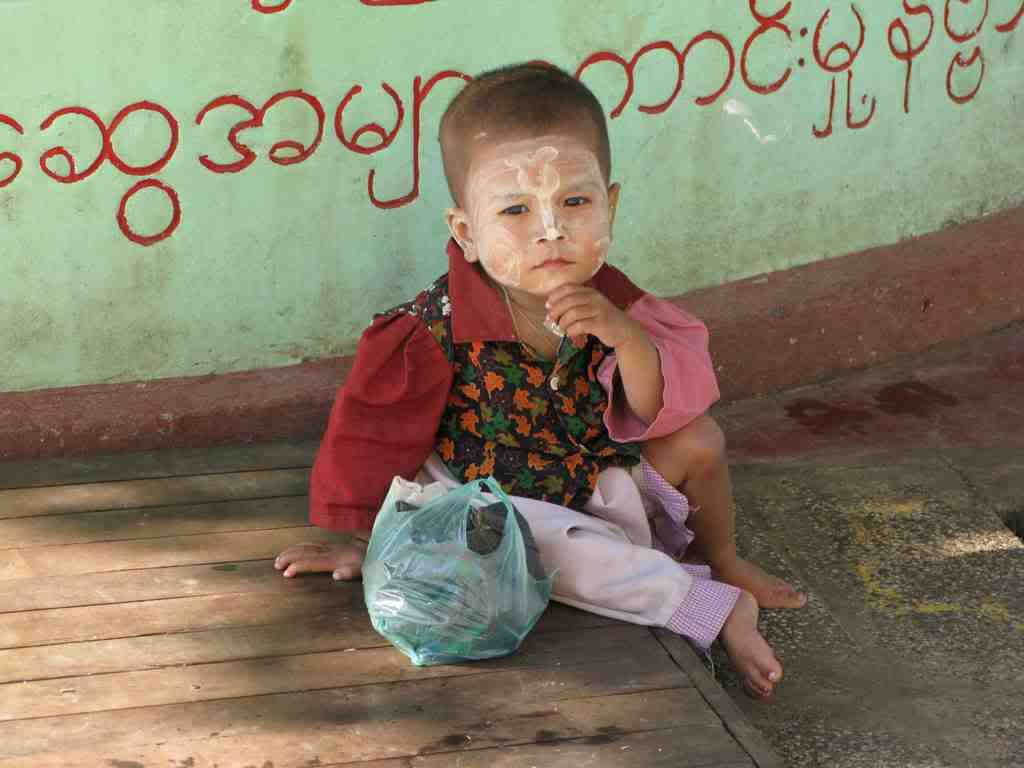
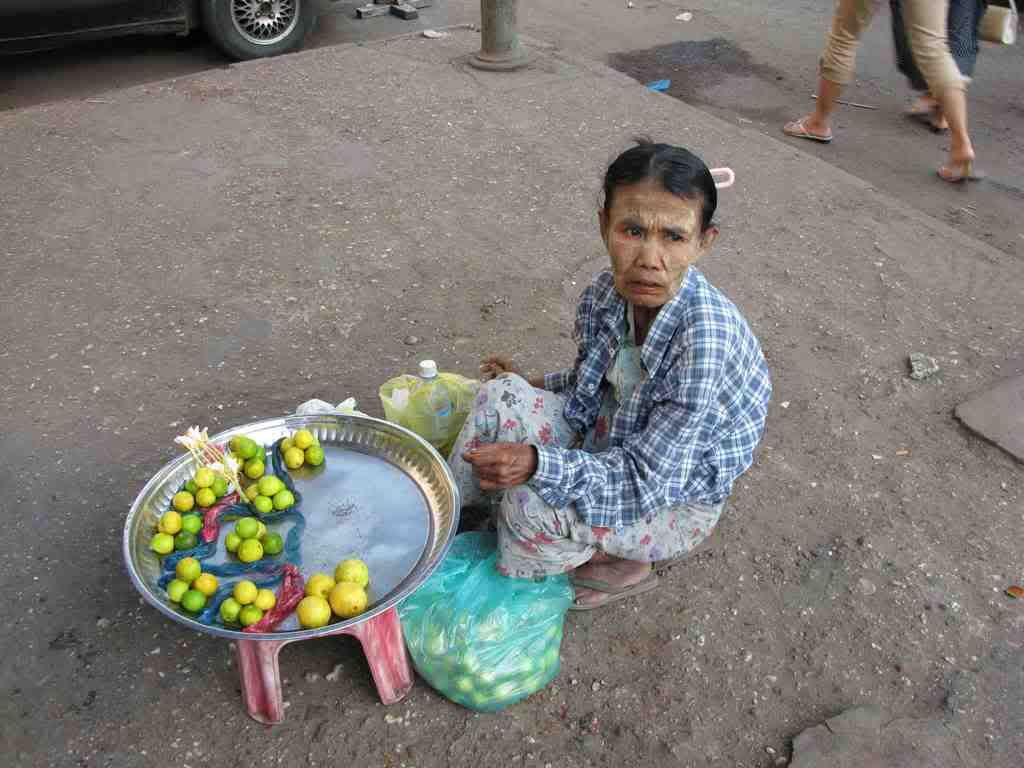
The government of Myanmar has borrowed a page from China's playbook and has declared three days of mourning for the victims of Cyclone Nargis. In honor of those victims – the dead and the still-living – here are some pictures of Myanmar people in slightly happier times.


FACES OF MYANMAR - JANUARY 2008

A monk at home in his monastery in Yangon, near the Reclining Buddha statue


The senior monk at the same monastery


Sidewalk fruit seller in Yangon's city center


Volunteers cleaning the stone pavement of the Shwedagon Pagoda in Yangon


Visitors relaxing at the Shwedagon Pagoda


Public bus service on the road outside of Yangon


A group of children on their way to school


Daily procession of monks near Bago


Solitary man - Bago


Young women at the Golden Rock Pagoda "base camp"


Myanmar's future rests here

In Defense of the Military - Against E. coli O157:H7

Meatingplace.com reported this morning that up to 10,000 pounds of 85% lean ground beef was recalled last week due to the possible presence of E. coli O157:H7.

The ground meat was sold between May 1st and May 14th at ten Army, Navy and Air Force commissaries around the country. The contamination was detected as a result of testing carried out by the Department of Defense Veterinary Food Analysis and Diagnostic Laboratory.

The ten commissaries involved in this recall include:
  1. Great Lakes, IL
  2. Fort McCoy, WI
  3. Bolling Air Force Base, DC
  4. Carlisle Barracks, PA
  5. Fort Monmouth, NJ
  6. Naval Air Engineering Station Lakehurst, NJ
  7. Naval Submarine Base, New London, CT
  8. Tobyhanna Army Depot, PA
  9. Fort Carson, CO
  10. Fort Leavenworth, KS
Customers who purchased 85% lean ground beef from any of the affected commissaries between May 1st and May 14th should either discard the meat or return it to the commissary for a refund.

Hepatitis A Virus Back In The News

The hepatitis A outbreak in San Diego seems to be winding down. At last count, 22 people who had eaten at the Chipotle Mexican Grill in La Mesa were confirmed to be infected with hepatitis A virus. None of the restaurant's 26 employees tested positive for the virus.

The small IHOP-linked outbreak in Albuquerque, NM also seems to have petered out. Two restaurant employees and two customers were infected with hepatitis A. No additional cases have surfaced since the initial report in late April.

A sports-themed restaurant in Riga, Latvia is the focal point of yet another hepatitis A outbreak. At least 44 people, including 7 employees of the restaurant, have been infected with hepatitis A virus since March. The source of the outbreak is believed to be a restaurant employee who began to display symptoms of hepatitis on March 22, and developed jaundice on April 2nd. The employee was hospitalized April 4th.

The 36 men and 8 women who were infected with hepatitis in this outbreak became ill during April – all but one of them between April 10th and April 27th. All of them reported having visited or having worked in the Riga restaurant within the normal incubation period for hepatitis A. Forty of the 44 victims have been hospitalized. The restaurant has been closed since April 22nd for thorough cleaning and disinfection.

The Latvian public health authorities have received unofficial reports that three foreign visitors – one each from Estonia, Lithuania and Germany – to the implicated restaurant have developed hepatitis. Two cases of secondary infections in family members have also been reported.

On the other side of the pond, New Zealand is also in the throes of a hepatitis scare. A waitress at the Copthorne Hotel in Queenstown has been diagnosed with hepatitis A after being admitted to hospital. The waitress worked in the hotel's restaurant between April 11 and May 4. The hotel serves breakfast to an average of 300 guests per day, which means that as many as 6,900 people may have been exposed to infection.

Queenstown, on New Zealand's South Island, is a magnet for adventure-seeking tourists from around the world. The town offers activities that include bungee jumping, sky diving, and white-water rafting.

Anyone who ate at the Copthorne Hotel between April 11th and May 4th should be watchful for early symptoms of hepatitis A infection – nausea, vomiting, stomach aches, lack of appetite, fever – and should seek medical treatment immediately if any of these symptoms appear.

Sunday, May 18, 2008

Myanmar After The Storm: Part 6

The official toll of dead and missing in the aftermath of Cyclone Nargis has increased to more than 133,000. Nearly 78,000 people have died, according to the Myanmar government, and more than 55,000 are still unaccounted for.

Estimates of the total number of people affected by the cyclone are as high as 3.2 million, based on a computer model of the population distribution in the area. And the International Red Cross has warned repeatedly and urgently that clean water is needed to avert a public health disaster.

But we need not worry, because the Myanmar government has announced that there is no outbreak of infectious diseases in the region hit by Cyclone Nargis. And that makes it so.

The World Health Organization, however, has confirmed some cases of cholera, but it reports that the number of cases seen so far don't exceed the usual pattern for this time of year. That could change at any moment.

Fortunately, more supplies – and more aid workers – are being permitted to enter Myanmar than before. And the government has shown a bit less reluctance in recent days to allow some foreign aid workers access to the Ayeyarwaddy Delta. A deal has evolved that would have foreign aid efforts coordinated by Myanmar's neighbors and members of the ASEAN group of countries, all of whom are on better terms with the Myanmar government than are the United States, Britain and the European Union.

General Than Shwe, the head of the Myanmar government has finally stirred from his isolated capital of Naypyitaw to visit two relief camps in suburban Yangon.

The cyclone has ended, but the misery lingers on.

Salmonella Invades Sydney Beaches

Playgrounds at the northern beaches of Sydney, Australia are closed to the public after Salmonella paratyphi biovar Java was detected in the sand in two playgrounds.

Twenty-three children have been infected by this strain of Salmonella. The children were stricken with severe vomiting, diarrhoea and stomach pain. In the past, Salmonella Java infections have been associated with tropical fish aquariums and pet turtles, although food-related outbreaks have occurred.

Officials don't yet know – and may never determine – how the playground sand became contaminated. The source might have been an infected child, or possibly an animal.

Recently, the US Environmental Protection Agency reported that fecal bacteria can be found in both wet and dry sand at swimming beaches in Florida. The sand appears to act as a filter, with the result that E. coli is present at a higher concentration in the sand than in the seawater near the shore. The microbes were able to survive – and multiply – in the sand.

The presence of E. coli in the sand, though, had no apparent effect on the health of beach goers. A questionnaire that was distributed to beach users as part of the EPA study did not uncover any conclusive evidence linking illnesses to beach use.

While Sydney health authorities await tests results to determine whether any other playgrounds are contaminated, park officials are devising plans to eliminate the Salmonella. One solution being considered is to remove and replace all of the sand in the playgrounds. Until the problem has been solved, all of the playgrounds along Sydney's northern beaches will remain closed.

Saturday, May 17, 2008

Food Poisoning Around The World - May 17th Edition

Incidents have been piling up in the last few days, so it's time for another leg of our world tour.

Malaysia
Students at the National Youth Skill Training Institute in Pagoh were stricken with what was described as a mild case of food poisoning this past week. According to a May 16th report in The New Straits Times, 100 trainees at the Institute complained of stomach pain in the middle of the night. The students, who were told to rest, had eaten noodles, nasi lemak, chicken curry and a variety of vegetables in the Institute canteen. Health authorities are investigating the source of the outbreak, but the canteen was allowed to remain open.

The Malaysian National News Agency reported the same day that 289 trainees at the Institut Kemahiran Belia Negara (Malaysian for National Youth Skill Training Institute) in Pagoh complained of stomach aches and diarrhea. The District's Senior Health Officer suggested that chicken curry might have been the source of the food poisoning outbreak. The Institute's canteen has been shut down, according to this report, for 2 weeks to allow for thorough clean-up.

Nanjangud, India
A catered meal is being blamed for a food poisoning outbreak that affected 150 employees – including 4 executives – of a textile factory. Employees were suffering from vomiting and diarrhea. Several of the employees were hospitalized, and three are reported to be in critical condition.

Jaipur, India
Leftover food is thought to be responsible for a food poisoning outbreak in the village of Dausa. At least 46 people were hospitalized – 15 of the in critical condition – with symptoms that included stomach aches, diarrhea and vomiting. The victims had been given leftover food from a religious festival that had been held the previous day. The food had been kept overnight without refrigeration.

Yekaterinburg, Russia
Nineteen attendees, including 17 children, at the "Earth is Our Common Home" festival were stricken with acute gastroenteritis while attending the closing gala. The children were hospitalized, but are in satisfactory condition.

Mahottari, Nepal
Three members of one family are dead after eating food that had been prepared using 2-year old vanaspati ghee, a hydrogenated vegetable fat. Seven other people who shared the meal also were sickened, but are recovering.

Shelby County, Texas, USA
More than 70 attendees at a May 2nd fund raising event in Center, Texas (Shelby County) were infected with Salmonella as a result of eating home-made ice cream. One of the victims was hospitalized with kidney failure as a result of the Salmonella infection, but has since recovered.

Princeton, New Jersey, USA
The tally of victims at Princeton University has risen to 28 people – 20 students and 8 staff members. Salmonella is the culprit, but the source of the outbreak is still undetermined. One food venue has been "associated" with the outbreak, and has been closed.

Catered food, stale food, and public events are common themes in many of the outbreaks that we visit around the world. It's always wise to be aware of the possibility of contamination when a stranger's hands prepare the food we eat.

Beef And Beef Trimmings Recalled By Illinois Company

JSM Meat Holdings, a Chicago company (USDA Est. 6872), has recalled an undetermined amount of bulk-packed beef and beef trimmings that may be contaminated with E. coli O157:H7. The meat was distributed for further processing to establishments in Florida, Georgia, Illinois, Indiana, Iowa, Massachusetts, Michigan, Missouri, Nebraska, Pennsylvania, and Wisconsin.

The contamination was detected by USDA's Food Safety and Inspection Service. FSIS is unaware of any illnesses associated with this meat.

E. coli O157:H7 produces hemorrhagic colitis. Symptoms include severe cramps and watery diarrhea, which becomes bloody. The disease is especially dangerous for children, who can develop a deadly syndrome known as hemolytic uremic syndrome, or HUS. Approximately 5-10% of infected children may develop HUS, which can be fatal in 5-10% of its victims..

If you live in one of the states to which this product has been shipped, please check with your retailer before purchasing repackaged ground beef. If any family member experiences symptoms of gastroenteritis within 1-7 days of having eaten a hamburger, consult your family doctor immediately.

Remember to handle raw meat with care so as to avoid spreading contamination in the kitchen. After preparing raw meats, clean your counter thoroughly; wash all utensils that touched the raw meat in hot, soapy water. And wash your hands carefully. Cook hamburgers and other ground meat dishes (such as meatloaf) until the meat is well-done throughout (160ºF on a meat thermometer).

Friday, May 16, 2008

FDA Puts Its Foot Down

When USDA's Food Safety and Inspection Service is faced with a contaminated food that is a clear and present danger to consumers, and a processor that refuses to act, the agency can threaten to withdraw its inspectors, effectively shutting down the processing plant.

FDA doesn't have that luxury. FDA inspectors must coax, cajole and convince a recalcitrant food processor to issue a voluntary product recall. As the Mars Petcare story clearly shows, this is not always a satisfactory solution.

Sometimes, a processor's breaches of safe food handling practices are so egregious that FDA has no choice but to seek a court injunction and shut down production until the company corrects its unsafe practices.

FDA announced today that it has shut down the operations of Hope Food Supply Inc., of Pasadena Texas, and has ordered the company to recall all of its products. The agency was able to take this unusual action because of a consent decree that Hope Food had signed when operating under a different name. Under the consent decree, the seafood manufacturer had agreed to develop and implement a HACCP plan, as required of it under the Food, Drugs and Cosmetic Act. It did not do so.

Hope is a producer of smoked catfish and smoked seafood, and distributes its products nationwide. It is under orders to recall everything produced and shipped since 2007. FDA is advising consumers who have purchased any smoked fish or smoked seafood to contact their retailer to determine their source, and to discard anything produced by Hope Food Supply, Inc.

FDA has also obtained a signed consent decree of permanent injunction against Lifeway Foods, Inc., and its subsidiary LFI Enterprises, Inc. The decree shuts down operations at the companies' production facilities in Skokie, IL and Philadelphia, PA. Lifeway and LFI process and distribute cream cheese and seafood products, such as cream cheese and lox spreads and whitefish salad.

According to the FDA news release, both facilities have been in violation of food safety and food labeling standards repeatedly since 2004. The consent decree specifies that operations may only resume at these facilities once FDA is satisfied that the locations are in full compliance with food safety standards, including the development and implementation of an appropriate HACCP program. The decree does not extend to Lifeway's other products that contain no seafood. There has been no product recall ordered as part of this consent decree.

The FDA news releases contained the following statement from Margaret O'K. Glavin, associate commissioner for regulatory affairs:
"We simply will not allow a company to put the public's health at risk by not implementing adequate procedures and plans to produce safe food. . . The FDA will take action against companies and against their executives who violate the law and endanger public health."
While it's encouraging to learn that FDA is prepared to take court action against egregious offenders of food safety requirements, we shouldn't lose sight of the fact that the agency had to jump through a series of hoops for four years before it could obtain a consent decree against Lifeway. And the decree only covered those products that contain seafood.

Isn't it time to strengthen FDA's ability to enforce the provisions of the Food, Drug and Cosmetic Act?

Number of Malt-O-Meal Victims Continues To Rise

More than one month after Malt-O-Meal found Salmonella Agona in a sample of its cereal and recalled its entire production of unsweetened Puffed Wheat and unsweetened Puffed Rice, the number of Salmonella illnesses linked to Malt-O-Meal continues to grow.

CDC issued an update to its outbreak investigation report earlier this week. As of May 13th, 28 people in 15 states have been sickened by the outbreak strain of Salmonella Agona. This is up from 21 people in 13 states as of April 22nd.

Victims of this outbreak range in age from 4 months to 95 years. Eight of the 28 – more than 25% of the victims – were hospitalized. Fortunately, there have been no deaths.

The 1998 Malt-O-Meal Salmonella Agona outbreak, which was caused by this same strain, also produced an unusually high rate of hospitalization. Forty-seven of the 209 victims of that first outbreak (22.5%) were hospitalized.

Salmonella usually causes a relatively mild gastroenteritis, which lasts for 4-7 days. Most patients do not require treatment. But the very young and the elderly are at risk of dehydration from the disease. The high percentage of hospitalized victims might be a reflection of the number of young children and of seniors who eat these cereals.

FDA has not yet published an "Enforcement Report" on the Malt-O-Meal recall, so there's no way of knowing how much of the recalled cereal is still unaccounted for. Please check your pantry. If you find any recalled cereal, please either discard it or return it to the store for a refund.

Better Late Than Never?

The Canadian Food Inspection Agency is alerting consumers to a recall of fresh ground beef instituted by Paradise Halal Meat Market of Edmonton, Alberta. The meat may contain E. coli O157:H7.

The recalled meat is five months old. It was sold by Paradise Halal during the time period of January 11 to January 14, 2008, inclusive. If you purchased this meat and still have some in your freezer, please discard it.

No illnesses have been associated with this product, according to CFIA. One has to wonder, then, what triggered the testing of five-month old "fresh ground meat".