Tuesday, May 6, 2008

Mouthwash Recalled

FDA is advising consumers that Hydrox Labs has recalled its Cardinal Health Alcohol-Free mouthwash due to bacterial contamination. The mouthwash was distributed to hospitals, medical centers and long-term care facilities nationwide.

The recalled mouthwash contains Burkholderia cepacia, a microbe that may cause serious respiratory illness in people with cystic fibrosis or in other individuals who are immuno-compromised or in poor health. At least one state has reported illnesses linked to this mouthwash.

The recalled product is identified as Alcohol-Free Mouthwash, Cardinal Health, 4 oz., lot number 26228. If you have been given this product by a health-care provider, please do not use it.

Monday, May 5, 2008

Lezza Water Ice - Allergy Alert

Cedar Crest Specialties, Inc. is advising consumers that one batch of its Lezza Blue Raspberry Water Ice may contain milk protein, according to a news release from FDA.

The product, which is identified with lot code 2116, was distributed in Illinois, Wisconsin, and Minnesota during 2006 and 2007. One allergic reaction has been reported.

Consumers who have purchased this product and who are concerned about a possible allergic reaction should return the product to the store for a full refund. For more information, contact Cedar Crest directly at 1-866-233-2788.

Sunday, May 4, 2008

Food Poisoning Around The World - May 3rd Edition

It's time for another tour of international food-borne and water-borne disease issues and outbreaks.

Hong Kong
A snack food at a school fair held on April 26th transmitted Salmonella to 124 attendees – aged one to 56. Twenty-two of the victims needed hospitalization. As of May 2nd, 10 of the 22 were still in hospital and in stable condition.

Kalikot District, Nepal
Seventeen villages in this western Nepal district have been struggling with an outbreak of diarrhea, which claimed 6 lives last week. The fight to contain this outbreak has been hindered by a shortage of doctors and a lack of medicine.

Eastern Cape Province, South Africa
The lack of clean water, which resulted in the deaths of 80 babies due to gastroenteritis, is not likely to be rectified anytime soon. The government has organized a "special needs cluster" comprised of government officials who will tour the region and determine its needs. The cost of repairing and upgrading the water supply infrastructure is estimated to be approximately R400-million (US$52.8 million).

World Cruise on P&O
Passengers on a 12-week world cruise on the liner Aurora were exposed to hepatitis E during their voyage from Madeira to Mexico. Twelve passengers became ill with symptoms of hepatitis, including jaundice, while the ship was halfway across the Pacific Ocean. The liner continued to Auckland, New Zealand, where two of the passengers – a couple in their 70's – were airlifted to hospital. More than 1,100 passengers have been asked to undergo blood tests.

Hepatitis E, like hepatitis A, is spread through contaminated food and water. Typical symptoms, in addition to jaundice, include loss of appetite, fever and abdominal pain.

Mozambique
Officials are working to contain an outbreak of cholera – that quintessential disease of disaster – after heavy rains in December, January and February, and Cyclone Jokwe in early March, caused severe flooding. At least 72 people are believed to have died from cholera and an equal number from dysentery and other diarrheal diseases. Cholera has been confirmed in 9 of the country's 11 provinces.

Saturday, May 3, 2008

"Ready-To-Eat" Meat and Poultry Products Recalled

The USDA's Food Safety and Inspection Service (FSIS) is alerting consumers to a recall of 286,320 pounds of ready-to-eat meat and poultry products that may be contaminated with Listeria monocytogenes. Gourmet Boutique, L.L.C. of Jamaica, NY initiated the recall after the FSIS and the Florida Department of Agriculture and Consumer Services.

The recalled items include a long list of salads, wraps and other prepared foods that contain meat or poultry. FSIS is not aware of any illnesses associated with these items.

Consumers can download a PDF file containing the complete list of recalled items from the FSIS "Open Federal Cases" web page. A separate PDF file, available from the same page, contains pictures of the labels of the recalled products.

Listeria monocytogenes is a cold-tolerant bacterium that is able to grow – albeit slowly – at refrigerator temperatures. Most often, symptoms of L. monocytogenes infection are mild and flu-like. But this microbe can cause serious disease – even death – in the very young, the elderly and those with reduced immunity to infection. It may also cause pregnant women to miscarry.

If you have purchased any of the recalled products, please discard them or return them to the store for a refund.

Ground Beef Recall - Canada

The Canadian Food Inspection Agency has issued a health hazard alert to warn consumers about fresh and frozen ground beef products that may be contaminated with E. coli O157:H7.

The frozen products include Steakhouse burgers, sold through M&M Stores across Canada, and Belmont Meat Products patties, sold through Costco in Ontario. Some fresh ground beef in various package sizes, sold through Lone Tai, Hong Tai and Ton Tai supermarkets in the Toronto area are also affected by the recall.

Specific information on the recalled products (lot numbers, package sizes) can be found in the CFIA health hazard alert notice. Consumers should return the recalled meat to the place of purchase, or discard it in a secure fashion.

There have been no reported illnesses associated with this contaminated ground beef.

This recall is a timely reminder to practice safe food handling habits when cooking ground meat - especially frozen patties – on the barbecue. Burgers should be thawed completely in the refrigerator before being placed on the grill, and should be cooked to a "well-done" state. Use an instant-read meat thermometer to verify the internal temperature of the burgers. A well-cooked burger patty should reach an internal temperature of 16oºF (71ºC).

Friday, May 2, 2008

Hepatitis Gets Around

The San Diego County Department of Environmental Health has reported a 19th case of hepatitis A infection linked to the Chipotle Mexican Grill restaurant in La Mesa. The tally of victims is now 8 females and 11 males; the age range of infected individuals is 23 to 59 years. Investigators do not appear to be any closer to finding the source of the outbreak.

Chipotle management is denying responsibility for the San Diego outbreak. According to an item in "Nation's Restaurant News" on April 28th, the Company believes that – based on the La Mesa restaurant's "A" sanitation rating in recent inspections and in the absence of a hepatitis-positive employee – the source must lie elsewhere.

The article quoted a Chipotle spokesperson as saying, "There is no evidence the hepatitis A cases were caused by Chipotle’s food, either by the investigation conducted by health department or by our internal investigation."

Meanwhile, another national chain is also wrestling with hepatitis A. Two IHOP locations in the Albuquerque, NM area have been linked to a small outbreak of hepatitis. A food server at one of the locations became ill on March 24th, and is thought to have passed the infection to an employee who works at the second location. That person began to suffer from symptoms of hepatitis A infection on April 19th. Two additional cases have been linked to IHOP.

New Mexico health officials are urging anyone who ate at the either IHOP (8100 Wyoming Blvd. NE and 1400 Mercantile Ave. NE) and who is feeling ill to see a doctor. Doctors and the general public can telephone the Department of Health at (505) 827-0006 for more information.

UK Food Safety Alerts

The UK Food Standards Agency has issued four separate food hazard alerts today – none of them microbiological.

Chocolate and Toffee Crisp Bites
Sainsbury's Supermarkets Limited has recalled one production batch of its own brand of Chocolate and Toffee Crisp Bites due to the possibility that the product might be contaminated with glass fragments. The affected batch is sold in a 250-gram package size and is labeled with a Best Before date of 22 June 08.

Cheese Spread with Ham
Kavli Ltd has recalled one batch each of its Primula Cheese Spread with Ham and Primula Cheese Spread Mixed Case, both packaged in 150-gram tubes due to the possible presence of plastic particles within the ham. The Cheese Spread with Ham carries a Best Before date of 19 November 2008, and the Mixed Case product is labeled with a Best Before date of 4 November 2008.

Flapjack Mini-Bites
Asda has recalled one batch of its Flapjack Mini-Bites because of the possibility of contamination with glass fragments. The packages of 20 are labeled with bar code #27656990 and a Best Before date of 26 May 2008.

Frozen Mussels
The Food Standards Agency is warning consumers not to eat specific batches of frozen mussels produced by Bantry Bay Seafoods. The mussels may contain Azaspiracid Shellfish Poisoning (AZP) toxins, which are naturally occurring marine toxins. Ingesting shellfish that contain AZP may produce severe gastrointestinal symptoms, such as nausea, vomiting, diarrhoea, and stomach cramps. Consumers who have purchased Bantry Bay or Iceland brands of frozen mussels should refer to the FSA notice for details of batch numbers.

Consumers who have purchased any of these recalled products should return them to the store for a full refund.

Catching Up On The News

Whenever I'm away for a day or two (or more), one of the first places I go to catch up on the food news is FoodHACCP.com. This morning was no exception. Here are some highlights from the last couple of days.

Salmonella in Raw Milk
Pennsylvania Department of Agriculture officials are warning consumers that raw milk from Jersey Hollow Farm LLC of Berks County, PA may contain Salmonella. The state lab found Salmonella in a sample last month. Consumers have been told to discard any milk produced by the dairy since March 31st. There have been no illnesses associated with this milk.

Update on "Total Body" Dietary Supplements
FDA issued a final report on its analysis of the "Total Body Formula" and "Total Body Mega Formula" dietary supplements, which caused
more than 200 illnesses earlier this year. In addition to huge excesses of selenium, the agency now has confirmed hazardous levels of chromium – more than 17 times the recommended intake – in the supplements.

Hepatitis A in New Mexico
KOB (Channel 4) news reports that two Albuquerque area IHOP restaurant employees have been diagnosed with hepatitis A virus. The employees work at two different IHOP locations –
Wyoming and Paseo, and I-25 and Montano. The New Mexico Department of Health is advising anyone who has eaten at either location since March 22nd and who is feeling ill to see a doctor.

Daycare Outbreak In Alabama
Forty-two people – mostly children – at a daycare center in Dothan, Alabama suffered a sudden onset of nausea, vomiting and diarrhea on April 15th. The
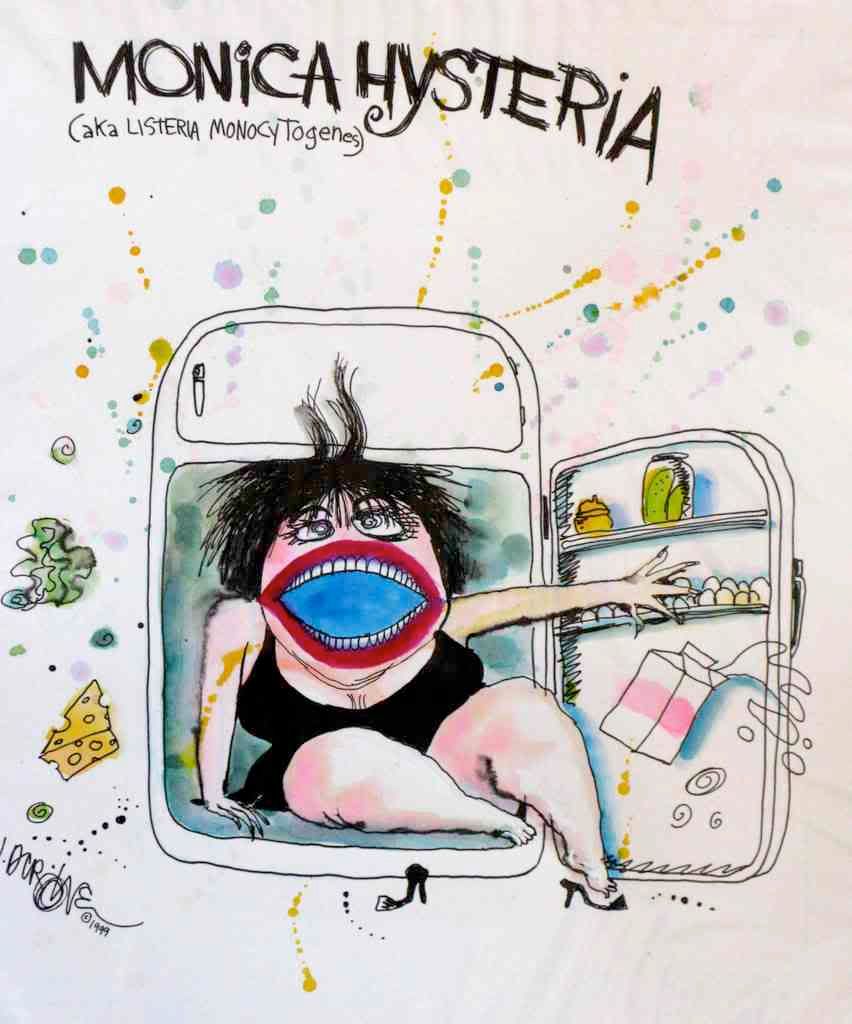
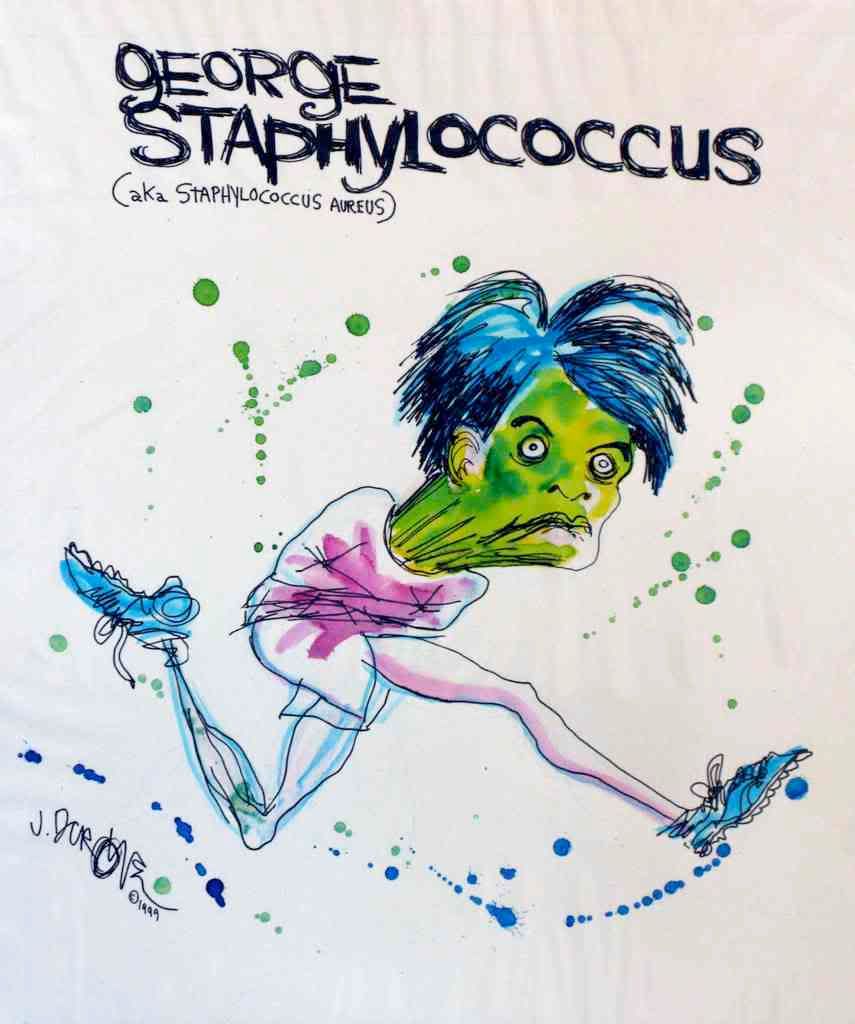
Alabama Department of Public Heath has determined the cause of the outbreak to be Staphylococcus aureus, a toxin-producing bacterium that many people carry on their skin and in their nasal passages. S. aureus food poisoning is usually produced by a combination of inattention to good personal hygiene and inappropriate food storage temperatures.

Studying Salmonella at Princeton
Sixty students at Princeton University complained of "stomach flu" during the last week of classes. Three students and one university employee have tested positive for Salmonella. University health workers have not been able to find a common link so far.

Stay tuned for more.

Wednesday, April 30, 2008

Starfruit Poisoning Update

On April 22, our world food poisoning tour took us to a Chinese hospital, where a Malaysian tourist was lying in a coma after eating starfruit. Sixty-six year old Tang Gon Seang was one of at least 10 victims with similar symptoms.

Now, it has been suggested that the starfruit, which can be toxic to people suffering severe kidney failure, wasn't at fault in this case. A Malaysian naturopath, Professor Dr Dhilip Kumar, claims that Mr. Tang might be suffering from pesticide poisoning.

This past winter, more than 1,000 Japanese consumers fell victim to pesticide poisoning after eating dumplings (gyozo) imported from China, resulting in a massive recall and a major dispute between the two countries. Yesterday, the Japanese government reported finding pesticide in more dumplings produced by the same Chinese company. The report does not state clearly whether these were new, or were left over from the winter recall.

China has a chronic pesticide residue problem. A quick browse through the monthly FDA list of products refused entry into the United States will yield, without fail, at least a few Chinese items.

The Chinese introduced new standards for pesticide manufacturers this year, and are phasing out some of the more highly toxic pesticides, but they still have a long way to go. It's not enough to regulate the manufacture of pesticides. It's equally important to regulate the safe use of these toxic products.

Shigella In South Dakota

The South Dakota Department of Health is warning residents of the state that cases of shigellosis have been reported in Corson and Walworth counties. Corson has experienced 48 cases of Shigella infection so far this year, and Walworth has confirmed 5 cases. Statewide, 57 cases have been reported in 2008. Last year, there were 117 confirmed cases of Shigella infection in the state.

Shigella can be contracted via contaminated food or water, or by direct person-to-person contact (fecal-oral route). The bacterium is shed in the feces of infected individuals and is transmitted as a result of poor personal hygiene, and inadequate hand-washing after using the toilet. Children are especially at risk, as they are often inattentive to correct hand-washing procedures and frequently put their hands, toys or other objects in their mouths.

Shigella has a typical incubation period of 2-3 days, and can spread rapidly in schools and daycare facilities. The state recommends that children and staff at these facilities who have suffered a Shigella infection should be tested for the bacterium and should stay away until they have achieved two negative stool cultures.

Tuesday, April 29, 2008

Ground Cumin Recalled In Canada - Salmonella

The Canadian Food Inspection Agency has warned consumers in five provinces – Nova Scotia, New Brunswick, Quebec, Ontario and Alberta – that GD Ground Cumin may be contaminated with Salmonella and is being recalled by the manufacturer, Les Aliments G. Dion, of Saint-Jérôme, QC.

The ground cumin is sold in 31-gram packages bearing UPC 6 20383 01038 2. Four different lot numbers (01X22C, 01X29C, 02X07C and 02X13C) are included in this recall. There are no known illnesses associated with the recalled products.

Consumers in need of additional information can call CFIA at 1-800-442-2342, Monday through Friday between 8:00 am and 8:00 pm (eastern time).

Pesto Recalled - Risk of Botulism

According to an Associated Press news release, Bella Cucina is recalling 6-ounce glass jars of porcini and parmesan pesto, identified with lot numbers 0081028 and 0081018.

The pH of the recalled pesto is higher than it should be. Consequently, there is a risk that Clostridium botulinum, if present, could grow and produce its fatal toxin.

The recalled products were sold by mail order and in stores. Consumers can contact Bella Cucina at 678-539-8400 for more information.

San Diego Hepatitis Cases Still On The Rise

The number of victims in the Chipotle-linked hepatitis outbreak now stands at 18, according to a report yesterday on San Diego's Channel 10 News.

It would not be surprising if the number of cases continues to climb. The county is encouraging anyone who ate at the Chipotle Mexican Grill on Fletcher Parkway in La Mesa between March 1st and April 22nd, and who is experiencing symptoms of hepatitis, to see a doctor and be screened for the virus.

Hepatitis A has a very long incubation period – between 10 and 50 days, according to FDA. And some people – especially young children – may be infected without ever experiencing symptoms. Hepatitis A infection produces a range of symptoms, including fever, malaise, nausea, loss of appetite, and abdominal discomfort, followed in several days by jaundice. Symptoms usually last for about 1-2 weeks, but some victims may suffer from chronic fatigue during their convalescence.

Hepatitis A virus is shed in feces even before symptoms appear, while the victim is suffering from gastrointestinal symptoms, and even after jaundice develops. The highest risk time for transmitting the disease is before a victim realizes that he or she is incubating the virus.

Investigators with the county's Department of Environmental Health are no closer to finding the source of the virus. None of the restaurant's 26 employees have tested positive for the disease. Nevertheless, eating at Chipotle's on Fletcher Parkway seems to be the common link for the 18 reported cases.

But, if the source of the virus wasn't an employee, where did it come from? Investigators should be looking into several possibilities.
  1. Chipotle may be a false scent – it could be just coincidence that all the victims ate at that location. A thorough case-control epidemiological study might uncover another common link.
  2. The virus might have been introduced by a customer. Perhaps someone who was incubating the disease used a washroom and left some virus particles behind on a faucet, door handle or some other surface in the washroom – or even on a table or chair in the eating area of the restaurant.
  3. The source of the virus might have been a food ingredient, such as chopped green onions or some other produce item.
Last year, San Diego experienced 82 cases of hepatitis A infection. Including this current outbreak, the 2008 total has already reached 44 cases – and rising.

Monday, April 28, 2008

South African Baby Deaths - Still No Action

I referred last week to an article carried in The Herald Online (Port Elizabeth, South Africa) that reported on nearly 80 baby deaths, which were blamed on contaminated tap water in the Eastern Cape province of South Africa.

The Democratic Alliance (DA), a South African opposition party, is calling for an investigation into the handling of this outbreak and the water contamination that preceded it. The DA is suggesting that charges of criminal negligence might be warranted.

The tap water became contaminated as a result of a breakdown in the system last October – a mechanical problem that has yet to be corrected. Residents served by the municipal water system were never notified of the problem.

But the district municipality apparently is still not convinced that the babies died as a result of drinking the polluted tap water. "There is," said municipal manager Zolile Williams, "currently no conclusive evidence that water is the cause." He added that the municipality believed the children (all between 3 days and 1 year old) had not been exposed to contaminated water, since they had access to boiled water.

The municipal authority still has not issued a public health warning to residents.

Food Poisoning In Hong Kong

The Hong Kong Centre for Health Protection has received reports of two separate incidents of food poisoning, and is investigating both.

Fourteen people, ages 5 to 45, developed symptoms of food poisoning after eating snacks at a school fair on April 26th. Thirteen of them visited a local hospital for treatment; one was admitted and is reported to be in stable condition.

The second outbreak involved 21 men and women who fell ill after eating meals from at "food supplier" at their office on April 25th. While several sought treatment, none of the 21 victims were ill enough to need hospitalization.

China released a draft of its proposed new food safety law earlier this month, and has given the public an opportunity to comment. Among the provisions of this new law are severe penalties – including heavy fines or imprisonment – that may be applied to producers or sellers of unsafe or poor quality food.

Sunday, April 27, 2008

Nutro News

On April 18th, Lisa Wade McCormick of ConsumerAffairs.com published an article titled "String of Illnesses Afflicts NUTRO-Fed Pets" The subtitle of the article was "Company insists its food is '100% safe' ."

After reading the article, I decided to do some checking of my own. First, I searched the FDAs Center for Veterinary Medicine site for any indication of a safety alert. There was none. Nor was there any information on the Nutro web site. Then, I emailed ConsumerAffairs.com and asked what supporting information they could provide me in addition to the complaints listed on their web site. They never answered.

My next step was to post a query on two Labradoodle boards where I'm a regular lurker and occasional contributor. I asked fellow posters to advise me of any issues they've had recently with Nutro products. I solicited both positive and negative comments.

Four people contacted me by email. An additional 15-18 people replied directly on the discussion boards. Here's a summary of the problems:
  • Joy said, "Zorro vomited a couple of times again today. So that's almost every day since I fed that to him. But still its hard to be sure to attribute it to that. He's not vomiting a lot or often & its bile & grass today. So I don't know what to think . Everyone else is fine."
  • Kim said, "I put my new foster dog Murray on Nutro MAX chicken and rice because he didn't like my Brand X dog food. Neither did Curly Sue so she also got Nutro MAX. I didn't notice any change in her, but Murray was barfing yesterday all over my back seat and then he had diarrhea last night. Hmmm. Could be the food. I had Murray driving with me a lot yesterday and then we went to the vet, so I thought he was probably car sick. Curly Sue did have a bout withthe big D for a little while. But I started mixing her food with my other food and she seemed to be ok."
  • Barb said, " I saw your post and had heard earlier of other people having the same problem I had. I have a 4 month old labradoodle....I started her on Nutro Natural Choice small bites chicken rice and oatmeal...She had very loose stools. I was concerned about how much nutrition she was getting. She had no problems health wise the vet suggested we try a different dog food. I went to a pet store and got samples of Innova, Merrick and Canidae. She didn't like Merrick but did like Innova and Canidae, I have her on Innova Puppy Food and she isn't having any problems...She started gaining weight."
  • Stacey said, "I bought a new bag of Nutro about two weeks ago. Since then, both my doodles have developed loose stools ... Here's the pertinent information from the new bag: Nutro Natural Choice Lamb Meal and Rice 44 pound bag (40# bag +10% extra) Expiry: July 2009 Lot#? 15:41 2 BY4 SE."
Most of the people who posted said that they were not having any problems with Nutro, except for difficulty in finding some of the varieties.

Interestingly, Nutro is just one of several pet foods about which complaints have been lodged with ConsumerAffairs.com. Alpo, CANIDAE, Hills, Iams, Ol Roy, Natural Balance, Purina and Science Diet were also the subject of consumer complaints. Some of the complaints relate to last year's melamine contamination; others are more current. Symptoms range from gastrointestinal, to urinary tract, to seizures, to allergies. None of the complaints are documented by lab tests. I would estimate that there are probably as many Nutro complaints as there are for all the other pet foods combined.

A food poisoning blog maintained by the "victim's rights" legal firm Parker & Waichman, LLP, has already picked up on the Nutro issue, with an article titled "NUTRO Pet Food Causing Food Poisoning?" The content of the blog suggests that its author has taken the ConsumerAffairs.com report at face value.

Ms. McCormick was careful to point out in her article that the simple act of switching dog foods can cause temporary gastrointestinal upsets, and that some dogs are naturally sensitive to certain ingredients. Without a proper epidemiological evaluation or lab testing to confirm a problem, it's irresponsible to conclude that one exists.

If you have fed your pet any Nutro products in the last six months, I encourage you to post your experiences – positive or negative – as comments to this article.

'Politically Correct' Cholera

Cholera is certainly in the news lately. There is, of course, the major outbreak which has caused almost 2,500 illnesses in Vietnam since early March. In addition The Times (South Africa) reported last week that two people died as a result of cholera in Tanzania, and China View carried a headline stating that six Filipinos living in Malaysia were admitted to hospital suffering from cholera.

As I was browsing the weekly "Cholera, Diarrhea and Dysentery Update" prepared by the International Society for Infectious Diseases (ISID), I came across a curious statement, which read, "Acute watery diarrhea is often used as a "politically correct" term for cholera."

On that note, here is a capsule summary of the weekly toll of cholera – both the "politically correct" and the incorrect types.

Central Equatoria, Sudan
Cholera has become endemic in this southern Sudan state, and has increased significantly in the past two years. Between March 12th and April 5th, the Yei Civil Hospital has reported 118 cases of cholera or acute watery diarrhea.

Hiraan, Somalia
Medical sources in this part of Somalia are reporting 135 cases of 'politically correct' cholera, with at least 7 confirmed dead.

Gombe, Nigeria
A diagnosis of cholera was reported when 116 female students fell ill. The secondary school students, who attend a boarding school, complained of vomiting and diarrhea after eating a lunch that included some contaminated beans. ISID comments that the reported incubation period and symptoms are not typical of cholera.

Rukwa, Tanzania
In addition to the two deaths reported by The Times, three other people are still undergoing treatment for cholera.

Siraha, Nepal
This district of eastern Nepal has been seeing approximately 25 new cases of diarrhea per day since the onset of a "scorching hot" weather spell. The outbreak is blamed on poor sanitary conditions.

Vietnam
As I reported previously, the current toll is 2,490 illnesses in 20 provinces and cities, mostly in northern Vietnam.

There will most assuredly be more to come, as the monsoon season gets underway in various parts of south and southeast Asia.

Saturday, April 26, 2008

San Diego Hepatitis A Toll Rises To 14 Cases

According to a news release from the County of San Diego, there are now 14 cases of hepatitis A that appear to be linked to the La Mesa location of Chipotle's. None of the restaurant's employees have tested positive for the virus so far.

Hepatitis A virus can be transmitted through contaminated food or water, or via the "fecal-oral" route as a result of poor personal hygiene. Individuals who are infected with the virus, but who have not yet started to suffer from symptoms, can shed the virus unknowingly. Those convalescing from an infection may continue to shed the virus for a time after their symptoms have disappeared.

If you have eaten at the La Mesa Chipotle's at any time since March 1st and are experiencing any symptoms of hepatitis A infection, consult your doctor or call the San Diego County Epidemiology Branch at (619) 515-6620. For information on immunization against hepatitis A, check with the HHSA Immunizations Branch at (619) 692-8661.

Evanger's Dog and Cat Food - The Company Replies

Holly Sher, President of Evanger's, posted a comment to my original article. For those who missed the comment it, Ms. Sher wrote,
"The FDA news release is highly inaccurate and misleading. Evanger's Dog and Cat Food Company is not under emergency permit and is currently manufacturing and distributing its products worldwide with FDA approval. There have been no allegations for unsafe product or recalls. Please go to evangersdogfood.com for company statement."
The company's full press release on the subject is available on the Evanger web site. The FDA press release can be read in full on the FDA web site.

Friday, April 25, 2008

Dill Seeds Recalled In UK - Salmonella

The UK Food Standards Agency is advising consumers that East End Foods has recalled one batch of its own brand of dill seeds due to the presence of Salmonella.

Consumers who have purchase a 250-gram package size of East End Dill Seeds labeled with batch code 7353L2A and Best Before date of 20/12/2009 should return it to the store for a refund.