Wednesday, February 13, 2008

Veggie Booty Update

Attorney and fellow blogger Bill Marler has posted an update on last year's Veggie Booty Salmonella outbreak investigation.

According to a report issued by the New York Department of Health, the Veggie Booty snacks (produced by Roberts American Gourmet), which were responsible for 83 cases of salmonellosis in more than 20 states, contained at least five different Salmonella serotypes as well as another pathogen - Enterobacter sakazakii. Samples of a seasoning blend used to coat the snacks also tested positive for Salmonella.

Thirteen out of 61 bags of snacks tested nationwide were confirmed to be contaminated with Salmonella. This astonishingly high contamination rate, and the presence of multiple serotypes of Salmonella in this product, indicates to me that there was a major breakdown in the company's food safety control procedures.

The New York State report, which can be downloaded from Bill Marler's web site, doesn't address the origins of the contamination beyond saying that preliminary indications pointed to a blended seasoning that was used to coat the snacks. Nor does it mention the country of origin of the seasoning or its components. The FDA and CDC have not yet published their final reports. Let's hope that they will be able to inform us of the source of the contaminated products.

Tuesday, February 12, 2008

The Great Myanmar Watermelon Caper

One precaution that we were very careful to follow throughout our entire Southeast Asia tour was to avoid eating any fruit that had not been peeled by one of us. This was difficult, as the usual dessert offered in most of the restaurants was cut fruit - especially, luscious-looking papaya and watermelon. Inevitably, this resulted in a craving for watermelon, which was in season and on display in every Myanmar food market.

While we were walking through the Mandalay food market with our guide, Michael spied a display of watermelons stacked neatly at a booth. He decided that – by hook or by crook – we were going to enjoy some watermelon. With the help of our Mandalay guide, he purchased a watermelon (for the equivalent of US$1.00). Next, we needed to figure out how to enjoy this dirt-encrusted treasure.

We returned to our hotel, the Mandalay Hill Resort, and asked the receptionist whether their restaurant would be able to wash the watermelon for us (using bottled water, of course), and slice it at our table so that we could be certain how it had been handled. The receptionist agreed readily, and offered to hold the watermelon at the desk until we came down to dinner (more about that dinner in another post). We thanked her and our guide for their assistance in our quest and headed up to our room to relax before dinner.

Within five minutes of arriving in our hotel room, we received a call from the reception desk. The clerk informed us that the restaurant manager had refused to serve our watermelon to us because it was "food from outside".

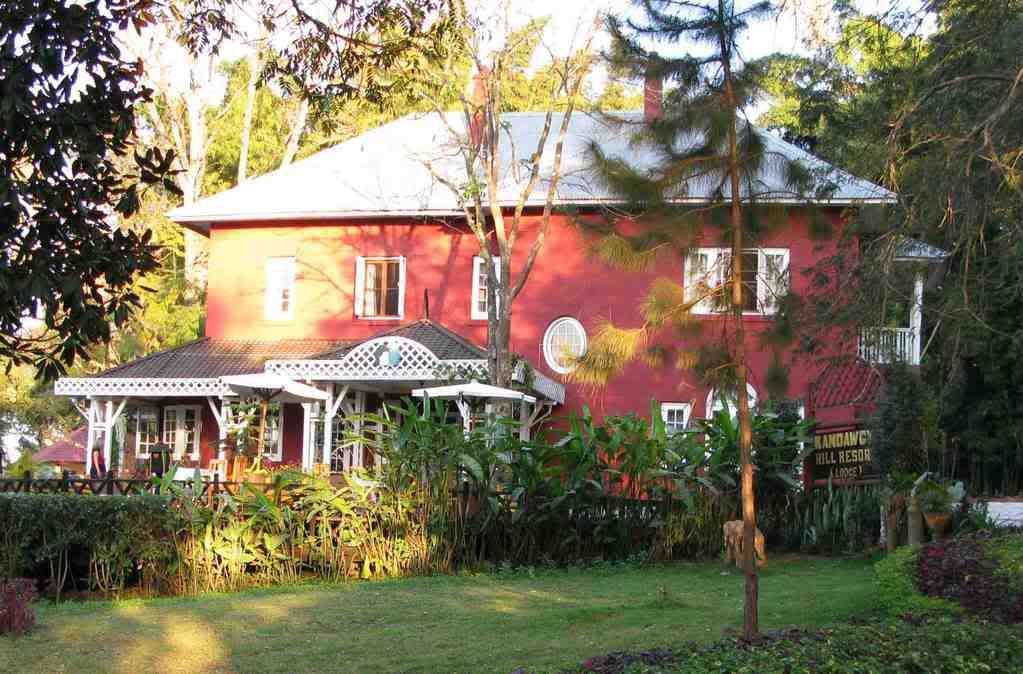
The following morning, we reclaimed our watermelon from the reception desk, and left for Maymyo with our guide. Maymyo is a small mountain resort town about 40 miles from Mandalay and was quite popular with the British during the height of their Empire. Our guide offered to babysit the watermelon (it spent the drive nestled at his feet), and said that he would arrange for our hotel in Maymyo – the Kandawgyi Hill Resort – to help us.

The management of the inn was very accommodating, and agreed to assist in Operation Watermelon.

This is the inn where the watermelon caper attained its grand climax.


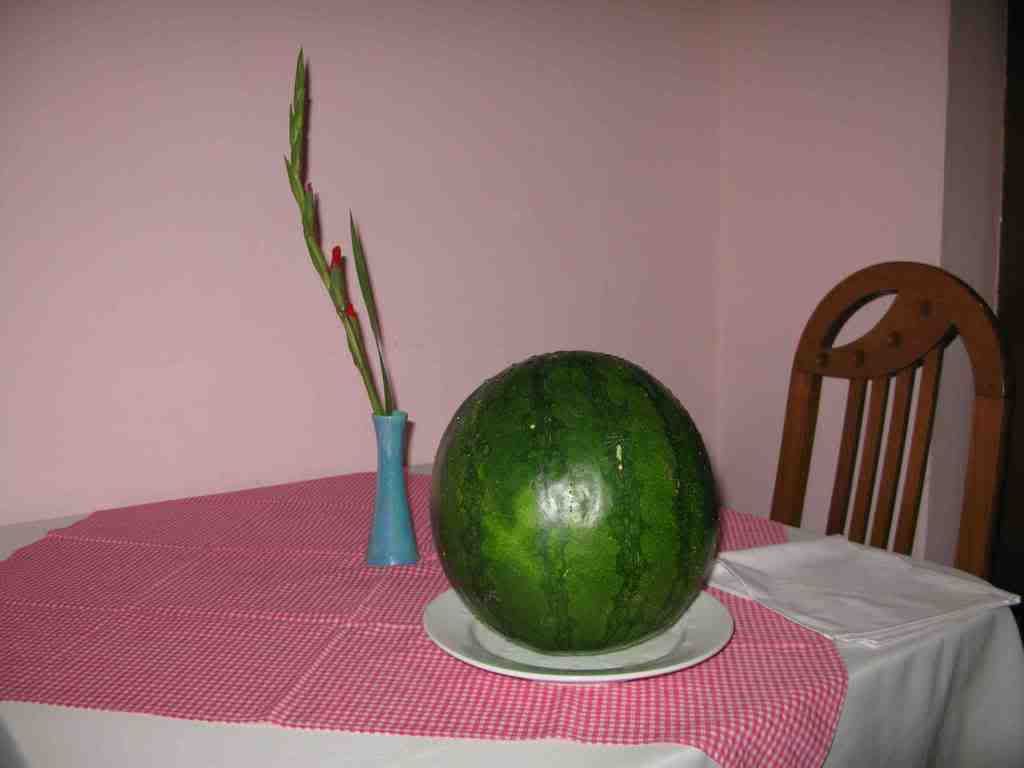
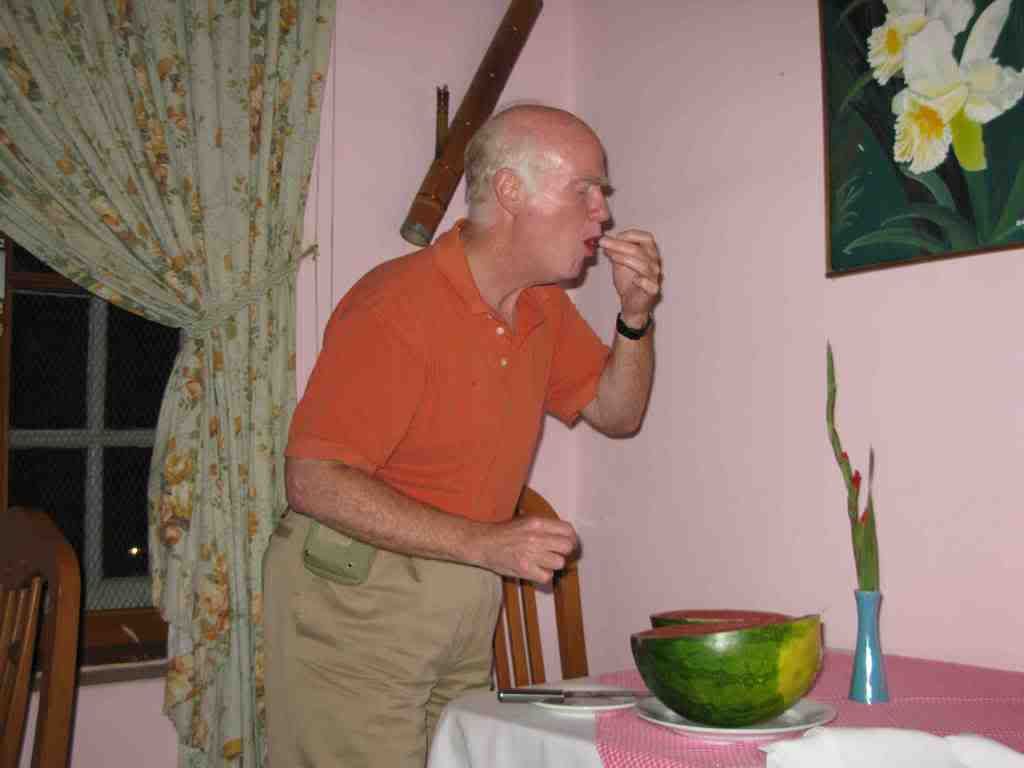
That night, after we had finished our main course at dinner, the maitre d' arrived with our freshly-bathed watermelon.


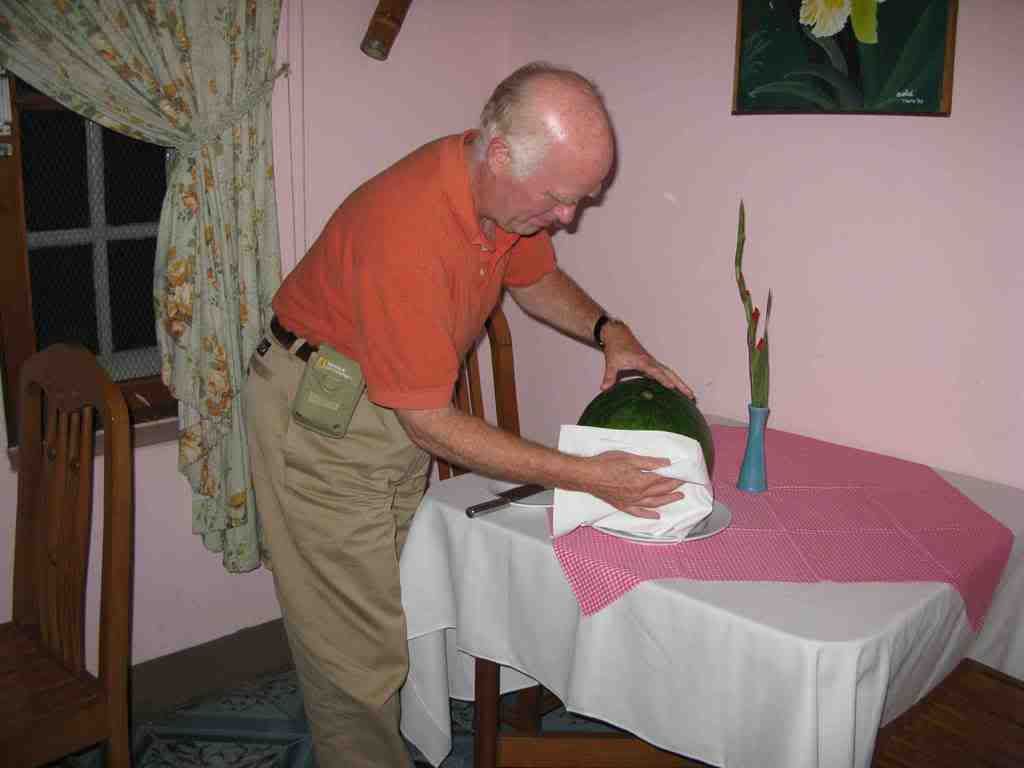
The first order of business was to complete the clean-up by drying the melon.


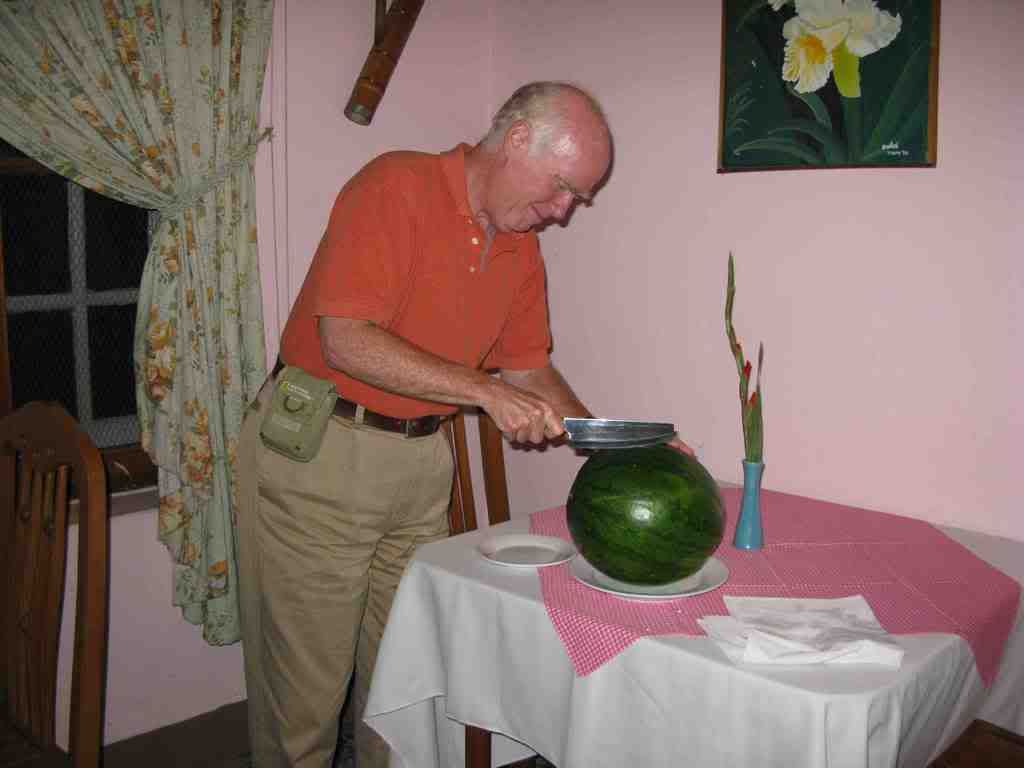
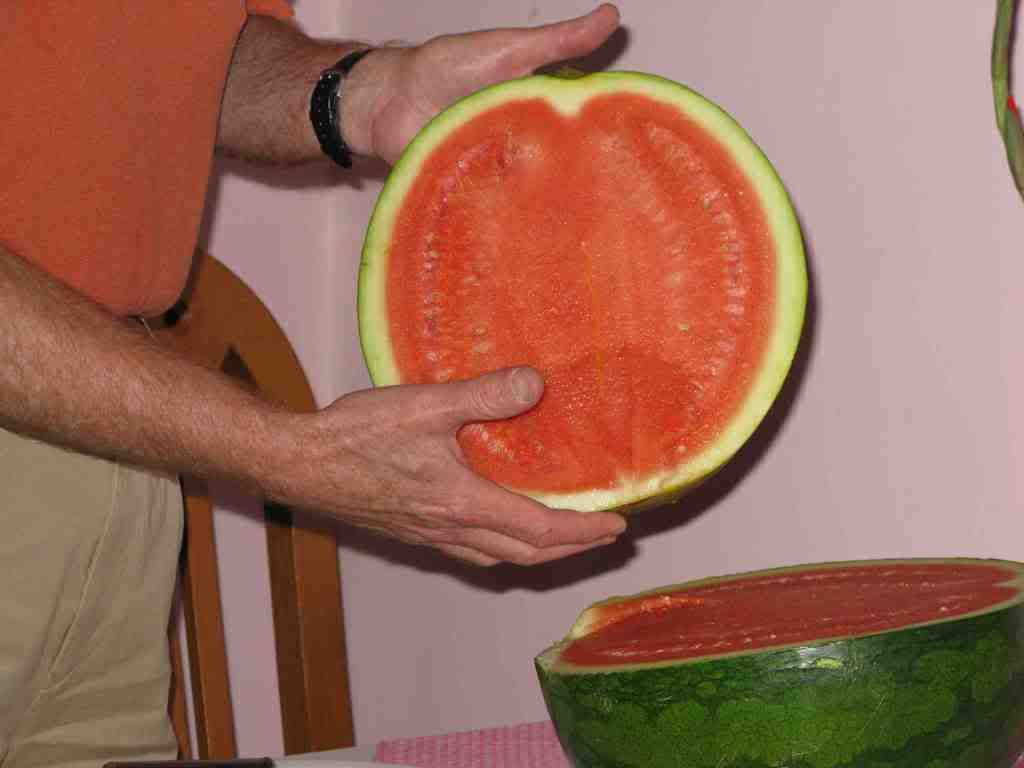
With the patient properly "prepped" for surgery, it was time for the first incision.


The surgery was successful...


... and the patient was delicious.


There were two other tables filled with diners in the Inn's restaurant that evening. Everyone received a share of our "certified clean and safe" watermelon.

Monday, February 11, 2008

Clallam Bay, WA Water Restrictions Lifted

Residents of Clallam Bay, WA will be relieved to learn that their tap water is once more safe to drink.

The Washington State Department of Health had issued a precautionary "bottled water advisory" on February 5th, following the discovery of a broken eight-inch water main. Repairs to the water main have been completed, the system has undergone disinfection, the water has been tested, and the reservoirs are full once more.

The Department of Health lifted the advisory earlier today.

Dunkin' Donuts - Thai Style: A Follow-up

One of the first reports I published on our Southeast Asia travels concerned our visit to a Dunkin' Donuts location in Bangkok, Thailand. Some of you might recall my description of the coffee cream dispenser, and the instructions for preparing a croissant sandwich.

I emailed the Dunkin' Donuts US customer service department to advise them of my blog posts. I am delighted to report that my email was forwarded to Mr. Nadim Salhani, the Group General Manager of Golden Donuts (Thailand). I received the following message from Mr. Salhani by email this morning:
Dear Mrs Entis,

Many thanks for the comments in regards to our Dunkin store at Siam Square well received, and on behalf of Golden Donuts (Thailand), I sincerely apologize for this unfortunate incident that must have spoiled yours and your husband day.

The experience you had is not acceptable and it is very clear we did not keep our standards were it should be. This shows we have failed to train our people on proper hygienic conduct.

I want to make sure this does not happen again and therefore will be conducting special training sessions within this week to discuss and revise our hygiene and sanitation standards with our operations team. The plastic cup will have to go, and maybe we should try to improve English communication in the stores that service to more foreign customers.


Thank you once again for bringing this issue to our attention. I know the damage is already done and unfortunately the scar remains, but I would like you to know that we will be taking the proper corrections in order to offer the customer experience we strive for at Dunkin Donuts.

Yours sincerely

------------------------------------------------------------------------------
Nadim Xavier Salhani
Group Managing Director
Abp Cafe (Thailand) - www.aubonpainthailand.com
Golden Donuts (Thailand) - www.dunkindonuts.com
Golden Food Services
209/1 K Tower B, 25th Floor. Sukhumvit road No.21. Klongtoey Nua, Wattana, Bangkok 10110, Thailand
Tel: +66 2261 5354, Fax: +66 2261 5360
A tip of the hat to Dunkin' Donuts in the US for forwarding my email, and to Mr. Salhani for his prompt and substantive response.

Sunday, February 10, 2008

Malaysian Malaise

Lest you conclude that food poisoning outbreaks are phenomena that are limited to the "developed world", the New Straits Times Online edition reported today that 18 students in residence at the SMK Seri Nering school suffered from nausea, vomiting and diarrhea after eating their porridge.

The students were taken to a local hospital as a precaution, and released after receiving out-patient treatment.

Unlike Oliver Twist, these students must be saying "Please, sir. I want NO MORE."

Why I Don't Eat Sushi - Or Sashimi

Choyce Products of Honolulu, HI is recalling almost 5,500 pounds of yellowfish tuna ("ahi"), according to a notice released yesterday by the FDA. This recall is the result of an investigation led by Hawaii's state epidemiologist, Dr. Paul Effler, who linked the a recent outbreak of Salmonella Paratyphi B to the consumption of raw ahi.

The Choyce tuna that has been recalled has not been confirmed as the source of the outbreak, but was found to be contaminated with Salmonella Paratyphi B when it was sampled as part of the outbreak investigation.

To date, 33 people have been confirmed to have suffered from food poisoning due to infection with the outbreak strain since October.

Strangely, the Hawaii Department of Health web site has been completely silent on this outbreak investigation. Until yesterday, when FDA issued its own press release, the only sources of information for consumers have been newspaper articles and bloggers.

Myanmar Food Processing: Snake Fish

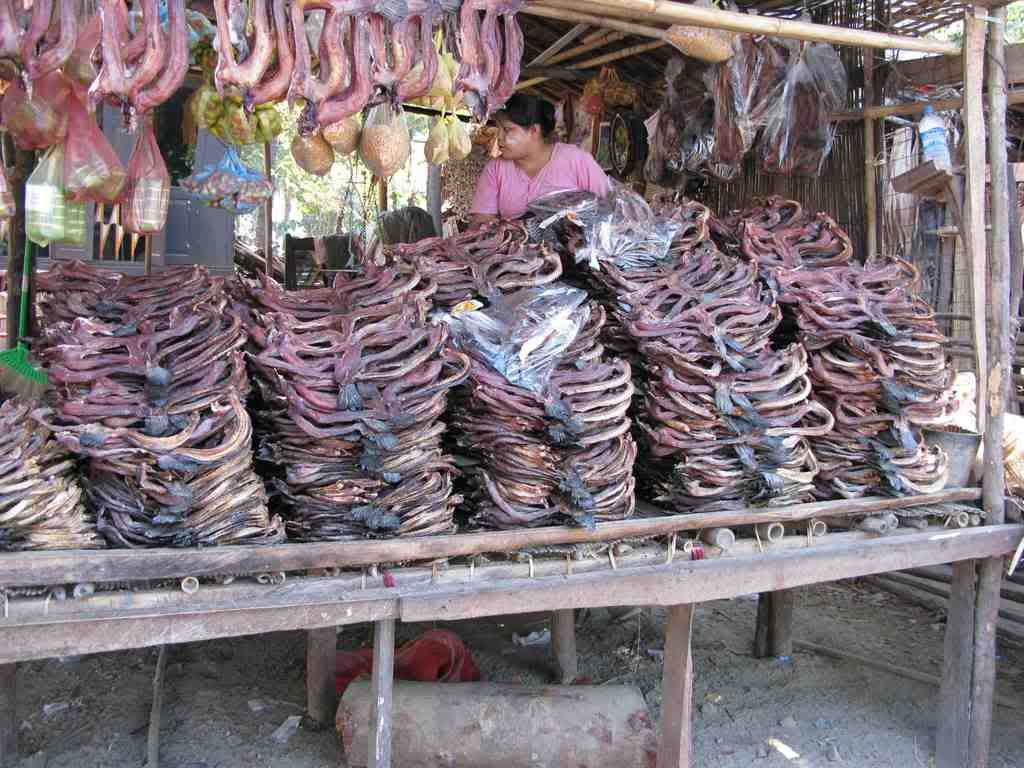
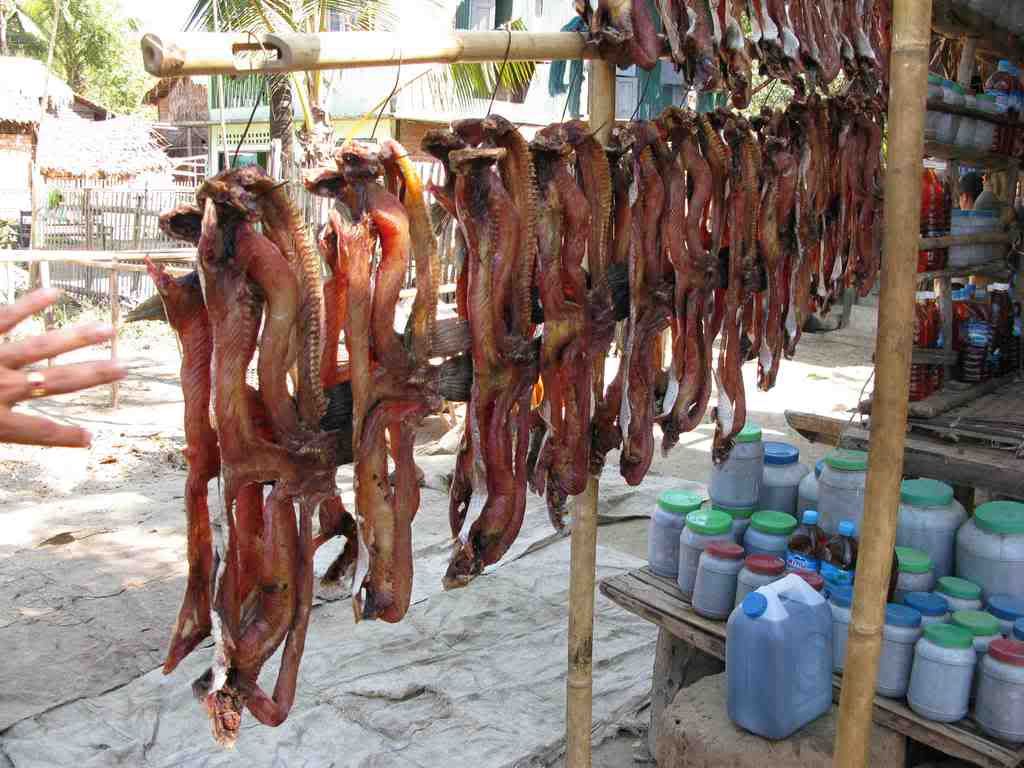
We saw a lot of similarities in the cuisines of the four countries we visited on our Southeast Asian travels. But each country also had its own special foods. One food that we saw for sale in many Myanmar markets was dried snake fish.

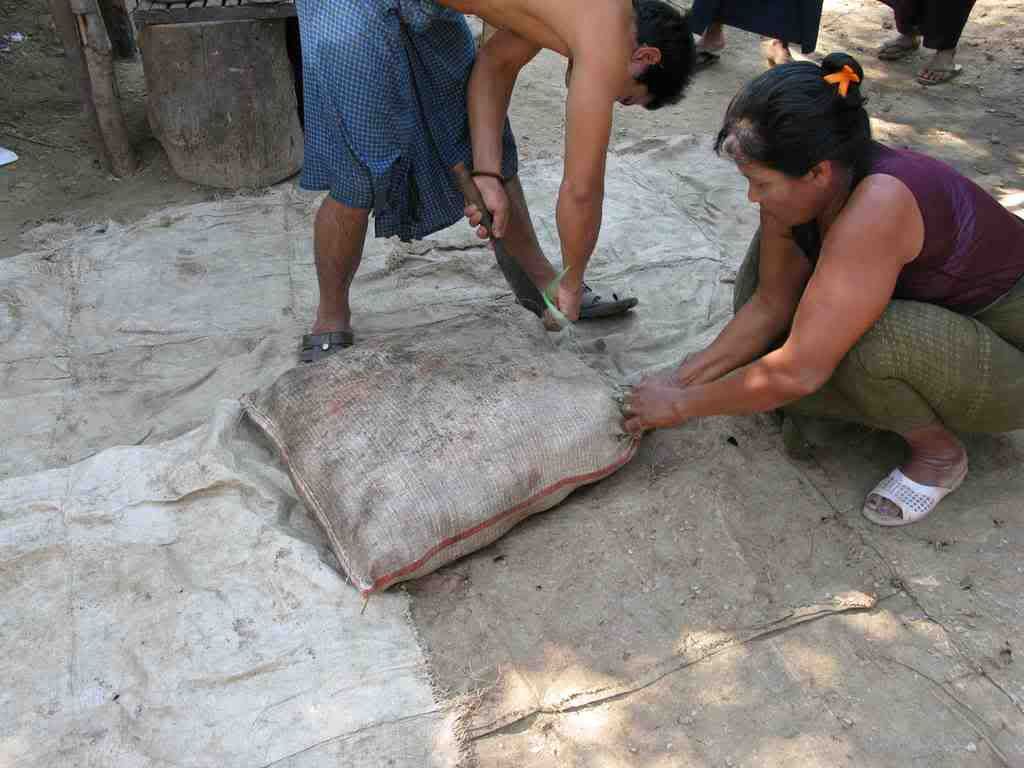
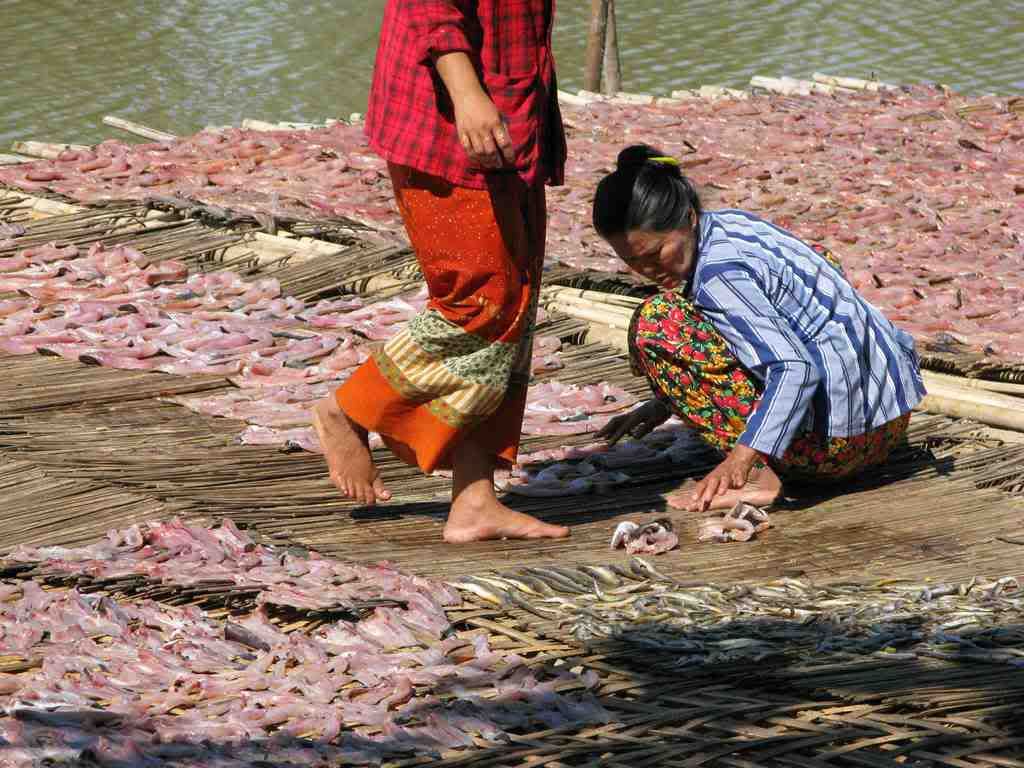
The name "snake fish" refers to the appearance of the dried fish, not the species. The fish attains its unique shape from the way in which its processors gut, clean and spread it for drying. Here, in brief, is how the fish was prepared and processed at a roadside outdoor "factory".


The freshly-caught fish is delivered in burlap sacks. The sacks are weighed and then cut open.


The contents of the sack are dumped onto a mat on the ground, and the fish are allowed to writhe for a while as onlookers watch from a local bus.


The fish are then scaled, cut open, cleaned and gutted and spread out on woven to dry in the sun.


Some of the finished product is available for sale at the "factory store". The rest is shipped to local markets.


For the record: After watching the local villagers walking barefoot on the drying mats, we decided to forego a taste of this local delicacy.

Saturday, February 9, 2008

Tasmanian Tummy - The New Delhi Belly?

On January 31st, Dr. Roscoe Taylor, the public health director for the Australian state of Tasmania, announced that his agency was in the process of investigating an outbreak of Salmonella gastroenteritis.

The outbreak, which had claimed 27 victims by then, had been tied to catered food served at several functions. By February 2nd, the toll had climbed to 56 victims, some of whom had eaten catered food while attending two separate funerals at a funeral home. At least three of the victims were sick enough to have needed hospitalization.

The number of victims has since grown to at least 75 - and possible 120 - people, and epidemiological studies have revealed a probable culprit - one or more sauces made from raw eggs.

Raw eggs have become a political hot potato in Tasmania's state parliament. Tasmanian Green Party MP, Nick McKim, has been excoriating Primary Industries Minister David Llewellyn over his department's ineffectual efforts at protecting the public's health. McKim has suggested that a conflict of interest exists within the Primary Industries Department, and that the state's public health department should be handed food safety regulatory responsibility for the agricultural sector.

The Tasmanian regulatory situation sounds very similar to the situation in the United States, where the US Department of Agriculture, together with the 50 State Departments of Agriculture, are responsible both for promoting US agricultural products and for regulating meat, poultry and egg processors.

Conflicts of interest are frowned upon in most other situations, including government agencies and advisory boards. Why do we continue to allow this flagrant conflict of interest to taint our food safety system?

Friday, February 8, 2008

New Era Expands Recall Again

FDA has just alerted consumers to another expansion of the New Era Canning Company recall.

For those who missed the earlier notices, since December 21st, New Era has been recalling an ever-increasing number of production lots and brand names of its institutional-sized cans of peas and bean, due to a potential risk of Clostridium botulinum contamination.

Please see the FDA "Hot Topics" web page for up-to-date details on the recalled products.

Clostridium botulinum grows in the absence of oxygen, making it especially liable to develop in underprocessed canned foods. The microbe produces a potentially-deadly neurotoxin. Symptoms of Clostridium botulinum food poisoning, or "botulism" can include muscle weakness, vertigo, double vision, and difficult in speaking, swallowing and breathing. If untreated, botulism is a potentially fatal disease. Treatment consists usually of supportive care, including mechanical breathing assistance.

Williams-Sonoma Recall Notice

Thanks to "Anonymous", who posted this link in a comment to one of my previous blogs, we can now access the Williams-Sonoma recall notice for Olivier's Parmesan and Asiago Dip.

I have to wonder, though, why Williams-Sonoma buried this recall in the "Recipes" section of their web site.

Laos - Elephants and Other Animals

We spent a day in the Laotian back country outside of Luang Prabang, where we visited a village and an elephant camp.

Unlike the situation in the United States, Canada and much of the "developed" world, food animals in Southeast Asia are raised close to home.


This family of pigs appeared to be quite contented with their lot in life.


Little did they dream that a Phosy Market stall might be their next destination.


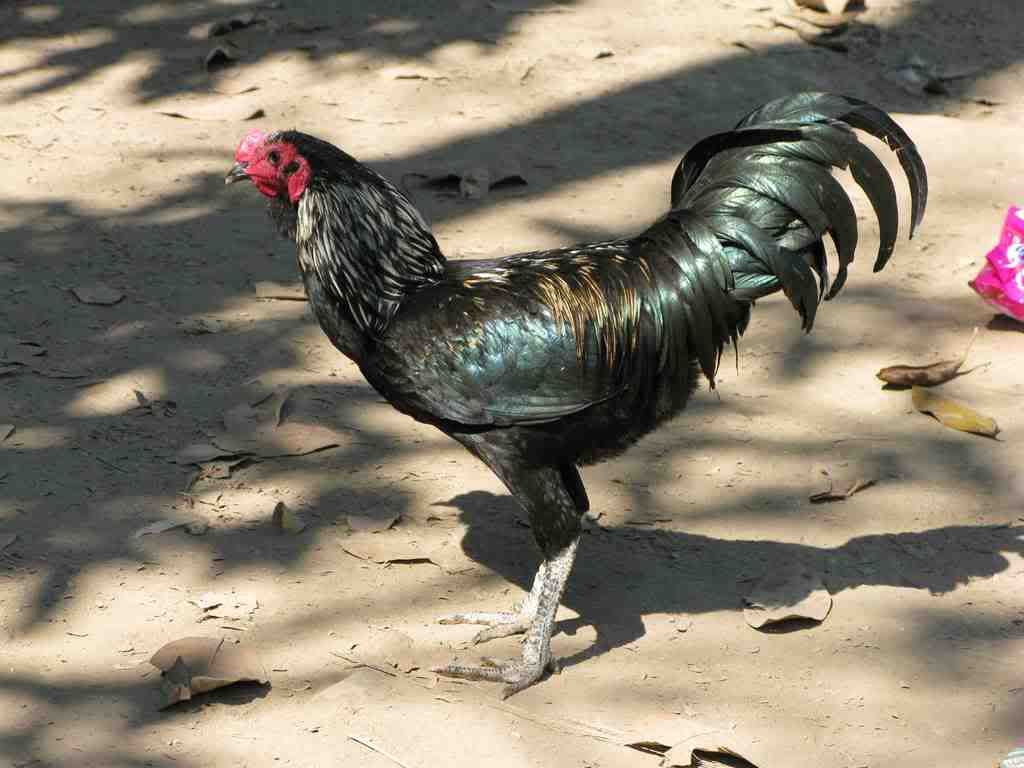
Poultry is always "free-range" – never cooped up in close quarters.


But this rooster didn't realize that his feet could end up on someone's dinner table.


Of the animals that we met on this trip, the elephants had the least to worry about. Rescued from their work in the teak forests of northern Laos, the elephants are well cared for. They are bathed daily and allowed to graze to their hearts' content. Their only job is to give rides to the occasional tourists and pose for photographs.


We probably felt like a couple of fleas on this beauty's back.


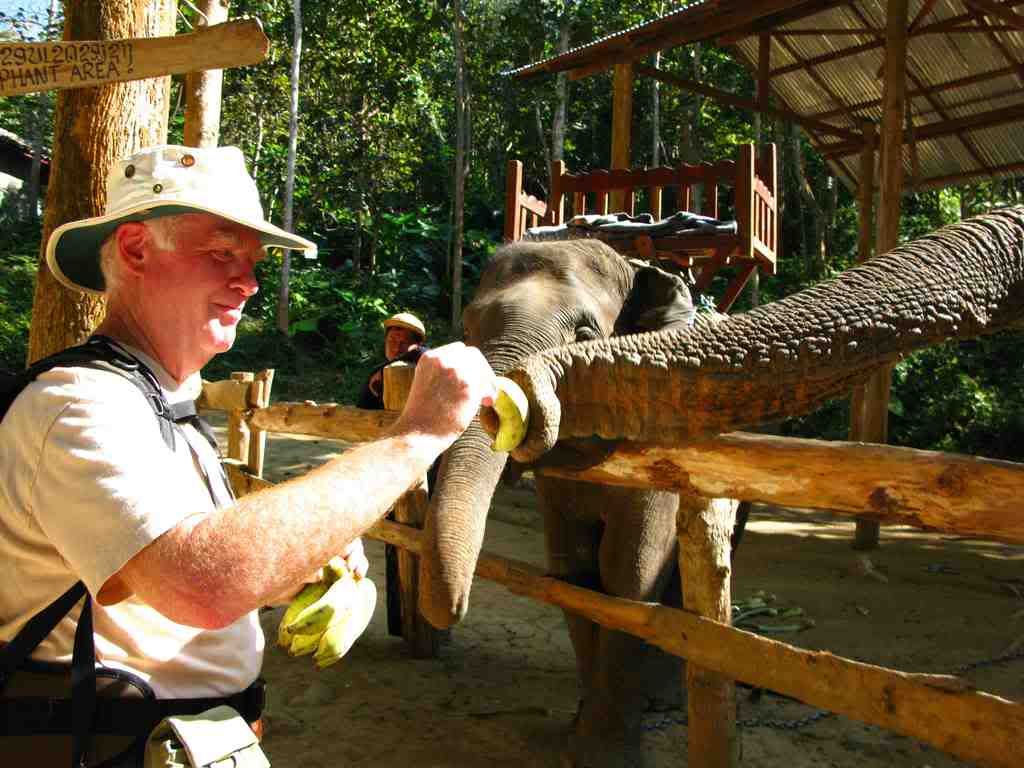
These beasts go "bananas" over their fruit snacks.


This 3-year old baby elephant thought our camera was a treat. He wanted MORE!

If you, like this elephant, want MORE, just enable the "subscribe" option at the bottom of the blog page and you will receive updates of our Southeast Asian adventures and other blog posts automatically.

Thursday, February 7, 2008

Oregon Beach Advisories Lifted

Intrepid swimmers on the Oregon coast will be pleased to hear that the health advisories for Umpqua Beach and Nye Beach have been lifted.

New Era Canning Recall Keeps on Growing

New Era Canning Company has expanded its recall of canned peas and beans once again. Please see today's FDA Press Release for details on the additional recalled products. While most of these canned foods were distributed to food service establishments, some might have been sold atretail to consumers. Check your pantry for any of the products listed in the Press Release.

According to the company, the listed products were processed under conditions that "...could have led to contamination by Clostridium botulinum bacterium spores..."

When will New Era finally decide to simply recall all of its canned products that are still in the marketplace?

Laos Cuisine - Part 2

According to yesterday's Wall Street Journal, the Year of the Rat is being marked by some changes to the Vietnamese diet. Due in part to the bird flu epidemic, rat meat and other specialty meats are becoming increasing popular.

This might be new in Vietnam, but Lao villagers are definitely ahead of this trend. When we visited a village outside of Luang Prabang, Laos last month, we learned that the usual diet of fish, pork and poultry is often supplemented with meat from wild birds, snakes, rats and bats. And after visiting one of the local markets, we could understand why.


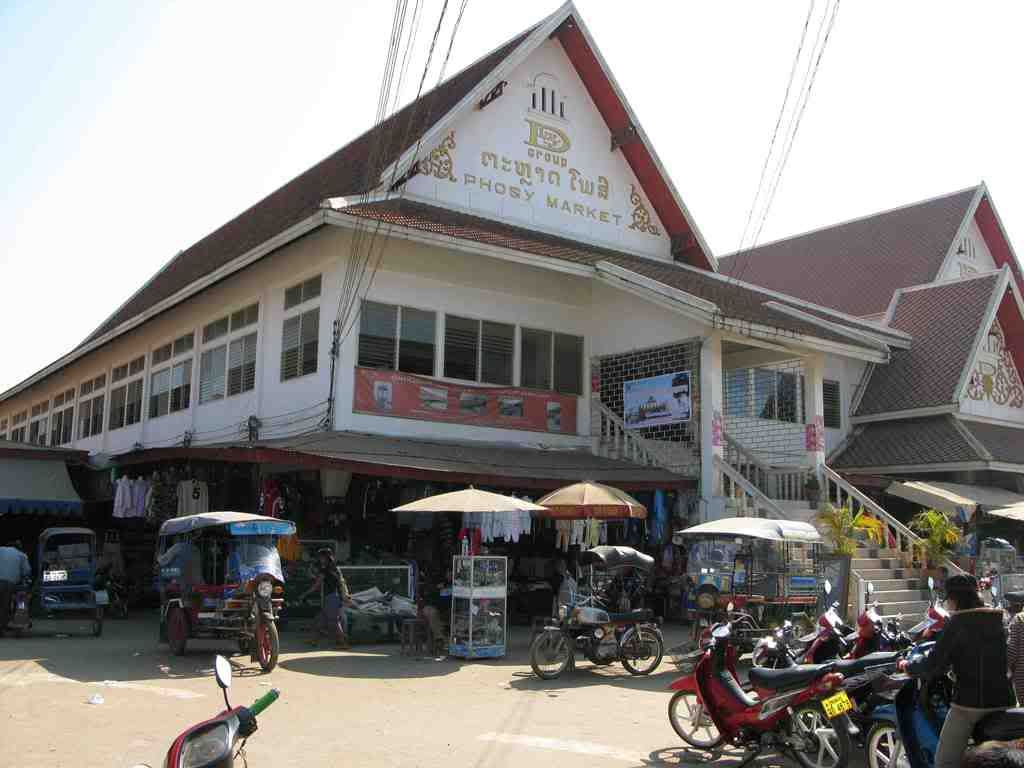
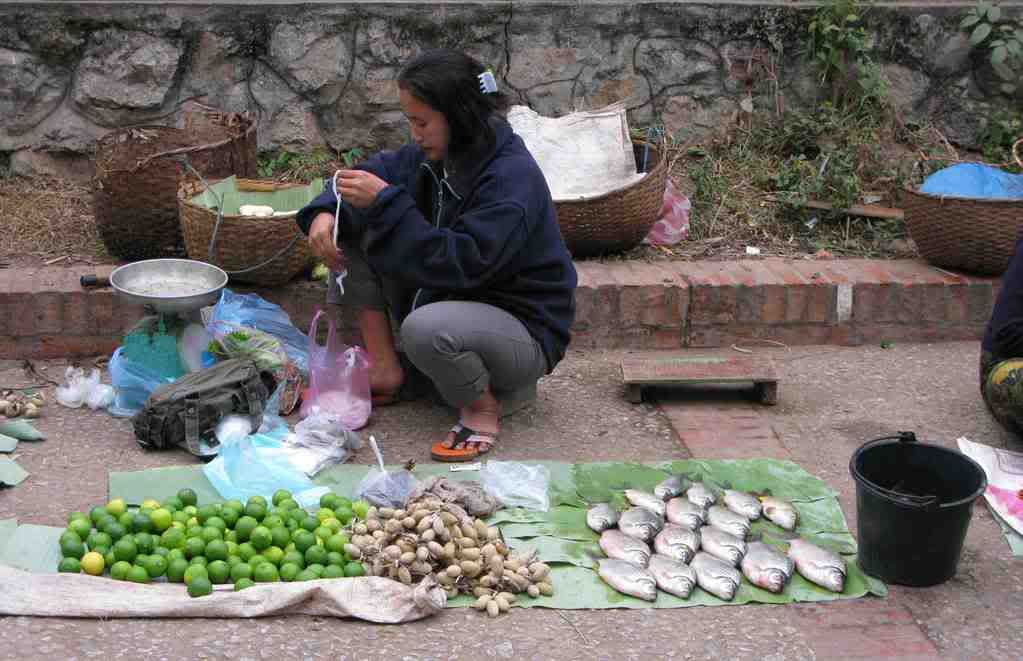
This is the Phosy Market, located in the large village of Phosy, on the outskirts of Luang Prabang. This market houses individual food vendors, as well as stalls selling clothing, kitchen utensils, and almost anything else one can imagine.


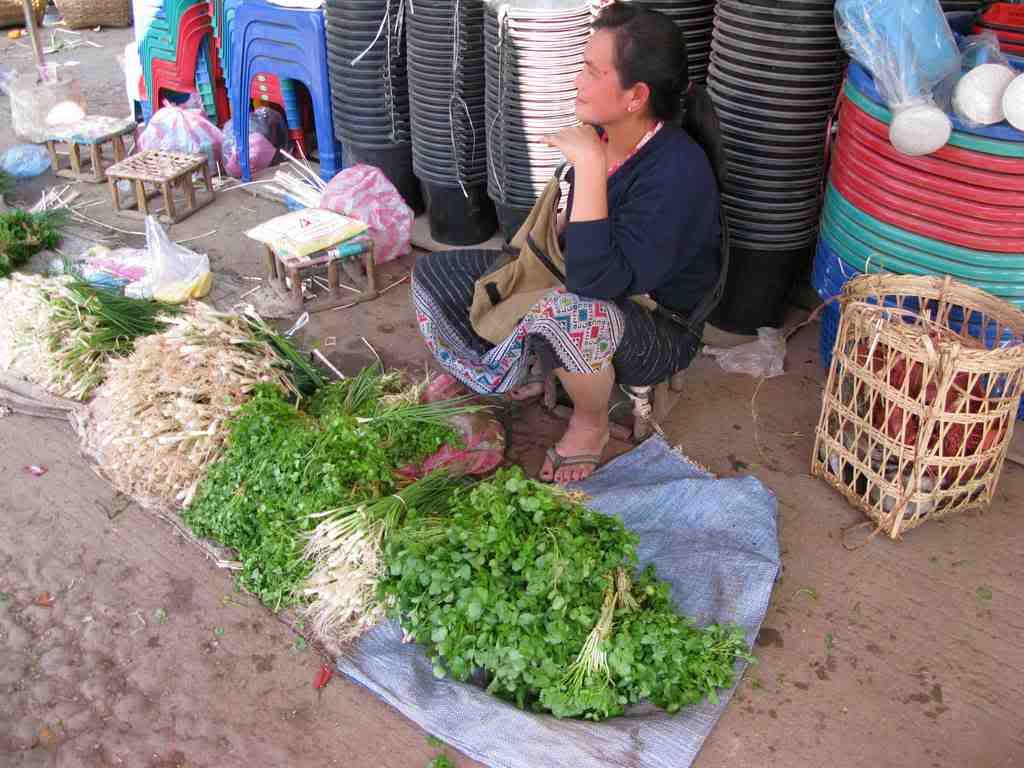
Here is one of the produce counters.


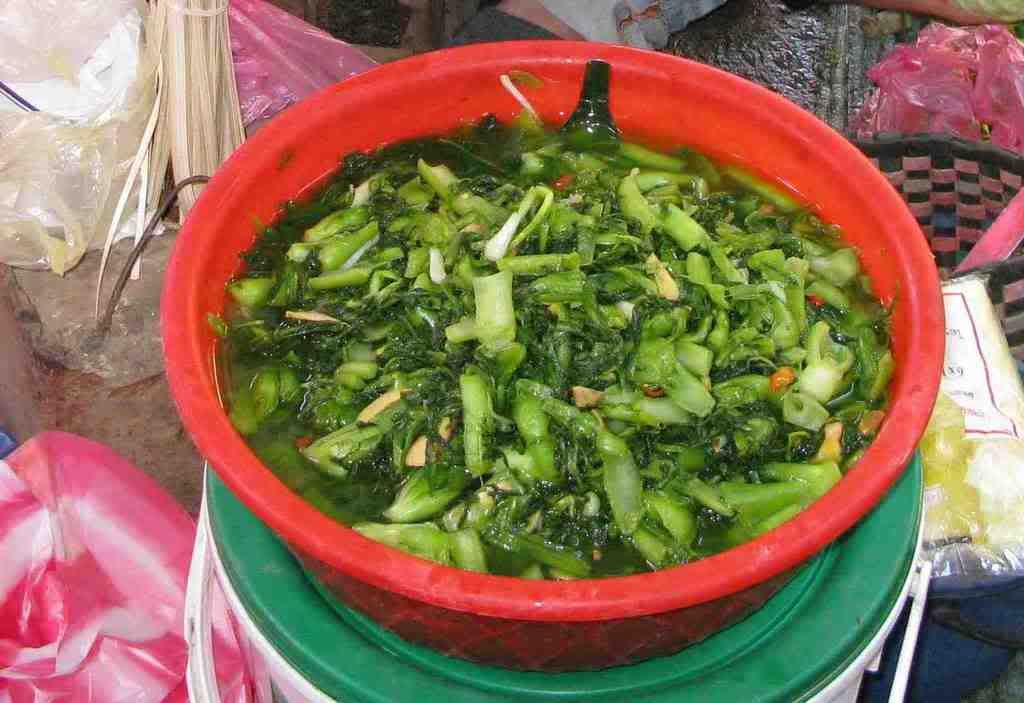
These cut greens have been pre-washed for customer convenience.


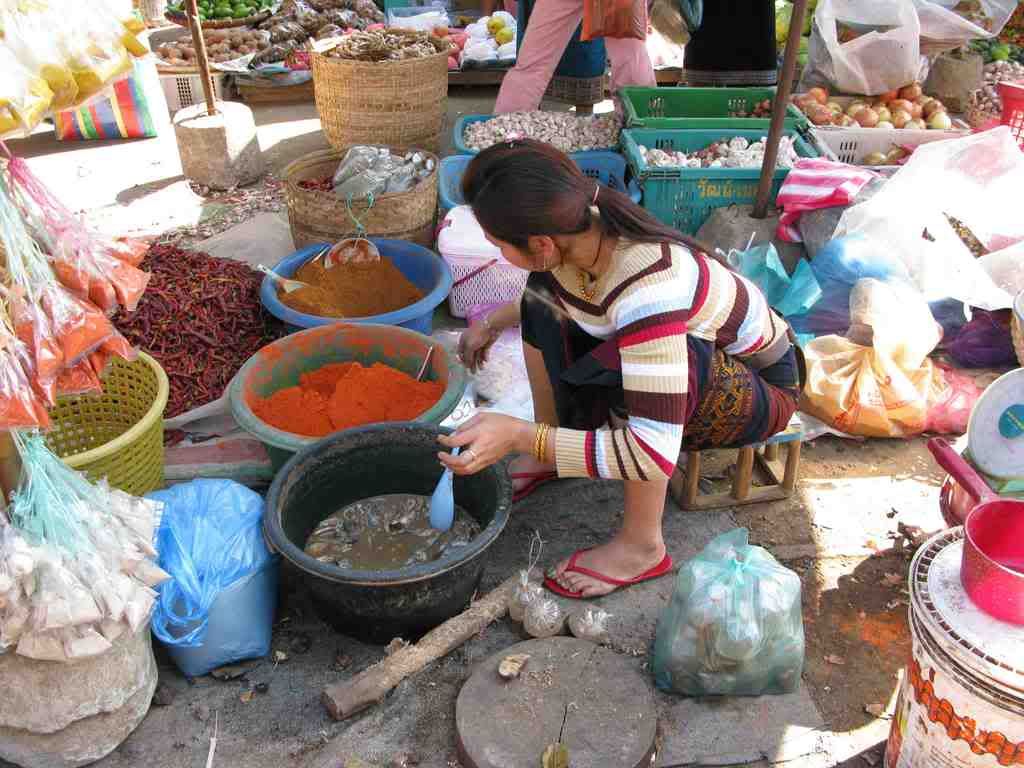
This vendor offers a variety of spices and condiments.


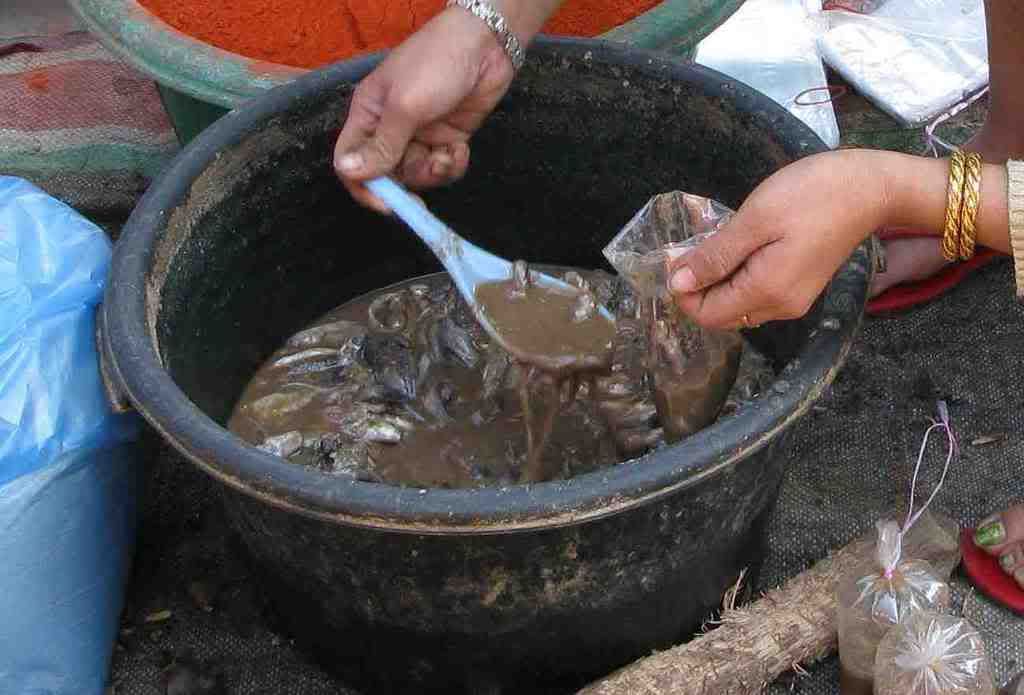
Fish sauce, anyone?


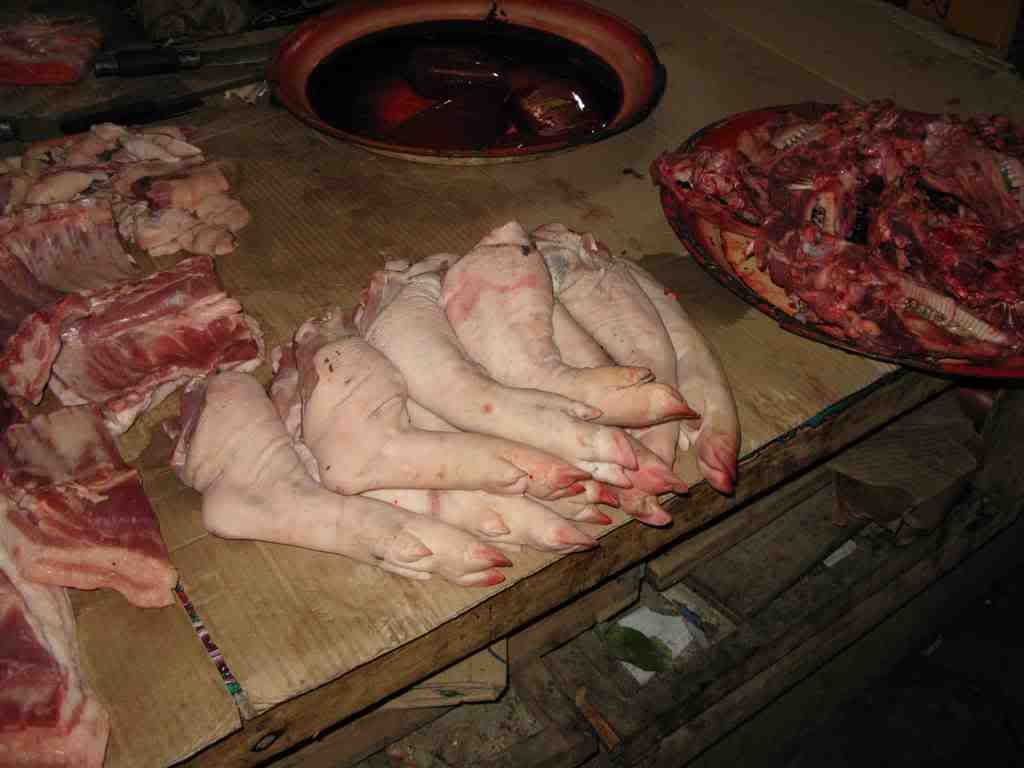
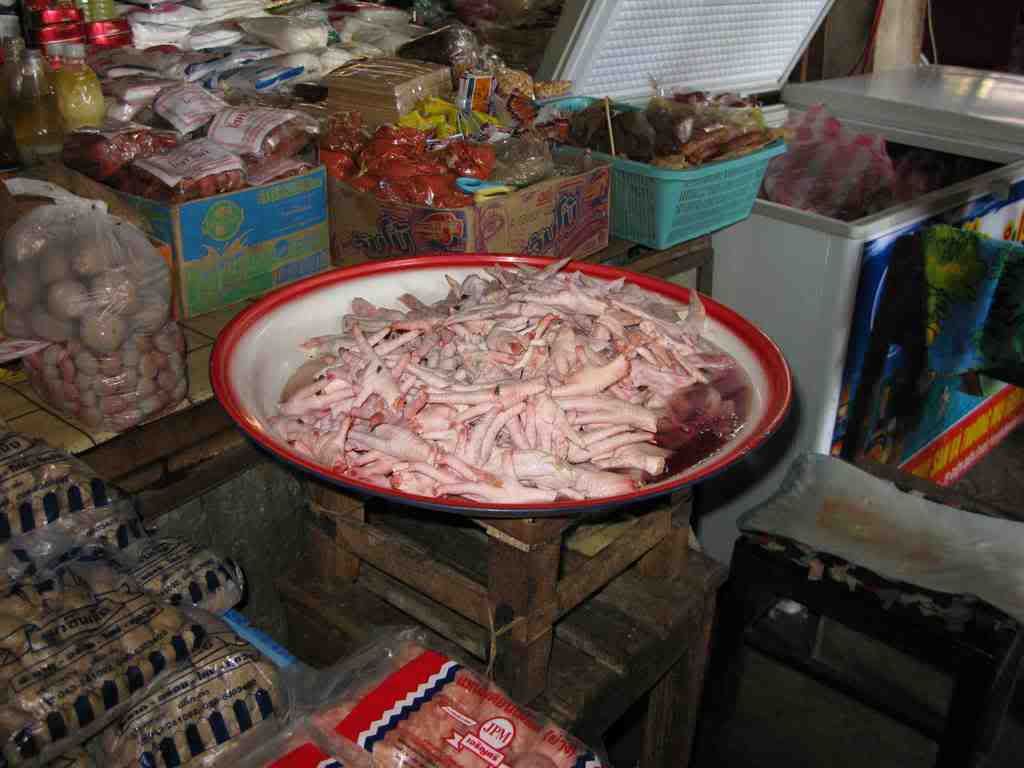
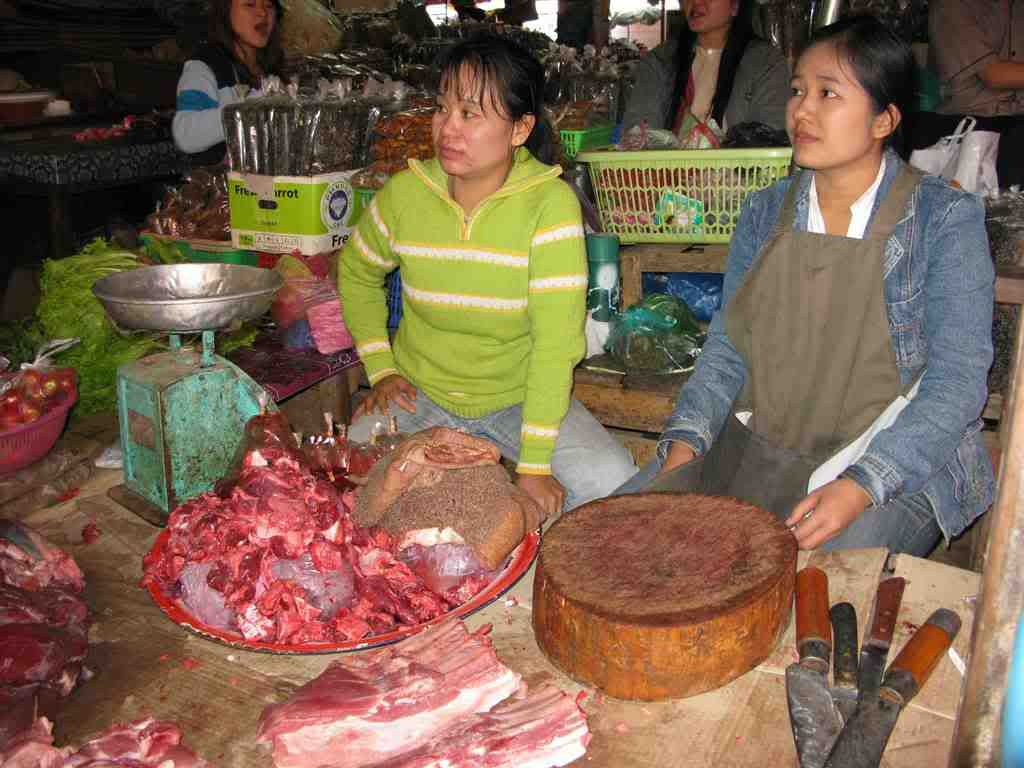
Here is one of the market's butcher shops.


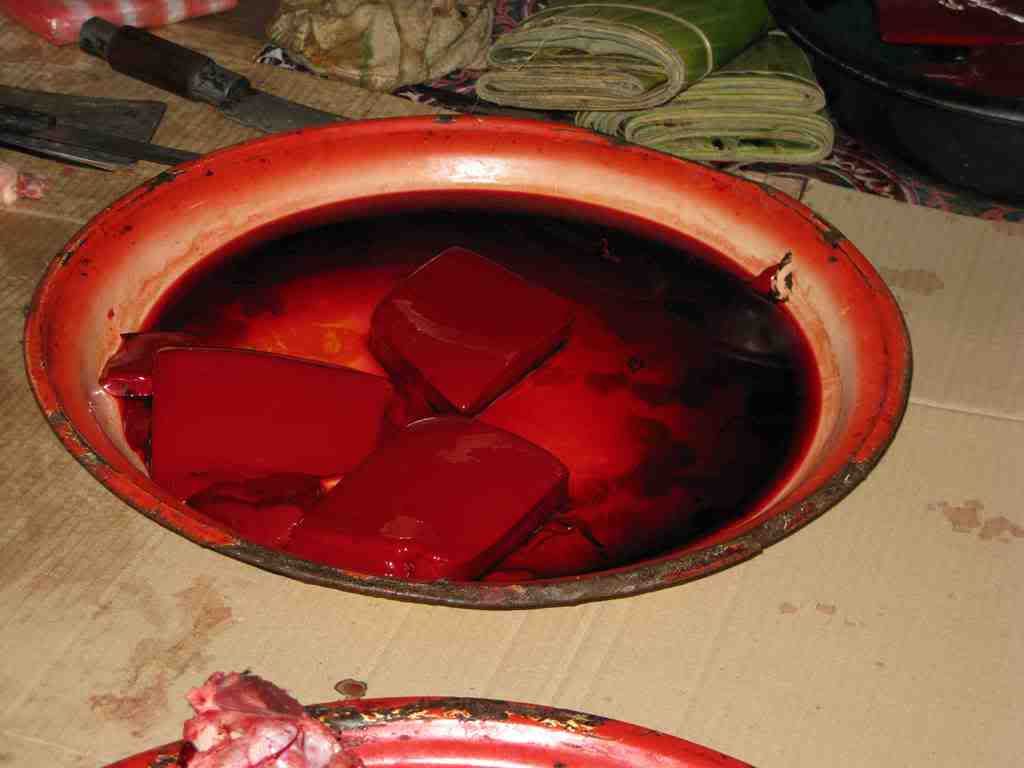
Pork blood is a local delicacy. The blood is collected, salted and allowed to clot. The blood cakes are eaten raw.


We saw no dairy stalls in this market, for a very good reason. Electricity, where it's available, costs approximately US$0.25 per kilowatt hour in Laos. That is expensive even by North American standards, and it puts refrigeration out of the economic reach of the average Laotian villager.

An Olympian Water Quality Effort

The citizens of Beijing should be grateful that their country was granted the privilege of hosting the 2008 Olympic Games. The Chinese government will begin monitoring the safety of the city's water supply and performing necessary maintenance in May - just in time to "guarantee" an adequate supply of "safe" water for the August 2008 Games.

There is no mention of plans to continue the water safety program after the games have ended.

Wednesday, February 6, 2008

Criminal Indictments for Melamine Miscreants

February 6, 2008. A federal grand jury indicted two Chinese companies and one U.S. firm today as a result of an FDA investigation into last year's poisoned pet food scandal. According to the indictments, fourteen dogs and cats died in 2007 from kidney failure after eating pet food containing wheat gluten that had been spiked with melamine and cyanuric acid in order to boost its apparent protein content.

The companies named in the indictments were Xuzhou Anying Biologic Technology Development Co., LTD., the processor and exporter of the wheat gluten, Suzhou Textiles, Silk, Light Industrial Products, Arts and Crafts I/E Co. LTD., the Chinese export broker, and ChemNutra, Inc. of Las Vegas, the importer of the adulterated wheat gluten. The owners and managers of all three companies were also named in the indictments.

The adulteration came to light last March, when FDA began to receive reports of kidney failure in dogs and cats. The outbreak of illnesses and deaths was traced to wheat gluten that was used as an ingredient in pet foods sold under a long list of different brand names. The pet foods had all been produced (co-packed) by a single company - Menu Foods. The wheat gluten, which was found to contain melamine and cyanuric acid, was imported from China and sold to Menu Foods by ChemNutra, Inc.

Neither cyanuric acid nor melamine are permitted food ingredients in the United States and Canada, but neither chemical was thought to be toxic at the concentrations found in the pet food. But scientists at the University of Guelph in Canada quickly discovered that a combination of the two chemicals produced urinary crystals that were identical to the crystals found in the urine of the affected animals. And these crystals were enough to cause the kidneys to fail.

This initial report was confirmed by a follow-up investigation commissioned by the American Association of Veterinary Laboratory Diagnosticians and coordinated by Michigan State University. The AAVLD investigation, which I summarized in a blog on December 13th, also concluded that the adulterated products had been responsible for the deaths of more than 300 dogs and cats.

The tragedy of this outbreak was that it was entirely the result of greed on the part of the off-shore suppliers and the importer, and a desire on the part of some pet food manufacturers – in order to respond to a consumer desire for "value" – to produce pet food as cheaply as possible. Quality and safety come at a cost. But excessive attention to the lowest possible price can end up costing more than anyone would ever care to pay.

Let's hope that these indictments will bring some small comfort to those pet owners who suffered the needless loss of their companions as a result of the adulterated pet food and will serve as a reminder to the food industry and to consumers of the high cost of cheap food.

Miscellaneous Outbreaks and Alerts

This seems to be a busy news day, so I've decided to summarize some of the items, with links to the full information. Here goes.

Hong Kong, Feb 6th. Sixteen patrons of Lei Yue Mun restaurant are being treated for food poisoning after eating contaminated seafood at the restaurant.

Clallam County, WA, Feb 5th.
The Washington State Department of Health warns residents to use bottled water for drinking, cooking or brushing their teeth, as a result of a water line break. Customers of the affected water utility are being asked to conserve water by taking short showers and avoiding doing laundry until service has been fully restored. Hmm, sounds like our month in Southeast Asia.

Umpqua Beach, OR, Feb 5th. The Oregon Department of Health is warning bathers to stay out of the water off Umpqua Beach because of the risk of elevated levels of fecal bacteria resulting from a sewage spill. Bathers at this time of year?

Nye Beach, OR, Feb 5th. Another sewage spill, this time at Nye Beach. It makes one wonder about the state of repair of the infrastructure.

Edinburgh, Scotland, Feb 5th. Health authorities are investigating a city nursery after a child was diagnosed with E. coli O157. There is no indication that the infection has spread to other children.

Redwood Shores, CA, Feb 2nd. The Sofitel Hotel has cleaned up its kitchen, and its act, after 62 people – including a member of the local Board of Supervisors – were infected with Norovirus after attending an event at the hotel last month.

Laos Cuisine - Part 1

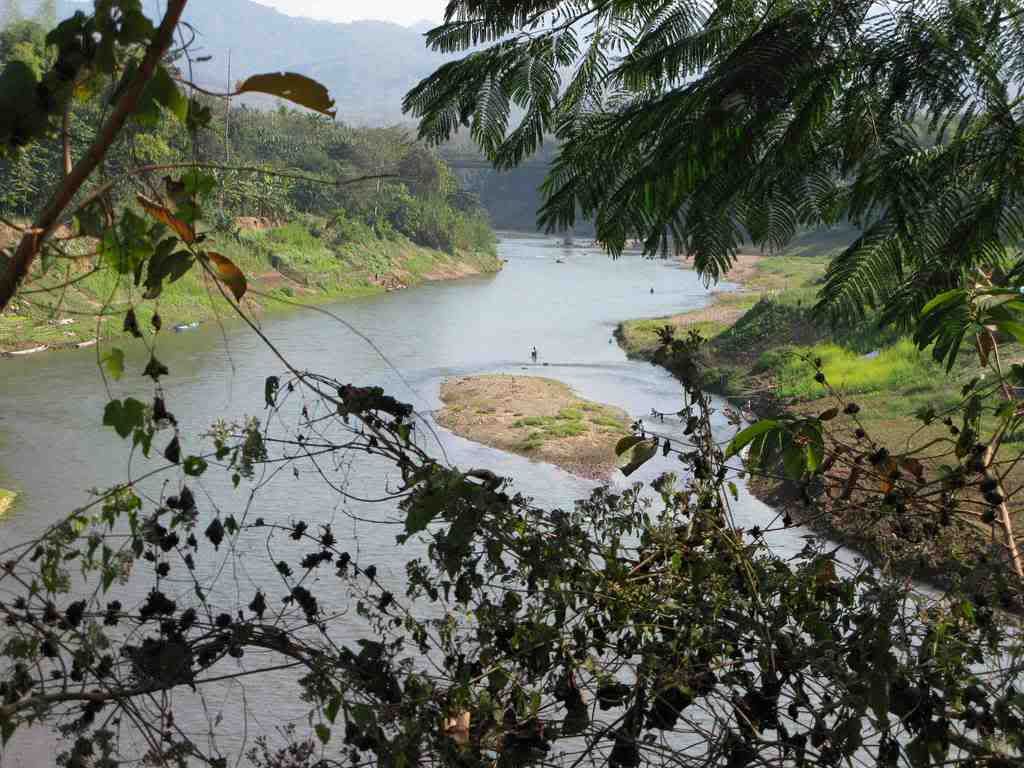
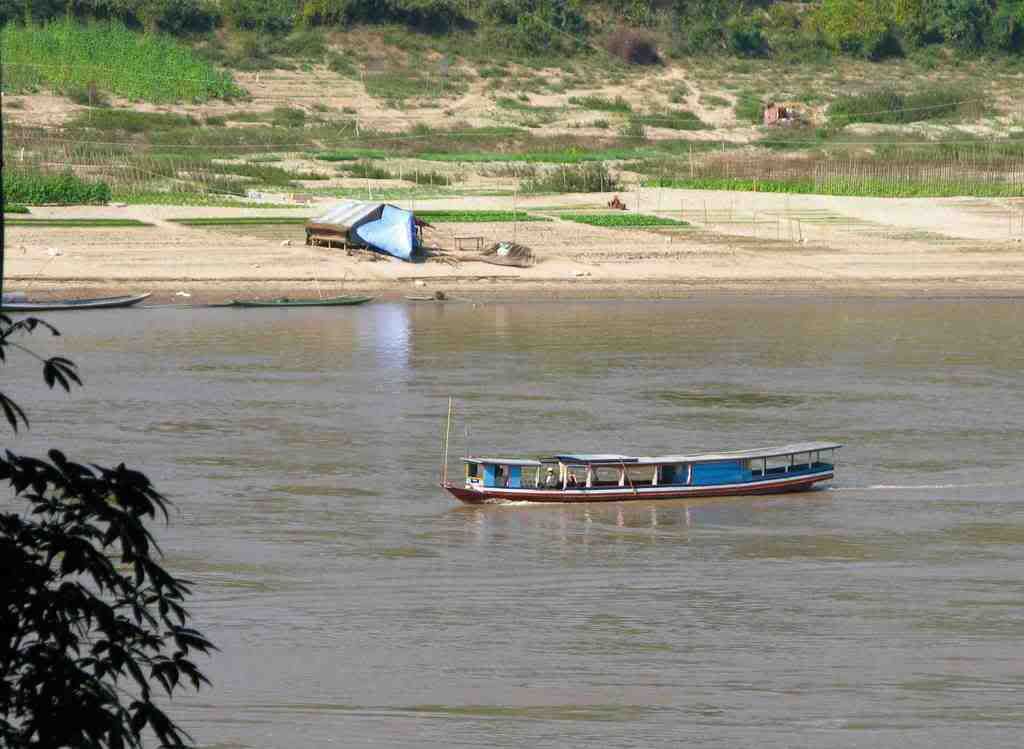
One of the “Great Rivers” of Asia, the Mekong meanders through land-locked Laos before entering Cambodia and then Vietnam, eventually evolving into the famous Mekong Delta and emptying into the South China Sea. The original name of the river – Mae Nam Khong – means “mother of all rivers”, and this (approximately) 4,350 km (2,700 mile) waterway truly is a life-giver to the Lao people (data from Wikipedia).


The Mekong River supplies fish to eat, water for drinking, washing and irrigation, and sediment to fertilize river-side vegetable gardens.


There is one more important element of Lao life that is furnished by the Mekong - riverweed.

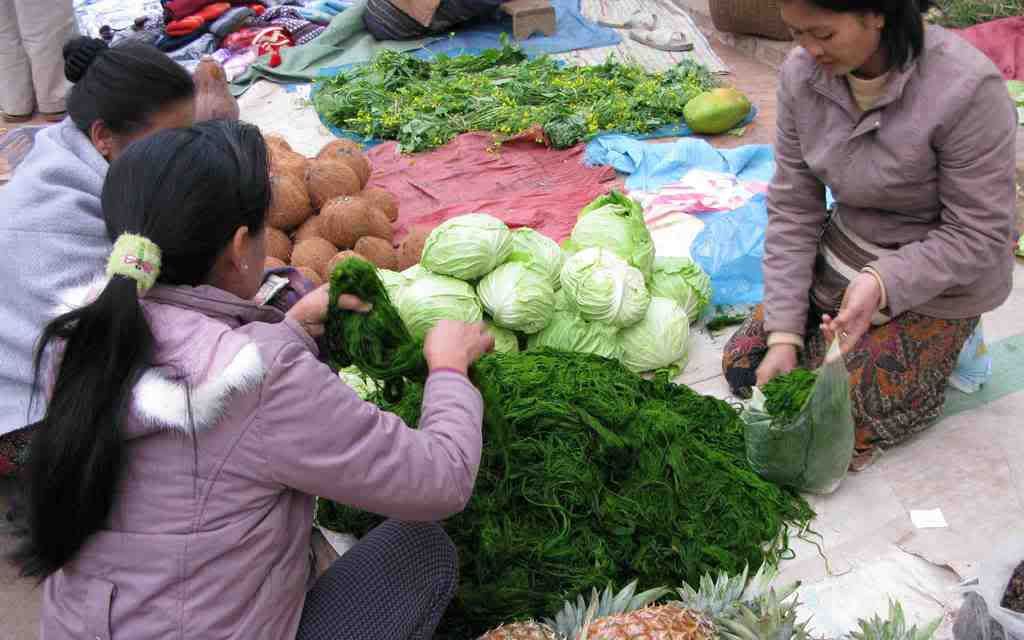
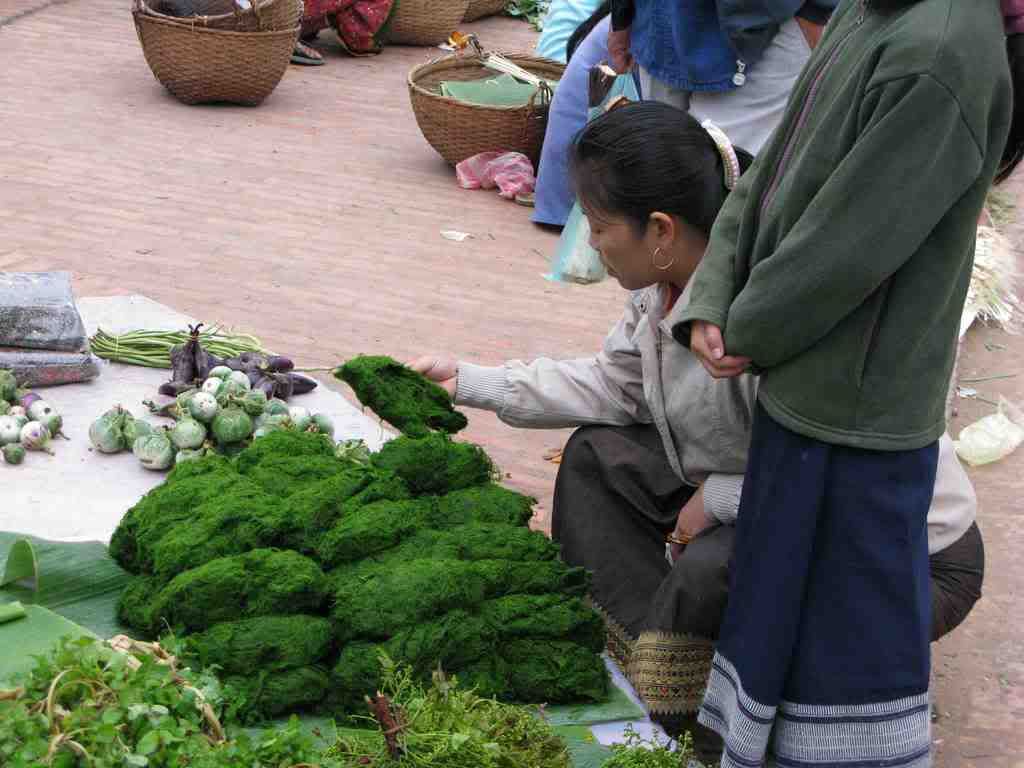
A freshwater equivalent of seaweed, riverweed grows abundantly the Mekong, giving the river its green color. It is a grassy waterplant that wafts in the river currents just below the surface of the water.

Harvesting riverweed is easy. One simply needs to take a boat out on the river, navigate to a clump of riverweed, reach over the side of the boat and pull it on board.

Once gathered, the riverweed is used in several ways. Most often, fresh riverweed is laid onto bamboo racks in thin sheets and dried in the sun. The dried riverweed is sometimes broken into pieces, sprinkled with salt or sesame seeds, deep-fried and used as a snack. But it has other uses.

Here, dried riverweed mats are used as to display fish in the Luang Prabang street market.


Fresh riverweed is sold in bulk by a vendor in the Luang Prabang morning street market. Her customer will probably use her riverweed in a soup.


Another vendor offers riverweed in a more convenient package - compressed into large blocks for easy handling.


No matter how riverweed is used, this versatile product of the Mekong is one of the more unusual agricultural products of Laos.

Sesame Seed Crackers Recall in Canada

Just as a reminder that Clostridium botulinum isn't the only microbe around, the Canadian Food Inspection Agency is warning consumers in the Ottawa/Gatineau area that sesame seed crackers labeled with the name "Dépanneur Sylvestre, 9 rue Fortier à Gatineau" may be contaminated with Salmonella and should not be eaten.

Please see the CFIA press release for details on this recall.

Olivier Dip Distributed in Canada

It's taken longer than it should have, but news of the Olivier Parmesan & Asiago Dip recall is finally reaching consumers across the United States. And now the Canadian Food Inspection Agency has also issued a Health Hazard Alert, warning Canadian consumers that the product is at risk of contamination from Clostridium botulinum.

According to the CFIA news release, the affected products have been distributed through Williams-Sonoma stores in Ontario, Alberta and British Columbia. Williams-Sonoma is initiating a voluntary recall of the products from its Canadian stores. The agency asks all Canadian consumers to check their kitchens for the recalled products, as they may also have been distributed through other retail locations across Canada.

So, why haven't we seen a press release yet from Williams-Sonoma?