Tuesday, November 10, 2009

Recall Roundup: November 10, 2009

Here is today's list of food safety recalls, product withdrawals and allergy alerts. The live links will take you directly to the official recall notices and company news releases that contain detailed information for each recall and alert.


United States
  • FDA Warning Letter: FDA warns seafood importer Gusto Food, Inc. (Maspeth, NY) of "...serious violations of the seafood Hazard Analysis and Critical Control Point (HACCP) regulation..." as the result of a March 2009 inspection.
  • FDA Warning Letter: FDA warns seafood processor Zanzibar Cafe, Inc. (San Diego, CA) of "...serious violations of the seafood Hazard Analysis and Critical Control Point (HACCP) regulation..." as the result of an August 2009 inspection.


Canada
  • Allergy Alert: Canadian Food Inspection Agency advises Canadian consumers that certain Gioia and Nutkao brands of nut spreads imported from Italy may contain undeclared peanuts and have been recalled by the importers. The recalled items were distributed in British Columbia, Alberta, Saskatchewan, Manitoba, Ontario and Quebec and may also be available in other Canadian provinces and territories.


Asia, Africa & The Pacific
  • Proprietary Medicine Recall (Hong Kong): Department of Health urged members of the public not to buy or use a proprietary Chinese medicine (pCm) named "XUE FU ZHU YU TANG" as it was found to have exceeded heavy metal limit. The product has been recalled


Some supermarket chains post recall notices on their web sites for the convenience of customers. To see whether a recalled food was carried by your favorite supermarket, follow the live link to the supermarket's recall web site.


*The Kroger umbrella encompasses numerous supermarket, marketplace and convenience store chains, listed on the Kroger corporate home page.


If you would like to receive automatic email alerts for all new articles posted on eFoodAlert, please submit your request using the link on our sidebar.

FDA Warning: Pig Ears and Cow Hooves May Contain Salmonella

Manufacturer does NOT recall potentially contaminated dog treats

November 10, 2009

On November 5th, FDA warned dog owners that pig ears and cow hooves – both plain and stuffed – manufactured by Pet Carousel, Inc. (Sanger, CA) may be contaminated with Salmonella.

The warning came after routine FDA testing revealed the presence of Salmonella in a sample of the manufacturer's pig ear dog treats. The finding triggered an FDA inspection of Pet Carousel's manufacturing facility.

During the course of the inspection, FDA noted the potential for cross-contamination in the manufacturing facility between different products and batches. Additional testing resulted in more Salmonella-positive findings – in beef hooves, pig ears and the manufacturing environment.

Although Pet Carousel has not issued a "voluntary" recall notice, FDA recommends that consumers discard all date codes and packages sizes of the following products:
  • Pet Carousel Pig Ears
  • Pet Carousel Beef Hooves
  • Doggie Delight Pig Ears
  • Doggie Delight Beef Hooves
  • Choo Hooves Beef Hooves
  • Dentley's Beef Hooves

These dog treats are sold nationwide through retail stores and over the Internet. Both PetSmart, Pet Food Express and Petco have posted formal recall notices on their web pages, and have offered to exchange or refund the recalled products. Please post a comment below if you have information on recall notices posted by other retailers of these products.

Salmonella can cause gastroenteritis in dogs, including symptoms such as nausea, vomiting, and diarrhea. Some dogs will shed Salmonella in their stools without ever showing any symptoms of illness. If any stool clings to an infected dog's coat near the anus (not unusual with long-haired breeds), the Salmonella can be spread to other parts of the coat by licking – and then transferred to anyone who pets, or is licked by, the dog.

If your dog is showing symptoms of gastroenteritis a week or less after chewing on one of the pig ear or cow hoof treats listed above, contact your veterinarian. If you believe that your dog's illness is linked to one of the recalled items, please contact the FDA Consumer Complaint Coordinator for your state.


Monday, November 9, 2009

Recall Roundup: November 9, 2009

Here is today's list of food safety recalls, product withdrawals and allergy alerts. The live links will take you directly to the official recall notices and company news releases that contain detailed information for each recall and alert.


United States
  • Allergy Alert: Jelly Belly Candy Company recalls 7.5-ounce cylinder-style packages of 49 Flavors Jelly Belly jelly beans due to the presence of undeclared peanut butter and peanut flour.
  • Food Safety Recall: USDA releases expanded retail distribution list for E. coli O157:H7-contaminated meat recalled by Fairbank Farms
  • Pet Treat Safety Warning: FDA warns consumers not to use Pig Ears and Beef Hooves manufactured by Pet Carousel under various brand names, because the pet treats may be contaminated with Salmonella. The contamination was discovered by FDA during the course of a routine inspection of Pet Carousel's manufacturing facility. Both PetSmart and Petco have initiated product recalls as a result of the FDA warning.
  • OTC Medication Recall: McNeil Consumer Healthcare, Division of McNEIL-PPC, Inc. recalls a limited number of TYLENOL® Arthritis Pain Caplet 100 count bottles after an unusual smell or taste associated with these lots led to a small number of people reporting nausea and related symptoms.
  • Food Recall: Food City advises its customers that Farmbest Non-Fat Lite Strawberry Yogurt (6 oz.) has been recalled. No details were provided.


Canada
  • Allergy Alert: GIGI Importing Ltd. recalls several Nutkao brand nut spreads from Italy due to the presence of undeclared peanuts. The recalled products were distributed in British Columbia, Alberta, Saskatchewan, Manitoba, Ontario and Quebec, and may also have been available in other Canadian provinces and territories.


Europe
  • Allergy Alert (UK and Republic of Ireland): Tesco recalls some of its own brand Milk Chocolate Covered Raisins, sold in the UK and the Republic of Ireland, because the packages may contain peanuts that are not declared on the labeling.
  • Food Recall (UK): Asda recalls its own-brand Wholefoods Garland Figs (250g) with a 'best before' date of 31 July 2010, because the product is infested with moth larvae.
  • Food Safety Recall (EU #2009.1514): Salmonella Amsterdam in husked sesame seed from India; distributed to Austria and Germany
  • Food Safety Recall (EU #2009.1519): Salmonella in fresh pennywort leaves (Centella asiatica) from Thailand; distributed to Sweden
  • Food Safety Recall (EU #2009.1525): Salmonella in dried dairy powder from the Netherlands; distributed to Belgium, Netherlands and Portugal
  • Food Safety Recall (EU #2009.1530): Listeria monocytogenes in smoked salmon from Poland; distributed to Italy


Some supermarket chains post recall notices on their web sites for the convenience of customers. To see whether a recalled food was carried by your favorite supermarket, follow the live link to the supermarket's recall web site.


*The Kroger umbrella encompasses numerous supermarket, marketplace and convenience store chains, listed on the Kroger corporate home page.


If you would like to receive automatic email alerts for all new articles posted on eFoodAlert, please submit your request using the link on our sidebar.

Saturday, November 7, 2009

A Multitude Of Mushrooms

November 7, 2009

Many years ago, when I was an undergraduate microbiology student at McGill University in Montreal (Canada), I took a mycology course given by the Botany Department. Unlike courses in clinical mycology that I have taken, the Botany Department course surveyed fungi that live and grow in fields and forests.

The professor marked our final lab session by preparing for us a dish of mushrooms sautéed with butter and sherry. Needless to say, we gave him an "A+" for his final grade.

Despite – or perhaps because of – having taken that course, I have never tried to pick wild mushrooms for the dinner table. There are too many poisonous varieties that resemble completely innocuous mushrooms.


Everyone is familiar with the typical cultivated mushrooms that are found, either loose or packaged, in the produce section of the local supermarket. These mushrooms were on display at the San Francisco Farmer's Market in September.


They can easily be confused with two very poisonous mushroom varieties – Amanita phalloides and Amanita ocreata – that, between them, were responsible for 894 episodes of poisoning in the state of California in 2008.

As I was reminded while roaming the Farmer's Market, edible mushrooms come in a surprising range of shapes, sizes and colors. There are chanterelles and cioppini, portobello and pioppini, lobster mushrooms and oyster mushrooms.


These are just some of the mushroom varieties that were on display at the market.


And here are a few more.


The lobster mushrooms and oyster mushrooms intrigued me most – not only due to their names, but because of their growth and development.

Oyster mushrooms come in a variety of sizes and colors. They grow wild on dead tree bark, and look for all the world like oyster clusters. They are also reputed to taste like oysters.


A lobster mushroom is the result of a parasitic fungus growing on certain species of mushrooms. The parasite changes the color, shape and texture of its host mushroom, producing a lobster mushroom.


With the amazing variety of mushrooms that are available at Farmer's Markets such as the one in San Francisco, who needs to forage for fungi in the field?

Thursday, November 5, 2009

Recall Roundup: November 5, 2009

Here is today's list of food safety recalls, product withdrawals and allergy alerts. The live links will take you directly to the official recall notices and company news releases that contain detailed information for each recall and alert.


United States
  • Allergy Alert: Curly's Food, Inc. (Sioux City, IA) recalls approximately 12,181 pounds of roast beef deli products because they were inadvertently mislabeled and contain undeclared soy.
  • Allergy Alert: Bay Valley Foods, LLC (Pittsburgh, PA) recalls approximately 20,286 pounds of canned cream of mushroom soup because it was inadvertently mislabeled and may contain undeclared egg.
  • Allergy Alert: Kroger Co. recalls Kroger brand Hazelnut Spread (13 oz.) because it contains undeclared peanuts. The recalled product was available in Kroger, Dillons, King Soopers, Peyton Fountain and Southeast stores.
  • Food Safety Recall: Giant Food Stores expands earlier recall of ground beef products supplied by Fairbank Farms to include additional expiration date codes, because the meat may be contaminated with E. coli O157:H7.
  • Food Safety Alert: The Alabama Department of Agriculture issues a Stop Sale notice for imported catfish and basa product from Indonesia, Thailand, Cambodia, China and Vietnam due to positive results for the antibiotic fluoroquinolones.
  • Pet Treat Safety Recall: PetSmart recalls two Dentley's Beef Hoof products for potential Salmonella contamination. The products were manufactured by Pet Carousel, Inc. (Sanger, CA) and shipped to PetSmart distribution centers in Ottawa (IL), Groveport (OH) and Newnan (GA) for distribution to PetSmart retail locations.
  • Dietary Supplement Safety Warning: FDA warns consumers that Stiff Nights, a product marketed as a dietary supplement for sexual enhancement, contains an ingredient that can dangerously lower blood pressure and is illegal.


Canada
  • Food Safety Recall: At the request of Health Canada, U&ME Marketing recalls Chaotic Beverages sold under the brand names Mind Strike, Fearocity, Elixir of Tenacity and Power Pulse "... because they are unauthorized products marketed to a vulnerable population (children) with ingredients that may pose a health risk."


Europe


Asia, Africa & The Pacific
  • Drug Ingredient Alert (Hong Kong): The Department of Health warns consumers not to buy or use "Zeng Da Yan Shi Wan" as it was found to contain an undeclared drug ingredient – sildenafil – which may cause serious side effects.


Some supermarket chains post recall notices on their web sites for the convenience of customers. To see whether a recalled food was carried by your favorite supermarket, follow the live link to the supermarket's recall web site.


*The Kroger umbrella encompasses numerous supermarket, marketplace and convenience store chains, listed on the Kroger corporate home page.


If you would like to receive automatic email alerts for all new articles posted on eFoodAlert, please submit your request using the link on our sidebar.

Wednesday, November 4, 2009

Recall Roundup: November 4, 2009

Here is today's list of food safety recalls, product withdrawals and allergy alerts. The live links will take you directly to the official recall notices and company news releases that contain detailed information for each recall and alert.


United States
  • Allergy Alert: Pelican Bay Ltd. (Dunedin, FL) recalls all their Caramel Chocolate Truffle Hot Chocolate Mix because it may contain undeclared tree nuts.
  • Allergy Alert: Charleston Cookie Company (Charleston, SC) recalls packages of Almond Cookies which were sold as a component of the Dean and Deluca "Americana" cookie tin because the cookies contain undeclared butter (milk).
  • Food Safety Recall: BJ's Wholesale Club, Inc. recalls fresh ground beef products supplied by Fairbank Farms, because the meat may be contaminated with E. coli O157:H7. The recalled products were sold at BJ's locations in Connecticut, Delaware, Maine, Maryland, Massachusetts, New Hampshire, New Jersey, New York, North Carolina, Ohio, Pennsylvania, Rhode Island, and Virginia.
  • Food Safety Recall: USDA releases updated retail distribution list for Fairbank Farms recall of E. coli O157:H7-contaminated ground beef products.
  • Dietary Supplement Recall: BODYBUILDING.COM announces nationwide and international recall of 65 dietary supplements that may contain steroids.


Europe
  • Allergy Alert (UK): Asda recalls Extra Special Chocolate Coated Nut Selection with a 'best before' date of 30 April 2010, because the product contains undeclared barley gluten.
  • Food Recall (Ireland): TK Maxx recalls certain Pastificio Conforti Brand Pasta products due to possible insect infestation.
  • Food Recall (EU #2009.1496): Plastic fragments in wholenut dark chocolate from Belgium; distributed to the United Kingdom.
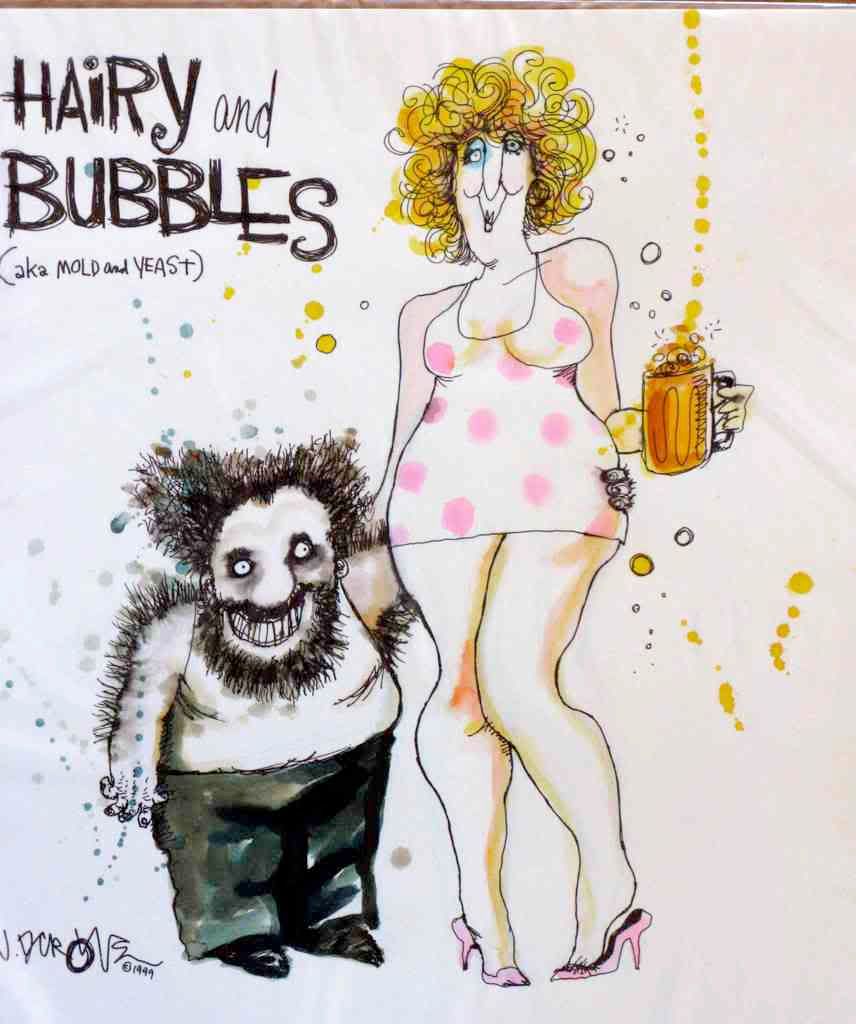
  • Food Recall (EU #2009.1494): Mold and yeast in Swiss rolls with cocoa or fruit filling from Poland; distributed to Romania.
  • Food Safety Recall (EU #2009.1495): Mercury in smoked swordfish (Xiphias gladius) from Spain; distributed to Italy.
  • Dietary Supplement Recall (EU #2009.1490): Unauthorised substance tadalafil in food supplement from the United States; distributed to Italy. Please see BodyBuilding.com recall notice under the United States heading, above, for additional product recall details.


Some supermarket chains post recall notices on their web sites for the convenience of customers. To see whether a recalled food was carried by your favorite supermarket, follow the live link to the supermarket's recall web site.


*The Kroger umbrella encompasses numerous supermarket, marketplace and convenience store chains, listed on the Kroger corporate home page.


If you would like to receive automatic email alerts for all new articles posted on eFoodAlert, please submit your request using the link on our sidebar.

Babies and Botulism: One Baby's Story

November 4, 2009

Logan Douglas, 16 weeks old, is in an Edinburgh, Scotland hospital, in "critical but stable condition" today – the first Scottish victim of infant botulism since 1983 (as far back as can be traced in the country's electronic records).

Six weeks ago, according to BBC, Logan was admitted to Edinburgh's Royal Hospital for Sick Children with symptoms of infant botulism. A lab test confirmed the diagnosis. Doctors suspect that Logan contracted the disease as a result of sucking on a pacifier that had been dipped in honey.

Infant botulism occurs when a baby or toddler with an immature digestive system eats something – usually honey – that contains live spores of Clostridium botulinum. These spores, which are unable to develop in a mature digestive system, are able to grow and produce a deadly toxin in the digestive tract of infants who are less than one year old.

The toxin produced by Clostridium botulinum is a neurotoxin; it affects the nervous system, causing a progressive paralysis. In babies, the first symptom usually is constipation. This is usually followed by poor feeding, weakness and lethargy. The baby has difficulty holding up its head.

There are few treatment options for infant botulism. Antibiotics do not work. In 2003, US Food and Drug Administration approved an orphan drug, BabyBIG®, to treat infant botulism. BabyBIG® consists of human-derived antitoxin antibodies that bind to and neutralize the botulism toxin.

BabyBIG® is not readily available outside of the United States and Canada. In its absence, a patient simply receives supportive care until the microbe and the toxin clear out of the body. This takes time, as Logan's parents are finding out.

Fortunately, infant botulism is an infrequent occurrence. There have been only a half-dozen cases in the UK since 1976. In the United States, there are fewer than 100 cases reported annually. It also is a totally preventable disease.

The odds of survival are in Logan's favor. Fewer than 2% of botulism cases are fatal – usually as a result of respiratory arrest. But it could take months for him to recover fully.

Protect your infant from infant botulism. DO NOT feed honey or corn syrup (another source of spores) – not even a tiny amount – to any infant or toddler who is younger than 12 months old.

Note: Thanks to eFoodAlert reader Mats Peterz for pointing me to the BabyBIG® treatment information.

Tuesday, November 3, 2009

UPDATE: 2 Dead, 16 Hospitalized In Latest US E. coli Outbreak

UPDATE: Number of confirmed cases now 26; 11 states affected

Based on the latest information, released this evening by CDC, there are 26 confirmed victims of this E. coli O157:H7 outbreak, spread amongst 11 states. The South Dakota outbreak victims have been removed from the list.

CDC reports that the link between Fairbank Farm's recalled ground beef and 13 of the 26 outbreak cases has been confirmed by the use of an "...an advanced secondary DNA test..." Results of this test are pending on other outbreak victims. These results will determine whether the number of confirmed victims will change further.


Following is the text of the original eFoodAlert report, posting earlier today.

November 3, 2009

The CDC reported late yesterday that ground beef contaminated with E. coli O157:H7 is the likely source of an outbreak of gastroenteritis that has affected at least 28 people in 12 states. Sixteen people have been hospitalized – three with hemolytic uremic syndrome – and two people have died so far.

The outbreak stretches from coast to coast, although most of the victims are from New England. It is, though, unrelated to the E. coli O157:H7 outbreak that sickened more than 20 Rhode Island school children late last month. Those illnesses were traced to ground beef supplied by a Massachusetts meat processor.

Cases of E. coli O157:H7 that match the outbreak strain have been reported in the following states: California (1), Connecticut (4), Massachusetts (8), Maryland (1), Maine (2), Minnesota (1), New Hampshire (4), New Jersey (1), New York (1), Pennsylvania (2), South Dakota (2), and Vermont (1). A New Hampshire resident and one from New York state are dead as a result of their illness.

On October 31st, Fairbank Farms, a New York meat processor, recalled more than 545,000 pounds of ground beef after Massachusetts recovered the outbreak strain of E. coli O157:H7 from an opened package of ground beef obtained from a victim of the outbreak.

USDA has released a partial retail distribution list for the recalled meat, and several supermarket chains have posted their own notices. Based on what we know so far, some of the Fairbank Farms ground beef was sold in the following supermarket chains:

  • BJ's Warehouse: May have been sold in Connecticut stores
  • Food Lion LLC: Food Lion, Bloom and Bottom Dollar Food in North Carolina, South Carolina, Virginia and West Virginia
  • Giant Food Stores: Available in Giant and Martin's stores
  • Price Chopper: All stores in Connecticut, Pennsylvania, New York and Vermont
  • Shaws: All stores in Connecticut, Maine, Massachusetts, New Hampshire, Rhode Island and Vermont
  • Trader Joe's: Stores on the eastern seaboard, including those in Massachusetts, Rhode Island, Connecticut, New York, New Jersey, Maryland, Delaware, District of Columbia, North Carolina, Virginia and Pennsylvania

Wegman's supermarket chain is unaffected by this recall. Fairbank Farms is NOT a Wegman's supplier.

Packages of the recalled ground beef bear the USDA seal, "Est. No. 492"; most packages carry a sell-by date of September 19 through 28, 2009, although some of the Trader Joe's packages may be labeled with a sell-by date of October 6 or 7, 2009.

All of the recalled meat has passed its sell-by date and is no longer in store display cases. It may, however, be in your freezer. Please check all packages of ground beef that are stored in your freezer and discard or return any meat that has been recalled.

The slaughterhouse that supplied meat to Fairbank Farms has not yet been identified. The same slaughterhouse that supplied Fairbank Farms may also have sold the contaminated meat to processors in other parts of the country. This would account for the illnesses in California, Minnesota and South Dakota. It's possible that more meat will be recalled.

CDC offers consumers the following reminders:

Cook Beef Thoroughly

Eat ground beef or ground beef patties that have been cooked to a safe internal temperature of 160° F.

  • Use a food thermometer to measure the internal temperature—it is the only way to be sure ground beef is cooked to a high enough temperature to kill harmful bacteria.
  • Color is NOT a reliable indicator that ground beef or ground beef patties have been cooked to a temperature high enough to kill harmful bacteria such as E. coli O157:H7.

For more information go to Is It Done Yet? (USDA).

Refrigerate Meats

  • Refrigerate raw meat within two hours after purchase or within one hour if temperatures exceed 90° F.
  • Store ground beef in a refrigerator set at 40° F or below, and cook or freeze it within one or two days of purchase
  • Refrigerate cooked meat and poultry within two hours after cooking, and use or freeze it within three or four days


E. coli O157:H7 can be a life-threatening illness, especially to children and to the elderly. If you or a member of your family begin to experience symptoms of E. coli gastroenteritis – especially bloody diarrhea – seek immediate medical attention. Also, contact your local health department to report your illness and be prepared to describe in detail everything you have consumed within the several days before you became ill. Your prompt action may save someones life.

Recall Roundup: November 3, 2009

Here is today's list of food safety recalls, product withdrawals and allergy alerts. The live links will take you directly to the official recall notices and company news releases that contain detailed information for each recall and alert.


United States
  • FDA Warning Letter: Tampa Peanut Distributors warned by letter on October 8, 2009 to correct several "... objectionable conditions and practices..." that were observed during a June 2009 FDA inspection.
  • FDA Warning Letter: Basic American Foods warning by letter on October 7, 2009 to correct "...serious violations of the seafood Hazard Analysis and Critical Control Point (HACCP) regulations..." and violations of Good Manufacturing Practices that were observed during a June 2009 FDA inspection.
  • Food Safety Recall: Bloom (part of Food Lion LLC) recalls Fairbank Farms 93% lean ground beef that was sold in Bloom supermarkets in North Carolina, South Carolina and Virginia, because the meat may be contaminated with E. coli O157:H7
  • Food Safety Recall: HP Hood recalls a certain number of cartons of Lactaid Calcium Fortified Fat Free Milk that may contain diluted food grade cleaning solution. The recall notice was on the Big Y World Class Market web site.
  • Food Safety Notice: Alabama Department of Agriculture & Industries stops the sale of imported fish in the state, due to contamination by Fluoroquinolones, a banned substance in the United States.


Europe
  • Food Safety Recall (UK): Sainsbury's recalls its Belgian Wholenut Dark Chocolate with the 'best before' date of 17 September 2010, because the product might contain pieces of hard plastic.
  • Food Alert (EU #2009.1487): Insect-infested pasta from Italy via the United Kingdom (probably Conforti brand) infested with insects; distributed to Germany, Ireland, Poland and the UK.


Australia and New Zealand
  • Food Safety Recall (Australia): New World Trading Comp Pty Ltd recalls bean curd products, because they may contain Bacillus cereus, a bacterial agent of food poisoning. The recalled products were sold through Asian retail outlets in South Australia, Victoria, West Australia, Queensland and Tasmania.


Some supermarket chains post recall notices on their web sites for the convenience of customers. To see whether a recalled food was carried by your favorite supermarket, follow the live link to the supermarket's recall web site.


*The Kroger umbrella encompasses numerous supermarket, marketplace and convenience store chains, listed on the Kroger corporate home page.


If you would like to receive automatic email alerts for all new articles posted on eFoodAlert, please submit your request using the link on our sidebar.

Monday, November 2, 2009

Recall Roundup: November 2, 2009

Here is today's list of food safety recalls, product withdrawals and allergy alerts. The live links will take you directly to the official recall notices and company news releases that contain detailed information for each recall and alert.


United States


Europe
  • Food Alert (UK): TJX Europe recalls a variety of Conforti brand pasta products due to insect infestation.


Australia and New Zealand
  • Food Safety Alert (Australia): The Chief Health Officer of the state of Victoria warns consumers not to eat semi-dried tomatoes unless they have been thoroughly cooked, due to a risk of Hepatitis A virus contamination. The state has been experiencing an unusual number of Hepatitis A illnesses, and many of the victims reported consuming semi-dried tomatoes.


Some supermarket chains post recall notices on their web sites for the convenience of customers. To see whether a recalled food was carried by your favorite supermarket, follow the live link to the supermarket's recall web site.


*The Kroger umbrella encompasses numerous supermarket, marketplace and convenience store chains, listed on the Kroger corporate home page.


If you would like to receive automatic email alerts for all new articles posted on eFoodAlert, please submit your request using the link on our sidebar.

Australia Hepatitis Outbreak Linked To Semi-Dried Tomatoes

November 2, 2009

Health authorities in the Australian state of Victoria are warning consumers to avoid eating semi-dried tomatoes unless they have been thoroughly cooked.

The warning was first issued in late May, after health authorities in Victoria and South Australia noticed a spike in reports of Hepatitis A infections. Many of the victims reported having eaten semi-dried tomatoes. The Victoria Minister of Health repeated the warning several days ago, after 23 new cases of hepatitis were diagnosed.

There have been more than 200 reported cases of hepatitis A so far this year in Victoria, compared to only 74 during the first 10 months of 2008.

Investigators in Victoria and South Australia are still puzzled as to the origin of the contaminated semi-dried tomatoes. The 10-50 day incubation period for hepatitis doesn't help matters. How many of us can remember everything that we have eaten one or two months ago?

Hepatitis A virus is transmitted by the fecal-oral route. Live virus is shed in the stool of infected individuals. Virus-contaminated water, if used for irrigation, can contaminate produce in the field. Also, unless victims pay scrupulous attention to personal hygiene, they can transfer the virus onto the surface of foods that they handle, or onto serving utensils. An individual who is suffering from, or recovering from, hepatitis should never prepare food for others, either in a commercial environment or at home.

Until the current hepatitis mystery has been solved, treat semi-dried tomatoes as you would treat raw sprouts.
  • Do not eat salads or sandwiches that contain semi-dried tomatoes
  • It's safe to eat semi-dried tomatoes that have been cooked - for example, on a pizza or in an omelet.

If you experience any symptoms of hepatitis infection, contact your physician and your local health authority immediately.

Sunday, November 1, 2009

E. coli By Another Name Is Just As Deadly

November 1, 2009

E. coli O157:H7 deserves its reputation as a killer. Roughly 5-10% of children who are infected with this microbe develop hemolytic uremic syndrome (HUS). And 5-10% of the people who develop HUS die as a result of its devastating effect on the kidneys and other vital organs. Those who survive face life-long, often debilitating, complications.

The severe symptoms caused by E. coli O157:H7 are due to its production of two toxins – "shiga toxins" – related genetically to toxins produced by Shigella bacteria. Thus, E. coli O157:H7 is sometimes referred to as STEC, which stands for "shiga toxin-producing E. coli."

USDA has long treated E. coli O157:H7 as an adulterant in ground beef. Recently, this policy was extended to include beef trim and beef cuts. But E. coli O157:H7 is not the only E. coli that produces shiga toxins. There are other shiga toxin-producing E. coli that are equally capable of causing severe illness and even death.

  • The E. coli outbreak that occurred in Oklahoma in 2008 was due to E. coli O111. Three hundred and forty-one people were infected; 72 were hospitalized; one person died.
  • E. coli O45 was responsible for a 2005 outbreak that sickened 52 prisoners at a state correctional facility; 3 were hospitalized.
  • At least 150 different STEC E. coli serotypes have been implicated in diarrheal illness in the United States. The most common, in addition to O157:H7, are: O26, O45, O103, O111, O121, and O145.

It's time to rethink E. coli from the name up. Microbiologists refer to the normal, non-pathogenic E. coli that lives happily in the intestines as "generic E. coli" – a meaningless name. Other E. coli types are referred to as "enteropathogenic" or "enterotoxigenic" or "enterohemorrhagic" or "STEC", depending on the way in which they cause illness.

I propose, instead, that we subdivide E. coli into four well-defined varieties:
  • E. coli var. innocua (the innocuous bugs that lives comfortably inside all of us)
  • E. coli var. enteropathogenica (E. coli types that behave similarly to Salmonella)
  • E. coli var. enterotoxigenica (E. coli types that produce a toxin in food; people are sickened by ingesting the preformed toxin)
  • E. coli var. shigelloides (shiga-toxin producing E. coli)

It's time we removed our blindfolds and recognized that E. coli O157:H7 is just one out of many disease-causing types of E. coli. Validated rapid tests to detect E. coli var. shigelloides are readily available today. There is no excuse for foot-dragging.

USDA and FDA must stop concentrating solely on E. coli O157:H7 and must expand their regulatory and enforcement activities to include all E. coli var. shigelloides.

Recall Roundup: November 1, 2009

Here is today's list of food safety recalls, product withdrawals and allergy alerts. The live links will take you directly to the official recall notices and company news releases that contain detailed information for each recall and alert.


United States
  • Allergy Alert: Alexia Foods, Inc. (Kennewick, WA) recalls packages of its Alexia – Olive Oil, Sun-Dried Tomatoes & Pesto Oven Reds (frozen seasoned potato wedges) due to undeclared pine nuts.
  • Food Safety Recall: Giant Food Stores recalls packaged ground beef, ground beef patties, and a range of ready-to-cook products containing ground beef, because the meat may be contaminated with E. coli O157:H7. This recall is associated with the recall of more than 545,000 pounds of ground beef announced yesterday by Fairbank Farms.
  • Food Safety Recall: Price Chopper recalls certain date codes of ground round, ground sirloin, 80% lean ground beef, 80% lean chili meat, 93% lean grind, 96% lean grind and meat loaf mix, because the meat may be contaminated with E. coli O157:H7. This recall is associated with the recall of more than 545,000 pounds of ground beef announced yesterday by Fairbank Farms.


Some supermarket chains post recall notices on their web sites for the convenience of customers. To see whether a recalled food was carried by your favorite supermarket, follow the live link to the supermarket's recall web site.


*The Kroger umbrella encompasses numerous supermarket, marketplace and convenience store chains, listed on the Kroger corporate home page.


If you would like to receive automatic email alerts for all new articles posted on eFoodAlert, please submit your request using the link on our sidebar.