
Showing posts with label Australia tomato hepatitis. Show all posts

Wednesday, February 10, 2010

Recall Roundup: February 10, 2010

Here is today's list of food safety recalls, product withdrawals and allergy alerts. The live links will take you directly to the official recall notices and company news releases that contain detailed information for each recall and alert.

If you would like to receive automatic email alerts for all new articles posted on eFoodAlert, please click here or submit your request using the sidebar link.


United States
  • Food Safety Recall: Price Chopper recalls Central Market Classics Turtle Cheesecake (28 oz.; UPC 4173500892; Best By 16DEC10) because it may contain foreign objects.


Europe
  • Food Safety Recall (Denmark): Aldi recalls frozen marinated turkey fillets due to Salmonella contamination. The recalled products (imported from Germany) were sold in Aldi supermarkets throughout Denmark.
  • Dietary Supplement Safety Advisory (Italy): The Ministry of Health advises consumers to avoid using New Super Slim weight loss supplement, which is made in China and sold over the Internet, because the product contains the unauthorized ingredient, sibutramine – a prescription-only medication that can produce serious side effects.
  • Food Safety Notification (EU #2010.0145): Chlorfenvinphos and coumaphos in gelatinous beads for chewing on the basis of propolis from Italy; distributed in Italy and Slovakia.
  • Food Safety Notification (EU #2010.0146): Insect larvae in dried dates from Tunisia; distributed in Italy.
  • Food Safety Notification (EU #2010.0147): Metal pieces in sliced mushrooms from Spain; distributed in Portugal.
  • Animal Feed Safety Notification (EU #2010.0148): Salmonella enteritidis in sunflower oil cake from Spain; distributed in France.
  • Food Safety Notification (EU #2010.0149): Salmonella Jerusalem in protein powder from Italy; distributed in Norway.
  • Dietary Supplement Safety Notification (EU #2010.0150): Unauthorised substance tadalafil in food supplement from the United States, via the Netherlands; distributed in Finland.
  • Food Safety Notification (EU #2010.0151): Excessive sulphite in red cherries cocktail from Italy; distributed in Greece.


Asia, Africa and the Pacific Islands
  • Dietary Supplement Recall (Hong Kong): Department of Health warns consumers to avoid using the product Man Power, for managing sexual dysfunction because it contains the unauthorized Western drug tadalafil, which can cause serious side effects.
  • Dietary Supplement Warning (Philippines): FDA warns consumers to avoid certain dietary supplements that make unsupported claims to cure illnesses and may cause side effects.


Australia and New Zealand
  • Regulatory Status Update (Australia): The Victorian Department of Health advises consumers that the emergency order for semi-dried tomatoes that was issued under the Food Act has now expired. Food Standards Australia has developed a proposal for traceability and processing of semi-dried tomatoes and is soliciting comments.


Some supermarket chains post recall notices on their web sites for the convenience of customers. To see whether a recalled food was carried by your favorite supermarket, follow the live link to the supermarket's recall web site.


*The Kroger umbrella encompasses numerous supermarket, marketplace and convenience store chains, listed on the Kroger corporate home page.


Sunday, November 15, 2009

Viral Vegetables

How Hepatitis A Virus Invades Our Produce

For a microbe that is unable to reproduce outside of its human or primate hosts, Hepatitis A Virus ("HAV") sure gets around. While hepatitis outbreaks usually are blamed on hygiene lapses by infected food handlers, HAV is very effective at hitching a ride on fresh produce.

Over the last 20 years, the virus has been responsible for outbreaks that were traced directly to HAV-contaminated lettuce, strawberries and green onions. This year, semi-dried tomatoes have been implicated as the source behind a surge in hepatitis infections in Australia. All of these incidents have one thing in common; they all involve imported produce – most likely grown in a country where HAV is endemic (widely distributed) in the population.


Sadly, produce-linked outbreaks of foodborne disease have become commonplace in the last 20 years. It's a rare year that doesn't yield a crop of lettuce, spinach or some other product that is contaminated with Salmonella or E. coli O157:H7. These pathogens often infect cattle, poultry and animals in the wild. It's unfortunate, though not surprising, that they find their way into our salad greens.


But HAV only infects humans and other primates. It cannot reproduce on its own. How, then, does it insinuate itself into our produce?

Researchers at the University of Pittsburgh have provided one possible answer to this puzzle. They grew green onions both in potting soil and hydroponically. The soil and water used in their study was seeded with HAV. When the scientists tested the mature plants, they were able to demonstrate the presence of HAV inside the tissue of both the soil-grown and the hydroponically grown onions. The developing onions had taken up HAV through their roots from the soil and the water .

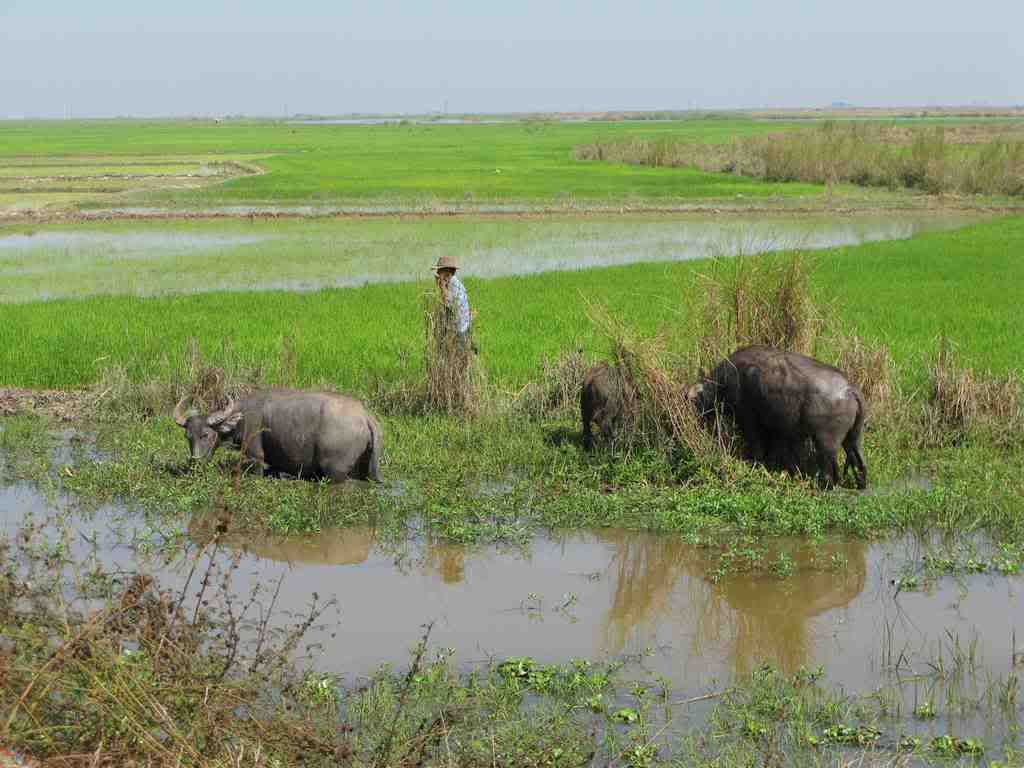
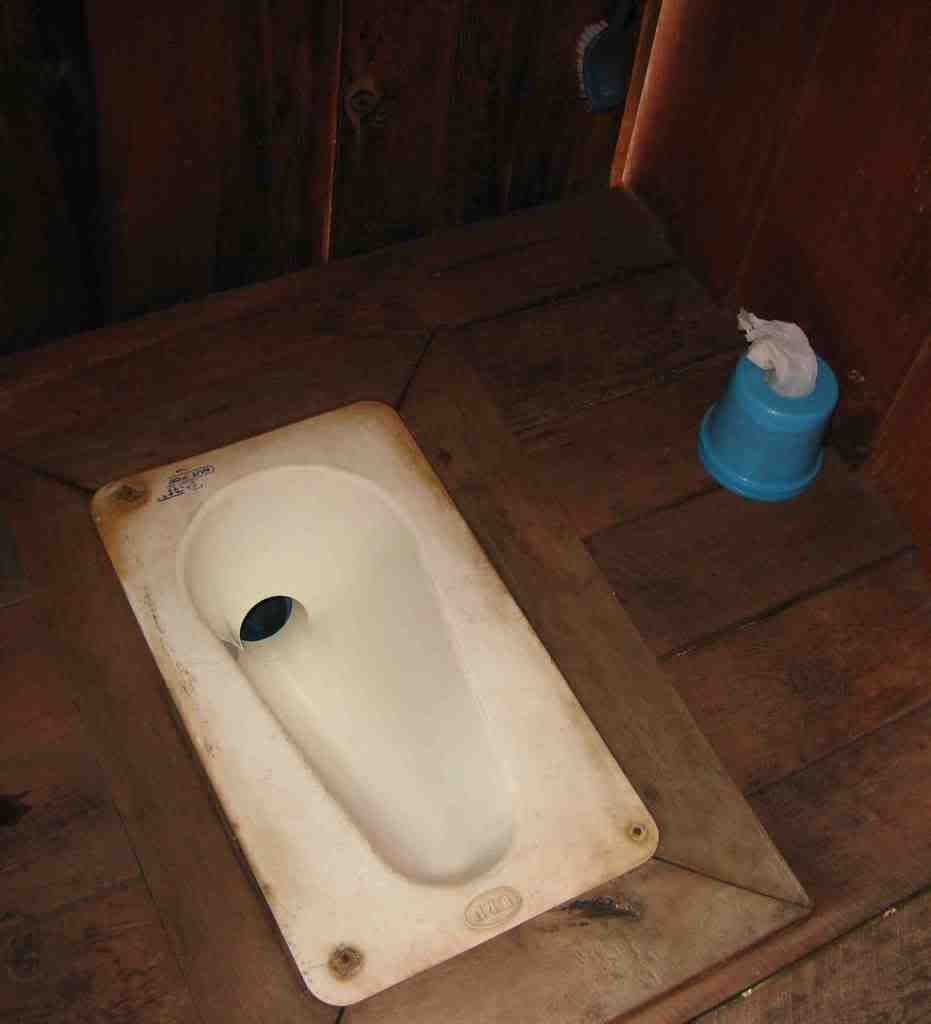
HAV is a very rugged virus. It can survive in water for up to a year. It resists freezing. It can survive for days or even weeks in dried feces. People who are infected with HAV shed it in their feces for at least several days. In regions where sanitary facilities are limited or non-existent, the virus finds its way into lakes and rivers. Farmers use this water to irrigate their crops – introducing HAV into the fields at the same time.


Sometimes, HAV takes an even more direct route. It's still common, in many underdeveloped countries, for farmers to use human feces (known as "night soil") as fertilizer.


What about tomatoes? Does the same mechanism apply?

Based on the findings of researchers at the Virginia Polytechnic Institute and State University, who worked with Salmonella, tomatoes are a different story. Tomato plants are able to take Salmonella from contaminated soil or water into their roots, but the microbe does not travel into the fruit. Can HAV, because of its small size – 35 times smaller in diameter than Salmonella – go where Salmonella cannot? We don't know.

The semi-dried tomatoes that apparently are behind Australia's hepatitis outbreak may simply have been contaminated through spray-irrigation with HAV-laden water, or by being washed – after harvesting – with contaminated water before being put out to dry. Regardless of the mode of contamination, the virus is in or on the tomatoes, and must be dealt with.

The Chief Health Officer of Victoria (the Australian state that is at the epicenter of the current hepatitis outbreak) has issued a temporary order requiring, effective immediately, that all semi-dried tomatoes be pasteurized to kill any HAV that might be present. This is no more than a Band-Aid, which will expire in 90 days.

There is no easy way to prevent hepatitis outbreaks due to HAV-contaminated produce. Developed countries could close their borders to produce from underdeveloped regions, but this would hurt farmers who depend on export markets for their livelihood. Educating farmers in safe irrigation and fertilization techniques combined with a massive upgrading of sanitary facilities in underdeveloped regions is the only long-term answer.

Until lakes and rivers in underdeveloped parts of the world can be flushed clear of HAV and other intestinal pathogens, we can expect more produce-related outbreaks of foodborne disease.

Friday, November 13, 2009

Victoria Tackles Hepatitis Outbreak

Chief Health Officer issues "Order" under Part VII of the Food Act of 1984

November 13, 2009

Australia has been experiencing an unusually high number of cases of Hepatitis A infections this year. Most of the victims have reported eating uncooked semi-dried tomatoes – usually in salads or sandwiches. Most of the victims live in the state of Victoria. A few cases also have been reported in New South Wales and West Australia.

Victoria issued its first hepatitis alert on April 8, 2009. A second alert – advising Victorians, for the first time, to avoid eating uncooked semi-dried tomatoes – was released to the media on October 9th.

Epidemiological investigation has been unable to pinpoint the source of the tomatoes that are at the bottom of the outbreak. Domestic producers are pointing to imported products. It is thought that loose, semi-dried tomatoes sold by large supermarket chains are safe, since the hepatitis outbreak has been limited mostly to Victoria.

One week ago, Dr John Carnie, Victoria's Chief Health Officer, issued an Order under the Food Act in an effort to abort the outbreak. The Order, which will expire in 90 days, places special requirements on both domestic and imported semi-dried tomatoes, including:
  • Raw tomatoes must be washed and sanitized in chlorinated water prior to drying;
  • Semi-dried tomatoes must be pasteurized under conditions that will destroy the Hepatitis virus;
  • Manufacturers, distributors, importers, suppliers and commercial recipients of semi-dried tomatoes must ensure full traceability of the tomatoes; and
  • Businesses that receive semi-dried tomatoes must take all reasonable measures to satisfy themselves that the tomatoes have been processed and pasteurized in accordance with the requirements of the Order

A food-borne hepatitis outbreak – especially one that is not associated with a specific restaurant – is an epidemiologist's nightmare. The virus has a long incubation period of anywhere from less than 2 weeks to nearly 2 months. The symptoms of an infection with Hepatitis A may be non-existent (an asymptomatic infection), may resemble a mild gastroenteritis, or can produce more severe illness, resulting in hospitalization. Symptoms can last for several weeks.

Individuals who become infected with Hepatitis A virus begin to shed the virus in their stools midway through the incubation period, and well before symptoms of the illness show themselves. Many children never develop any symptoms of their infection at all, yet shed the virus anyway.

Hepatitis outbreaks can be expensive. A recent study estimated the cost per case at US$3,824 to US$200,480 – depending on the severity of the disease, size of the outbreak, economic impact on the source of the outbreak (e.g., a restaurant), complexity of the epidemiological investigation, and so forth.

The government's hope is that last Friday's Order will put an eventual end to the outbreak. But the impact of Victoria's action is likely to be gradual; there has been no recall – nor is there likely to be one, unless further investigation pinpoints the source of the Hepatitis virus. Victorians will have to wait until the remainder of the Hepatitis-contaminated semi-dried tomatoes work their way through the food supply system.

Meanwhile, Australian consumers – especially those in Victoria, New South Wales and West Australia – should not eat any uncooked semi-dried tomatoes.


Monday, November 2, 2009

Recall Roundup: November 2, 2009

Here is today's list of food safety recalls, product withdrawals and allergy alerts. The live links will take you directly to the official recall notices and company news releases that contain detailed information for each recall and alert.


United States


Europe
  • Food Alert (UK): TJX Europe recalls a variety of Conforti brand pasta products due to insect infestation.


Australia and New Zealand
  • Food Safety Alert (Australia): The Chief Health Officer of the state of Victoria warns consumers not to eat semi-dried tomatoes unless they have been thoroughly cooked, due to a risk of Hepatitis A virus contamination. The state has been experiencing an unusual number of Hepatitis A illnesses, and many of the victims reported consuming semi-dried tomatoes.


Some supermarket chains post recall notices on their web sites for the convenience of customers. To see whether a recalled food was carried by your favorite supermarket, follow the live link to the supermarket's recall web site.


*The Kroger umbrella encompasses numerous supermarket, marketplace and convenience store chains, listed on the Kroger corporate home page.

If you would like to receive automatic email alerts for all new articles posted on eFoodAlert, please submit your request using the link on our sidebar.

Australia Hepatitis Outbreak Linked To Semi-Dried Tomatoes

November 2, 2009

Health authorities in the Australian state of Victoria are warning consumers to avoid eating semi-dried tomatoes unless they have been thoroughly cooked.

The warning was first issued in late May, after health authorities in Victoria and South Australia noticed a spike in reports of Hepatitis A infections. Many of the victims reported having eaten semi-dried tomatoes. The Victoria Minister of Health repeated the warning several days ago, after 23 new cases of hepatitis were diagnosed.

There have been more than 200 reported cases of hepatitis A so far this year in Victoria, compared to only 74 during the first 10 months of 2008.

Investigators in Victoria and South Australia are still puzzled as to the origin of the contaminated semi-dried tomatoes. The 10-50 day incubation period for hepatitis doesn't help matters. How many of us can remember everything that we have eaten one or two months ago?

Hepatitis A virus is transmitted by the fecal-oral route. Live virus is shed in the stool of infected individuals. Virus-contaminated water, if used for irrigation, can contaminate produce in the field. Also, unless victims pay scrupulous attention to personal hygiene, they can transfer the virus onto the surface of foods that they handle, or onto serving utensils. An individual who is suffering from, or recovering from, hepatitis should never prepare food for others, either in a commercial environment or at home.

Until the current hepatitis mystery has been solved, treat semi-dried tomatoes as you would treat raw sprouts.
  • Do not eat salads or sandwiches that contain semi-dried tomatoes
  • It's safe to eat semi-dried tomatoes that have been cooked - for example, on a pizza or in an omelet.

If you experience any symptoms of hepatitis infection, contact your physician and your local health authority immediately.