Showing posts with label eggs. Show all posts

Thursday, September 2, 2010

Outbreaks and Alerts: September 2, 2010

A daily digest of international outbreaks, alerts and food safety news

If you would like to receive automatic email alerts for all new articles posted on eFoodAlert, please click here or submit your request using the sidebar link. Please include "subscribe eFoodAlert" in the subject line.


For information on the US Salmonella Enteritidis outbreak and egg recalls, please click here.


United States
  • Texas. August 31st: Texas Department of State Health Services is reminding swimmers and skiers to take precautions to avoid infection from Naegleria fowleri, an ameba assumed to be present in all rivers, lakes, ponds, tanks and streams.The ameba can cause primary amebic meningoencephalitis, or PAM, an infection of the brain. Infection is extremely rare but almost always fatal.
  • Silver Spring, MD. August 31st: The U.S. Department of Justice, on behalf of the U.S. Food and Drug Administration, has filed a complaint for permanent injunction against Scenic View Dairy (Hamilton, MI), its president, and three of its managers alleging that they sold dairy cows for human consumption that contained illegal drug residues in edible tissues. The complaint also alleges that the defendants, despite numerous warnings, sold for slaughter dairy cows that were treated with drugs contrary to the drugs’ FDA-approved labeling and without a valid veterinary prescription authorizing such use. The alleged infractions occurred from 2002 through 2010, according to the complaint.
  • Douglas County, OR. September 1st: Oregon Public Health officials have received confirmation of high algae toxins in the South Umpqua River, Lawson Bar area off Interstate 5 Exit 102 near Canyonville. Water samples were collected and a health advisory for the area was issued on Aug. 24 due to concern for algae levels following the death of a pet dog in the area and visual observation of algae scum. Tissue samples from the dog are being conducted but results are not yet complete. Health officials emphasize that swallowing or inhaling water droplets should be avoided, as well as skin contact with water by humans and animals. Drinking water from the South Umpqua River Lawson Bar area is especially dangerous.
  • Lincoln County, OR. September 1st: A health advisory for contact with marine water at D River State Park Beach in Lincoln County was lifted today, after test results showed that fecal bacteria levels have subsided.
  • Olympia, WA. September 1st: The owner of the Columbia Crest Estates water system in Cowlitz County has been fined $21,060 for violating state health orders to properly maintain the water system and to address ongoing problems with arsenic. Columbia Crest customers have been under a boil-water advisory since June 2 because owner Dan Class hasn’t monitored water quality and doesn’t have a certified operator to run the system, as the state requires. The state Department of Health issued the penalty after the failure of attempts to work with Class to address multiple system problems.


Canada
  • Inverness County, NS. September 1st: Residents of Inverness County are advised to take precautions when using Lake Ainslie, after a possible algae bloom has appeared on the lake. Toxins produced by some algae can affect health. People should not drink the water or use it to prepare or cook food, or to brush teeth. Boiling the water will not eliminate potential toxins.
  • Toronto, ON. September 1st: Canadian Food Inspection Agency (CFIA), Ontario Ministry of Health and Long Term Care, Ontario Ministry of Agriculture Food and Rural Affairs, Health Canada and various health units in the Greater Toronto Area are working together to investigate an outbreak of E. coli O157:H7 illnesses. No details have been released. CFIA has alerted the public not to consume raw beef products sold on August 6, 2010 from Kabul Farms retail store (40 Beverley Hills Drive, North York, ON), because the meat may be contaminated with E. coli O157:H7.


Europe
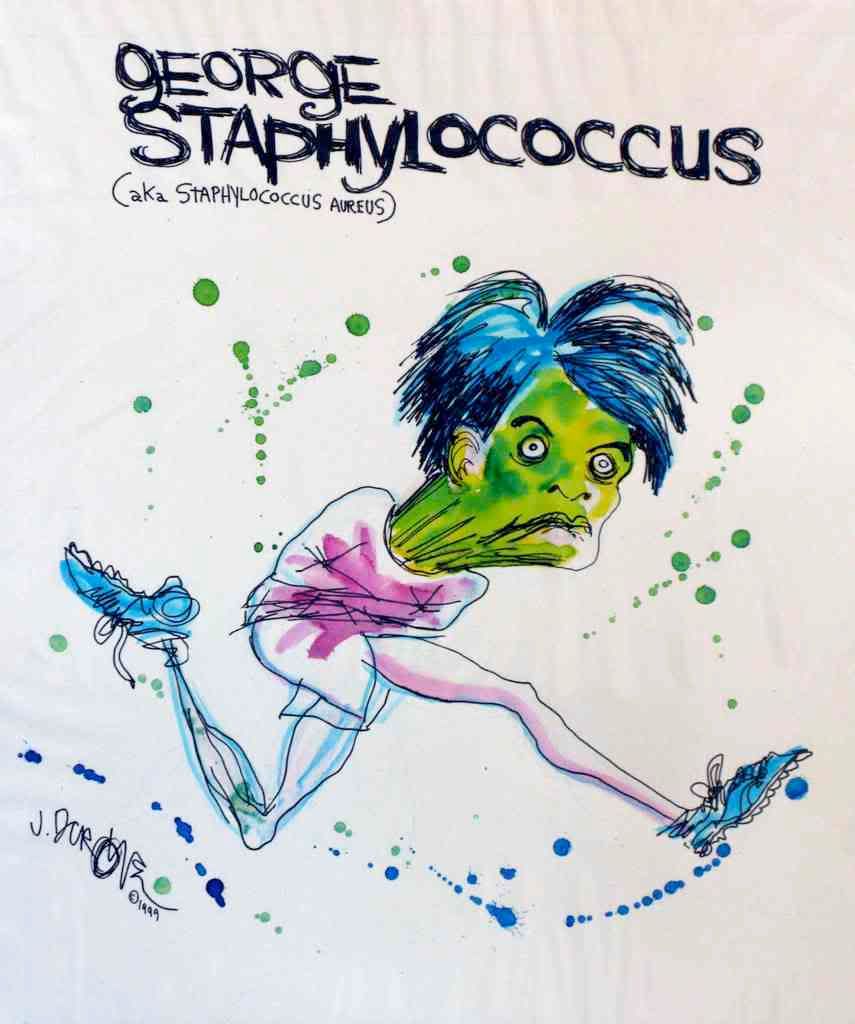
  • Silkeborg, Denmark. August 30th: Denmark's Food Authority reports that the food poisoning outbreak that sickened 150 participants in a Silkeborg relay race last week was due to Staphylococcus enterotoxin in the chicken sandwiches. The sandwich filling was obtained at the Silkeborg School and delivered in refrigerated containers to the race venue. Investigation suggests that the contamination occurred as a result of human handling after the chicken was cooked. Cooling of the cooked chicken was too slow to prevent growth of the toxin-producing Staphylococcus aureus.


Asia, Africa and the Pacific Islands
  • Abu Dhabi. September 1st: Abu Dhabi Food Control Authority has ruled out the possibility of any of the contaminated American eggs being sold in the local markets here. According to the Authority, none of the recalled eggs were imported into the United Arab Emirates.
  • Dhaka, Bangladesh. September 1st: The number of confirmed cases of anthrax rose to 141 nationwide after an additional 14 cases were confirmed recently.
  • Damascus, Syria. September 2nd: The "National Hospital Bjblp" reports having treated 20 people for food poisoning. Consumption of red meat is thought to be the source behind the cluster of illnesses.


Tuesday, August 31, 2010

Unscrambling The Egg Mess: What The British Have Done

Eggs fully traceable; most breeder flocks vaccinated; table egg producers must test for Salmonella

"If you do not test for Salmonella then your eggs will be classified class B. These can only be used for human consumption if they are heat treated before entering the food chain."
-UK Department for Environment, Food and Rural Affairs (Defra) Egg FAQs

Salmonella Enteritidis illnesses in the United Kingdom increased six-fold (from 1,101 to 6,858 confirmed cases annually) between 1982 and 1987. The first egg-linked Salmonella Enteritidis outbreaks in the United States occurred in 1985.

In 1988, CDC-led research discovered what was behind these dramatic changes in Salmonella illness patterns. CDC determined that eggs were becoming infected with Salmonella Enteritidis while they were still being formed inside the oviducts of infected laying hens.

The conclusion drawn from this research was inescapable. The only way to produce Salmonella-free eggs was to start with a Salmonella-free flock of laying hens, and to keep the hens free from Salmonella infections.

The UK's Department for Environment, Food and Rural Affairs (Defra) took action:
  1. A Salmonella control program was implemented for breeding flocks in 1993.
  2. In 1998, a program was set up to vaccinate UK laying hens against Salmonella Enteritidis.

By 2004, the Food Standards Agency was able to report that more than 80% of laying hens in the UK had been vaccinated against Salmonella Enteritidis. As a result of the vaccination program and the other control requirements instituted by UK regulators, the level of Salmonella contamination in shell eggs dropped by two-thirds between 1996 and 2004. And the number of reported human illnesses due to Salmonella Enteritidis fell to its lowest level since the late 1980s.


What else have the British done that can be put to good use in the United States? Here are a few of their initiatives.

Traceability
Eggs in the UK can be traced directly back to the producer. Since 2004, the UK has required every individual shell egg destined for retail sale or for caterers to be stamped with the method of production (i.e., caged, free-range, organic), the country of origin and the production establishment. Only producers with fewer than 50 laying hens are exempt from the egg marking requirement.

This is an example of a traceable egg, produced under the British Lion Quality Code of Practice, a voluntary program of the British Egg Industry Council, under which approximately 85% of table eggs are produced in the United Kingdom.


For comparison, this is a carton of Target market pantry brand eggs, identified as "Produced and packed by or for Sparboe Farms"


Mandatory slaughter of infected breeding flocks
"When a breeding flock of Gallus gallus is suspected of being infected with Salmonella Enteritidis or Salmonella Typhimurium the flock is placed under official control by the Competent Authority. This applies to breeding flocks from day old through to end of production. If the flock is in the laying phase no further eggs may be sent for hatching and no birds or hatching eggs may leave the holding, except under licence issued by the Competent Authority. When infection with Salmonella Enteritidis or Salmonella Typhimurium has been confirmed, the owner is required to have the birds slaughtered in accordance with Community legislation on food hygiene."


Mandatory testing by egg producers
"Producers must test for Salmonella as set out in the Salmonella NCP (National Control Programme). Any eggs which come from a flock that has not been properly tested or which is suspected or known to be Salmonella positive must be treated and marked as class B eggs. To avoid handling such eggs in their packing centre without first obtaining Animal Health consent and to avoid incorrectly classifying unmarked eggs as class A eggs, packers should take steps to satisfy themselves that the eggs they receive from producers are from tested and Salmonella free flocks." Only small producers (with fewer than 350 laying hens) are exempt from this provision.


Responsibility and Accountability
"If you are an egg producer in England, and you do not test your laying birds for Salmonella in line with NCP and your eggs are intended for the retail market (Class A eggs), then you must treat your eggs as class B eggs. If you fail to do so then you may be given a penalty notice for your failure to comply or even face a criminal prosecution in court for non-compliance." Only small producers (fewer than 350 laying hens) are exempt.

"For egg packers, you may also face a penalty, or criminal prosecution, for allowing eggs onto your premises where they come from a flock where the salmonella testing under the NCP is not up-to-date, or the flock is suspected, or is known to be, infected with the relevant salmonella serotypes. Likewise you may also face a penalty or criminal prosecution for packing and marketing those eggs as anything other than class B eggs."


Consequences
"The range of penalties for non compliance are:
  • Marketing restrictions automatically apply.
  • A £100 to £4,500 penalty depending on the severity of the contravention.
  • The issue of a compliance notice which will be made public.
  • Criminal prosecution."

How does the British system compare with the US situation?

After several years of sitting "shovel-ready" on the shelf at FDA, the US Egg Safety Rule finally was promulgated in 2009, and began to take effect in July 2010 – for the largest egg producers (more than 50,000 laying hens) only. Medium-sized producers (3,000-50,000 laying hens) have an additional 2 years to comply; small producers are at liberty to ignore most of the Egg Safety Rule requirements (except for temperature control).

The Egg Safety Rule requires producers to:
  • Buy chicks and young hens only from suppliers who monitor for Salmonella bacteria (also required by the British)
  • Establish rodent, pest control, and biosecurity measures to prevent spread of bacteria throughout the farm by people and equipment (also required by the British)
  • Conduct testing in the poultry house for Salmonella Enteritidis. If the tests find the bacterium, a representative sample of the eggs must be tested over an 8 week time period (4 tests at 2 week intervals); If any of the four egg tests is positive, the producer must further process the eggs to destroy the bacteria, or divert the eggs to a non-food use (British system is more demanding)
  • Clean and disinfect poultry houses that have tested positive for Salmonella Enteritidis (also required by the British)
  • Refrigerate eggs at 45 degrees Fahrenheit temperature during storage and transportation no later than 36 hours after the eggs are laid (European requirements differ from this)

The Egg Safety Rule does NOT require producers to label egg cartons with a "best before" or "expiration" date. That comes under USDA jurisdiction, and is not mandatory, even for the largest producers.

The Egg Safety Rule does NOT require producers to test their eggs unless environmental testing in a poultry house has detected Salmonella Enteritidis.

The Egg Safety Rule does NOT mandate automatic marketing restrictions in the event of non-compliance.


One of the biggest difficulties faced by FDA in an investigation is tracing a contaminated food to its source. Traceback is especially problematic when food products – such as shell eggs – are sold in bulk for repackaging by wholesalers or distributors.

This is not the first time that a food borne illness outbreak investigation has shown up the inadequacy of food traceability in the United States. As the British have shown, the technology exists to correct this major gap in our food safety system.

Enhancing traceback for fruits and vegetables is one of the elements of the long-stalled FDA Food Safety Modernization Act. What about eggs? What about peanuts? What about the thousands of other raw ingredients and processed foods that circulate through our food supply?

Or must US legislators and regulators continue to demonstrate that the definition of insanity is to repeat the same actions over and over again in the expectation of achieving a different result?


If you would like to receive automatic email alerts for all new articles posted on eFoodAlert, please click here or submit your request using the sidebar link. Please include "subscribe eFoodAlert" in the subject line.

Monday, August 30, 2010

Unscrambling The Egg Mess: FDA Releases Inspection Reports

Salmonella Enteritidis found in samples from Wright County Egg and Hillandale Farms of Iowa, Inc.

FDA has just released its preliminary inspection reports (Form 483) summarizing observations made at nine separate locations belonging to Quality Egg LLC (Wright County Egg) and to Hillandale Farms of Iowa, Inc.

Federal inspectors found six Salmonella Enteritidis positive samples at Wright County Egg:
  1. a manure swab from Plant ID#1946
  2. a manure scraper blade sample from Plant ID#P1946
  3. a walkway swab sample from Plant ID#P1413
  4. a sample of meat and bone meal collected from an ingredient bin at the company's Galt, Iowa feed mill
  5. a sample of "Developer" pullet feed collected from the feed mill
  6. a sample collected from a roof-level covered ingredient bin chute and a 2nd-floor ingredient bin cover at the feed mill

If these Salmonella Enteritidis results weren't damning enough, consider the following partial list of additional observations, recorded at various Wright County Egg/Quality Egg operations:
  • Chicken manure located in the manure pits below the egg laying operations was approximately 4 feet to 8 feet high in some places in laying houses located in Galt and Clarion.
  • Exterior structural damage allowing entrance to the interior of the laying houses in Galt and Clarion.
  • Rodent burrows along baseboards inside the laying houses.
  • Uncaged birds (escaped chickens) observed in contact with egg laying hens. The uncaged birds used the manure piles to gain access to the laying area.
  • Access to the entry to a pair of laying houses blocked due to excessive amounts of manure in the manure pits.
  • Live mice in the laying houses.
  • Flies on and around egg belts, feed, shell eggs and walkways; live and dead fly maggots on the manure pit floor under one laying house.
  • Birds roosting and flying in the feed storage and milling facility; nesting material found in the feed mill closed mixing system, ingredient storage and truck filling areas.
  • Feed ingredient bins with rusted holes; feed grain level sensors ajar to the outdoors.

While FDA inspectors "only" found a single Salmonella Enteritidis-positive sample (spent water from an egg wash station) at a Hillandale plant, the rest of the picture is not much prettier than the scene at Wright County Egg. For example:
  • numerous unsealed rodent holes at the Plant ID#1860 location
  • holes protruding into the manure pit and gaps on manure pit doors at the Plant ID#1663 location
  • standing water on the floor adjacent to the manure pit where a foot bath was located
  • liquid manure leaking into a section of a laying house
  • liquid manure streaming out of a gap in a manure pit door
  • uncaged hens tracking manure from the manure pit into the caged area of two hen houses.

Under these conditions of gross contamination, Wright County Egg and Hillandale Farms of Iowa produced shell eggs, which were then supplied to wholesalers, distributors, re-packagers, retailers and food service operators across the United States.

This is not simply non-compliance. It is gross negligence. And there can be no excuse for it.


If you would like to receive automatic email alerts for all new articles posted on eFoodAlert, please click here or submit your request using the sidebar link. Please include "subscribe eFoodAlert" in the subject line.

Recall Roundup: August 30, 2010

Here is today's list of food safety recalls, product withdrawals, allergy alerts and miscellaneous compliance issues. The live links will take you directly to the official recall notices and company news releases that contain detailed information for each recall and alert.

If you would like to receive automatic email alerts for all new articles posted on eFoodAlert, please click here or submit your request using the sidebar link. Please include "subscribe eFoodAlert" in the subject line.

For information on the US Salmonella Enteritidis outbreak and egg recalls, please click here.


United States
  • Food Safety Recall (Eggs): California Department of Public Health provides alphabetical list of all recipients of eggs that were recalled on or before August 25, 2010. The list includes retailers, restaurants, delis, food service operators, hotels, hospitals, nursing homes, and caterers.


Europe


Some supermarket chains post recall notices on their web sites for the convenience of customers. To see whether a recalled food was carried by your favorite supermarket, follow the live link to the supermarket's recall web site.


*The Kroger umbrella encompasses numerous supermarket, marketplace and convenience store chains, listed on the Kroger corporate home page.


Sunday, August 29, 2010

Unscrambling The Egg Mess: Whose Eggs Can We Trust?

Day after day, the number of outbreak illnesses grows.

Day after day, the number of recalled egg brands grows.

Day after day, the number of affected egg plant locations grows – 15 locations at last count.

And day after day, public skepticism in the safety of shell eggs grows.

Ever since the first in this series of egg recalls reached public ears, I have been receiving comments and questions from concerned consumers – including those who have not become ill.

From Anonymous in Oklahoma (August 20th):- "Has anyone heard of Wagon Trail Farmers' eggs? These were purchased at Walmart recently."

From Keith (August 21st):- "This box of 18 eggs is labeled 'Sunny Farms'. On the back of the hinge of the box it says Packed for Hillandale Farms Crown Ohio; West Union IA. Just want to make sure this is not a source that is being overlooked."

From Matt in Napa (August 21st):- "I keep seeing 'Market Pantry brand at Target is fine, but I didn't want to risk food poisoning (or my life) to eat a delicious 9-cent egg."

From Anonymous (August 28th):- "I am now a bit scared to eat any of the eggs. I'll try to return them and see if Target will accept it."

And from Elle M. (August 28th):- "I just bought a carton (P-1173) and after reading the comment from the guy in New York, I'm going to throw them away."


When I turned on my computer this morning, I found the following message from Valerie Engler of Sparboe Farms. Her email was in response to a message I sent several days ago.

"As you can imagine, we have been busy responding to many phone calls and e-mails! We care greatly about our customers and consumers, so thank you for contacting Sparboe Farms.

If you would like more information about Sparboe Farms and the industry-wide egg recall, please view our press release available here: http://www.fda.gov/Safety/Recalls/ucm224301.htm

Please note that no eggs shipped to Target that were packed by Sparboe Farms are listed as part of the withdrawal that Sparboe Farms participated in."

At this point, I'm more concerned about the eggs that were not listed as part of the Sparboe Farms withdrawal, and have responded to Ms. Engler of Sparboe Farms with some additional questions.


Meanwhile, in answer to the question as to whose eggs can be trusted, here's my opinion.

Who NOT to trust until further notice (my personal "watch list")
  • Eggs stamped with one of the 15 plant identification numbers that have been involved in one or more of the recalls, whether or not the specific grade, size or Julian date matches one of the recall notice. The suspect Plant IDs are: P1026, P1091, P1156, P1167, P1292, P1382, P1413, P1663, P1686, P1720, P1860, P1906, P1942, P1946, and P1951.
  • Eggs produced and/or packed in Iowa but which have not yet been recalled. This adds another eight locations to the watch list: P1002 (Sparboe-Eagle, Eagle Grove, IA), P1098 (Sunrise Farms, Harris, IA), P1189 (Winterset Egg Farm, Winterset, IA), P1519 (Sparboe-Vincent, Eagle Grove, IA), P1592 (Sparboe-Farmegg Products LLC, Humboldt, IA), P1674 (Sparboe Farms, Inc., Goodell, IA), P1725 (Sunbest Foods, LLC, Clearfield, IA), and P1773 (Sunbest Papetti Farms, Villisca, IA).
  • Eggs sold at Target stores that bear the statement "Produced and packed by or for Sparboe Farms." These eggs may carry Target's Market Pantry brand.


Eggs that are probably safe
  • Pasteurized shell eggs (if you can find them in a store near you)
  • Liquid eggs and egg substitutes. These eggs, too, are pasteurized.
  • Eggs sold in Maryland - all egg shipments (either direct or via third parties) must be registered with the State.
  • Eggs produced and sold locally – in Farmer's Markets, Co-op stores or local food markets – probably are OK.

While the onus for supplying safe food rests solidly on the shoulders of the food industry, consumers can – and should – always take steps to protect themselves from potentially unsafe food. Here are a few of the things you can do:
  • Stay aware of any food recall announcements, especially when they are associated with foodborne disease outbreaks;
  • Maintain clear separation between raw foods (meats, poultry, eggs and fish) and cooked or ready-to-eat foods in the kitchen;
  • Cook potentially contaminated foods under time/temperature conditions that will kill pathogens such as Salmonella, Listeria monocytogenes and E. coli;
  • Avoid cross-contamination in the kitchen;
  • Always refrigerate or freeze leftover food promptly;
  • When eating out, return any undercooked or questionable food to the restaurant kitchen; and
  • Discard any food that is suspected of being contaminated, stale or spoiled.

If you don't trust the source, don't buy or eat the product.


If you would like to receive automatic email alerts for all new articles posted on eFoodAlert, please click here or submit your request using the sidebar link. Please include "subscribe eFoodAlert" in the subject line.

Saturday, August 28, 2010

Target's Market Pantry Eggs - Part of the Problem?

Target says "No" but some consumers beg to differ
(This article first appeared August 21, 2010. It has been updated to include additional plants as the result of a NuCal recall, a Moark recall and a Sparboe Farms recall that were announced after the initial publication)

After hearing from a few readers yesterday, I contacted Target's media communications office to ask whether any Market Pantry eggs were being recalled. I received a call-back from Jenn Glass, a Target spokesperson, who told me that none of Target's Market Pantry brand eggs were involved in the massive egg recalls.

I also asked Ms. Glass specifically whether Sparboe Farms eggs were sold at Target – Walmart has issued a statement that mentions a Sparboe Farms recall – and she promised to check and get back to me. That was yesterday afternoon.

Meanwhile, several readers have posted their concerns and experiences with Target's Market Pantry eggs. Here are some examples:
"Wondering about Market Pantry (Target Brand) P-1906203. They were all hard boiled too. Woke up sick today and wondering if its the eggs I ate the last two days or just being around my kid and other kids yesterday? Just wondering if these are on the list?"


"I keep seeing "Market Pantry brand at Target is fine" but I didn't want to risk food poisoning (or my life) to eat a delicious 9-cent egg.

After reading your report, I see a few things that make me think perhaps Target isn't taking this as seriously as they should:

1) My "Market Pantry" eggs are produced by/for Sparboe, which was listed as being supplied by Wright County.

2) Sure enough, the plant number listed on the carton is P-1951... isn't this the same plant as the NuCal recalled eggs are coming from?

So if Sparboe is being recalled by WalMart and P-1951 is being recalled by NuCal... then why is Target saying my P-1951 eggs from Sparboe are definitely fine??"


"I second the Target Market Pantry suspicion... have been in intestine hell for a few days... but I don't have the package anymore to check the stamp : ("

Here is a list of the fifteen egg plant locations (Plant ID numbers) that have been named so far in recall notices:
  • P1026: Wright County Egg, Quality Egg Environ Division, Dows, IA
  • P1091: NuCal Foods, Dwight Bell Plant, Atwater, CA
  • P1156: E & M Ranch, Fontana, CA (added 8/23/10)
  • P1167: Sparboe Agricultural Corporation, Hudson, CO (added 8/28/10)
  • P1292: Hilmar Processing LLC, Hilmar, CA (added 8/22/10)
  • P1382: Benton County Food, LLC, Benton, AR (added 8/28/10)
  • P1413: Wright County Egg, Quality Egg LLC site 4, Clarion, IA
  • P1663: Hillandale Iowa LLC, Alden, IA
  • P1686: Nucal Foods, Gemperle Enterprises, August Plant, Hilmar, CA
  • P1720: Wright County Egg, Quality Egg LLC site 1, Galt, IA
  • P1860: Hillandale Iowa II, LLP, West Union, IA
  • P1906: Sparboe Agricultural Corporation, Britt, IA (added 8/28/10)
  • P1942: Wright County Egg, Quality Egg LLC site 3, Clarion, IA
  • P1946: Wright County Egg, Quality Egg LLC, site 2, Clarion, IA
  • P1951: Nucal Foods, Rainbow Farms, Denair, CA

I urge any reader who has Target Market Pantry eggs in the refrigerator to check the Plant ID/date code stamped on the end of the carton. If the plant ID matches one of the numbers listed above, please email me directly with the details.

If you have any recalled eggs in your refrigerator, do not use them. Discard them or return the eggs to the store for a refund. If you believe that you have become ill within a few days after having eaten eggs – either from Target or from any other source – contact your local public health authorities.


If you would like to receive automatic email alerts for all new articles posted on eFoodAlert, please click here or submit your request using the sidebar link. Please include "subscribe eFoodAlert" in the subject line.


Friday, August 27, 2010

Recall Roundup: August 27, 2010

Here is today's list of food safety recalls, product withdrawals, allergy alerts and miscellaneous compliance issues. The live links will take you directly to the official recall notices and company news releases that contain detailed information for each recall and alert.

If you would like to receive automatic email alerts for all new articles posted on eFoodAlert, please click here or submit your request using the sidebar link. Please include "subscribe eFoodAlert" in the subject line.

For information on the US Salmonella Enteritidis outbreak and egg recalls, please click here.


United States
  • Food Safety Recall (Eggs): Cal-Maine Foods, Inc. clarifies its previous statement to state that it has voluntarily recalled specific Julian dates of shell eggs purchased on May 31, 2010, from Hillandale Farms of Iowa and re-packaged by Cal-Maine’s Benton County, Arkansas, facility, because they have the potential to be contaminated with Salmonella. The affected eggs were distributed to food wholesalers and retailers in Oklahoma and Arkansas after having been received from Hillandale Farms of Iowa and repackaged into large loose 5, 15 and 30 dozen units. The repackaged eggs were sold in generic large loose packs (15 and 30 dozen) and as Wagon Trail, West Creek and Sam's Bulk Pack eggs. All of the repackaged eggs carry plant number 1382 and are labeled with various Julian dates between 150 and 175.
  • Food Safety Recall (Eggs): Costco advises its customers that Cal Egg brand Large Eggs (Costco Item #8691; 5-dozen; Plant codes P1292 or P1091; Sell by dates 06 17 10 through 08 11 10) have been recalled by NuCal Foods because they may be contaminated with Salmonella. Costco Warehouse stores in the San Francisco Bay Area carried these recalled eggs. Customers who purchased the eggs should return the eggs to their local Costco Warehouse location for a full refund.
  • Food Safety Recall: Fruiti Pops, Inc. (Santa Fe Springs, CA) recalls its mamey frozen fruit bars because they may be contaminated with Salmonella Typhi. The frozen fruit bars were distributed in California, Arizona and Texas through retail stores, ice cream trucks and vending machines. The bars were made from contaminated mamay pulp that was recalled by Goya Foods, Inc. on August 12th after the imported pulp was linked to cases of typhoid fever in California and Nevada.
  • Food Safety Alert: The California Department of Food and Agriculture has found Listeria monocytogenes in Morningland Dairy Raw Milk Cheese Garlic Colby and Morningland Dairy Raw Milk Cheese Hot Pepper Colby, both manufactured at processing plant #29-428 in Mountain View, MO. The products were shipped from Morningland Dairy to locations in Mendocino, Santa Cruz, Los Angeles and San Diego counties. Production and distribution has been halted at Morningland Dairy, and the company is cooperating with Missouri Department of Agriculture investigations. According to MDA, California found both Listeria monocytogenes and Staphylococcus aureus in the cheese samples.
  • Food Recall: Buehlers advises its customers that Honest Tea has recalled Honest Tea Mango Acai White Tea, 64 oz. (Lots: April 28 2011, April 29 2011, May 26 2011) because the product may exhibit mold growth.
  • Food Safety Recall: U-Can Food Trading recalls Cocon® Grape Gummy Candy (manufactured by Cocon Food Industries in Malaysia) after the California Department of Public Health finds unacceptable levels of lead in the candy. The recalled candy was distributed in Los Angeles.


Europe
  • Food Safety Recall (Denmark): Thailandia Imports recalls Mint, sold in 80-gram bags (SKU 11-049) because Salmonella has been found in the product. The mint was sold in specialty shops and markets across Denmark.
  • Food Safety Recall (Denmark): Leco Convenience Food A/S recalls Meatballs in Curry with White and Wild Rice (450g; Expiry date 01-09-2010) because the product contains Bacillus cereus. The recalled food was sold in C Convenience stores in Frederiksberg and Kvickly stores.
  • Food Recall (Denmark): Lantmännen Unibake Denmark recalls Easter Bread brand French Hotdog rolls (360g; 6 pcs; several production dates) because of mold growth. The product was sold in grocery stores across Denmark.
  • Food Safety Notification (EU #2010.1173): Histamine in anchovies marinated in oil from Morocco; distributed to France.
  • Food Safety Notification (EU #2010.1174): Too high content of trans fatty acids in salty pastry from Germany; distributed to Denmark.
  • Food Safety Notification (EU #2010.1175): Diarrhoeic Shellfish Poisoning (DSP) toxins in whole queen scallops from the United Kingdom; distributed to Spain and the UK.
  • Food Safety Notification (EU #2010.1177): Carbendazim and triazophos in curry leaves from India; distributed to Germany.


Australia and New Zealand
  • Pharmaceutical Product Safety Recall (New Zealand): Novo Nordisk recalls GlucaGen® HypoKit, 1mg (Batch/Lot No. YW60362; Expiry date 11/2011) because a small number of syringes may have cracks which could cause the diluent to leak out or become contaminated. The affected batch has only been available since July 22, 2010.


Some supermarket chains post recall notices on their web sites for the convenience of customers. To see whether a recalled food was carried by your favorite supermarket, follow the live link to the supermarket's recall web site.


*The Kroger umbrella encompasses numerous supermarket, marketplace and convenience store chains, listed on the Kroger corporate home page.


Thursday, August 26, 2010

More Than 2,400 Infected With Salmonella Enteritidis Since May 1st

FDA finds outbreak strain in poultry feed and in environmental samples from two Wright County Egg farms

FDA began its media teleconference this afternoon by announcing the first confirmed findings of Salmonella Enteritidis resulting from its outbreak investigations at Wright County Egg and Hillandale Farms of Iowa.

The first four positive samples – many of the 600+ samples are still being analyzed – were found in:
  • A manure sample from one Wright County Egg farm
  • A swab sample from a walkway/surface at a second Wright County Egg farm
  • A sample of pullet chicken feed made at a feed mill located on a Wright County Egg farm
  • A sample of blood meal, an ingredient of the pullet chicken feed

The pullet chicken feed was used in the raising of pullets (laying hens) that were then supplied to laying farms belonging to Wright County Egg and to Hillandale Farms of Iowa. FDA declined to say which Wright County Egg locations yielded the Salmonella Enteritidis positive test results.

According to FDA's Dr. Sharfstein, investigators do not yet know whether the feed or feed ingredients arrived at Wright County Egg already contaminated with Salmonella Enteritidis, or whether they were contaminated as a result of the manifest presence of Salmonella Enteritidis in Wright County Egg's environment. Since animal and poultry feed is heat-treated under conditions that should kill Salmonella, Dr. Sharfstein suggested that cross-contamination of the feed and the blood meal might have occurred. FDA is investigating both possibilities.

As far as FDA is aware, the feed produced at the Wright County Egg feed mill was not supplied to poultry raisers or egg laying operations other than Wright County Egg and Hillandale Farms of Iowa.

During the same teleconference, CDC released its latest update of illness reports. Between May 1st and August 25th, the agency has received 2,403 reports of human infections with Salmonella Enteritidis (PFGE pattern JEGX01.0004). Typically, CDC would expect to see approximately 933 illnesses due to this strain during the same time period (based on 5-year averages) – a net increase of 1,470 cases over baseline. CDC is still conducting supplementary molecular profiling on the isolates to try and determine which illnesses are outbreak-related and which are simply part of the normal background (known as sporadic cases).

CDC has not provided a state-by-state breakdown of cases, and will not do so unless and until it can reliably differentiate between sporadic and outbreak cases. Some states have released information on their own, and I have summarized these reports in a separate article.

FDA's Dr. Jeff Farrar promised that inspection reports resulting from the investigations at Wright County Egg and Hillandale Farms of Iowa (the "Form 483" reports) will be released to the public as soon as they have been provided to the companies. He expects this will take place within a few days. He also warned that more recall notices would not be unexpected.

Flocks at all of the implicated laying operations are continuing to lay eggs; however, both companies have voluntarily suspended the shipment of shell eggs for retail or food service sale. Instead, eggs are being diverted to egg-breaking operations for pasteurization and sale to the food processing industry as pasteurized liquid egg products. The pasteurization protocols used by these egg breakers (which operate under USDA inspection) are stringent enough to kill any Salmonella that may be in the eggs, according to FDA.

FDA has developed a searchable database of recalled eggs, which can be accessed by consumers to search on any combination of brand name, plant identification number, Julian date code or pack size. It will be updated as additional recalls are announced. The eFoodAlert Consolidated Recall List also will continue to be updated regularly.

FDA used the teleconference call to make a pitch for some of the provisions contained in the long-delayed Food Safety bill that is before Congress. Specifically, Dr. Farrar pointed out that the improved traceability provisions contained in the new law would likely have sped the outbreak/recall investigations.

Finally, CDC warns that recalled eggs might still be in grocery stores, restaurants and consumers' homes. Consumers who still have recalled eggs in their refrigerators should discard them or return them to the retailer for a refund. If you have discarded the egg carton and don't know whether or not your eggs have been recalled, throw the eggs out. It's not worth the risk.


If you would like to receive automatic email alerts for all new articles posted on eFoodAlert, please click here or submit your request using the sidebar link. Please include "subscribe eFoodAlert" in the subject line.

FLASH: Salmonella Enteritidis Outbreak Continues to Grow

CDC reports 2,403 Salmonella Enteritidis illness between May 1 and August 25. In a typical year, CDC would expect 933 illnesses during this time frame. No nursing home or seniors residence clusters of illnesses.

More to come.

FLASH. Salmonella Enteritidis Found in Feed Supplied to Egg Farms

FDA has found Salmonella Enteritidis matching the outbreak genetic profile in environmental samples from two egg farms. FDA also has recovered the same Salmonella Enteritidis strain from samples of feed supplied to Wright County Egg and Hillandale Farms of Iowa.

This information was just announced during a telephone news conference held jointly by FDA, CFSAN and CDC.

More to come.

Recall Roundup: August 26, 2010

Here is today's list of food safety recalls, product withdrawals, allergy alerts and miscellaneous compliance issues. The live links will take you directly to the official recall notices and company news releases that contain detailed information for each recall and alert.

If you would like to receive automatic email alerts for all new articles posted on eFoodAlert, please click here or submit your request using the sidebar link. Please include "subscribe eFoodAlert" in the subject line.

For information on the US Salmonella Enteritidis outbreak and egg recalls, please click here.


United States
  • Food Safety Recall (Eggs): Wright County Egg (Galt, IO) adds Cardenas Market to the list of brands impacted in its egg recall notices. Cardenas Market eggs (Plant #P1026; Julian dates 136-228) were distributed to Cardenas Market stores in California and Nevada.
  • Food Safety Recall (Eggs): Trafficanda Egg Ranch (Van Nuys, CA) recalls specific Julian dates of Medium, Large, X Large, and Jumbo Cartons; 5 Dozen Medium Over Wrap and 20 Count Over Wrap of shell eggs produced by Wright County Egg of Galt, Iowa because they have the potential to be contaminated with Salmonella. Eggs affected by this recall were distributed to grocery stores and foodservice companies in California. The affected eggs were packaged under the Trafficanda Egg Ranch brand names packaged in 12-egg cartons, 20-egg over wrap, and 5 dozen over wrap with the Julian dates ranging from 136 to 229 and plant numbers 1026, 1413, 1720, 1942 and1946. Dates and codes can be found stamped on the end of the egg cartons or the top of the over wrap bag.
  • Food Safety Recall (Eggs): Costco advises its customers that some eggs recalled by Moark LLC (Fontana, CA) were supplied to two Los Angeles Region business delivery warehouses. The affected eggs were packaged as Large Loose foodservice pack (Plant #1156; Julian date 187).
  • Dietary Supplement Warning: FDA warns consumers not to take TimeOut capsules, because it contains hydroxythiohomosildenafil, a chemical similar to sildenafil, the active ingredient in Viagra. TimeOut is marketed as a 100% natural dietary supplement for sexual enhancement and is distributed on Internet sites and online marketplaces as 2,500mg capsules. Hydroxythiohomosildenafil and sildenafil can interact with prescription drugs such as nitrates, including nitroglycerin, and cause dangerously low blood pressure.


Canada
  • Pharmaceutical Product Safety Recall: Novo Nordisk Canada Inc. recalls two lots of GlucaGen Hypokit (DIN 02333627; lots YW60335 and YW60351), due to a manufacturing defect identified in the pre-filled syringes. GlucaGen Hypokit is supplied with a vial of lyophilized GlucaGen and a pre-filled diluent syringe. The diluent syringe is used to reconstitute the lyophilized product and to administer the dose intramuscularly. GlucaGen is indicated for the treatment of severe hypoglycemic reactions which may occur in the management of insulin treated persons with diabetes mellitus, when unconsciousness precludes the use of oral carbohydrates.


Europe
  • Food Recall (Denmark): Sefa Import Halal Food recalls Tuzlu Pasta thin salt cookies with a Best before date of 23-09-2010 (product of Germany) because the product contains a high level of trans fatty acids. The recalled product was sold in some retail outlets in the Copenhagen area.
  • Food Safety Recall (Denmark): Lantmännen Schulstad A / S recalls its rye breads after discovering the potential for plastic pieces from a broken plastic spatula in the breads. The recalled breads were distributed to grocery stores and caterers across Denmark.
  • Food Safety Recall (Denmark): Reitan Distribution A / S recalls Landlord brand Wholegrain Baguettes (Lot #h214db111521; best before 25-10-2010) because of mold growth. The bread was sold in Rema 1000 stores across the country.
  • Food Safety Recall (Denmark): Dan Cake recalls various packaged cake rolls, sold in grocery stores and kiosks throughout Denmark because of yeast growth within the specified shelf life.
  • Food Safety Recall (France): The Fromagerie Ariégoise de la Core recalls eleven lots of raw bovine milk cheese after Listeria monocytogenes was detected. The recalled cheeses were distributed throughout france to supermarkets, grocery stores and restaurants under the brand names Bethmale, Cosso, Courajou, Toudeille and Pic de Cazalas.
  • Medical Device Recall (UK): Abbott Medical Optics Inc. recalls AMO Complete® multi-purpose contact lens solutions (Product code 93505/Lot #AH01072; Product code 93515/Lot #AH01225) because the sterility of the solutions may be compromised due to poor fitting caps.
  • Medical Device Recall (France): Johnson and Johnson Vision Care recalls 15 production lots of 1 Day Acuvue TruEye™ disposable contact lenses, after the company received reports of eye irritation from Japanese consumers. The problem was traced to a defective rinsing step during lens manufacture on one production line.
  • Food Safety Notification (EU #2010.1166): Excessive shelf life for buffalo milk cheese in brine from Italy; distributed to Germany.
  • Food Safety Notification (EU #2010.1167): Salmonella spp. in frozen chicken thighs from Germany; distributed to Italy.
  • Food Safety Notification (EU #2010.1168): Histamine in fresh tuna (Thunnus albacares) from Sri Lanka; distributed to Italy.
  • Food Safety Notification (EU #2010.1169): Listeria monocytogenes in sauerkraut prepared meal from France; distributed to Belgium and France.
  • Allergy Alert Notification (EU #2010.1170): Undeclared sulphite in champagne from France; distributed to the Republic of Ireland and the United Kingdom.
  • Allergy Alert Notification (EU #2010.1171): Undeclared hazelnut and peanut in compound chocolate from Turkey; distributed to Spain.
  • Food Safety Notification (EU #2010.1172): Salmonella infantis in fresh chicken breast filets from Germany; distributed to Denmark.


Some supermarket chains post recall notices on their web sites for the convenience of customers. To see whether a recalled food was carried by your favorite supermarket, follow the live link to the supermarket's recall web site.


*The Kroger umbrella encompasses numerous supermarket, marketplace and convenience store chains, listed on the Kroger corporate home page.

