Thursday, August 14, 2008

Pedigree® Pet Food Recall Update

This is why I love California!

Last weekend, I posted news of a pet food recall. For those who missed it, Mars Petcare announced the recall of 20-pound bags of dry dog food in Southern California and the Las Vegas, NV area. The dog food, which was possibly contaminated with Salmonella, was shipped – according to the press release – to Albertson's for retail sale.

California is the only US state to provide consumers with a list of retail locations that have received recalled food, something USDA has been promising – so far emptily – to begin doing this month. 

According to the California Department of Public Health, Albertson's was not the only recipient of the Pedigree® dog food. The recalled batches were supplied to Costco in 52-pound bags and were being sold in Costco stores throughout California. Mars Petcare has acknowledged having supplied 52-pound bags of the recalled food to Costco, but only to Northern California and Nevada – not to Southern California.

Anyone who has purchased Pedigree® "Complete Nutrition Small Crunchy Bites" from Albertson's (20-pound bags) or Costco (52-pound bags) in California or Nevada should check the recall notices to determine whether the food they purchased has been recalled. If in doubt, contact Mars Petcare toll-free at 1-877-568-4463.

Massachusetts Expands Tuna Salad Advisory - Updated

Earlier this week, the Massachusetts Department of Health and Human Services alerted consumers in that state to a recall of nearly 5,000 pounds of ready-to-eat tuna salad. The tuna salad, a product of Home Made Brand Foods, was contaminated with Listeria monocytogenes, and was distributed to Stop & Shop supermarkets and to other retail markets and delicatessens.

Massachusetts released a Public Health Advisory this morning to warn consumers not to consume tuna salad that was purchased between July 26th and August 10th. The state took this action because some of the recalled product was sold in bulk to retail markets and delicatessens during that time period. Tuna salad purchased after August 10th should be safe to eat, according to the Advisory.

Both the Connecticut Department of Consumer Protection and the Rhode Island Department of Health also are advising consumers not to eat Stop & Shop tuna salad purchased before August 10th. According to Rhode Island, Home Made Brand Foods is working with FDA to develop a distribution list for the recalled products.

To summarize: Stop & Shop ready-to-eat tuna salad sold in 12-ounce units with a sell-by date of 8/19/2008, and any ready-to-eat tuna salad sold "in bulk" at retail stores or delicatessens between July 26th and August 10th may be contaminated with Listeria monocytogenes and should be discarded immediately. This warning definitely applies to consumers in Massachusetts, Rhode Island and Connecticut, and might also impact consumers in other neighboring states. See a doctor immediately if you have been experiencing any symptoms of Listeria monocytogenes infection.

Whole Foods Market Expands Beef Recall

The August 8th recall of ground beef by Whole Foods Market has been extended to include four more states: Colorado, Kansas, New Mexico and Utah.

Whole Foods' initial recall was triggered by the August 8th recall of 1.2 million pounds of beef cuts by Nebraska Beef Ltd. That recall has just been expanded by a further 200,000 pounds of meat.

Are there more recalls in the offing?

Nebraska Beef Ltd. Expands Most Recent Recall

The Nebraska Beef Ltd. recall of 1.2 million pounds of beef that was announced on August 8 has been increased by a further 200,000 pounds of primal cuts, subprimal cuts and boxed beef. The additional meat was processed on June 24th, one of the three dates mentioned in the August 8th recall notice.

According to the USDA recall announcement, the additional 200,000 pounds of meat have not been linked to any illnesses. Rather,
"FSIS has concluded that the production practices employed by Nebraska Beef, Ltd. on June 24 were insufficient to effectively control E. coli O157:H7. The products subject to the expansion may have been produced under insanitary conditions."
We are meant to believe that this is an "on again, off again" problem of sporadic unsanitary conditions? Come on, FSIS. Pull the other leg – it has bells on!

According to a Reuters story reported by Newsinferno, USDA Secretary Ed Schafer thinks that the US food safety system is peachy-keen. From his perspective, there has been a drop in the number of contaminated products in recent years. "I don't believe," Schafer was quoted as saying, "that, from a USDA standpoint, we need to increase the number of inspectors or change the testing requirements."

Secretary Schafer's beliefs notwithstanding, the fumbling and bumbling of USDA in its dealings with Nebraska Beef Ltd. are not doing the international reputation of US beef any good. The government of South Korea, which has been under fire from its citizens for reopening its borders to beef imports from the United States, announced earlier this week that it will be tightening its quarantine requirements for meat from Nebraska Beef Ltd. 

South Korea also has asked USDA to provide details on the August 8 recall, and to elaborate on countermeasures being taken by the agency to prevent E. coli O157:H7 from entering the food chain. Is there a re-closure of the South Korean border in the offing?

Let's hope that the South Korean government will be more successful than US consumers in obtaining satisfactory answers from USDA.

Unilever Recalls Bovril In UK

Unilever has recalled five production batches of its iconic Bovril Beef Extract due to the presence of Salmonella in the product.

The following batch codes, packed in 250g glass jars and labeled with a best before date of "end January 2010", are covered by this recall notice: L8201XX795, L8206XX795, L8207XX795 and L8208XX795.

Batch code L8207XX795, packed in 600g plastic tubs and with a best before date of "end January 2010", is also included in the recall.

Unilever is asking customers who purchased one of the recalled batches to dispose of the product and to contact the company directly at 0800 146 252 to arrange for a refund.

This recall is completely unrelated to a recent outbreak of Salmonella Agona illnesses that has swept through the British Isles recently, killing one Liverpool woman and sickening at least 114 people in the UK and the Republic of Ireland. That outbreak was traced to a supplier of prepared sandwich ingredients – Dawn Farm Foods, Ltd. – based in Ireland. 


Tuesday, August 12, 2008

Fresno Meat Market Recalls Ground Beef-Update

Renna's Meat Market of Fresno, CA recalled 870 pounds of ground beef yesterday after USDA detected E. coli O157:H7 in a package of the meat as part of a routine sampling program. No illnesses have been associated with this recall.

The meat, which bears Establishment Number 27365, was distributed to several restaurants and also was available for retail sale in the Fresno area. Renna's Meat Market is urging customers to either discard the recalled ground beef or return it to the store for a full refund.

Additional information on the recalled meat was released this evening by USDA.

USDA has not yet implemented its promised distribution list service, but the California Department of Health Services will likely make this information available on its web site – perhaps as early as today.

Customers who have questions about this recall can contact the owner, Joe Renna, at (559) 304-2852.

Tuna Salad Recalled by Home Made Brand and Stop & Shop

Home Made Brand Foods of Massachusetts has recalled 4,890 pounds of "Ready-To-Eat" tuna salad after testing carried out by an independent laboratory detected Listeria monocytogenes in a sample of the product. The recalled salad carries an expiration date of 8/19/2008.

The recall encompasses:
  • 99 5-pound units of "Home Made Brand Foods Tuna Salad"
  • 412 10-pound units of "Stop and Shop Tuna Salad"
  • 366 12-ounce units of "Stop and Shop Tuna Salad"

In addition, Stop and Shop has recalled its "Service Deli Stop and Shop Tuna Salad" labeled with UPC #20880380000 and sell-by dates of July 28, 2008 through August 19, 2008, inclusive.

Consumers who have purchased the recalled tuna salad should return it to the store for a full refund.


USDA and Nebraska Beef: What Is Wrong With This Picture?

The Omaha World-Herald carried a report by Joe Ruff yesterday that summarized the Nebraska Beef E. coli O157:H7 story.

According to spokespersons for Nebraska Beef and the USDA, everything is under control and the company is continuing to operate "... with increased testing for food safety."

Meatingplace.com reports that USDA signed off on Nebraska Beef's initial corrective actions following the July 3rd recall. So, what happened? Apparently, the most recent outbreak and recall was triggered by a different strain of E. coli O157:H7. A USDA spokesperson told reporters that "... the corrective actions the agency approved at that time only applied to E. coli O157:H7 strain linked to the ground beef-related illnesses."

Since when are corrective actions strain-specific?

The answer can be found in the Omaha World-Herald article. The meat covered in the new recall was processed in a different part of the Nebraska Beef plant.

Am I the only one who finds this worrisome? Nebraska Beef has a long history of E. coli O157:H7 contamination problems going back several years, as Bill Marler has reported on more than one occasion. How can USDA justify reviewing corrective actions in only one part of the processing plant?

And while we're asking pointed questions, what is significant about the three production dates – June 17, June 24 and July 8 – on which the latest 1.2 million-pound mountain of recalled beef was produced? Was that part of the processing plant idle during the periods June 18-23 and June 25-July 7? Or was USDA only able to document E. coli O157:H7 contamination on those very specific production dates? 

If the same strain is present in meat processed in the same part of the plant on three widely spaced dates, there is a strong probability that it is also present in meat processed on the intervening dates. Is there yet another outbreak and recall in the offing?


Monday, August 11, 2008

eFoodAlert World Tour: Prague, Hong Kong, Alaska, Malaysia

This phase of our world tour is a bit unusual, in that it includes a North American stop.

We start the tour in Alaska, where botulism is endemic in the native community. Alaska saw 10 cases of botulism in 2007, all but one in the southwest part of the state. All 10 cases were traced to traditionally prepared native foods: fermented beluga, fermented beaver tail, fermented seal flipper, seal blubber, whale blubber and fermented fish heads. One of the victims died.

From Alaska, we cross the Pacific Ocean to Hong Kong, which is still having problems with its restaurants. The Centre for Food Protection is investigating three separate incidents of food poisoning, encompassing 16 people. The victims, 11 of whom either consulted private doctors or visited a hospital, all ate at a restaurant in the Sheung Wan district of Hong Kong.

It's a relatively short hop from Hong Kong to Malaysia, where 43 students were sickened after eating at a school canteen on August 9th. The canteen has been closed for cleaning, and won't be allowed to reopen until health authorities give their permission. The results of lab testing is are not yet available, but suspicion seems to have fallen on some chicken nuggets.

Our final stop this week is a new one for us – Prague, in the Czech Republic. The city – indeed, the entire country – has been wrestling with a record incidence of hepatitis infections. Most major types of hepatitis – A, B, C and E – have increased. Hepatitis A and E are transmitted through the fecal-oral route, and are often spread, in the past, by contaminated food handlers. In the first six months of 2008, the State Health Institute has received reports of 130 cases of hepatitis A and 41 cases of hepatitis E. 

Cholera continues to pop up in parts of Africa and Asia. Here's the most recent tally, according to the latest report from the International Society for Infectious Diseases.

  • Sudan: 64 deaths. nearly 6,000 illnesses
  • Guinea-Bissau: 25 deaths, 950 illnesses
  • Philippines: 18 deaths in two hamlets
  • Vietnam (Thanh Hua Province): 19 illnesses
  • Vietnam (northern region): 287 illnesses
  • Nepal: 9 children dead and nearly 100 ill from unspecified diarrhea

Who knows where we'll be going next.

UK Yuck Alert: Larvae in Chicken Breasts

The UK Food Standards Agency has alerted consumers that Netto Foodstores Ltd. has withdrawn from sale one batch of its Fresh Chicken Breast Filets due to the presence of larvae.

The 450g packages of fresh chicken are identified with a "Display until" date of 10 August 2008 and a "Use by" date of 11 August 2008. Consumers who have purchased the contaminated chicken breasts should contact the store for information on how to proceed.

Smelling A Rat

Travel, we are told, is broadening – to the mind and to the palate. Part of the fun of visiting a new part of the world is to sample the local delicacies.

The Indian government is trying to make it easier for tourists in Bihar to sample one of the staple foods of the Musahar community in that town – rat meat. According to an article in the Times of India, the poverty-stricken Musahars catch wild rats in the field to supplement their diet. Rat meat, apparently, is "... rich in protein and tastier than chicken."

The government has been encouraging Musahars to farm rats instead of catching them in the wild. The farmed rats could be sold to local hotels, which would then be able to offer rat meat to their more adventurous guests.

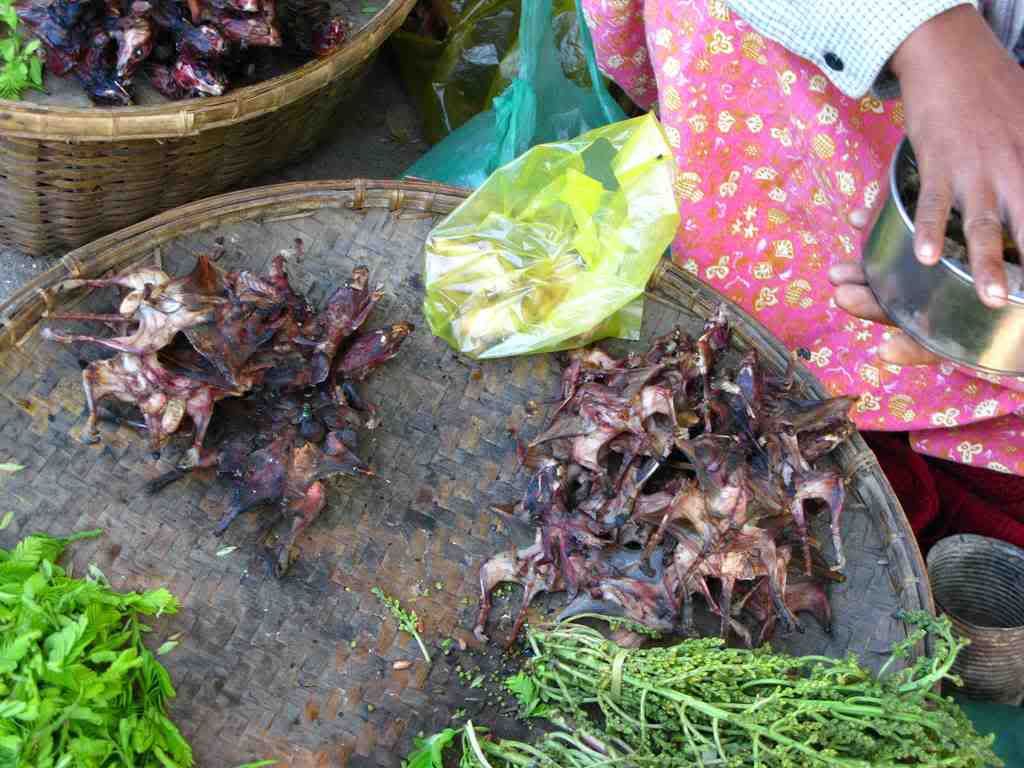
Rat meat is an inexpensive source of protein for many poorer villagers in India and Southeast Asia. It forms part of the local diet in Laos and Myanmar, in addition to India. We even saw dried rat for sale in a local food market in Bagan during our visit to Myanmar in January.


Think I'll stick to chicken!

Yoplait Yoghurt Recalled "Down Under"

National Foods Ltd. of Australia has recalled Yoplait Go-Gurt and Yoplait Smackers due to a choking hazard. The product may become contaminated with small pieces of clear plastic film as the result of a packaging defect.

All Go-Gurt and Smackers products packaged in 8 x 70g packs showing dates up to and including 27/09/08 are included in this recall.

The products were distributed nationally in Australia and in New Zealand. Consumers in both countries should return the recalled products to their place of purchase for a full refund.

Pork Products Recalled In Hawaii

Palama Holdings of Kapolei, HI has recalled 4,535 pounds of fully-cooked pork products that may be contaminated with Listeria monocytogenes.

The recalled items, which are identified as coming from Est. 11077, were produced on August 4 and August 7. The cooked pork was distributed to retail and food service establishments on the Hawaiian islands of Oahu, Maui, Hawaii and Kauai.

Details of the recall can be found in the USDA News Release (follow link at the top of this article). USDA has not released a list of retail establishments that received the recalled items – something the agency promised to initiate this month.

Consumers in Hawaii who have purchased cooked pork products processed by Palama Holdings should check the packaging against the information contained in the recall notice, and should return any recalled item to the store for a refund. For answers to any questions not addressed in the recall notice, contact Palama's Vice President of Sales, Lionel Yokoyama at (808) 682-8368.

Sunday, August 10, 2008

More Info On Latest Nebraska Beef Recall

Whole Foods Market is not the only grocery chain that may have received some of the meat that was recalled late Friday by Nebraska Beef. Some of the 1.2 million pounds of beef was sold to stores within the Kroger empire.

Fred Meyer stores has asked its customers in Oregon, Idaho, Washington and Alaska to check their refrigerators and freezers for ground beef labeled as "Lean Ground Beef Family Pack Not To Exceed 20% Fat" with sell by dates of July 6th through August 11th.

King Soopers and City Market stores have advised their customers in Colorado and Wyoming to check their refrigerators and freezers for ground beef labeled as "Ground Beef – 70 to 80% Lean" with sell by dates of July 4th through August 11th.

Customers who have purchased any of the recalled meat should return it to the store for a full refund.

The meat has likely been distributed elsewhere, as well. But USDA has not yet initiated its policy of listing the retail establishments who have received meat or poultry items included in a recall. As usual, the consumer is the last to know.


Pet Food Recall - Salmonella

Mars Petcare has recalled a limited amount of its Pedigree® Complete Nutrition Small Crunchy Bites due to the possibility of Salmonella contamination. The 20-pound bags were supplied to Albertson's supermarkets for sale in Southern California and the Las Vegas, NV area. 

This recall is the result of a logistic error. A component of the dry dog food, which was on hold because of a positive Salmonella result, was accidentally shipped to Mars Petcare's Tracy, CA facility and used to produce the Pedigree dog food that is the subject of this recall.

No illnesses – pet or human – have been reported. Approximately 100 bags of pet food with a best buy date of 07/2009 are involved.

Mars Petcare has notified Albertson's and is also cooperating with FDA on this recall. Consumers in Southern California and the Las Vegas area should check the best buy date on the Pedigree package and return any recalled product to Albertson's.

Saturday, August 9, 2008

Dysentery In The Developed World

Usually, one thinks of dysentery as being in the same category as cholera – a disease of disaster. But that's not always the case.

Shigella, the microbe responsible for dysentery, is spread through what is euphemistically called the "fecal-oral" route. This spread can occur by fecal contamination of drinking water, through poor personal hygiene, improper hand-washing after coming contact with contaminated feces (perhaps when changing a diaper), or through anal sex with an infected person.

Shigella infections produce a range of gastrointestinal symptoms, including: abdominal pain, cramps, diarrhea – often with blood, pus, or mucus – fever, vomiting, and tenesmus. Dehydration can be life-threatening for young children or the elderly.

The Montreal public health department has reported an unusually large number of recent cases in that city – 13 between mid-June and early August, versus just four cases during the same period last year.

Montreal is not alone in reporting increased incidences of Shigella dysentery. There have been at least three US reports in the last month – in Ohio, Oregon and Florida.

The Columbus Dispatch carried a Shigella report on July 21. Public health officials in that city were focusing on day care centers as the possible source for an outbreak that had sickened at least 100 people since the beginning of June. Day care centers, especially those catering to very young children, often are the source of outbreaks spread through fecal contamination.

The Oregon outbreak has been linked to attendance at a country fair near Veneta. At least 8 people have been infected, according to Food Safety Daily News.

In Florida, Shigella has been working its way through Palm Beach County and parts of South Florida, affecting mainly minority and immigrant communities – many of which are overcrowded. Food Safety Daily News reports that children and the immunocompromised appear to be at highest risk of serious illness.

Shigella has been spread by food in the past, but always as a result of contamination by a food handler or from contaminated water used to wash or prepare a food item. The best defense against this microbe is careful attention to proper sanitation and good personal hygiene.

Whole Foods Market Doesn't Tell Whole Story

Whole Foods Market is not being completely open with its customers with regard to the ground beef recall announced yesterday evening. The opening paragraph of the grocery store chain's recall notice reads as follows:
"Today, Whole Foods Market announced a voluntary multi-state recall of the fresh ground beef it has sold between June 2 and August 6, 2008 because of a concern that it may be contaminated with E. coli 0157:H7 bacteria. Whole Foods Market is informed that the beef in question apparently came from Coleman Natural Beef whose Nebraska Beef processing plant was previously subject to a nationwide recall for E. coli 0157:H7 contamination. At the time of the previous recall, Whole Foods Market received assurances from Coleman Natural Beef that no product delivered to Whole Foods Market was linked to the recall. Those assurances are now in question and Whole Foods Market is actively investigating the issue. At this time, no Coleman Natural Beef fresh ground beef products from the Nebraska Beef processing facility are available in any Whole Foods Market stores." (emphasis added)

The wording of this statement implies that Whole Foods Market is an innocent bystander in this affair. That's not entirely true.

Yesterday evening, the Massachusetts Department of Health and Human Services also released a statement, which contained the following paragraph:
"Last month, the United States Department of Agriculture (USDA) announced the extension of a national recall for ground beef produced by Nebraska Beef, Ltd. due to possible E. coli contamination. Nebraska Beef produces products under the Coleman brand name, and a review of records from Whole Foods indicates that some of the stores received product from the recall list. At this time, it is not known why the food listed under the USDA recall was sold to the public after the recall date." (emphasis added)
Whole Foods Market should have been aware that it had received – and was still selling – meat that had been recalled by Nebraska Beef at the beginning of July. Even if Nebraska Beef neglected to notify Whole Foods of the recall – and there is no evidence that Whole Foods was not notified – the list of recalled items was public information, posted on the USDA/FSIS web site.

It was not enough for Whole Foods to "receive assurances" from their supplier that none of the recalled meat had been shipped to the grocery chain. Whole Foods had a responsibility to verify the recall list itself and to remove recalled product from sale promptly.

This latest recall fiasco also underlines the importance of USDA's recent – and belated – decision to publish a list of retail stores that received meat and poultry products involved in Class I recalls. Had that policy been in force at the time of the June 30 and July 3 recalls, consumers would have known that Whole Foods Markets had received recalled meat, and could have questioned the source of the ground beef before buying it.

How many more people – and their families – must suffer the ravages of an E. coli O157:H7 infection before our legislators, the USDA, the meat industry, and the retail food industry put consumer safety at the top of their priority list?

More Meat Recalls: Whole Foods Market and Nebraska Beef

Whole Foods Market has recalled fresh ground beef sold between June 2 and August 6 due to the risk that the meat may contain E. coli O157:H7. The recall affects customers in the following states and in Canada:
Connecticut, Rhode Island, Maine, Massachusetts, Florida, New Jersey, New York, Kentucky, Maryland, Ohio, Pennsylvania, Virginia, Washington D. C., Alabama, Georgia, North Carolina, South Carolina, Tennessee, Illinois, Michigan, Minnesota, Missouri, Nebraska, Wisconsin.

The meat was supplied to Whole Foods by Coleman Natural Beef. Readers may recall that some Coleman meat was fingered in an E. coli O157:H7 outbreak in the Dayton, OH last month. At that time, Whole Foods was assured by Coleman that none of the meat supplied to the large chain was implicated in the Ohio illnesses.

Whole Foods is asking its customers to discard any unused ground beef purchased from one of their stores during the recall time frame and return the packaging or the receipt to the store for a full refund.

Not coincidentally, Nebraska Beef has recalled an additional 1.2 million pounds of primal cuts, sub-primal cuts and boxed beef produced on June 17, June 24 and July 8. The meat, which is labeled with the brand "Coleman Natural" and Est. 19336, was supplied to retail stores and other establishments for further processing.

Both recalls were brought about as the result of an investigation into an outbreak of E. coli O157:H7 in Canada and in several US states, including Massachusetts. This outbreak is unrelated to the recent "Boy Scout Camp" outbreak, which was traced to meat from a California firm.

Nebraska Beef's Est. 19336 is the same facility that was the source of the 5.3 million pounds of beef recalled by that company and by Kroger in early July.

Coleman Natural was founded in 1875 and markets itself as a producer of natural and organic products. Coleman sold its beef division to Meyer Natural Angus – also a "natural food" producer – effective June 1, 2008.

Coleman Natural and Meyer Natural Angus both appear to be based in Colorado. Both show on the Colorado Secretary of State's corporations list as "foreign" – meaning, out-of-state – companies. Coleman Natural's state of incorporation is Delaware, a very common corporate "address of convenience". Meyer Natural is incorporated in Nebraska – as is Nebraska Beef. Coincidence?

In the Jewish and Islamic religions, the terms "kosher" and "halal" have very specific meanings. Even a modicum of contamination – for that matter, even the potential of a modicum of contamination – of "unclean" food is enough to render otherwise acceptable food "treif" to observant Jews or unclean to Muslims.

It would appear that the same standard does not apply to "organic" or "all-natural" ground beef. How can meat retain its claim to being "organic" or "all-natural" if it is processed in a facility that also processes meat from conventionally-raised animals? The only way to ensure the validity of the claim would be to segregate the "special" meat from the "conventional" meat – perhaps in a completely separate grinding room.

But the "Coleman Natural" meat clearly was not segregated. The evidence is in the contamination both of Nebraska Beef's "conventional" meat and of this "natural" meat with the same strain of E. coli O157:H7.

Whole Foods had the following to say in its announcement of the meat recall:
"Whole Foods Market is informed that the beef in question apparently came from Coleman Natural Beef whose Nebraska Beef processing plant was previously subject to a nationwide recall for E. coli 0157:H7 contamination. At the time of the previous recall, Whole Foods Market received assurances from Coleman Natural Beef that no product delivered to Whole Foods Market was linked to the recall. Those assurances are now in question and Whole Foods Market is actively investigating the issue. At this time, no Coleman Natural Beef fresh ground beef products from the Nebraska Beef processing facility are available in any Whole Foods Market stores.

While Coleman Natural Beef is a relatively small supplier for Whole Foods Market, we are extremely disappointed that we must now question Coleman’s assurances."

And we are extremely disappointed – but not surprised – that we must continue to list USDA "Missing In Action."

Friday, August 8, 2008

China's Olympic Promises

The Promise: The air over Beijing would be clear in time for the Olympics.

The Reality: Beijing's air pollution exceeds the World Health Organization's recommended target level by a wide margin.

The Excuse: "Good air quality does not necessarily mean blue sky."


The Promise: Complete media freedom.

The Reality: Access blocked to some Internet sites, including Amnesty International.

The Excuse: None.


The Promise: Improved human rights.

The Reality: Crackdown in Tibet.

The Excuse: None.


The Promise: A safe food supply for athletes and visitors to China.

The Reality: Hong Kong's Centre for Food Protection reported today that it is investigating 54 new cases of food poisoning. Ten of the victims were part of a group that visited mainland China on August 4 and 5; twelve people suffered gastroenteritis after eating at a restaurant in Sheung Wan (Hong Kong) on August 4; and 32 people developed stomach pains and diarrhea after eating a take-out meal on August 6. This is the most recent addition to a long litany of food poisoning reports published by the CFP, most of which are restaurant-related.

The Excuse: Hong Kong isn't Beijing?


UPDATE: UK/Ireland Salmonella Outbreak Turns Lethal

A 70-year old Liverpool woman died on July 16th after having been infected by Salmonella Agona. The infection, according to authorities, was a "contributing factor" to her death.

Salmonella Agona has been fingered as the cause of at least 114 cases of salmonellosis in the United Kingdom and the Republic of Ireland since early spring. The incidence of the outbreak strain has increased sharply in the last six weeks, according to an article in The Telegraph. UK health authorities now suspect that an ingredient in ready-made sandwiches might be the source of the problem.

Today, the Food Safety Authority of Ireland announced findings that support this suspicion. Dawn Farm Foods Ltd., of County Kildare is recalling "...selected batches of cooked beef, cooked chicken and cooked bacon products predominantly for the made-to-order sandwich/catering trade." Wholesalers and caterers have been asked by Dawn Farm Foods to check their supplies and withdraw the following products from use:

FULLY COOKED BACK BACON 5x1Kg

9222

IE 734 EC

COOKED STREAKY BACON

9213

IE 734 EC

COOKED WILTSHIRE-CURE BACON

9079

IE 734 EC

COOKED BACK BACON

9189

IE 734 EC

COOKED PREMIUM CHICKEN STRIPS

6316

IE 734 EC

COOKED STREAKY BACON

9269

IE 734 EC

COOKED BEEF STEAK STRIPS

2481

IE 734 EC

COOKED CRISPY BACON

9240

IE 734 EC

COOKED BACK BACON

9203

IE 734 EC

FULLY COOKED BACK BACON 2x1Kg

9221

IE 734


Dawn Farm Foods supplies cooked meat ingredients to the food service and prepared sandwich industry in Ireland and the UK, and to countries in Europe, the Middle East and Asia. There is no indication – either in the FSAI announcement or on Dawn Farm's web site – to which countries these specific items were shipped.

Subway, which purchases some of its sandwich meat from Dawn Farm, has withdrawn two types of sandwiches from its menu as a result of the advisory. Customers of Subway will have to do without their Philly Style Steak and Chicken Fajita sandwiches until the chain can restock.

For now, consumers in the UK and Republic of Ireland should be wary of prepared sandwiches containing bacon, steak or chicken.

Norovirus In The News

The Rhode Island Department of Health announced yesterday that Greenwich Bay Gourmet, of East Greenwich, RI has recalled all prepared food sold by the establishment between August 1st and August 5th, inclusive. Any food that was purchased during this period may be contaminated with Norovirus and should be discarded.

The recall came after nearly 40% of the guests at a weekend function catered by Greenwich Bay Gourmet became ill. The illnesses were diagnosed as Norovirus infections and were traced back to food supplied by the caterer.

Norovirus, which is often associated with gastrointestinal outbreaks in nursing homes, day care centers, on cruise ships and in hotels and restaurants, has been in the news this week.

The New York State Department of Health issued an advisory yesterday to warn that there has been a "significant increase" in the number of viral gastroenteritis incidents in summer camps in that state. The advisory was addressed to camp directors, medical staff, infirmary staff and emergency medical personnel at overnight summer camps, and included specific recommendations on preventing and containing Norovirus outbreaks.

An infected guest at a wedding reception in Rochester, MN was the source of another Norovirus outbreak. The guest – whose personal hygiene left something to be desired – grabbed handfuls of tortilla chips and deposited some Norovirus in exchange. At least 20 people who ate chips from the same source after the infected guest had helped himself were rewarded with an unexpected soupçon of seasoning in the form of Norovirus.

This virus also has been busy on the other side of the world, both in Australia and in New Zealand, where a suspected Norovirus outbreak forced the closure of a Dunedin hospital ward, and forced postponement of some surgical procedures. The ward was closed to both visitors and new patients after seven staff members and three patients began to exhibit symptoms of gastroenteritis. One additional patient and one more staff member fell ill after the ward was closed. Hospital authorities hope that their quick action will prevent spread of the virus to other parts of the hospital.

An outbreak of gastroenteritis, also caused by Norovirus, has struck the Dubbo Base Hospital in Australia. Fourteen patients and six staffers have fallen ill so far. The highly contagious virus, which appears to have been contained in one ward, may have been carried into the hospital either by a newly admitted patient, or by a visitor to the ward.

Finally, at least five outbreaks of gastroenteritis hit nursing homes in Blacktown area, Australia in July. The Sydney West area of Australia has suffered numerous nursing home gastroenteritis outbreaks in the last several months, some due to Clostridium perfringens and others caused by Norovirus. Staff members and residents of nursing homes in the area – and their families – have been notified of the outbreaks, which are being investigated by local health authorities.

Norovirus is a highly contagious virus. It has an incubation period of 24-48 hours, ending in an abrupt onset of gastroenteritis – nausea, vomiting, diarrhea – which lasts for 24-48 hours. The virus is very hardy, and can survive on dry surfaces for days. It can be spread in aerosols produced during vomiting, or by fecal material following diarrhea. Thorough disinfection of potentially contaminated surfaces, quarantine of contaminated areas, scrupulous attention to personal hygiene, and frequent hand washing are the most effective ways to contain an outbreak.

Thursday, August 7, 2008

Source of Boy Scout's E. coli O157:H7 Found: Meat Recalled

The USDA Food Safety and Inspection Service, in conjunction with the Virginia Department of Health, has traced the source of the Virginia Boy Scout camp E. coli O157:H7 outbreak to a California meat processor.

As a result of the investigation, S&S Foods of Azusa, CA has recalled approximately 153,630 pounds of ground beef. The 30-pounds boxes of bulk ground beef bear establishment number 20375 and a case code that begins with 06238. The meat, which was intended for food service and institutional use only, was shipped to distribution centers in Milwaukee, WI and Allentown, PA.

There is no indication that the Boy Scout outbreak was linked to the Nebraska Beef outbreak. And I'm informed by a reliable source that the Boy Scout outbreak strain is different from the E. coli O157:H7 strain that has infected several people in Massachusetts, several other US states and the province of Quebec, Canada.

I guess we can look forward to at least one more recall.

Wednesday, August 6, 2008

E. coli O157:H7 Goes Back To School

The University of Guelph has long had the reputation of being one of the top three food science schools in Canada. So our friend Big Eddie decided to check out the campus recently.

Of course, the school's food service operations were on Big Eddie's list of things to see and learn from. And learn from them he did.

The local health department has confirmed that at least seven people, who ate food served by University Food Services between July 21 and 23, have been infected by E. coli O157:H7. An additional number of people – possibly as many as 15 – have also taken sick, and are thought also to have been infected with the microbe. An unstated number of victims have sought hospital treatment.

The outbreak is thought to have been triggered as a result of improper hand-washing on the part of an employee who was ill. University Food Services has "...taken extra-special measures..." to disinfect the food service kitchen, under the supervision of the local public health department.

There is no indication how the university and/or the public health officials have concluded that an ill employee was the source of the outbreak – or where the supposedly ill employee contracted the infection.

And no one has said why an employee who was suffering a gastrointestinal infection was permitted to work in a food service environment.

The outbreak victims apparently included at least two conference attendees. The campus was host to a group of international students – most of them from Italy – under Study Tours International's "Canadian Experience" program. The first group of students arrived on campus July 19th.

The purpose of the Study Tour was to experience Canadian culture and to improve the students' English language skills. It's doubtful that the published Tour itinerary included a trip to a Canadian hospital.

Unfortunately, courtesy of University of Guelph, some of the students will take back with them a very negative impression of Canadian food safety.

UK and Ireland Warn of Salmonella Outbreak

The UK Food Standards Agency (FSA) and the Food Safety Authority of Ireland (FSIA) are cooperating in an investigation of the source of an outbreak of Salmonella Agona that is affecting both the UK and the Republic of Ireland.

The outbreak sickened 8 people between the end of June and early July in Ireland, and about 80 people in the UK - mostly young adults.

While the source of the outbreak has not yet been determined, investigators suspect a meat or poultry product is the culprit. As a precaution, one catering supply company has withdrawn implicated ingredients from sale, according to the Irish authorities.

Salmonella infections typically are self-limiting, usually causing stomach ache, diarrhea, low-grade fever – and, less frequently, nausea and vomiting – that may last several days. The very young, the elderly and the immuno-compromised are at risk of dehydration from prolonged diarrhea or vomiting.

Until the source of this outbreak has been resolved, residents of, and visitors to, the UK and the Republic of Ireland should be wary of consuming prepared sandwiches – especially cold sandwiches. When eating hot meals outside the home, be sure that any meat or poultry in the meal has been cooked completely and is served "piping hot". If in doubt, reject a dish and order something else.

Tuesday, August 5, 2008

USDA Announces Recall In Massachusetts

It's so nice to know that USDA is on top of things and taking care of our safety. With all of the recent reported illnesses tied – or suspected of being tied – to ground beef, USDA finally made a recall announcement this evening.

But it wasn't the recall most of us were expecting. Instead, the agency's Food Safety and Inspection Service advised consumers that World Class Canapes, Inc., a Massachusetts company, had recalled 285 pounds of ready-to-eat chicken products after sampling by FSIS detected Listeria monocytogenes.

The canapes were produced on July 30th and distributed only within the state of Massachusetts. Consumers who purchased the recalled products should discard any unused portion of the food. For answers to any questions about the recall, contact the company's plant manager, Jim Palmariello, at (978) 253-6482.

E. coli O157:H7 - A Bedtime Story

Once upon a time, there was a microbe by the name of E. coli. One day, while our little friend – who preferred to be called "Big Eddie" – was browsing in an intestinal flea market, the devil (disguised as a merchant) whispered into his ear.

"Psst, Big Eddie," said the devil, "aren't you cold? Let me sell you this nifty model O:55 coat."

"Sure," said Big Eddie, "I'll take it. What's the price?"

"Don't worry," replied the devil, "you can pay me later."

Next time Big Eddie went for his flea market walk – wearing his new coat, of course – he passed by the devil's booth again.

"Psst, Big Eddie," said the devil, "wouldn't you rather swim? I have some lovely flagellae to offer. They're the latest model – H7 – and would suit you perfectly."

"Sure," said Big Eddie, "I'll take them. What do I owe you?"

"Don't worry," replied the devil, "you can pay me later."

Big Eddie continued through the market, swimming slowly as he got used to his new appendages. As he went, the devil followed and whispered into his ear again.

"Psst, Big Eddie," said the devil, "those model H7 flagellae look real cool on you. But they don't really go with your old O:55 coat. Why not upgrade to this brand-new model O157 that just came out?"

"Great idea," Big Eddie replied, "I'll take it."

And that's how Big Eddie acquired his new coat.

After a while, Big Eddie got tired of his intestinal home and decided to travel. So he swam towards the light and landed plunk in the middle of a field – surrounded by cattle. It was raining hard, and Big Eddie allowed himself to be carried by the runoff to a nearby stream.

After a while, he found himself a long way downstream from his old home, and began to feel lonely. Imagine how happy he was to encounter a familiar face. The devil had followed him.

"Psst, Big Eddie," said the devil, "how would you like to become so powerful that industrial giants and politicians will bow down to you? You'd be able to live anywhere in the world. You'll multiply and produce billions of descendants. You'll never be lonely again."

"Wow," replied Big Eddie, "that sounds wonderful! What do I have to do?"

"Not much," answered the devil "except that you and your offspring won't be able to digest sorbitol or produce glucuronidase enzyme."

"That's no big deal," Big Eddie answered immediately, "I never did like the taste of sorbitol anyway. And who needs glucuronidase?"

"OK," said the devil "I'll send my agents along with their power tools."

And before he knew what was happening to him, Big Eddie was attacked by a swarm of the devil's bacteriophages. They injected him with pieces of DNA stolen from an unsuspecting Shigella, which happened to be swimming nearby. The DNA contained a blueprint for producing two toxins.

A pathogen was born. And the devil had the last laugh.

~ The Beginning ~


OK. So it didn't happen exactly that way. The real story can be found in Chapter Six, "Birth of a Pathogen" of Food Safety: Old Habits, New Perspectives.

E. coli O157:H7 is thought to have evolved in several steps from an ancestral strain of E. coli. It first was linked to human illness in California in 1975, when it was isolated from the stool of a woman who was suffering from bloody diarrhea. In 1978, it was recovered from a patient in Ottawa, Canada. The rest, as they say, is history.
E. coli O157:H7 Travels East

Another multi-state outbreak of E. coli O157:H7 has been simmering this summer, according to a news release issued yesterday by the State of Massachusetts Department of Health and Human Services.

Six people in three Massachusetts counties – Essex, Middlesex and Suffolk – have been diagnosed with E. coli O157:H7 infections, all caused by the same strain. The victims range between 3 and 60 years old. They became ill during the period of July 10-16. Five were hospitalized.

The outbreak strain in the Massachusetts illnesses apparently has been linked genetically to E. coli O157:H7 isolated from patients in several other states and the Province of Quebec. While the source of the contamination has not been identified definitively, ground beef is suspected and USDA has joined the investigation.

There's no mention in the news release as to whether the genetic profile of this outbreak strain was compared to either the Nebraska Beef strain or the E. coli O157:H7 strain that has been responsible for sickening at least 18 Boy Scouts in Virginia during the week of July 20-26. The other states touched by this outbreak investigation have not been identified in the Massachusetts news release.

Also not mentioned in the Massachusetts release is whether or not CDC is getting involved in this investigation. CDC involvement would be appropriate in any multi-state outbreak, and especially one that might have crossed an international border.

Monday, August 4, 2008

Salmonella Saintpaul: Contaminated Pepper Sighting

Lisa Schnirring of CIDRAP News reported today that FDA has found Salmonella-contaminated peppers in the warehouse of Basha's, an Arizona-based grocery chain with stores in Arizona, New Mexico and California.

Basha's, which purchased the peppers from a distributor in Arizona or California, has since removed all jalapeño peppers from its 160 stores, sanitized the display shelves, and restocked with US-grown peppers.

The jalapeño peppers were sampled by FDA as part of its investigation into the Salmonella Saintpaul outbreak that has sickened at least 1330 people, according to the latest figures released today by CDC.

While the outbreak is winding down, CDC still is receiving reports of sporadic new cases – the most recent victim began to display symptoms on July 25th. And the agency was careful to mention in today's report that there is more than one culprit in this outbreak. Specifically, CDC cautions that,

"These epidemiological studies indicate that more than one food vehicle is involved in this outbreak. No one food item can explain the entire outbreak. By themselves, tomatoes cannot explain the entire outbreak, nor do jalapeño peppers explain all the clusters."

Although FDA notified food distributors and retailers on August 1st that they should destroy fresh jalapeño and serrano peppers from Mexico, consumers should not assume that all peppers on store shelves today are safe to eat. Not all retailers will act as promptly as Basha's. Before buying fresh jalapeños or serranos, ask the grocery market's produce manager whether the peppers were grown in Mexico or the United States.

Canadians can be reasonably comfortable that contaminated Mexican peppers are not finding their way to store shelves in that country. The Canadian Food Inspection Agency (CFIA) has placed a hold on all jalapeño and serrano pepper shipments from Mexico, pending clearance of each individual shipment by CFIA's own labs.

There's been no further news from FDA on the progress of its investigations since August 1st. But tomorrow is another day.

Water Woes: Asia, Africa and Cholera

It's a rare day that goes by without a story somewhere in the news about a cholera outbreak in Asia or Africa. In 2007, the World Health Organization received reports of 177,963 cases of cholera – including 4,031 deaths – from 53 countries. These data are not all-inclusive. No cases were reported from Central or South America, and no information was available from the Western Pacific or Central Asia.

The culprit is Vibrio cholerae, a rod-shaped bacterium that is spread through contaminated water – including shellfish harvested from contaminated sea beds, produce grown using contaminated irrigation water, or produce washed in contaminated water.

Vibrio cholerae infections result in a watery diarrhea, which can vary from mild to severe – sometimes bloody. Severe cases can result in life-threatening dehydration, especially in the very young and the elderly.

Following are recent examples of the impact of cholera on the health and lives of people living in parts of Africa and Asia.

Kenya (July 29th): Government officials blamed contaminated water for recurring outbreaks of cholera in the western province of Nyanza. A high water table, wells located too close to latrines, and poor sanitation practices were cited as contributing to the outbreaks.

Guinea-Bissau (August 1st): Cholera has caused 25 deaths and 1,077 illnesses so far in an outbreak that has spread through the country. Three-quarters of the victims live in the capital city, Bissau. As in Kenya, heavy rains and contaminated wells have contributed to the problem. Only 20% of the residents of Bissau have access to municipal "piped" water.

Zimbabwe (August 4th): Harare has been hit with an outbreak of diarrhea, which may or may not be due to Vibrio cholerae. As in Bissau, a severe lack of municipal water has forced residents to use water from nearby – often polluted – streams, and unprotected wells.

Indonesia (August 4th): Social workers have accused government officials of neglecting a cholera outbreak that has killed 173 people since April. The Health Ministry disputed the claimed death toll, saying that "only" 87 people have died. The Ministry blamed the on-going outbreak on a traditional custom of hugging dead bodies.

The Indonesian situation is just one example of how political and cultural issues can complicate the fight against cholera and other similar diseases. A recent news article in The New Vision quoted the Ugandan water minister as blaming cultural beliefs for a recent cholera outbreak that killed between 30 and 40 people.

According to the article, Minister Jennifer Namuyangu said, "They say the water from unprotected sources is thick and tastes sweet yet some of the sources that I visited were untidy and surrounded by faeces." Residents in the eastern part of the country – especially the older generation – apparent prefer to drink unprotected water from rivers, streams and unprotected wells.

Until government inertia and local customs can be overcome, the World Health Organization will be hard-pressed to make a serious dent in the frequency and size of cholera outbreaks in Asia and Africa.

Sunday, August 3, 2008

The 2008 Olympics – Revisiting China's Potemkin Village

I promised back in March to keep an eye on food safety in China in advance of the Olympic Games, set to open on August 8th. A daily check of Chinese news services – China View, Eastday (Shanghai), People's Daily Online and Xinhua News Agency – has failed to uncover even one reported outbreak of food-borne disease in the People's Republic of China since early March.

On the other hand, the Chinese media have carried frequent reports of food-borne disease outbreaks in other countries – most notably, the Salmonella Saintpaul outbreak in the United States. And these government-controlled media outlets have described the great improvements in China's food safety system, as well as on steps the government has taken to ensure safe food during the Olympic Games.

China View reported on July 30th that food poisoning outbreaks had decreased by 36% in the second quarter of 2008 year-over-year. These outbreaks affected 3,357 people and killed 29 – a drop in the death rate of more than 58% compared to the same period last year. Extrapolating to a full year, this would translate to approximately 13,400 acknowledged cases of food poisoning in all of China.

These numbers must be taken with a pound of salt. China's population was 1,314,480,000 at the end of 2006 and has continued to grow. The current US population is approximately 300 million – less than 1/4 of the population of China. Yet there were (extrapolated from recent FoodNet data) 118,000 confirmed cases of food-borne disease in the United States last year. That's almost nine times as many cases as in China – a country with more than four times the population.

A clue to the real state of food safety in China is the near-continuous stream of restaurant-related food poisoning incidents reported by Hong Kong's Centre for Food Protection. As recently as August 1st, CFP reported two separate incidents, affecting a total of 17 people. And the Hong Kong agency is also investigating a complaint from 11 travelers to the Chinese mainland who developed symptoms of gastroenteritis shortly after returning to Hong Kong.

In March, the government of China promised that participants and spectators would not need to worry about the safety of the food available at the Olympic venues. Last month, Hong Kong's Director of Food & Environmental Hygiene pledged that there will be safeguards in place during the equestrian events, which will take place in the former British Crown Colony. Three days ago, the Controller of Hong Kong's Centre for Food Safety repeated that promise.

With athletes, media, celebrities and spectators converging on China from all over the world, it would be difficult for that country to hide any significant incidents of food-borne disease at the Olympic venues. We'll find out soon enough how successful China's food safety efforts have been.

Boy Scouts Not Prepared – Suffer E. coli O157:H7 Outbreak

Just like the proverbial (dare I say it?) Jack-in-the-box, E. coli O157:H7 has been springing up over and over again this year.

Just about everyone who follows food safety news has heard, by now, of the Nebraska Beef recall triggered by a multi-state outbreak of E. coli O157:H7. According to CDC, the contaminated meat was responsible for at least 49 illnesses in seven states. The actual toll was probably even higher.

But there was also an outbreak following a reception in Sarpy County, Nebraska in March. A recent outbreak in Connecticut was traced to raw milk from Town Farm Dairy. Two more small outbreak clusters were reported in Nebraska in July. Yet another cluster erupted in the Dayton, Ohio area, also in July.

And now E. coli O157:H7 has struck at the heart of that international icon of preparedness – the Boy Scouts of America.

On July 31st, the Virginia Department of Health reported that 11 attendees at a Boy Scout camp in Goshen, VA had been diagnosed with E. coli O157:H7 infections. The victims were at the camp the week of July 20th to July 26th. The number of lab-confirmed cases has since grown to 18, according to a report in the Washington Post, and as many as 60 more people have reported symptoms. Two of the campers are undergoing treatment for hemolytic uremic syndrome.

While the source of the pathogen has not yet been identified, suspicion is falling on "...foil-packaged meals that included ground beef and vegetables..." This camp staple is typically cooked over a fire by the campers. The camp has removed ground beef from its menu as a precaution.

Virginia health officials can be pardoned for feeling a sense of déjà vu. In 1994, 18 campers and two counselors at a summer camp in the state were the victims of an outbreak of bloody diarrhea caused by E. coli O157:H7. The outbreak was traced to consumption of undercooked, contaminated ground meat.

Other states and countries also have experienced their share of summer camp outbreaks of E. coli O157:H7.
  • 2006: A Palisades, New Jersey day camp, complete with petting zoo and swimming pools, reported an outbreak of E. coli O157:H7 that sickened several children – most of them 5-year old girls.
  • 2004: A Sudbury, Ontario hockey camp suffered an outbreak that sickened 30 campers and staffers – again due to undercooked, contaminated ground beef.
  • 2003: A New Deer, Scotland boy scout camp experienced an outbreak that was due to environmental contamination. The camp was located at an agricultural fairground and heavy rains spread the pathogen, which sickened 20 campers.
According to the Washington Post article, campers are enjoying their experience in spite of the outbreak – "...working on merit badges, learning celestial navigation on night hikes, motorboating and shooting rifles."

Perhaps a new merit badge – Principles of Food Safety – should be added to the Boy Scouts' syllabus.

Saturday, August 2, 2008

Water Woes: Sewage Spills

There are a large number of news items coming out of China recently that focus on food and water contamination in other parts of the world – especially, the western hemisphere. This week was no exception.

A July 29th article in China View reported that Latin America is facing a severe shortage of safe drinking water. The article quoted a spokesman from the Latin American Water Tribunal as saying that 86% of the regions sewage is dumped, untreated. The spokesman added that 153,000 people in Latin America die annually from diseases carried by contaminated water.

While I suspect that China – in the days leading up to the Olympic Games opening ceremony – might be trying to divert the world's attention from its own food and water contamination issues, that's a different topic. The issue raised in the article is quite real.

People who live in the developed countries and regions of the western hemisphere take safe drinking water – and safe recreational water – for granted. All too often, we associate water contamination issues with countries in Asia and Africa, which lack the infrastructure we enjoy.

But we have our own share of infrastructure problems. The sewage treatment facilities in many major and mid-sized cities in the hemisphere are antiquated, undersized for the current population, or both.

Heavy rains or system breakdowns result in the release of untreated sewage into harbors, lakes and rivers. And leaky pipes lead to far too many "boil water" advisories. This week has seen several examples.

  • San Diego, CA. July 30th. A sewer line blockage resulted in a 162 gallon sewage spill that contaminated the water at a beach in San Diego Bay.
  • Columbia, SC. July 30th. An equipment malfunction at a local sewage treatment plant resulted in the release of partially treated sewage into the Saluda River. The spill occurred just upstream of the Saluda River rapids. The state's Bureau of Water recommended that people avoid contact with the water and also keep their pets away from it until further notice.
  • Saskatoon, SK. August 1st. CBC reported that there had been a release of sewage into the South Saskatchewan River on July 19th. The city is upgrading its aging sewage treatment plant, which was overwhelmed by heavy rains. The spill, which occurred over a seven hour period, released as much as 60 million liters (15.8 million US gallons) of raw sewage into the river.
  • Labrador City, NL. July 31st. Residents were advised to boil their water after high coliform levels were found in the city's drinking water system. The municipal engineer suggested that recent heavy rains may have resulted in the elevated coliform levels.
Fortunately, some cities are addressing their water infrastructure problems. Until recently, Halifax, Nova Scotia dumped raw sewage into its harbor, with inevitable – and disgusting – results. But since the recent opening of the city's new sewage treatment plant, bacterial counts have dropped dramatically, beaches have reopened, and the water has become safe for swimming for the first time in 30 years.

Let's hope that other cities – inspired by Halifax's success – will take similar action to safeguard the purity of our recreational and drinking waters.

What Do Mushrooms And Goat Cheese Have In Common?

The Canadian Food Inspection Agency announced two recalls late yesterday evening, both due to contamination of a food with Listeria monocytogenes. Both recalls affect consumers in Quebec and Ontario.

Listeria monocytogenes usually causes mild flu-like symptoms or a mild gastroenteritis. But an infection with this microbe can cause pregnant women to miscarry, and may result in severe illness – even death – in the very young, the elderly, and immunocompromised individuals.

Sliced Mushrooms
Continental Mushroom Corporation Ltd. is recalling three varieties of sliced mushrooms that may be contaminated with Listeria monocytogenes. The following three items, all sold in 227g packages and carrying lot numbers beginning with 200 to 214, inclusive are:
  • Continental Quickslice Triple-Washed (UPC 0 64798 00005 5)
  • Fresh Obsessions Pre-Washed Sliced White Mushrooms (UPC 0 69200 00902 2)
  • Fresh Obsessions Sliced Crimini (Italian Brown) Mushrooms (UPC 0 69200 00502 4)
These mushrooms should not be eaten raw, either on their own or in combination with other foods. Either discard them or return them to the place of purchase.

Fresh Goat Cheese
Portuguese Cheese Co. is recalling a single lot of its Santa Maria brand Queijo de Cabra (fresh goat cheese), due to a risk that the cheese may contain Listeria monocytogenes. The cheese was sold in Quebec and Ontario in 350g packages labeled with Best Before Date of 08AU02, lot no. 628 and UPC 0 68168 00073 7.

Anyone who has purchased this product should either discard it or return it to the store. For more information, consumers can telephone the company at 416-259-4349.

Friday, August 1, 2008

Cancel That Cilantro Recall!

There was an email in my inbox this evening from the Canadian Food Inspection Agency. The cilantro recall announced a couple of days ago has been canceled.

There is no – REPEAT NOSalmonella in the cilantro shipped by NewStar Fresh Foods to three Canadian provinces and several US states. The decision by NewStar to recall its cilantro was based on an erroneous report from the Michigan Department of Agriculture.

Following is the entire text of the recall cancellation announcement.

"Fresh Cilantro Recall by NewStar Fresh Foods Proves Unnecessary
MI Department of Agriculture Cites Likely Cross-Contamination in Lab

July 31, 2008, Salinas, CA - NewStar Fresh Foods has been notified by the Michigan Department of Agriculture that a test result previously thought to be positive for Salmonella in a sample of fresh Cilantro was today found not to be a likely indicator of the presence of the pathogen, rendering unnecessary the national recall conducted by NewStar on July 30th.
The U. S Food and Drug Administration (FDA) immediately notified its California regional office, the California State Department of Health and Human Services and the Canadian Food Safety Agency.

Although official confirmation will not be received until next week, Jerry Wojtala, Deputy Director, Food and Dairy Division, Michigan Department of Agriculture, said the agency learned of the situation earlier this afternoon and immediately notified federal regulatory officials as well as NewStar.

Mark Drever, NewStar President said that the faulty test result was an unfortunate mistake and stressed that all parties involved have the safety and well-being of consumers as their first and foremost priority. "We will work closely with all regulatory agencies involved to improve testing protocols and to ensure that the lines of communication remain open in order to continue to protect the public health." Mr. Drever also thanked NewStar employees, customers and suppliers for their fast action and thorough response in conducting the recall."

NewStar deserves full credit for its original decision to initiate a recall as soon as it learned of the Michigan "finding" last week. As I pointed out in my recall announcement article, the company makes a point of its commitment to food safety, starting right at the farm. It looks like NewStar's confidence in its safety programs has not been misplaced.

USDA Missing In Action

Six people in Montgomery County, Ohio developed infections with E. coli O157:H7 in late July. Their illnesses were caused by the Nebraska Beef outbreak strain, and were traced to ground beef sold by three different markets in the Dayton area.

Two of the illnesses were traced to meat purchased from Dorothy Lane Markets. That company announced a recall on July 28th of more than 25,000 packages of ground beef with sell by dates of June 9 - July 29. By July 31st, the store's customers had returned 1,255 packages of ground beef, and had received refunds.

According to the recall statement released by Dorothy Lane Markets, the affected meat was supplied to them by Coleman Natural Foods of Golden, Colorado (Coleman's beef division was purchased in April by Meyer Natural Angus of Loveland, CO). Coleman sent some of its meat – including the meat supplied to Dorothy Lane – to Nebraska Beef for processing.

Aside from the question of how Coleman could ensure that its meat remains "The Way Nature Intended" when it relies on a third-party grinding facility – especially a very large-scale processor like Nebraska Beef – there are some other outstanding issues here.

What happened to the other four people who became ill with E. coli O157:H7 in this disease cluster? Where did they purchase their meat, and why have those stores not issued a recall?

Why has Coleman (or its new parent, Meyer Natural Angus) not issued a recall notice? Was all of its affected meat supplied to Dorothy Lane Markets?

According to Bill Marler, a meat sample from All American Meats also has tested positive recently for the E. coli O157:H7 outbreak strain. And readers will remember that the meat responsible for the Georgia outbreak cluster – meat contaminated with the outbreak strain and originating from Nebraska Beef – was never recalled.

Why have we heard nothing from USDA's Food Safety and Inspection Service?

With each new piece of lab evidence and each new disease cluster that is linked to the Nebraska Beef outbreak strain, the silence from both FSIS and Nebraska Beef grows louder. How many more people must sacrifice their health before the agency and the company acknowledge that this is an on-going safety problem?

Does someone have to die before USDA takes action?

As British As Apple Pie?

The UK Food Standards Agency is advising consumers that Livwell Ltd. and Tesco have recalled some of their apple pies due to a possibility that the pie filling may contain pieces of blue plastic.

The Livwell Bramley apple pies were sold through Waitrose stores, while Tesco sold its Bramley apple pies through its own stores.

Livwell's pies carry a "best before" date of 29/08/08. They are packaged in 240g pack sizes; each pack contains four pies.

Tesco has recalled all of its "Tesco Free From Bramley Apple Pies" labeled with a date code up to and including BB 15/AUG/08.