JARD Marketing of Lawrenceville, MA has recalled some of its cut fruit products that contain cantaloupe from Agropecuaria Montelibano of Honduras. The cantaloupe had been supplied to JARD by T.M. Kovacevich International, which issued its own recall notice last week.
The products being recalled by JARD were distributed to food service operations and sold at retail. The retail products are sold under several different brand names, including Frosty Fresh, Fresh Hand Cut, Fruit On The Go, Highland Park, Bruegger’s Bagels, Sid Wainer & Son, Hannaford Brothers and Garden Highway Plant # P-005, and are labeled with a sell-by date of 3/29/08 or earlier.
The cut fruit products were shipped to several northeastern US states, including Maine, New Hampshire, Vermont, Massachusetts, Connecticut, Rhode Island, New York, New Jersey and Pennsylvania. Consumers who have purchased the recalled products should discard them. Please consult the recall notice for additional details and for photographs of some of the recalled salads.
Monday, March 31, 2008


Honduran Cantaloupe - Beyond The Western Hemisphere
 The European Commission's Directorate General for Health and Consumer Protection provides a weekly notification report on-line that summarizes all food and feed safety health alerts in and between EU member countries. According to last week's report (Week 13), a Netherlands company withdrew fruit salad containing Honduran cantaloupe from the market on suspicion that the cantaloupe was contaminated with Salmonella.
How many more countries might have imported cantaloupes from the Honduran grower/packer Agropecuaria Montelibano?
Sunday, March 30, 2008
China's Latest Food Poisoning Outbreak
 USA Today reported yesterday morning that more than 100 children in southeast China were sickened by milk that was contaminated with staphylococcal enterotoxin. According to the Xinhua news agency release, Chinese food safety authorities have issued a public warning and have seized more than 4,100 boxes of milk from the dairy. In addition, the Zhuhai Weiwei Daheng Dairy Co. in Guangdong has recalled more than 2,700 boxes of milk that were not seized by the government.
It's interesting that none of this information appeared during the weekend on "People's Daily Online", "Shanghai Daily.com" or "english.eastday.com", all of which are China-based English-language news web sites. This is not for lack of interest in food-safety related stories on the part of these news sites. A search of the People's Daily Online archives, using the key words "food" and "Salmonella", produced four pages of links to stories about food safety – all pointing to food problems in other countries.
China is trying very hard to present a positive image to the world in advance of the Olympic games. Let's hope – for the sake of Chinese citizens and visitors alike – that there is substance behind the image.
Packaged, Prepared Raw Poultry - A Salmonella Smorgasbord
Two Minnesotans were hit with Salmonella Enteritidis gastroenteritis this winter traced to raw, frozen, breaded and pre-browned, stuffed chicken entrées. The Milford Valley Farms Chicken Cordon Bleu implicated in the illnesses carries a package code of C8021. The entrées were sold in grocery store chains under several different brand names in Illinois, Indiana, Minnesota, North Dakota, Vermont and Wisconsin.Investigators suspect that the teenager and young adult – both hospitalized as a result of their illness – simply heated the entrées, without cooking them thoroughly. The state lab was able to find the same strain of Salmonella from three unopened packages of the chicken entrée as was recovered from the two victims.
The USDA has issued a public health alert, reminding consumers to cook this type of product to an internal temperature of 165ºF. Since the government does not consider Salmonella to be an adulterant in raw poultry, the entrées will not be recalled.
This is the fifth outbreak of this kind in Minnesota in the last 10 years. As a result of previous outbreaks, most products of this type are no longer marketed as "microwave-able" in the state. Nevertheless, some consumers continue to treat these raw entrées as "pre-cooked", and simply heat them in the microwave.
Coincidentally, an Ohio processor has just initiated a small recall (1,420 pounds) of raw, frozen chicken breast products due to mislabeling. The packaging describes these products as "fully cooked". The recalled products were shipped to distribution centers in Connecticut, Maine, Massachusetts, Michigan, Pennsylvania and Tennessee, and were intended for use by food service institutions. They are not sold in stores.
Please remember – and remind your teenagers – that many individually-packaged servings of foods are not pre-cooked. It is essential to follow package directions, especially for meals containing poultry, in order to ensure the destruction of any Salmonella that might be present. Microwave cooking is not reliable; it heats food unevenly and cannot be depended upon to kill Salmonella. There is nothing more inconvenient than a convenience food that makes someone ill.
Saturday, March 29, 2008
Restaurants: When Your Dinner Comes Back To Haunt You
An Easter Sunday buffet meal at the Claudia Sanders Dinner House in Shelbyville, KY has felled more than 137 patrons and caused the restaurant to close for several days.According to a report in the Louisville Courier-Journal, customers complained of vomiting, diarrhea, and abdominal cramps. Symptoms began appearing within a few hours of the meal, and were consistent with Staphylococcus aureus food poisoning. Initial suspicions fell on the pit ham, which was served as part of the Easter Sunday buffet, but that theory has not yet been confirmed by laboratory tests.
Fortunately for customers of Claudia Sanders Dinner House, staphylococcal food poisoning is short-lived and rarely dangerous. All of the victims recovered within a few days.
Bacillus cereus is another food-borne pathogen that has often been associated with restaurant meals. Last year, an 81 year old Australian man died after contracting Bacillus cereus food poisoning from a cream asparagus sauce served at a restaurant in New South Wales.
According to testimony given at the inquest being held into his death, Mr. Hodgins began to suffer from vomiting and diarrhea within an hour after dining with his wife at the restaurant. Unbeknown to his wife, Mr. Hodgins continued to vomit during the night. She found him the following morning – dead.
Witnesses at the inquest alleged that the sauce was at least 48 hours old at the time that it was served to Mr. Hodgins. Lab tests revealed that the sauce was heavily contaminated with Bacillus cereus.
Restaurant patrons may be excused for sometimes feeling that they are navigating a microbial minefield. But they are not powerless. A growing number of local and regional health departments – including Alabama, which initiated its information program on March 28th – either post the results of restaurant inspections on the Internet or require restaurants to post a conspicuous notice showing the outcome of their most recent inspection.
Unfortunately, one important source of information is often neglected. Food poisoning is a grossly under-reported illness. If you have eaten at a restaurant, in a cafeteria or at a catered affair and have experienced what you think is a bout of food poisoning, please notify your local health authorities.
Dole Recalls Honduran Cantaloupe
The Dole Fresh Fruit Company has announced a recall of Honduran cantaloupes grown and packed by Agropecuaria Montelibano. This is just the latest in a series of recalls of cantaloupes from the Honduran grower/packer.The Dole cantaloupes were distributed – packed in cartons labeled "Dole" and "Product of Honduras" – across the United States and in parts of Canada. Cantaloupes from Agropecuaria Montelibano have been implicated in an outbreak of Salmonella Litchfield illnesses in the US and Canada. I fully expect a similar recall announcement from the Canadian Food Inspection Agency will appear shortly.
On March 25th, I mentioned that another food safety blog site had posted a warning about Dole cantaloupe imported from Costa Rica. I pointed out that Dole had recalled Costa Rican cantaloupe in February 2007, but that last year's recall had nothing to do with the Honduran cantaloupe alerts. In my post, I said, "There is no recall of Dole cantaloupes in progress at this time." That statement is now obsolete.
But please do not confuse this year's recall of Honduran cantaloupe with last year's recall of Costa Rican cantaloupe. To the best of my knowledge, based on information provided by CDC, there is no link between the two recalls, and no evidence that implicates Costa Rican cantaloupe in the Salmonella Litchfield outbreak.
Consumers across the United States and Canada should remain wary of purchasing cantaloupes without verifying the country of origin until this outbreak has been put to bed and the "all clear" has been sounded.
Friday, March 28, 2008
Another Recall of Cut Cantaloupe Products
In the on-going saga of the Honduran cantaloupes, Spokane Produce, Inc. is recalling several varieties of fruit salads under the Garden Patch, Yokes, and Rosauers Classic labels. These salads contain pieces of cantaloupe from the Honduran grower/packer Agropecuaria Montelibano, and may be contaminated with Salmonella.
The salads were distributed in stores in Washington, Idaho, Montana, Oregon, and Wyoming, and carry "Best used by" dates up to and including 03/26/08.
If you have purchased any of the products mentioned in the recall notice, please return them to the store.
The salads were distributed in stores in Washington, Idaho, Montana, Oregon, and Wyoming, and carry "Best used by" dates up to and including 03/26/08.
If you have purchased any of the products mentioned in the recall notice, please return them to the store.
A Cantaloupe Recap
The number of cantaloupe recalls is mounting, both in the United States and Canada. In case you've missed the story, here is a recap, including a linked list of all the relevant recalls and alerts announced so far.The story broke on March 22nd, when FDA issued an import alert to its field officers and to importers and distributors of cantaloupes. The alert followed an investigation that implicated Honduran cantaloupes from Agropecuaria Montelibano in an international outbreak of Salmonella Litchfield illnesses. According to the CDC, 50 people in the United States and 9 in Canada were victims of the contaminated cantaloupes.
Here is a list of the cantaloupe recall notices issued so far in the United States.
- Charlie's Produce Spokane Recalls Cut Cantaloupe Products Because of Possible Health Risk
- Voluntary Nationwide Recall of Honduran Cantaloupes grown by Agropecuaria Montelibano, San Lorenzo Valle, Honduras
- T.M. Kovacevich International, Inc. Recalls Cantaloupe Because of Possible Health Risk
- Tropifresh, Inc. Recalls Whole Cantaloupe Products Because of Possible Health Risk
- Bounty Fresh, LLC. Recalls Cantaloupe Because of Possible Health Risk
- Simply Fresh Fruit Announces Nationwide Recall of Some Fresh Cut Fruit Products Containing Cantaloupe Due to Possible Salmonella Contamination
- Chiquita Brands International, Inc. Recalls Whole Cantaloupes Grown by Agropecuaria Montelibano, Honduras, Due to Possible Health Risk
- Cantaloupes From Agropecuaria Montelibano May Be Contaminated With Salmonella Bacteria
- SUN RICH brand and A&P brand cut cantaloupe products may contain Salmonella bacteria
- Cantaloupes from Agropecuaria Montelibano may be contaminated with Salmonella bacteria
One of the reasons for the large number of separate recall notices is that the cantaloupes are distributed through a variety of networks. Some find their way to stores as whole melons, while others are processed into fresh fruit salads for food service operations and restaurants. It takes time for the news to filter through the distribution chain. Until an end has been declared to this outbreak and series of recalls, it would be a good idea to avoid any cantaloupe that is not clearly labeled with its country of origin.
Cantaloupe Again
Simply Fresh Fruit of Los Angeles, CA has recalled some of its cut fruit products, which may contain Salmonella-contaminated cantaloupe from Honduras.
Please see the FDA recall notice for details.
Please see the FDA recall notice for details.
Extreme Diet
FDA is warning consumers to avoid buying or consuming "Total Body Formula" in the flavors of Tropical Orange and Peach Nectar, or "Total Body Mega Formula" in the Orange/Tangerine flavor. Total Body Essential Nutrition of Atlanta, GA, the distributor of these supplements, is recalling the products due to reports of severe adverse reactions.
The symptoms, which begin 7-10 days following ingestion of the dietary supplement, include significant hair loss, muscle cramps, diarrhea, joint pain and fatigue, and are consistent with an excess of selenium in the diet. FDA labs are analyzing samples of the products to determine the cause of the adverse reactions.
FDA was alerted to the problem by the Florida Department of Health, which has received 23 reports of illness so far. FDA is also investigating reports of adverse reactions received from consumers in Tennessee who used these products.
The recalled products were distributed in 15 states – Alabama, California, Florida, Georgia, Kentucky, Louisiana, Michigan, Missouri, New Jersey, North Carolina, Ohio, Pennsylvania, Tennessee, Texas and Virginia. FDA is advising consumers to discard the recalled product.
If you have used this product and are experience any of the described symptoms, consult your health care professional and mention this recall. You or your doctor can also report an adverse reaction directly to FDA's MedWatch program at 800-FDA-1088.
The symptoms, which begin 7-10 days following ingestion of the dietary supplement, include significant hair loss, muscle cramps, diarrhea, joint pain and fatigue, and are consistent with an excess of selenium in the diet. FDA labs are analyzing samples of the products to determine the cause of the adverse reactions.
FDA was alerted to the problem by the Florida Department of Health, which has received 23 reports of illness so far. FDA is also investigating reports of adverse reactions received from consumers in Tennessee who used these products.
The recalled products were distributed in 15 states – Alabama, California, Florida, Georgia, Kentucky, Louisiana, Michigan, Missouri, New Jersey, North Carolina, Ohio, Pennsylvania, Tennessee, Texas and Virginia. FDA is advising consumers to discard the recalled product.
If you have used this product and are experience any of the described symptoms, consult your health care professional and mention this recall. You or your doctor can also report an adverse reaction directly to FDA's MedWatch program at 800-FDA-1088.
Thursday, March 27, 2008
Sesame Seeds Recalled In Scotland - Salmonella
The UK Food Standards Agency is alerting consumers in Scotland to a recall of sesame seeds, due to the presence of Salmonella. The seeds are being recalled by Gama Import/Export Ltd.
Gama is recalling several different package sizes with date codes between 11/04/08 and 02/07/08. Please see the advisory for any additional details.
Gama is recalling several different package sizes with date codes between 11/04/08 and 02/07/08. Please see the advisory for any additional details.
Yet Another Cantaloupe Recall
FDA is advising consumers that T.M. Kovacevich International of Philadelphia is recalling Honduran cantaloupes that it had purchased from Agropecuaria Montelibano. The recalled melons were distributed to wholesalers and processors in Georgia, Florida, Massachusetts and New Jersey, and might be for sale in some stores in those states.
The recall is part of the fallout from the Salmonella Litchfield outbreak in the United States and Canada that has been linked to cantaloupes from Agropecuaria Montelibano, a Honduran grower/packer. Melons that are part of this recall carry a "Mike's Melons" sticker. Unlabelled cantaloupes should be viewed with suspicion, because the sticker can fall off.
If you have purchased cantaloupes recently, please contact the store to find out their origin. If the melons are part of this series of recalls, they should be destroyed.
The recall is part of the fallout from the Salmonella Litchfield outbreak in the United States and Canada that has been linked to cantaloupes from Agropecuaria Montelibano, a Honduran grower/packer. Melons that are part of this recall carry a "Mike's Melons" sticker. Unlabelled cantaloupes should be viewed with suspicion, because the sticker can fall off.
If you have purchased cantaloupes recently, please contact the store to find out their origin. If the melons are part of this series of recalls, they should be destroyed.
Black Pepper Powder From Pakistan Recalled
The Canadian Food Inspection Agency is alerting consumers in Alberta and British Columbia to a recall of 50-gram packages of "National Black Pepper Powder" bearing UPC 6 20514 00077 0 and B.B. END MAY. 2010.The black pepper was imported from Pakistan and is being recalled by the importer, Pak National Foods Limited, because it may be contaminated with Salmonella. There have been no illnesses specifically associated with this product.
At the moment, there is no indication of any wider alert, but other spices from Pakistan have been refused entry into the United States from time to time. In December 2007, a shipment of curry powder from National Foods Limited was denied entry at the port of New York due to Salmonella contamination.
Wednesday, March 26, 2008
The Cantaloupe Recalls Continue...
As part of the fallout from the Honduran cantaloupe investigation, Tropifresh, Inc. of Los Angeles has recalled Agrolibano’s Produce Brand whole cantaloupes, due to a risk of Salmonella contamination. The cantaloupes were distributed through wholesalers in southern California, Canada and Pennsylvania.
The melons, which were supplied to Tropifresh by Agropecuaria Montelibano, may carry the label "Mike's Melon", or – if the labels have fallen off – may be unlabelled. Customers who have purchased these melons should return them to the store for a refund.
The melons, which were supplied to Tropifresh by Agropecuaria Montelibano, may carry the label "Mike's Melon", or – if the labels have fallen off – may be unlabelled. Customers who have purchased these melons should return them to the store for a refund.
Six Flags Great Escape Lodge Can't Escape Norovirus
In an update to its investigation of the gastroenteritis outbreak linked to Six Flags Great Escape Lodge and Indoor Waterpark, the New York Department of Health reported today that the tally of victims has reached 435.
The outbreak, which is now confirmed to have been caused by Norovirus, began earlier this month, and peaked on the weekend of March 15th. The state is maintaining a full time presence at the facility to ensure that all cleaning and disinfection measures are being carried out properly and that the resort is in full compliance with state health regulations.
If you were a visitor to the resort complex and wish to report an illness, please contact the New York State Department of Health Call Center at 1-800-278-2965.
The outbreak, which is now confirmed to have been caused by Norovirus, began earlier this month, and peaked on the weekend of March 15th. The state is maintaining a full time presence at the facility to ensure that all cleaning and disinfection measures are being carried out properly and that the resort is in full compliance with state health regulations.
If you were a visitor to the resort complex and wish to report an illness, please contact the New York State Department of Health Call Center at 1-800-278-2965.
Salmonella Confirmed in Alamosa Tap Water
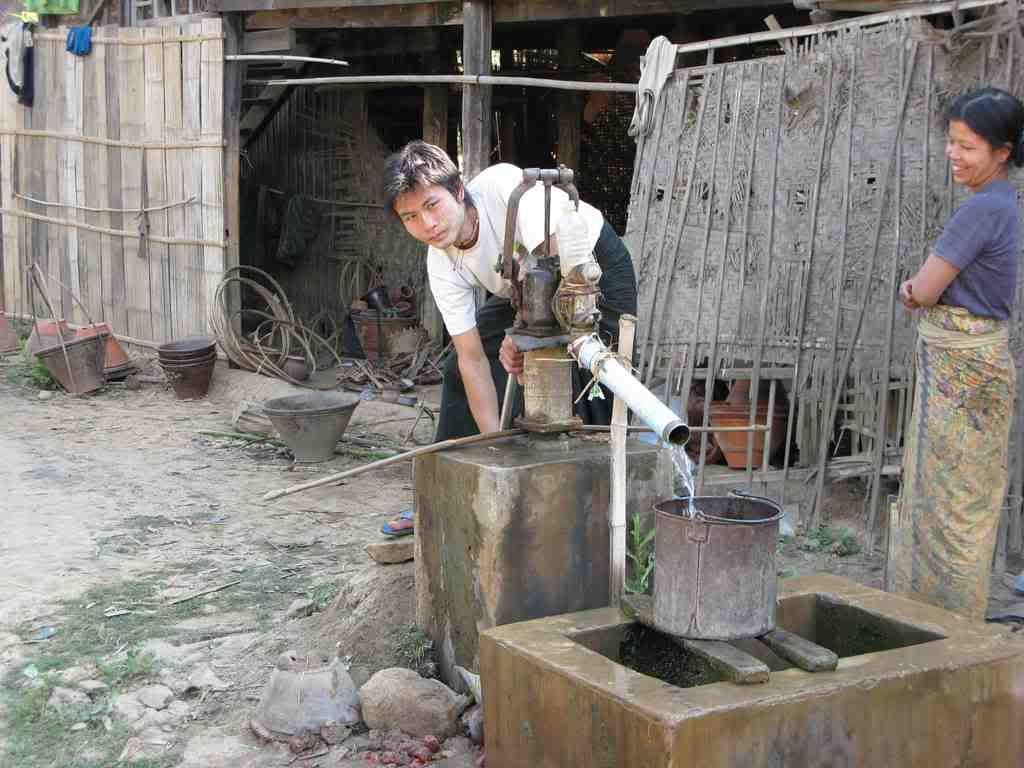 The Colorado Department of Public Health and Environment has confirmed the presence of Salmonella in the municipal drinking water of the City of Alamosa. Five out of six samples drawn from various areas served by the municipal water system have tested positive for Salmonella.
As of March 24th, 217 cases of suspected Salmonella illness have been reported to the public health authorities; 68 have been confirmed by lab tests.
The origin of the Salmonella contamination is unknown, but investigations are continuing. A three-stage flushing and disinfection of the entire water system was scheduled to begin yesterday. In the meantime, residents of the area are still under a "bottled water" order.
More Fallout From The Honduran Cantaloupe Recall
The Canadian Food Inspection Agency is alerting consumers in Quebec and Ontario to a recall of fruit salads containing cantaloupe from Agropecuaria Montelibano, the Honduran grower/packer whose cantaloupes have been implicated in a Salmonella outbreak in Canada and the United States.The fruit salads are being recalled by the manufacturer, Sun Rich Fresh Foods Inc., of Brampton, Ontario. They have been distributed at retail in Quebec and Ontario, and to food service establishments in Quebec, Ontario and the Maritimes. No illnesses have been linked to these products.
For more information on this recall, please read the CFIA notice, or visit the Sun Rich web site to download a copy of their news release.
Tuesday, March 25, 2008
Importer Recalls Honduran Cantaloupes
In the latest development in the case of the contaminated cantaloupes, Central American Produce, Inc. of Pompano Beach, FL has announced a recall of cantaloupes grown and packed by Agropecuaria Montelibano.The recalled cantaloupes have been implicated in an outbreak of Salmonella Litchfield that has sickened at least 50 people in the United States and 9 in Canada since the beginning of 2008. FDA first alerted consumers to the health hazard on March 22nd, when the agency issued an Import Alert. The Canadian Food Inspection Agency followed suit later the same day.
Melons have been shipped under various brand names, including "Mayan Pride" and "Mikes Melons". Some have been incorporated into fruit salads.
Charlie's Produce of Spokane, WA recalled several of its cut cantaloupe products on the weekend. While the recall notice stated that no illnesses have been associated with the company's products, The Washington Department of Health has reported 9 cases of Salmonella Litchfield infection.
If you have purchased cantaloupes and are unsure of their country of origin, check with the store. If you are experiencing any symptoms of Salmonella infection and have eaten cantaloupe recently, consult your family physician and be sure to mention the cantaloupe.
Don't Believe Everything You Read
 As I was browsing news items this morning, I came across the following headline on the "Food Poisoning Blog", a site sponsored and maintained by the law firm of Parker Waichman Alonso LLP.
Wondering how I could have missed this time, I immediate Google'd the topic and found the original news release – dated February 16, 2007 – on the Dole web site archive. This is old news. There is no recall of Dole cantaloupes in progress at this time.
The internet is notorious for the quantity of inaccurate information it carries. Nevertheless, I would have hoped that a law firm would have carried out at least a modicum of due diligence before posting such a potentially damaging item.
Shredded Mozzarella Recalled in Australia
Alba Cheese Manufacturing Pty. Ltd. is recalling a batch of shredded mozzarella cheese labelled with a Best Before date of 25/4/08. The cheese is contaminated with Listeria monocytogenes.
The shredded mozzarella is packaged in 3 kg. plastic bags and was distributed through delis, corner stores and pizza shops in the state of Victoria, Australia. Purchasers of the recalled cheese should return it to the store for a full refund.
Healthy adults usually suffer no more than a mild flu-like illness or mild gastroenteritis if infected with Listeria monocytogenes, but this microbe can be very dangerous to the elderly, the very young, the immunocompromised, and pregnant women. If you live in Victoria and have purchased shredded mozzarella, please check the packaging to determine whether or not your cheese has been recalled. If in doubt, throw it out.
The shredded mozzarella is packaged in 3 kg. plastic bags and was distributed through delis, corner stores and pizza shops in the state of Victoria, Australia. Purchasers of the recalled cheese should return it to the store for a full refund.
Healthy adults usually suffer no more than a mild flu-like illness or mild gastroenteritis if infected with Listeria monocytogenes, but this microbe can be very dangerous to the elderly, the very young, the immunocompromised, and pregnant women. If you live in Victoria and have purchased shredded mozzarella, please check the packaging to determine whether or not your cheese has been recalled. If in doubt, throw it out.
Monday, March 24, 2008
Taking Safe Water For Granted
It's easy for those of us who live in "developed" countries to assume that our drinking water is safe. But the Salmonella outbreak in Alamosa, CO has reminded us – yet again – that we cannot take the safety of our tap water for granted.
The Salmonella outbreak in Alamosa continues to grow. The tally of reported cases has reached 216, of which 68 have been confirmed by lab test results. While municipal health authorities haven't recovered Salmonella from the tap water, they have found some bacterial contamination, and are taking no chances. The town is under a "bottled water" order, and the entire municipal water system is scheduled to be flushed and disinfected beginning tomorrow morning. The process will take several days.
Alamosa is only the most recent municipality to experience an outbreak resulting from contaminated drinking water. In 1993, residents of Milwaukee, WI were the victims of a massive outbreak of watery diarrhea caused by Cryptosporidium contamination in the municipal drinking water supply. More than 400,000 people are thought to have been infected by this protozoan pathogen.
The most appalling outbreak of gastrointestinal disease caused by contaminated drinking water took place in Walkerton, Ontario in 2000. This outbreak of E. coli O157:H7 occurred as the result of a convergence of environmental conditions (heavy rains), incompetence, government cost-cutting, and outright fraud. The events leading up to the Walkerton outbreak were investigated in a formal Commission of Inquiry, which issued a multi-volume report.
Walkerton residents became inadvertent guinea pigs in a study of the long-term effects of E. coli O157:H7 on a population. This small Ontario town has been the object of a prospective health study, which is entering its final year. Health care workers have been monitoring residents for kidney function, blood pressure, and other tests for the last seven years.
According to the CDC, 30 waterborne disease outbreaks were reported in 2003 and 2004. Seven of the 30 outbreaks – resulting in 1,830 cases of illness – were traced to improperly treated or untreated drinking water. The 30 outbreaks produced a total of 2,760 illnesses, and 4 deaths.
The United States and Canada aren't the only "developed" countries that have experienced outbreaks of gastrointestinal disease due to contaminated drinking water. Incidents have also been reported in recent years in numerous countries, including Denmark, France, Italy, The Netherlands, and New Zealand.
For more information on water safety issues, please see the CDC report "Tap Water - Where Does It Come From and Is It Safe to Drink?"
The Salmonella outbreak in Alamosa continues to grow. The tally of reported cases has reached 216, of which 68 have been confirmed by lab test results. While municipal health authorities haven't recovered Salmonella from the tap water, they have found some bacterial contamination, and are taking no chances. The town is under a "bottled water" order, and the entire municipal water system is scheduled to be flushed and disinfected beginning tomorrow morning. The process will take several days.
Alamosa is only the most recent municipality to experience an outbreak resulting from contaminated drinking water. In 1993, residents of Milwaukee, WI were the victims of a massive outbreak of watery diarrhea caused by Cryptosporidium contamination in the municipal drinking water supply. More than 400,000 people are thought to have been infected by this protozoan pathogen.
The most appalling outbreak of gastrointestinal disease caused by contaminated drinking water took place in Walkerton, Ontario in 2000. This outbreak of E. coli O157:H7 occurred as the result of a convergence of environmental conditions (heavy rains), incompetence, government cost-cutting, and outright fraud. The events leading up to the Walkerton outbreak were investigated in a formal Commission of Inquiry, which issued a multi-volume report.
Walkerton residents became inadvertent guinea pigs in a study of the long-term effects of E. coli O157:H7 on a population. This small Ontario town has been the object of a prospective health study, which is entering its final year. Health care workers have been monitoring residents for kidney function, blood pressure, and other tests for the last seven years.
According to the CDC, 30 waterborne disease outbreaks were reported in 2003 and 2004. Seven of the 30 outbreaks – resulting in 1,830 cases of illness – were traced to improperly treated or untreated drinking water. The 30 outbreaks produced a total of 2,760 illnesses, and 4 deaths.
The United States and Canada aren't the only "developed" countries that have experienced outbreaks of gastrointestinal disease due to contaminated drinking water. Incidents have also been reported in recent years in numerous countries, including Denmark, France, Italy, The Netherlands, and New Zealand.
For more information on water safety issues, please see the CDC report "Tap Water - Where Does It Come From and Is It Safe to Drink?"
Honduran Cantaloupe - Let The Recalls Begin!
On Saturday, FDA issued an "Import Alert" on cantaloupes from the Honduran grower/packer Agropecuaria Montelibano. The cantaloupes have been implicated in an outbreak of Salmonella Litchfield in 16 US states and in Canada.Over the next few days, we can expect to hear about retail-level recalls of the suspect cantaloupes. The first one appeared this morning.
Charlie's Produce of Spokane, WA has announced a precautionary recall of "Charlie's Produce Brand Cut Cantaloupe Products". The products were distributed to retail stores and food service establishments in Montana, eastern Washington and Idaho. While no illnesses have been associated with these cut fruit salads, several of the recalled items may contain cut cantaloupe from Agropecuaria. Customers should return any of the items listed in the recall notice to the store for a full refund.
Please consult the FDA notice for a list of the recalled items, or call Mike Ruff, Charlie's Food Safety Director, at 206-625-1412 for details.
Sunday, March 23, 2008
World Water Day - March 22, 2008
Yesterday was World Water Day, so today seems like a good time for a few reminders of the importance of good sanitation and a safe drinking water supply. Here are some relevant news items from the last several days.International Society for Infectious Diseases: Cholera, Diarrhea & Dysentery Update
On March 20th, this weekly update reported on an outbreak of acute, watery diarrhea in Somalia and on cholera outbreaks in Viet Nam, Namibia, Angola and Somalia. Most of the outbreaks are linked to contaminated drinking water and poor hygiene.
People's Daily OnLine: "Provision of safe water 'top priority' "
On March 18th, Xu Wenhai, director of the Gansu water resources bureau, said, ". . . providing drinking water for every person is a social welfare concern that comes even before food." Xu was addressing the issue of water shortages and conservation programs in his province.
Washington State Department of Health - March 21st: "Low-cost loans help communities deliver better, safer water"
Washington State Department of Health - March 21st: "Ryderwood residents asked to boil water"
Colorado Department of Public Health and Environment - March 21st: "Officials Provide Update on Bottled Water Order"
Alamosa, CO has been experiencing a Salmonella outbreak due to a contaminated municipal water supply. As of March 21st, 138 cases of Salmonella illness have been reported; 47 have been confirmed by lab testing. The youngest victim is less than one year old; the oldest is 89. Seven of the victims have been hospitalized so far. A "bottled water" order is in effect until the municipal water supply has been flushed, disinfected, and confirmed to be safe.
World Health Organization - March 20th: "Poor sanitation threatens public health"
As part of the publicity build-up to World Water Day, the WHO has reminded us that 6 in 10 Africans lack access to a proper toilet. Of course, this problem isn't limited to Africa. We encountered some rather primitive toilet facilities in our travels through Myanmar.
Access to safe drinking water is especially critical – and extremely difficult – following natural or man-made disasters. Several solutions have been proposed to minimize the spread of diseases such as cholera, dysentery and typhoid.
- The Kisii Filter bucket uses a ceramic filter in an upper bucket to purify water, draining into a lower storage bucket, which is equipped with a spigot for convenient dispensing.
- LifeStraw is a personal drinking "straw" that is filled with a filtering bed. The filtering material incorporates a disinfectant that kills 99.999% of waterborne bacteria and nearly 99% of waterborne viruses - but not protozoan parasites such as Cryptosporidium. It has a total effective capacity of approximately 700 liters of water. A higher-capacity LifeStraw can filter 15,000 liters of water.
- Finally, a simple and inexpensive emergency stop-gap solution is to fold a finely-woven cloth (such as a sari) and filter water through the cloth. It's far less effective than either of the other two filtration methods, but is better than nothing. In a study carried out in Bangladesh, this simple technique cut the number of cholera cases in half.
An assured access to clean water is an essential human need. The warnings issued in Colorado and Washington States are reminders that safe water should never be taken for granted, even in highly developed countries.
Honduran Cantaloupe Update
Further to yesterday's announcement of the Honduran Cantaloupe recall due to a Salmonella outbreak, the Canadian Food Inspection Agency has now posted a "Health Hazard Alert" on its web site. Canadian consumers who have purchased cantaloupes since the beginning of 2008 should read this notice.
For US consumers, please check the FDA "Import Alert" notice, which was posted yesterday.
For US consumers, please check the FDA "Import Alert" notice, which was posted yesterday.
Saturday, March 22, 2008
Salmonella Hitches Ride On Honduran Cantaloupes
FDA has issued an import alert on cantaloupes from Agropecuaria Montelibano, a Honduran grower and packer. The cantaloupes are suspected of being the source of a Salmonella outbreak in the US and Canada.Notices have been sent to all FDA field offices that cantaloupes from this company are to be detained at the port of entry. Importers, produce processors, grocers and food service operators in the US have been notified to remove from stock any cantaloupes from Agropecuaria Montelibano. FDA is advising consumers who have purchased cantaloupes to call the store and ask about the country of origin and the name of the grower/packer.
According to the FDA notice, these cantaloupes are associated with an outbreak of Salmonella Litchfield that has sickened 50 people in 16 states and an additional 9 people in Canada. Fourteen of the victims have been hospitalized. If you have experienced symptoms of Salmonella infection and have eaten cantaloupe recently, contact your doctor. Please navigate to the FDA news release link (above) for additional details.
The Canadian Food Inspection Agency has also issued a health alert. According to the agency's email notice, the cantaloupes were sold in the following provinces:
- Federated Co-Op in the provinces of British Columbia, Alberta, Saskatchewan, Manitoba, North Western Ontario, Nunavut, Northwest Territories and Yukon;It's possible that the cantaloupes were distributed more widely in Canada. Illnesses tied to this outbreak have been reported in British Columbia, Alberta, Manitoba, Ontario and New Brunswick. Canadian consumers can obtain more information by calling Canada Safeway Limited at 1-800-SAFEWAY and CFIA at 1-800-442-2342 / TTY 1-800-465-7735. CFIA offices will be closed on Easter Monday, March 24th, but will reopen at 8:00am EDT Tuesday.
- Canada Safeway stores in the province of British Columbia only.
Contaminated PediaCol Recalled In Canada
Health Canada is warning parents to check the batch number of their PediaCol colic drops. Euro-Pharm International Canada has issued a recall of PediaCol drops, Lot No. PDC701 after Health Canada informed the company that this lot was contaminated with yeast.
PediaCol is used to treat the symptoms of colic in infants and young children. The agency warns that the contaminated yeast could cause severe reactions – nausea, vomiting, diarrhea, fever, weight loss, lethargy, coughing, or decreased appetite – especially in immunocompromised children.
If you have purchased this product, return it to the store for a full refund and discard and bottles used to store or administer the product. To report a suspected adverse reaction, contact the Canada Vigilance Program of Health Canada at 1-866-234-2345
PediaCol is used to treat the symptoms of colic in infants and young children. The agency warns that the contaminated yeast could cause severe reactions – nausea, vomiting, diarrhea, fever, weight loss, lethargy, coughing, or decreased appetite – especially in immunocompromised children.
If you have purchased this product, return it to the store for a full refund and discard and bottles used to store or administer the product. To report a suspected adverse reaction, contact the Canada Vigilance Program of Health Canada at 1-866-234-2345
Friday, March 21, 2008
Norovirus Visits Six Flags In Queensbury, NY?
The New York State Department of Health is investigating an outbreak of gastroenteritis among visitors to the Six Flag Resort in Queensbury, NY. The outbreak, which has sickened nearly 200 people so far, is believed to be caused by Norovirus.
The resort and indoor water park are undergoing extensive cleaning and sanitation, and two restaurants that are part of the resort complex – Trappers Buffet and the Tall Tale restaurant – have closed temporarily.
If you visited the result between March 7th and March 19th and need more information, please consult the Department of Health news release. To report an illness, contact the Department's call center at 1-800-278-2965.
The resort and indoor water park are undergoing extensive cleaning and sanitation, and two restaurants that are part of the resort complex – Trappers Buffet and the Tall Tale restaurant – have closed temporarily.
If you visited the result between March 7th and March 19th and need more information, please consult the Department of Health news release. To report an illness, contact the Department's call center at 1-800-278-2965.
Leafy Greens And Foodborne Illness
 Atlanta, GA has been hosting the 2008 International Conference on Emerging Infectious Diseases this week. In a March 17th presentation at the conference, CDC researcher Michael Lynch reported that leafy green vegetables have been increasingly associated with food-borne disease over the last 35 years.
Lynch and his colleagues compared the increased incidence of food-borne diseases associated with leafy greens against the change in per capita consumption of these vegetables for the periods 1986-1995 and 1996-2005. They discovered that the magnitude of the increase is far greater than can be explained by the increase in consumption.
Lynch reported that food-borne disease tied to leafy greens rose by 60% in 1986-1995 compared to the previous decade, while consumption rose by only 17%. Similarly, the incidence of leafy green-associated food-borne disease outbreaks rose by 39% in 1996-2005 compared to the decade before, while consumption increased by 9%. According to Lynch, the widespread nature of some of the outbreaks suggested that contamination occurred early in the production/distribution chain – maybe even at harvest.
There are several possible explanations for this spectacular increase in contamination of leafy green vegetables with Salmonella and E. coli O157:H7. In my opinion, one important reason is the juxtaposition of irrigated lettuce and spinach cropland and cattle feedlot operations.
The December 2007 issue of Emerging Infectious Diseases contained a report on the source of the large 2006 spinach-associated E. coli O157:H7 outbreak. The contaminated spinach was traced to a single farm in Central California. According to the investigation report, the pathogen was most likely carried to the spinach field from a nearby cattle pasture by feral swine.
There are, of course, other contributing factors to the rise in lettuce and spinach-associated outbreaks. A recent congressional oversight investigation into FDA's fresh spinach inspection activities found several serious problems, some of which may be due to chronic underfunding of the agency's food regulatory activities:
- FDA only inspects spinach fields when conducting a food poisoning outbreak investigation;
- FDA inspects spinach processors, on average, once every 2.4 years, far less than the agency's stated program goal of annual inspections;
- FDA relies too heavily on voluntary compliance, even after observing and documenting repeated violations; and
- FDA lacks the authority to insist that processors make their records available for review during an inspection.
Many food industry representatives, as well as some scientists and consumer advocates, have urged the FDA to approve irradiation of fresh produce as a solution to the problem of contaminated lettuce and spinach. While irradiated fresh produce might some day be as commonplace as pasteurized milk, I hope that regulators think long and hard before moving in this direction.
We've already see the Law of Unintended Consequences in operation with the use of modified atmosphere packaging of produce. Let's not create tomorrow's food safety hazard in the effort to resolve today's problem.
It's A Dog's Breakfast - Some Answers
Salmonella in kibble and pet treats
Anonymous (who posted on March 15, 2008 10:32 AM) is correct in pointing out that there have been recalls of kibble and pet treats due to Salmonella contamination. The following products were recalled because of Salmonella in 2007.
- Eight-in-One, Inc. recalled chicken jerky treats for dogs, cats and ferrets. There was one confirmed case of salmonellosis in a dog that was traced to these treats.
- Doane Pet Care recalled a single lot of 55 lb. bags of kibble after FDA found Salmonella in the product.
- Mars Petcare US, Inc. recalled a single lot consisting of 1620 5-lb. bags of kibble and three 50-lb. bags after FDA found Salmonella in the product. The recalled product was distributed in five states.
- Bravo recalled 18,000 pounds of its raw, frozen dog food due to Salmonella contamination.
Diet and Dental Disease
More than one reader stated that 80% of dogs develop periodontal disease by age 3. The only source for that statistic that I was able to find is the web site of Merial, a manufacturer of veterinary plaque-preventative gel.
I've identified several articles in scientific journals that address diet and its effect on the development of periodontal disease. I have quoted the main conclusions of these articles. The findings in these research studies show that a hard diet is better at preventing gingivitis and periodontal diseases than a soft diet, and that the most effective preventative of periodontal disease is regular brushing of the teeth and gums. Just as in humans, the mechanical brushing action stimulates and strengthens the gums.
Gorrel, C. 1998. Periodontal Disease and Diet in Domestic Pets. The Journal of Nutrition Vol. 128 No. 12, pp. 2712S-2714S.
"Daily toothbrushing remains the single most effective way of maintaining clinically healthy gingivae."
Gawor, J.P., et al. 2006. Influence of Diet on Oral Health in Cats and Dogs. The Journal of Nutrition Vol. 136, pp. 2021S-2023S.
"These results indicate that feeding a dry food diet has a positive influence on oral health, decreasing the occurrence of mandibular lymphadenopathy, dental deposits, and periodontal disease in cats and dogs."
Clarke, D.E. and A. Cameron. 1998. Relationship between diet, dental calculus and periodontal disease in domestic and feral cats in Australia. Australian Veterinary Journal. Vol. 76 No. 10, pp. 690-693.
The following is the complete Abstract of the journal article. I do not have access to the full article:
"OBJECTIVE: To compare the dental calculus scores and prevalence of periodontal disease in domestic cats eating commercially available canned and dry foods with those in feral cats consuming a diet consisting of small mammals, birds, reptiles and insects. ANIMALS: Twenty-nine feral cats and 20 domestic cats were included in the study. PROCEDURE: A dental chart and dental calculus scores were recorded using the maxillary canine, maxillary third and fourth premolar, mandibular canine, mandibular fourth premolar and first molar teeth on both sides. Periodontal disease was recorded using gingival recession, increased periodontal pocket formation, radiographic alveolar bone loss, osteomyelitis, furcation and root exposure, and the presence of calculus as indicators. RESULTS: Dental calculus scores were significantly higher in domestic cats than in feral cats. There was no statistical difference in the prevalence of periodontal disease between the two groups. CONCLUSIONS: It can be inferred that diet may play a role in the accumulation of calculus, but a diet based on live prey does not protect cats against periodontal disease."
Giardia
One commenter, referencing a 1995 article, questioned whether humans and animals shared the same species of Giardia. I have responded to this already, but will repeat my reply here for the convenience of those who might have missed it.
The 1995 reference has been superseded by more recent research. Please see the following direct quotations from the article Abstracts:These references make it clear that humans and dogs can and do share some of the same species of Giardia. Furthermore, the articles provide strong epidemiological evidence that dogs and cats can transmit Giardia to humans. The main outstanding question appears to be the frequency of such transmission.
Eligio-García L., et al. 2005. Genotype of Giardia intestinalis isolates from children and dogs and its relationship to host. Parasitology Research, Vol. 97, No. 1, pp. 1-6.
"In this study, genotype A was associated with samples from children and dogs, and, therefore, we could infer zoonotic transmission as a way of getting the disease."
Lalle, M., et al. 2005. Genotyping of Giardia duodenalis from humans and dogs from Mexico using a beta-giardin nested polymerase chain reaction assay. Journal of Parasitology Vol.91, No. 1, pp. 203-205.
"The presence of cysts of the A1 and A3 genotypes in isolates from pet dogs is consistent with their role as reservoirs for human infection, although further studies are needed to confirm the occurrence of zoonotic transmission."
Thompson, R.C. 2004. The zoonotic significance and molecular epidemiology of Giardia and giardiasis. Veterinary Parasitology Vol. 126, No. 1-2, pp.15-35.
"The greatest risk of zoonotic transmission appears to be from companion animals such as dogs and cats, although further studies are required in different endemic foci in order to determine the frequency of such transmission."
Traub, R.J., et al. 2003. Humans, dogs and parasitic zoonoses – unravelling the relationships in a remote endemic community in northeast India using molecular tools. Parasitology Research, Vol. 90, Suppl. 3, pp. S156-7.
"The zoonotic potential of canine Giardia was also investigated by characterising Giardia duodenalis recovered from humans and dogs living in the same locality and households, at three different loci. Phylogenetic and epidemiological analysis provided compelling evidence to support the zoonotic transmission of canine Giardia."
Prevalence of bacterial pathogens in the human food supply
Several "Anonymous" comments mentioned – without providing any supporting evidence – that 80% of food for human consumption is contaminated with Salmonella. That number is grossly overstated. Except for raw poultry, no food products – not even other raw foods – come even close to that incidence of contamination.
It might sometimes seem, as a result of the all too frequent occurrence of pathogen-related food recalls, that our food supply is highly contaminated with Salmonella, Campylobacter, Listeria monocytogenes and E. coli O157:H7. But this is a false impression. Here are some examples of data from research reports. Please click on the live links to access the reports directly.
Consumer Reports published the results of a survey of raw poultry for bacterial pathogens. They found that 83% of fresh, whole broiler chickens purchased at retail stores in the United States were contaminated with Salmonella or Campylobacter, the two leading causes of food poisoning.
The incidence of Salmonella in US shell eggs is estimated at one in 20,000 eggs, or 0.005%, according to a research report published in the International Journal of Food Microbiology in 2000.
A survey of raw domestic and imported seafood published in 2000 in the Journal of Food Protection found that 10% of imported raw seafood contained Salmonella; the incidence in domestic raw seafood was 2.8%.
Several more questions and comments posted by readers remain to be answered. I am working on those answers and will post more information in the next few days.
Thursday, March 20, 2008
Alfalfa Seeds Sprout Salmonella in Los Angeles
The California Department of Health is advising consumers that Kowalke Family brand alfalfa sprout products may be contaminated with Salmonella.
Kowalke recalled its alfalfa, onion/alfalfa mix, cauliflower/alfalfa mix and dinner salad mix products after Salmonella was detected in seeds used to produce the sprouts. The recalled products are labeled with "Sell By" dates of March 4 through March 26 and are sold in Farmer’s Markets food chain stores, Whole Foods Markets and Gelson’s Supermarkets.
Consumers who have purchased the recalled sprout products should either discard them or return them to the place of purchase for a refund.
Waterborne Salmonella Outbreak - Alamosa, CO
The Valley Courier reported yesterday that health officials were searching for a common source of a week-long Salmonella outbreak in Alamosa. Late yesterday, Alamosa City residents were told by the Colorado Department of Health to stop using their tap water for drinking and cooking.The first indications of the Salmonella outbreak appeared last Wednesday. As of yesterday, 33 confirmed cases of salmonellosis have been logged and an additional 46 are under investigation. Residents of Alamosa – and any recent visitors – who experience symptoms of Salmonella illness should consult their health care providers.
Alamosa County is located in the San Luis Valley of Colorado, an agricultural and recreational area of the state. Health officials don't yet know – and may never discover – the origin of the municipal water supply's contamination. The municipality will be flushing its entire potable water system to remove the contaminant. The "bottled water" advisory will remain in effect until the flushing is complete and testing confirms that the tap water is once more safe to drink.
Details of the bottled water advisory can be found in the Colorado Department of Health news release.
Wednesday, March 19, 2008
Salmonella-Contaminated Dog Treats: Follow-Up
The Calgary Herald printed an interview today with Brandon Jacklin, the 13-year old boy who fell victim to the Salmonella-contaminated Rollover pet treats that were recalled last week.About six weeks ago, according to the newspaper article, Brandon suddenly came down with a high fever, severe diarrhea and vomiting. His symptoms were so severe that his parents took him to a local urgent-care center. He was rehydrated and then sent home (with instructions to return if his condition worsened) after the initial tests did not reveal the cause of his symptoms. The next day, Brandon was worse, and doctors ordered more tests.
Later that same week, Brandon's parents received an urgent call from the Calgary Health Region. The official advised them that Brandon was infected with two different – and rare – strains of Salmonella. The family's two dogs were also showing symptoms. The source of the Salmonella proved to be Rollover Pork Tenders Premium Dog Treats.
It's unclear exactly how Brandon became infected – by handling the treats or by handling the dogs. The article doesn't mention whether Brandon or the dogs became ill first. Either way, this incident highlights the importance of washing one's hands – and teaching children to do so correctly – after handling our dogs, their food and their treats.
The manufacturer has posted a recall notice on its web site, along with telephone numbers and an email address to obtain additional information about the recall.
Cruel And Unusual Punishment - A Captive Audience
Last month, 31 inmates of the Alternative Sentencing Unit of the Larimer County jail in Colorado were hit with an unexpected additional punishment – diarrhea, cramps and nausea. Now we know why.According to a report in The Coloradoan, state health officials have determined that the food poisoning outbreak was due to Clostridium perfringens. The perpetrator was a batch of chili that was cooled too slowly after it had been cooked, allowing the Clostridium perfringens spores to germinate and grow in the food.
The outbreak has resulted in a shake-up at the jail kitchen. Aramark, the food service contractor for the jail has replaced its on-site manager. The kitchen is now equipped with shallow pans for rapid cooling of large batches of foods, and digital thermometers to verify that foods are being held at safe temperatures.
Protracted cooling or unsafe storage of cooked foods – especially meat-based meals such as chili – is the most common trigger for Clostridium perfringens food poisoning, such as the St. Patrick's Day corned beef outbreaks of 1993. This microbe produces a spore that easily survives normal cooking temperatures. Unless food is cooled quickly, the spores revive and grow to levels that can cause illness.
Contrary to what our grandmothers have taught us, cooked food should never be allowed to cool to room temperature before placing in the refrigerator. For safety's sake, it should be cooled as quickly as possible to 4ºF or less. Otherwise, Clostridium perfringens might be an uninvited guest at the dinner table.
Tuesday, March 18, 2008
Salmonella In Santa Fe
The Flying Tortilla restaurant in Santa Fe, NM is the focus of a joint investigation by the New Mexico Department of Health and the state's Environment Department. Four patrons of the restaurant who ate there between mid-January and mid-February have been diagnosed with salmonellosis.
The strain of Salmonella responsible for the illnesses was not mentioned in the state's news release; it was described as a "rare strain". An inspection of the Flying Tortilla revealed that it was in compliance with all food hygiene rules and procedures.
A fifth individual also was diagnosed with Salmonella gastroenteritis in the same time frame, but had not eaten at the restaurant.Health authorities have not ruled out other sources of the mini-outbreak, but are continuing to investigate all possible explanations of the outbreak.
Philippines Hit With Typhoid Again
Channel NewsAsia reported this morning that residents of the island of Zumarraga in the central Philippines are suffering from an outbreak of typhoid. About 150 people have been hospitalized so far. Fortunately, no deaths have been reported.
This is the second typhoid outbreak in the Philippines so far this year. In February, the town of Calamba, south of Manila, experienced an outbreak that hospitalized nearly 1,500 people.
Health authorities suspect that the current typhoid outbreak is being spread through contaminated water. According to the Channel NewsAsia report, heavy rains carried raw sewage into the area's drinking water wells.
Typhoid, like cholera, can break out in areas hit by natural or man-made disasters – earthquakes, floods, tsunamis, war – that disrupt the supply of safe drinking water. I'm looking into some devices that can be used in these types of situations to provide a safer water supply, and will be reporting in the next few days on what I find.
This is the second typhoid outbreak in the Philippines so far this year. In February, the town of Calamba, south of Manila, experienced an outbreak that hospitalized nearly 1,500 people.
Health authorities suspect that the current typhoid outbreak is being spread through contaminated water. According to the Channel NewsAsia report, heavy rains carried raw sewage into the area's drinking water wells.
Typhoid, like cholera, can break out in areas hit by natural or man-made disasters – earthquakes, floods, tsunamis, war – that disrupt the supply of safe drinking water. I'm looking into some devices that can be used in these types of situations to provide a safer water supply, and will be reporting in the next few days on what I find.
Smoked Deli Meats Recalled In Australia
The Australian government has alerted consumers to two recalls of smoked delicatessen meats due to the possibility of Listeria monocytogenes contamination.
The recalled products are:
The recalled products are:
- Farmwood Delicatessen Smoked Chicken Breast, Use By 10/04/08 (distributed in NSW, VIC, ACT)
- Courtway Continental Double Smoked Leg Ham, Deli Style Slices, Use by 04/04/08 (distributed in NSW, VIC, ACT, QLD)
Monday, March 17, 2008
Myanmar Sushi, Anyone?
According to this week's edition of The Myanmar Times, Yangon visitors and residents can now indulge in their craving for sushi and sashimi Thursdays through Sundays. The Shiki Tei restaurant, located in Yangon's Parkroyal Hotel, is offering an all-you-can-eat buffet for US$22.00.
If you want to take full advantage, though, you might want to avoid taking a walk through Yangon's city center fish market before you go.
If you want to take full advantage, though, you might want to avoid taking a walk through Yangon's city center fish market before you go.
Sunday, March 16, 2008
It’s A Dog’s Breakfast - Part 5: One Company’s Approach
 While I was gathering information for this series of articles, a reader pointed me towards Stella and Chewy's, of Muskego, WI, a small company that has adopted some innovative technology to produce its raw pet foods.
The founders of Stella and Chewy's, Marie Moody and Doug Siegal, consulted Dr. James Marsden of Kansas State University, who developed the company’s food safety processes. With Dr. Marsden’s guidance, Stella and Chewy’s have put in place a series of firewalls to help ensure the quality and safety of its products.
Human Grade Ingredients
All of the meat and poultry that goes into the company’s products comes from USDA-inspected plants, and are fit for human consumption.
Hygienic Operating Conditions
Devices that continuously produce an oxidizing vapor are located strategically in the processing area and freeze-dryers. The oxidizing vapor, which kills bacteria but is non-toxic to people, prevents a build-up of contaminants in the air and on work surfaces. In addition, the surfaces of incoming raw materials – especially the meat – are disinfected by exposure to ultraviolet light before further processing.
High Pressure Processing
This technology takes advantage of the relative sensitivity of bacteria and viruses to high pressure, such as is found in the depths of the ocean. High pressure processing kills microbes without using either heat or irradiation, leaving heat-sensitive nutrients intact.
HACCP
Hazard Analysis and Critical Control Points (HACCP) programs have been a mandatory part of many food processing operations for at least two decades. USDA has required the meat and poultry industry to develop and implement HACCP in federally inspected plants since the 1990s; this program, however is not mandatory for pet food manufacturers, which come under FDA's Center for Veterinary Medicine. Under HACCP, a processor must identify every microbiological or chemical hazard that may be associated with each product (Hazard Analysis), determine when and how that hazard can be eliminated or controlled (Critical Control Points), and establish ways to document that the hazard has been controlled in every production batch.
Stella and Chewy’s “4-H” approach is supplemented by a sampling program that includes microbiological testing of every production batch for Salmonella and E. coli O157:H7 by an independent lab. The test results for each production batch are posted on the company’s web site. According to Dr. Marsden, who wrote Stella and Chewy’s HACCP program and developed their food safety processes, the company’s program “...is one of the most innovative and well designed in the nation.”
I haven’t had the opportunity to visit Stella and Chewy’s pet food facility. And, since I no longer have a microbiology lab, I can’t test their products for microbiological contamination myself. Nevertheless, I believe this company is trying hard to produce raw pet food products that are microbiologically safe.
But microbiologically safe raw food is expensive. A 6-ounce package of 12 freeze-dried “steaks” sells for approximately $11.00 (the price varies to a minor degree, depending on the retailer). A one-pound package, which contains 32 “steaks”, costs almost $26.00.
According to Stella and Chewy’s, the recommended daily portion for a 60-pound dog is 12 steaks. This translates to nearly $70.00 per week to feed one dog about the size of a Labrador retriever. Based on US government statistics, that’s enough to feed two five-year old children for a full week. That same dog can be fed a top-quality kibble for less than $50.00 per month.
Pet owners who are trying to choose a healthy diet for their four-legged companions are confronted with a confusing smorgasbord of competing claims and dogmas. Canned food or kibble? Raw food or cooked? White rice or brown? How much fat? How much fiber? How to decide?
In presenting this series of articles, I have tried to help clarify some of the confusion over the nutritional and safety issues surrounding raw pet food diets. I welcome your questions and comments, and will be happy to answer them in follow-up articles.
The Stage Goes Dark Again
For the second time in two years, New York's Stage Delicatessen has been closed temporarily for health violations. According to the New York City Health Department, "multiple violations" – including a "severe vermin infestation" – were found during an inspection of the restaurant on Wednesday, March 12th. The Stage was allowed to remain open for 48 hours while it corrected the infractions. But upon reinspection on March 14th, several violations remained, and the restaurant was closed.
The Stage Deli, a New York icon, had a previous run-in with City health authorities in 2006. The restaurant was cited for several violations, including live roaches, a malfunctioning refrigerator, inadequate garbage storage and food stored at improper temperatures.
Increasingly, consumers have the ability to vote with their feet on restaurant sanitation issues. New York City maintains a web site for consumers to search for the latest inspection scores of their favorite restaurants. Harris County, TX (Houston area) instituted a similar service last month.
Many municipal and county health offices in the US and Canada require restaurants to post their inspection score in a conspicuous place in the establishment. And the UK's Food Standards Agency is moving in the direction of a nationwide "Scores on Doors" scheme to make inspection scores easily available to restaurant patrons.
The Stage Deli will likely reopen on Monday, if it can deal with the remaining health violations. In the meantime, corned beef and pastrami afficionados will find Carnegie's – which was last closed for health violations in 2004 – just a block or so away.
The Stage Deli, a New York icon, had a previous run-in with City health authorities in 2006. The restaurant was cited for several violations, including live roaches, a malfunctioning refrigerator, inadequate garbage storage and food stored at improper temperatures.
Increasingly, consumers have the ability to vote with their feet on restaurant sanitation issues. New York City maintains a web site for consumers to search for the latest inspection scores of their favorite restaurants. Harris County, TX (Houston area) instituted a similar service last month.
Many municipal and county health offices in the US and Canada require restaurants to post their inspection score in a conspicuous place in the establishment. And the UK's Food Standards Agency is moving in the direction of a nationwide "Scores on Doors" scheme to make inspection scores easily available to restaurant patrons.
The Stage Deli will likely reopen on Monday, if it can deal with the remaining health violations. In the meantime, corned beef and pastrami afficionados will find Carnegie's – which was last closed for health violations in 2004 – just a block or so away.
Saturday, March 15, 2008
It's A Dog's Breakfast - Part 4: What's In It For Fido?
 We hear a lot of claims from promoters of raw meat diets about the nasty ingredients in kibble and canned pet foods – binders, stabilizers, meat from diseased animals, corn and other grain fillers. In fact, many dog foods, especially the lower-priced products, leave much to be desired. But what, exactly, is in a “raw food diet”? Is it more nutritious than the best commercial “cooked” diets? Is it safe?
The BARF Diet
Dr. Ian Billinghurst is a pioneer in the field of raw pet foods. He published his first book, "Give Your Dog a Bone: The Practical Commonsense Way to Feed Dogs for a Healthy Life" in 1993.
Dr. Billinghurst's book introduced many pet owners to the concept of the "Biologically Appropriate Raw Food" diet, which was an attempt to mimic the natural diet of the dog's wild ancestor – the wolf. The original BARF diet comprised raw meaty bones (usually chicken wings and backs, but sometimes beef, lamb or wild game, including venison), raw eggs, pureed raw fruits and vegetables, and the occasional dollop of yogurt.
The BARF diet, while embraced by some dog owners, was daunting to others. Several years ago, Dr. Billinghurst simplified BARF by introducing a commercial product line, consisting of frozen patties, which is sold through a web site named BARFWorld. The line of products includes "Beef Offal", "Beef Tripe", and "Chicken and Bone Mince" patties. BarfWorld also sells nutritional supplements and "Fruit and Veggies Nuggets".
In 2004, BARFWorld announced that it would be conducting nutritional research “...on the best possible means of feeding our companion animals,” and asked for volunteers to participate in the study. Twenty-eight dog years later, we’re still waiting for the first word on this study.
Raw Meaty Bones Diets
Dr. Billinghurst isn’t the only advocate of raw feeding. At about the same time that he introduced the BARF diet, another group of Australian veterinarians began to promote a different Raw Meaty Bones (RMB) diet. Other raw diet disciples have chimed in with their own variations. All of the diets are built on a foundation of raw poultry or raw meaty bones.
A Balanced Diet?
A supporter of homemade (raw or cooked) diets said in 2003,
“... feeding home-prepared cooked or raw diets has not been proven to control medical problems, based upon prospective, double-blind, statistically significant clinical trials.”This is still true in 2008. I have searched the scientific journals using PubMed, a search engine service of the U.S. National Library of Medicine, and have not found a single report of even a small, prospective feeding trial.
One study, published in 2001, attempted to address the nutritional content of raw diets. It compared three homemade and two commercial raw diets against the guidelines recommended by the Association Of American Feed Control Officials (AAFCO). The study was inconclusive for several reasons:
- calculation errors, especially of the levels of vitamin D in the diets, forced the authors to publish a correction;
- the study comprised just a single sample of five different diets - not enough to account for day-to-day variation, especially of the homemade diets; and
- its conclusions relied strictly on lab analysis, which cannot predict the extent to which the nutrients can be digested and absorbed.
Many pet owners who are considering switching to a raw diet, especially one based on poultry, worry about Salmonella and other food poisoning bacteria. And they have good cause for concern. According to the USDA, 45% of raw ground chicken and 11.4% of whole broiler carcasses in the US are contaminated with Salmonella.
I searched the scientific literature and found three articles that specifically analyzed raw meat diets for bacterial contamination. These studies were limited in size and scope, but the results were consistent.
1. Joffe, D.J. and D.P. Schlesinger. 2002. Preliminary assessment of the risk of Salmonella infection in dogs fed raw chicken diets. Canadian Veterinary Journal, vol. 43 (June), pp. 441-442.
In this preliminary study, the authors tested 10 samples of homemade BARF diets for Salmonella. Eight of the 10 samples contained Salmonella, as did the feces of 3 of the 10 dogs that had been fed the BARF diet.
2. Weese, J.S., et al. 2005. Bacteriological evaluation of commercial canine and feline raw diets. Canadian Veterinary Journal, vol. 46 (June), pp. 513-516.
This study examined samples from 25 commercial raw diets. Fifteen of the 25 samples contained Escherichia coli (but not E. coli O157:H7), 5 samples (20%) contained Salmonella, and 5 contained Clostridium perfringens, another food poisoning bacterium.
3. Strohmeyer, R.A., et al. 2006. Evaluation of bacterial and protozoal contamination of commercially available raw meat diets for dogs. American Veterinary Medicine Association Journal, vol. 228, no. 4, pp. 537-542.
In this yearlong study, 240 samples of commercial raw meat diets were examined for E. coli, Salmonella and Campylobacter. The researchers did not find any Campylobacter, but detected E. coli in just about every sample, and Salmonella in 17 of the 240 samples.
Many producers of commercial raw food diets acknowledge that their products may contain harmful bacteria. Some, such as Nature's Variety, provide their customers with handling instructions to minimize the risk of transmission.
But one raw pet food company has gone several steps farther. To find out more, watch for Part 5 of this series, “One Company’s Approach”, which will appear on Monday, March 17th.
Friday, March 14, 2008
Raw Milk Contaminated with Listeria monocytogenes - Pennsylvania
The Pennsylvania Department of Agriculture is warning consumers against drinking raw (unpasteurized) milk from Fisher's Dairy farm in Portersville, PA. A sample of the raw milk was tested by the Department of Agriculture and was found to contain Listeria monocytogenes.
According to the Pennsylvania news release, Fisher's Dairy gave up its state permit to sell unpasteurized milk in 2006. Recently, though, it has begun to sell raw milk again – without a permit.
If you have purchased raw milk from this dairy, please discard it. If you develop any flu-like or gastrointestinal symptoms in the next several weeks and have consumed raw milk from this dairy, please inform your doctor. Listeria monocytogenes can be a very serious – and sometimes fatal – pathogen, especially for the elderly, the immunocompromised, young children and pregnant women.
According to the Pennsylvania news release, Fisher's Dairy gave up its state permit to sell unpasteurized milk in 2006. Recently, though, it has begun to sell raw milk again – without a permit.
If you have purchased raw milk from this dairy, please discard it. If you develop any flu-like or gastrointestinal symptoms in the next several weeks and have consumed raw milk from this dairy, please inform your doctor. Listeria monocytogenes can be a very serious – and sometimes fatal – pathogen, especially for the elderly, the immunocompromised, young children and pregnant women.
Icybay Cooked Langostinos Recalled - Listeria monocytogenes
FDA has alerted consumers to a batch of cooked, ready to eat, frozen Langostinos that may be contaminated with Listeria monocytogenes. Slade Gorton & Co is recalling the "Icybay" langostinos, which are labeled with a UPC of 0-73129-61672-8 and an expiration date of June 2009. No illnesses have been reported. Wholesale packaging with production dates of July 18, 2007 through August 13, 2007 or Julian dates of 199 through 232 are also affected.
The recall was triggered by a report from the Canadian Food Inspection Agency that a sample tested by that agency appeared to contain L. monocytogenes. FDA is investigating, and Slade Gorton is submitting samples of the production batch to an independent lab in the US to verify the Canadian finding.
The recalled product has been distributed to wholesalers in Colorado, Connecticut, Indiana, Maine, Maryland, Massachusetts, Michigan, Minnesota, Nebraska, New Jersey, New York, North Carolina, Pennsylvania, Ohio, Oklahoma, Texas, Vermont, West Virginia and Wisconsin and to retail stores in Maryland and Massachusetts.
Please refer to the FDA news release for further details.
The recall was triggered by a report from the Canadian Food Inspection Agency that a sample tested by that agency appeared to contain L. monocytogenes. FDA is investigating, and Slade Gorton is submitting samples of the production batch to an independent lab in the US to verify the Canadian finding.
The recalled product has been distributed to wholesalers in Colorado, Connecticut, Indiana, Maine, Maryland, Massachusetts, Michigan, Minnesota, Nebraska, New Jersey, New York, North Carolina, Pennsylvania, Ohio, Oklahoma, Texas, Vermont, West Virginia and Wisconsin and to retail stores in Maryland and Massachusetts.
Please refer to the FDA news release for further details.
It’s A Dog’s Breakfast - Part 3: Getting Down To Cases
 Salmonella and Campylobacter jejuni are the two most common known causes of food-borne human gastrointestinal disease. Both of these microbes are often present in raw meats – especially in raw poultry.
Dogs and cats can carry these bacteria – often without showing any symptoms – and can pass these pathogens along to their human companions. To illustrate, the following is just a very small sampling of reported cases.
1. Wright, J.G., et al. 2005. Multidrug-resistant Salmonella Typhimurium in four animal facilities. Emerging Infectious Diseases, vol. 11, no. 8, pp. 1235-1241.
Salmonella-infected dogs and cats in 3 veterinary hospitals and in one animal shelter transmitted the infection to their handlers. Thirty-six out of 200+ animals and 18 out of 19 people (employees and clients of these facilities) were infected with Salmonella.
2. Sato, Y., and R. Kuwamoto. 1999. A case of canine salmonellosis due to Salmonella infantis. Journal of Veterinary Medical Science, vol. 61, no. 1, pp. 71-72.
A dog with watery diarrhea was diagnosed as being infected with Salmonella infantis. Soil samples taken from the garden in which the dog had been housed before it became ill also contained Salmonella infantis. The dog was treated with antibiotics and recovered.
3. Sato, Y., et al. 2000. Salmonella virchow infection in an infant infected by household dogs. Journal of Veterinary Medical Science, vol. 62, no. 7, pp. 767-769.
A 4 month-old infant, who was suffering from diarrhea, was diagnosed with salmonellosis. Salmonella virchow was found in the infant’s stool and in the feces of two of the three dogs that were living in the same house.
4. Cantor, G.H., et al. 1997. Salmonella shedding in racing sled dogs. Journal of Veterinary Diagnosis and Investigation, vol. 9, pp. 447-448.
Dogs can carry Salmonella without showing any signs of illness. In this study, Salmonella was found in the feces of 19 out of 30 sled dogs that were suffering from diarrhea, and from 18 out of 26 sled dogs that appeared perfectly healthy.
5. Koene, M.G.J., et al. 2004. Simultaneous presence of multiple Campylobacter species in dogs. Journal of Clinical Microbiology, vol. 42, no. 2, pp. 819-821.
Campylobacter jejuni, a human pathogen, was found in the feces of 12 dogs out of a group of thirty. Most of the 30 dogs showed no symptoms of infection.
6. Damborg, P., et al. 2004. Occurrence of Campylobacter jejuni in pets living with human patients infected with C. jejuni. Journal of Clinical Microbiology, vol. 42, no. 3, pp. 1363-1364.
Forty-five pet owners who were suffering from Campylobacter jejuni infection participated in a study of their pets. Eight of their pets - 4 dogs and 4 cats - were carriers of the same species of Campylobacter. In one case, the DNA fingerprint of the Campylobacter isolated from the human patient and the pet were identical.
7. Morse, E.V., et al. 1976. Canine salmonellosis: a review and report of dog to child transmission of Salmonella enteritidis. American Journal of Public Health, vol. 66, no. 1, pp. 82-84.
A dog became infected with Salmonella after drinking contaminated chicken broth, and experienced vomiting and diarrhea. A 16-month old child came into contact with the sick dog and developed a severe case of salmonellosis, requiring hospital treatment.
Reports such as these show conclusively that dogs and cats are able to carry and transmit harmful bacteria. Sometimes, the animals suffer from diarrhea or vomiting; sometimes, they show no apparent signs of illness. Either way, the Salmonella or Campylobacter that may be in your dog or cat’s feces or vomit can end up infecting you, a family member, or a friend.
Watch for Part 4 of this series, “What’s In It For Fido?”, which will appear on Saturday, March 15th.
Subscribe to:
Posts (Atom)


 Posts
Posts




