The UK's Food Standards Agency has alerted consumers to a recall of a batch of sesame seeds. The seeds, which are sold in 500g packages carrying a "best before" date of 23/10/08, are being recalled by Julian Graves Ltd.
The recall was initiated due to a risk that the sesame seeds might be contaminated with Salmonella. Consumers who have purchased the recalled seeds should return them to the store for a refund.
Friday, February 29, 2008


HSUS vs. USDA – A "Downer" Of A Story
With the Hallmark/Westland story getting more complicated every day, I decided it would be worthwhile to generate a time-line.
- December 23, 2003: A USDA lab diagnoses mad cow disease in the brain of a slaughtered "downer" cow. Eventually, the cow is discovered to have been imported from Canada (but that's another story).
- January 12, 2004: In response to the December mad cow discovery, USDA issues an Interim Final Rule that, among other things, bans the slaughter of "non-ambulatory" cattle for human consumption. This Interim rule is destined to remain in effect for 3 1/2 years.
- July 12, 2007: The Humane Society, in praising USDA's announcement of a permanent ban on the slaughter of most "downer" cows, expresses reservations about an amendment that opens a loophole. The Society's press release states:
"A complete “no downer” policy encourages better treatment of animals on the farm and during transportation to slaughter to avoid preventable injuries."
- July 13, 2007: USDA issues an "Affirmed Final Rule", which leaves in place most of the provisions of the Interim Final Rule, but which amends the total ban on "downer" slaughter. The amendment provides
"... that non-ambulatory disabled cattle that are offered for slaughter must be condemned but that FSIS inspection personnel will determine on a case-by-case basis the disposition of cattle that become nonambulatory after they have passed antemortem inspection."
- August 31, 2007: The USDA's Food Safety and Inspection Service (FSIS) issues Notice #56-07, advising its inspection staff of the Affirmed Final Rule and instructing inspectors to meet with meat establishment personnel in order to acquaint them with the provisions of the Affirmed Final Rule.
- October/November, 2007: The Humane Society of the United States carries out an undercover investigation at the Hallmark Meat Company and Westland Meat Company in Chino, CA, and provides the evidence to California law enforcement officials, but not to USDA.
- January 30, 2008: The Humane Society releases a videotape resulting from its investigation of Hallmark/Westland. The tape shows workers using a variety of inhumane actions to prod "downer" cattle back onto their feet.
- January 30, 2008: In response to the videotape, USDA suspends Hallmark/Westland Meat as a supplier to various federal food programs, including the School Lunch Program, and announces that it is opening an immediate investigation in to the company's actions. At the same time, the agency expresses regret that the Humane Society delayed releasing the results of its investigation to USDA.
- February 4, 2008: FSIS withdraws its inspectors from Hallmark/Westland Meat, effectively shutting them down.
- February 6, 2008: The Humane Society praises USDA's shutdown of Hallmark/Westland.
- February 15, 2008: The state of California files animal cruelty charges against two employees of Hallmark/Westland.
- February 17, 2008: USDA announces a 143 million pound recall of meat produced by Hallmark/Westland over a two-year period.
- February 22, 2008:Secretary of Agriculture Schafer criticizes the Humane Society for "sitting on" the incriminating videotape.
- February 27, 2008: The Humane Society initiates a lawsuit against USDA and FSIS.
- February 29, 2008: Contradicting the Humane Society's reasons for not informing USDA of its investigation sooner, District Attorney of San Bernardino County, stated in a telephone interview with Meatingplace.com that his office had not asked the Humane Society to withhold the information from USDA. On the contrary, he is quoted by Meatingplace.com as saying, "We recommended that they speak to USDA."
Myanmar: Maymyo Meat Market
With all the focus on meat inspection these days, I thought it would be interesting to stroll along with a local resident through the central meat, fish and poultry market of Maymyo, a mountain resort town 40 miles northeast of Mandalay while she plans her dinner for her family.
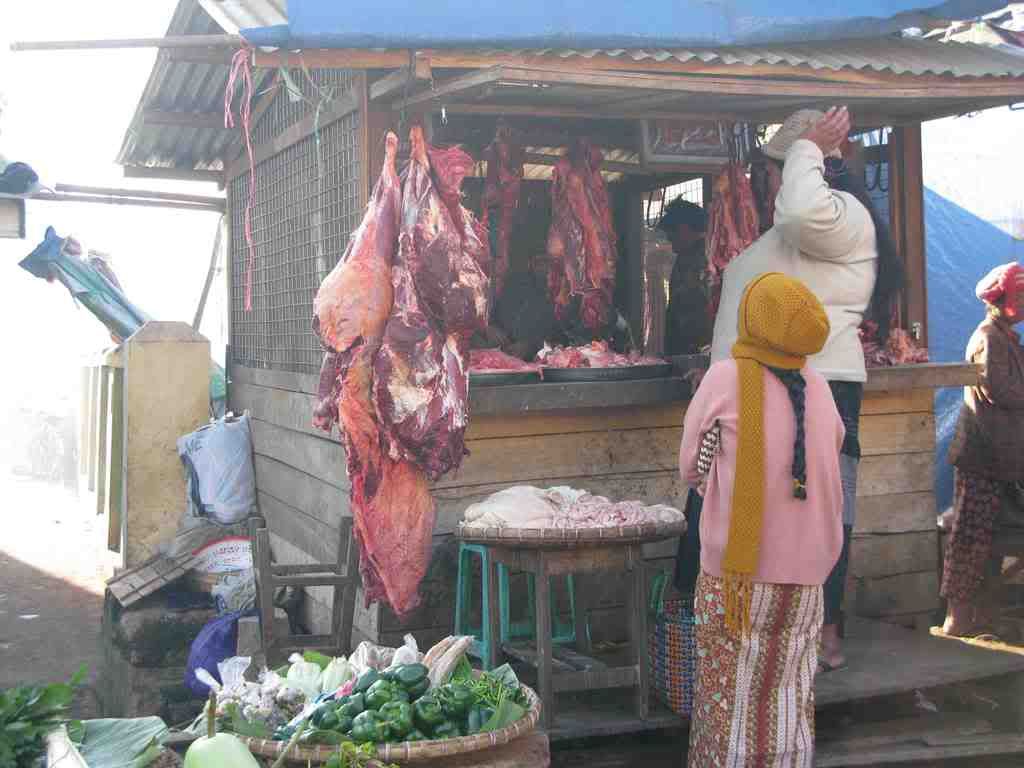
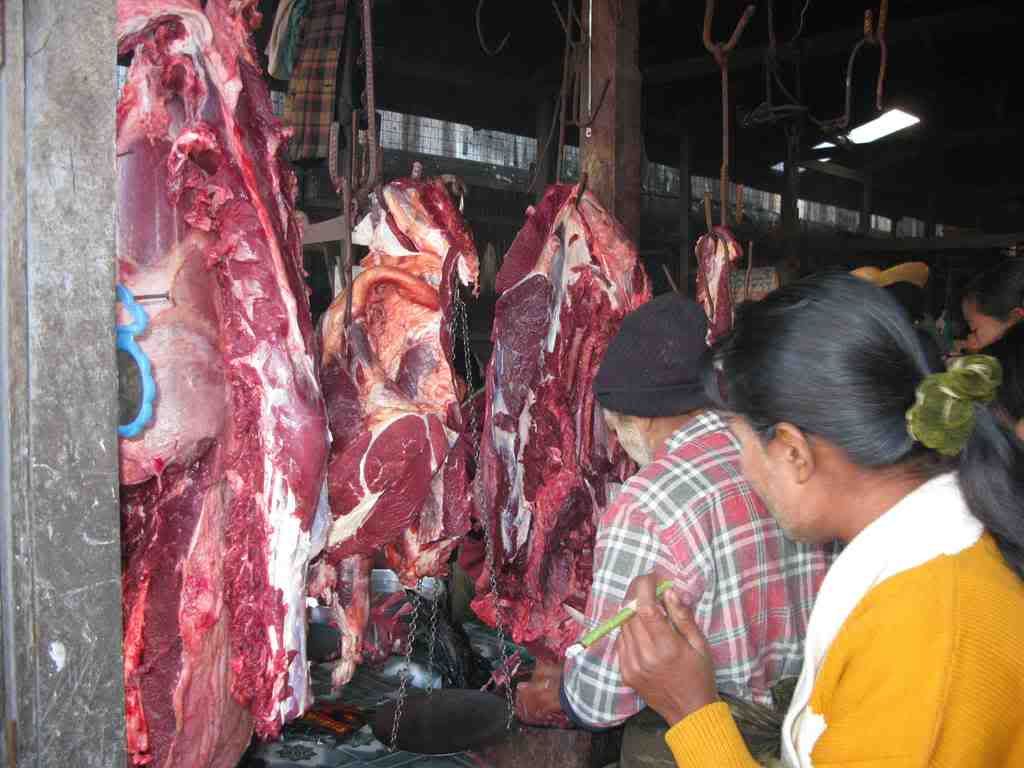
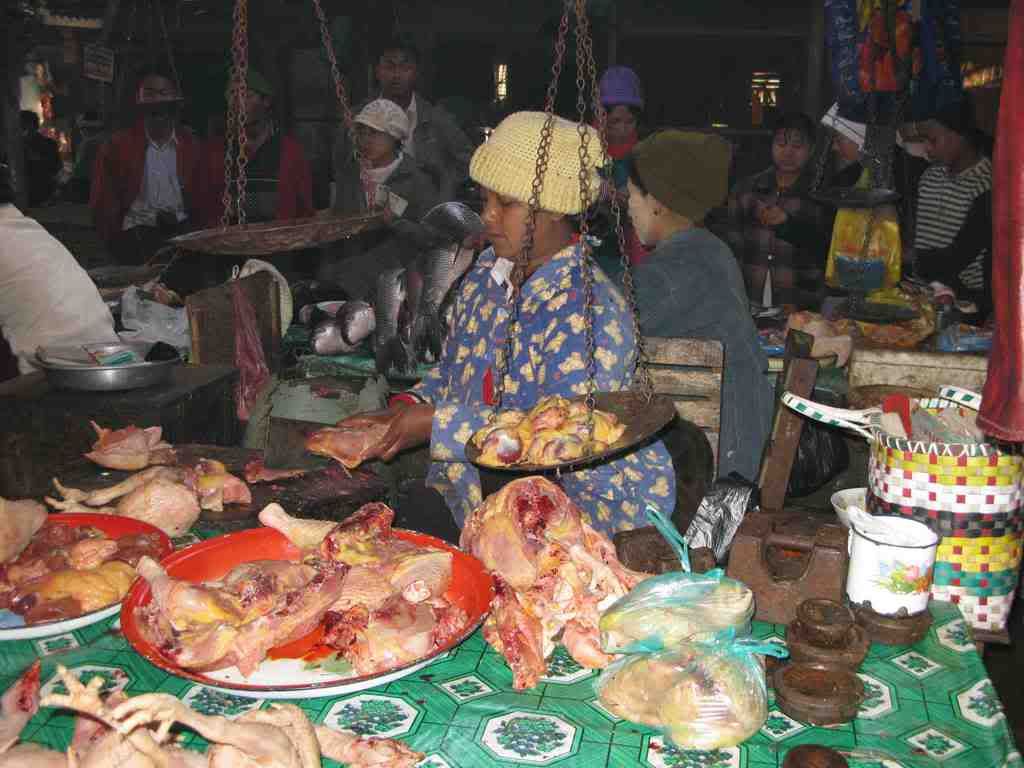
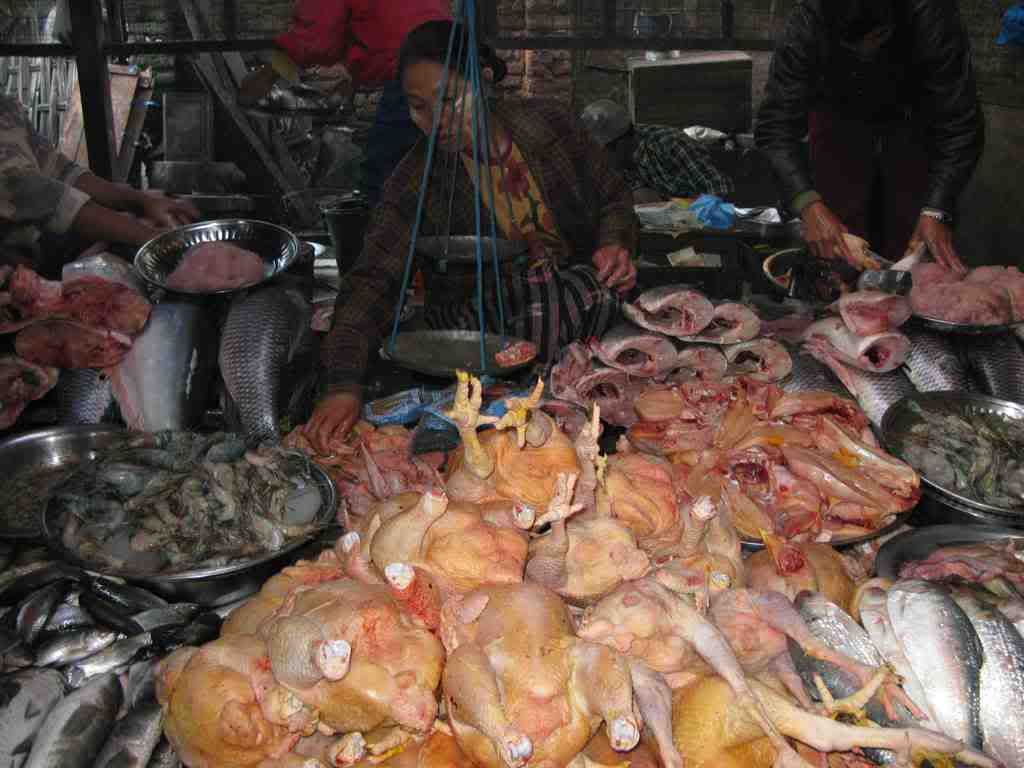
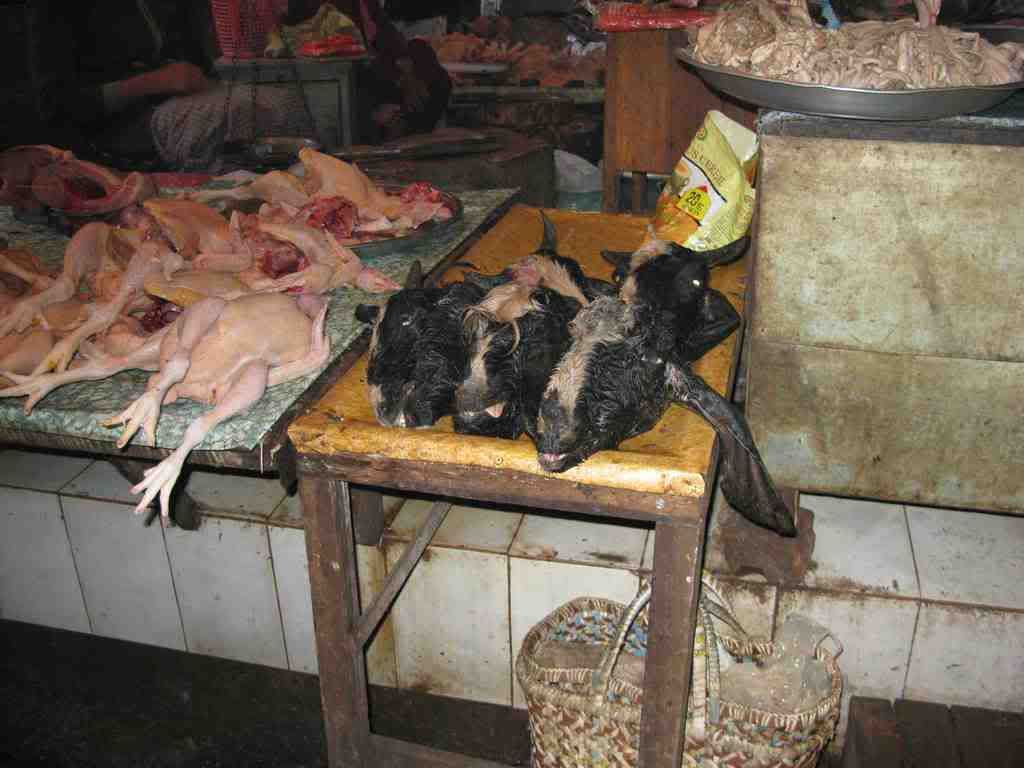
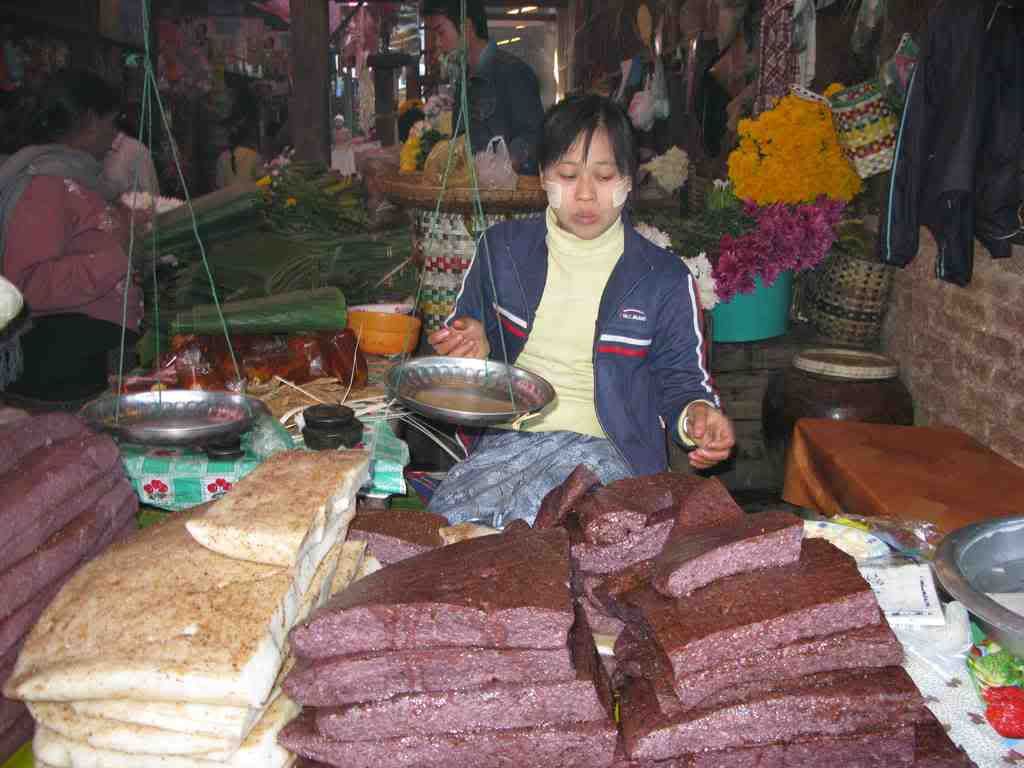

First, we encounter a typical meat stand
And stop for a closer look
Next, we wander over to a poultry stall
Perhaps a mixture of fish and chicken would make an interesting main course
On the other hand, chicken and goat might be a more appetizing combination
Bean curds might be a nutitious and tasty addition to the evening meal
And deli salads are always popular side dishes
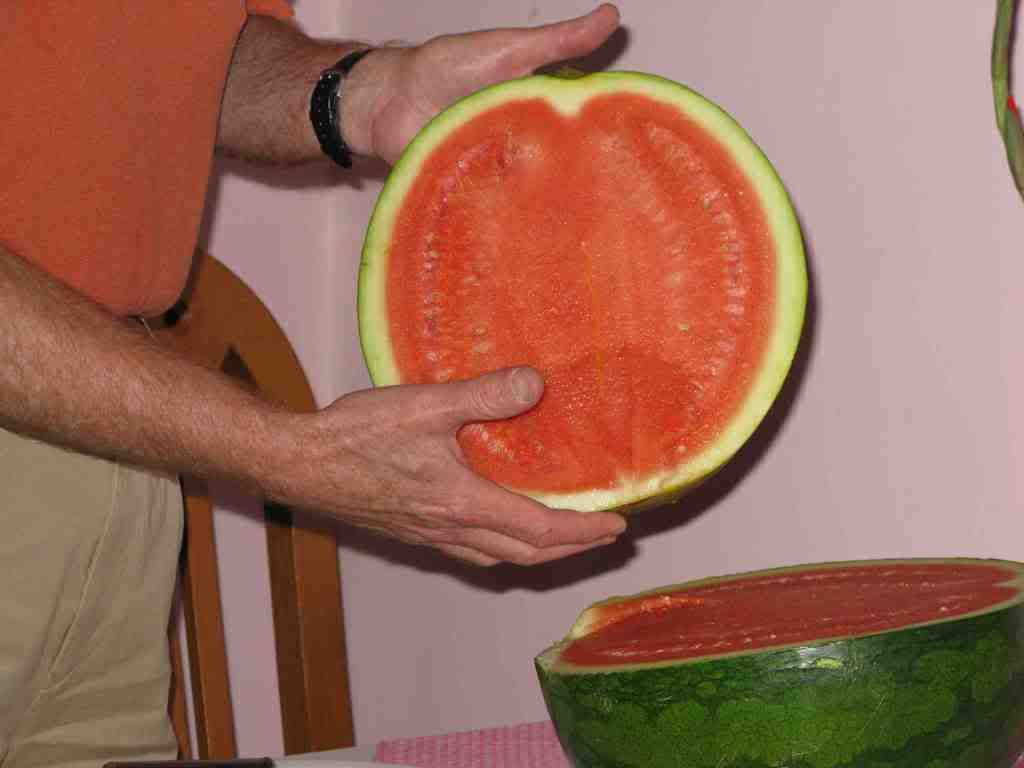
Dessert, as always, will be fresh fruit
Thursday, February 28, 2008
Bean Salad Recalled By Missouri Company
In what appears to be fall-out from the New Era Canning recall, Walker's Food Products Company of North Kansas City, Missouri has announced a recall of its Four Bean Salad, due to a risk of botulism.
The salad, which is sold under the name "Kay's Gourmet" (16 oz. packages) and under the Walker's Food Products name (5 lb. and 10 lb. containers), was shipped to distributors in Missouri, Kansas, Nebraska, and Iowa, for ultimate resale to restaurants and retailers.
Walker's recalled the Four Bean Salad after learning that some of the beans in the salad had been recalled by the manufacturer because of the possibility that the beans were contaminated with Clostridium botulinum.
There are several expiration dates included in this recall. Please check the FDA Press Release for details, or contact the company by telephone at 1-800-725-2372.
The salad, which is sold under the name "Kay's Gourmet" (16 oz. packages) and under the Walker's Food Products name (5 lb. and 10 lb. containers), was shipped to distributors in Missouri, Kansas, Nebraska, and Iowa, for ultimate resale to restaurants and retailers.
Walker's recalled the Four Bean Salad after learning that some of the beans in the salad had been recalled by the manufacturer because of the possibility that the beans were contaminated with Clostridium botulinum.
There are several expiration dates included in this recall. Please check the FDA Press Release for details, or contact the company by telephone at 1-800-725-2372.
Institutional Outbreaks On Three Continents
Australia: Just a few days after New South Wales released the disturbing results of an audit of hospital kitchens in that state, authorities in South Australia have closed the pediatric ward of an Adelaide hospital, according to a report on news.com.au today.
The action was taken following an outbreak of gastrointestinal illness that left 14 children and 3 staff members struggling with symptoms of diarrhea and vomiting. The symptoms are consistent with viral gastroenteritis, and health authorities suspect Norovirus.
The hospital has isolated victims of this outbreak, and has implemented infection control measures, according to Dr. John Turnidge, the director of the hospital's Division of Laboratory Medicine.
India: Daijiworld.com reported yesterday that 20 residents of a boy's high school in the village of Kukkundoor were taken to hospital as a result of an apparent outbreak of food poisoning. Eleven of the 20 victims were admitted. The boys began vomiting after breakfast, and suspicion has fallen on Tuesday evening's dinner as the source of the illness.
USA: WPTZ News reported this morning that three residents of the Horace Nye Nursing Home in Elizabethtown, N.Y. have died as the result of an outbreak of viral gastroenteritis – probably Norovirus. There was no indication of how many other patients or staff members may have been infected. The nursing home has been closed to the public until the outbreak has been eradicated.
Captive Audiences
Residents of nursing homes, boarding schools, assisted living facilities, and hospitals cannot control the way their food is prepared and handled. The responsibility for ensuring that meals are safe as well as nutritious rests with the management of these facilities and with the government agencies that oversee their operations. And the individuals charged with this responsibility are failing badly. In the United States alone, there were 762 outbreaks of gastroenteritis in long-term care facilities in the last three months of 2006 (the most recent data available from the CDC).
Some agencies, such as the State of Illinois Department of Public Health, periodically release a list of nursing homes that are in violation of government standards. Other government agencies – for example, the New South Wales Food Authority – protect the identity of failing institutions rather than releasing their names to the public.
There's something wrong with a system that makes it easier to learn the inspection history of a local restaurant in Southern California than to find out the sanitation track record of a hospital or nursing home.
The action was taken following an outbreak of gastrointestinal illness that left 14 children and 3 staff members struggling with symptoms of diarrhea and vomiting. The symptoms are consistent with viral gastroenteritis, and health authorities suspect Norovirus.
The hospital has isolated victims of this outbreak, and has implemented infection control measures, according to Dr. John Turnidge, the director of the hospital's Division of Laboratory Medicine.
India: Daijiworld.com reported yesterday that 20 residents of a boy's high school in the village of Kukkundoor were taken to hospital as a result of an apparent outbreak of food poisoning. Eleven of the 20 victims were admitted. The boys began vomiting after breakfast, and suspicion has fallen on Tuesday evening's dinner as the source of the illness.
USA: WPTZ News reported this morning that three residents of the Horace Nye Nursing Home in Elizabethtown, N.Y. have died as the result of an outbreak of viral gastroenteritis – probably Norovirus. There was no indication of how many other patients or staff members may have been infected. The nursing home has been closed to the public until the outbreak has been eradicated.
Captive Audiences
Residents of nursing homes, boarding schools, assisted living facilities, and hospitals cannot control the way their food is prepared and handled. The responsibility for ensuring that meals are safe as well as nutritious rests with the management of these facilities and with the government agencies that oversee their operations. And the individuals charged with this responsibility are failing badly. In the United States alone, there were 762 outbreaks of gastroenteritis in long-term care facilities in the last three months of 2006 (the most recent data available from the CDC).
Some agencies, such as the State of Illinois Department of Public Health, periodically release a list of nursing homes that are in violation of government standards. Other government agencies – for example, the New South Wales Food Authority – protect the identity of failing institutions rather than releasing their names to the public.
There's something wrong with a system that makes it easier to learn the inspection history of a local restaurant in Southern California than to find out the sanitation track record of a hospital or nursing home.
Nasty "Nasi Ayam" Hits Brunei
Teachers and librarians attending a seminar on "Electronic Resources" at the University of Brunei Darussalam this week were taught an involuntary lesson in food safety. Participants who lunched on nasi ayam (a chicken and rice dish) were rewarded with a bout of food poisoning.
According to a report on BruneiDirect.com, one of the victims, a teacher, described his experience.
The symptoms that this food poisoning victim described are very suggestive of either Staphylococcus aureus or Bacillus cereus. The very short incubation period is consistent with B. cereus, which has often been associated with food poisoning in rice-based dishes.
Both S. aureus and B. cereus produce heat-stable toxins, and do not cause any change to the appearance or taste of a food in which they have multiplied. The only protection against these microbes is careful attention to hand-washing when preparing food (especially for S. aureus, which is carried by a large fraction of the general population), and proper temperature control – something that we often found lacking in our travels through Southeast Asia.
According to a report on BruneiDirect.com, one of the victims, a teacher, described his experience.
"About two hours after eating it [the nasi ayam]," he said, "I started feeling dizzy and had a stomach ache. I started vomiting a lot and so my wife brought me to the emergency ward. It was here I met some other patients with food poisoning who also attended the seminar."The teacher added that the other victims he met at the emergency ward had also eaten nasi ayam, "which tasted quite good actually."
The symptoms that this food poisoning victim described are very suggestive of either Staphylococcus aureus or Bacillus cereus. The very short incubation period is consistent with B. cereus, which has often been associated with food poisoning in rice-based dishes.
Both S. aureus and B. cereus produce heat-stable toxins, and do not cause any change to the appearance or taste of a food in which they have multiplied. The only protection against these microbes is careful attention to hand-washing when preparing food (especially for S. aureus, which is carried by a large fraction of the general population), and proper temperature control – something that we often found lacking in our travels through Southeast Asia.
"Perfect Companions" Recalled In Australia
Chrystal and Co Pty Ltd has announced a recall of two products due to microbial contamination.
The company's "Perfect Companions Duo" and "Perfect Companions Quattro" acquired an unwelcome additional companion in the form of Listeria monocytogenes. The products, which are labeled with a "Use By" date of 07/04/08, were distributed through Woolworths/Safeway stores through various independent stores.
Listeria monocytogenes can cause a variety of symptoms, from very mild to extremely severe. Immunocompromised individuals, the elderly, children and pregnant women are at greatest risk of severe illness.
Listeria monocytogenes infection can be fatal. Please check the "Products Recall Australia" link for details, and return the recalled products to the place of purchase for a refund.
The company's "Perfect Companions Duo" and "Perfect Companions Quattro" acquired an unwelcome additional companion in the form of Listeria monocytogenes. The products, which are labeled with a "Use By" date of 07/04/08, were distributed through Woolworths/Safeway stores through various independent stores.
Listeria monocytogenes can cause a variety of symptoms, from very mild to extremely severe. Immunocompromised individuals, the elderly, children and pregnant women are at greatest risk of severe illness.
Listeria monocytogenes infection can be fatal. Please check the "Products Recall Australia" link for details, and return the recalled products to the place of purchase for a refund.
Wednesday, February 27, 2008
Once "Bitten" . . .
I've been following with interest "Bitten", a New York Times "Dining and Wine" blog by Mark Bittman. Today's "Recipe of the Day" is Fast Roast Chicken.
 My appetite for tender, juicy chicken was piqued by Bittman's opening paragraph. But my ardor quickly cooled as I read his instructions. My mental image of succulent poultry shifted to a more sinister scene – Salmonella.
Bittman's recipe calls for placing a whole chicken in a pre-heated heavy, oven-proof skillet, and roasting the bird for 30 minutes in a 450ºF oven. To his credit, Bittman uses an instant-read thermometer. But his temperature target of 155ºF is 10ºF too low for safety – especially if the cook elects to stuff the cavity. The USDA recommends cooking chicken to a minimum internal temperature of 165ºF.
Food columnists publish recipes with the expectation that people will want to try with them. Food safety information is readily available on the Internet. In my opinion, Mark Bittman and other food columnists have a responsibility to verify that the recipes they offer are consistent with generally recognized safe food practices.
Some readers might recall that I raised a similar issue with Martha Stewart last December. No one from her organization ever replied to my email.
My appetite for tender, juicy chicken was piqued by Bittman's opening paragraph. But my ardor quickly cooled as I read his instructions. My mental image of succulent poultry shifted to a more sinister scene – Salmonella.Bittman's recipe calls for placing a whole chicken in a pre-heated heavy, oven-proof skillet, and roasting the bird for 30 minutes in a 450ºF oven. To his credit, Bittman uses an instant-read thermometer. But his temperature target of 155ºF is 10ºF too low for safety – especially if the cook elects to stuff the cavity. The USDA recommends cooking chicken to a minimum internal temperature of 165ºF.
Food columnists publish recipes with the expectation that people will want to try with them. Food safety information is readily available on the Internet. In my opinion, Mark Bittman and other food columnists have a responsibility to verify that the recipes they offer are consistent with generally recognized safe food practices.
Some readers might recall that I raised a similar issue with Martha Stewart last December. No one from her organization ever replied to my email.
Honolulu Restaurant Serves Up E. coli O157:H7
Customers of Sekiya's Restaurant and Delicatessen were greeted yesterday with orange traffic cones in the parking lot and a sign on the door that read "Closed for maintenance. Sorry for the inconvenience".
According to the Hawaii State Department of Health, Sekiya's was the source of a small outbreak of E. coli O157:H7 last December. The restaurant was inspected as a result of the outbreak, and the Department of Health had worked with the restaurant owners to identify deficiencies in the restaurant's practices and operations. A follow-up inspection had confirmed that all major violations had been corrected. But a seventh case of bloody diarrhea, caused by the identical strain of E. coli O157:H7, was reported this month.
Sekiya's has discarded its existing stock of food and disposable items, is carrying out a ceiling-to-floor disinfection, and has hired a food safety consultant to help to train its employees in safe food handing. Management is also reviewing all of the restaurant's practices to make certain that it is in full compliance with the Department of Health's Food Code.
Hawaii struggles with a shortage of inspectors. The Honolulu Advertiser reports that there are only 12 inspectors covering the island of Oahu. These inspectors are responsible for 4,200 restaurants – just one inspector for every 350 restaurants – in addition to swimming pools, tattoo parlors, and any other establishments where sanitation might be an issue. Kauai has just three inspectors to oversee 600 restaurants; Maui has four, and the island of Hawaii makes do with seven inspectors to monitor 1,400 restaurants scattered over the Big Island. The state's inspection staff is spread so thin that it can do nothing more than respond to complaints and "put out fires", according to Peter Oshiro of the Department of Health.
As for Sekiya's it will reopen – after the Department of Health verifies its corrective actions and reinstates the restaurant's permit.
According to the Hawaii State Department of Health, Sekiya's was the source of a small outbreak of E. coli O157:H7 last December. The restaurant was inspected as a result of the outbreak, and the Department of Health had worked with the restaurant owners to identify deficiencies in the restaurant's practices and operations. A follow-up inspection had confirmed that all major violations had been corrected. But a seventh case of bloody diarrhea, caused by the identical strain of E. coli O157:H7, was reported this month.
Sekiya's has discarded its existing stock of food and disposable items, is carrying out a ceiling-to-floor disinfection, and has hired a food safety consultant to help to train its employees in safe food handing. Management is also reviewing all of the restaurant's practices to make certain that it is in full compliance with the Department of Health's Food Code.
Hawaii struggles with a shortage of inspectors. The Honolulu Advertiser reports that there are only 12 inspectors covering the island of Oahu. These inspectors are responsible for 4,200 restaurants – just one inspector for every 350 restaurants – in addition to swimming pools, tattoo parlors, and any other establishments where sanitation might be an issue. Kauai has just three inspectors to oversee 600 restaurants; Maui has four, and the island of Hawaii makes do with seven inspectors to monitor 1,400 restaurants scattered over the Big Island. The state's inspection staff is spread so thin that it can do nothing more than respond to complaints and "put out fires", according to Peter Oshiro of the Department of Health.
As for Sekiya's it will reopen – after the Department of Health verifies its corrective actions and reinstates the restaurant's permit.
Tuesday, February 26, 2008
Uneviscerated Chinese Fish Recalled
FDA announced today that Summit Import Corporation of Jersey City, NJ is recalling Sum Cheong Lung brand uneviscerated fish due to the risk that it might be contaminated with Clostridium botulinum. The sale of dried uneviscerated fish is not permitted in New York state, because C. botulinum spores tend to concentrate in the viscera.
The fish, which was imported from China and sold without lot number or "best before" coding in 12 oz. plastic bags, was distributed only in New York State.
Consumers who have purchased this product should return it to the store for refund.
The fish, which was imported from China and sold without lot number or "best before" coding in 12 oz. plastic bags, was distributed only in New York State.
Consumers who have purchased this product should return it to the store for refund.
Secretary of Agriculture Ed Schafer: "My customers are the children of this country."
Do we finally have a Secretary of Agriculture who "gets it"?
Secretary Schafer addressed a board meeting of the National Meat Association on February 22nd, just five days after USDA announced the recall by Hallmark/Westland Meat Packing Company of 143 million pounds of meat and the suspension of USDA contracts with the company. Some of his comments to this group of meat industry leaders would have been well received by a consumers' food safety advocacy group. Here are a few excerpts from the transcript of his speech:
Secretary Schafer addressed a board meeting of the National Meat Association on February 22nd, just five days after USDA announced the recall by Hallmark/Westland Meat Packing Company of 143 million pounds of meat and the suspension of USDA contracts with the company. Some of his comments to this group of meat industry leaders would have been well received by a consumers' food safety advocacy group. Here are a few excerpts from the transcript of his speech:
"But something happened here that wasn't right, and we need to get to the bottom of it."These are laudable sentiments, coming from the head of a government department that has a history of putting industry ahead of consumers. Let's hope that USDA actions match Secretary Schafer's words.
"My focus I guess or my motto throughout my time in public service is boiled down to something that's pretty simple: Do the right thing."
"And you can count on that from me and USDA today that we will do the right thing here, now and in the future as we go forward."
"To other nations, this event raises a concern about the safety of our food processing system and the fact that we can provide a reason for them to keep our markets closed for U.S. products in the trade agreements. The only way that we can ally that concern is a thorough and credible investigation to promptly take any corrective actions that are called for, and we will do so."
"(I)n 1862 when President Lincoln formed the USDA he called it the People's Department . . . because he said it touches so many people in so many different ways."
"And I'm reminded today that what (sic) I believe: My customers are are the children of this country."
Norovirus: A Special Kind Of Seasickness
According to an article in San-Diego's Union Tribune, the Holland American ship Ryndam left San Diego for a 10-day Mexican cruise on February 15th, with 1,226 apparently-healthy passengers and 556 crew members on board. By the time the ship returned to port yesterday, 104 of the passengers and 6 crew members had fallen ill with what is suspected to be Norovirus. One of the stricken passengers, an 81 year-old woman, was taken away by ambulance upon disembarking.
Norovirus is a highly infectious – though short-lived – disease, which is easily spread by hand-to-mouth contact. Victims usually suffer from nausea, vomiting and diarrhea. Symptoms, which can begin abruptly and with very little warning, typically last for 24-48 hours. The virus may continue to be shed by victims in their stools for as long as two weeks after they have apparently recovered.
According to the CDC, the Ryndam is the sixth ship to be hit with an outbreak of gastroenteritis so far this year. Norovirus has already been confirmed as the cause of four of the six oubreaks. In 2007, there were 23 gastroenteritis outbreaks on board ships calling at US ports. Sixteen were caused by Norovirus, including outbreaks during three consecutive sailings of the Ryndam last winter.
Cruise ships that call at U.S. ports are subject to inspection under the CDC Vessel Sanitation Program. The inspection scores and detailed reports are all available on the CDC web site, and it's wise to check this site when contemplating a cruise. The Ryndam was last inspected on December 13, 2007 and received a grade of 97 out of 100 (86 or higher is considered a "pass"). But a successful inspection cannot shield a ship from an embarking passenger who is carrying the virus.
Norovirus particles can survive on dry surfaces, such as deck rails, bathroom counter tops and eating utensils for days and – as I mentioned in my recent post about institutional Norovirus outbreaks – are resistant to many common disinfectants. Moist heat and chlorine bleach are the two most effective ways to kill the virus.
Cruise ship passengers are a captive audience – perfect targets for a virus such as Norovirus. The only protection against becoming infected with this virus during an outbreak at sea is to practice scrupulous personal hygiene. Frequent and thorough hand-washing is a must – before every meal, and after touching door handles, rails, elevator buttons, and other surfaces that might have been contaminated by an infected passenger.
For more information on cruising with Norovirus, check out the CDC's Norovirus web page.
Norovirus is a highly infectious – though short-lived – disease, which is easily spread by hand-to-mouth contact. Victims usually suffer from nausea, vomiting and diarrhea. Symptoms, which can begin abruptly and with very little warning, typically last for 24-48 hours. The virus may continue to be shed by victims in their stools for as long as two weeks after they have apparently recovered.
According to the CDC, the Ryndam is the sixth ship to be hit with an outbreak of gastroenteritis so far this year. Norovirus has already been confirmed as the cause of four of the six oubreaks. In 2007, there were 23 gastroenteritis outbreaks on board ships calling at US ports. Sixteen were caused by Norovirus, including outbreaks during three consecutive sailings of the Ryndam last winter.
Cruise ships that call at U.S. ports are subject to inspection under the CDC Vessel Sanitation Program. The inspection scores and detailed reports are all available on the CDC web site, and it's wise to check this site when contemplating a cruise. The Ryndam was last inspected on December 13, 2007 and received a grade of 97 out of 100 (86 or higher is considered a "pass"). But a successful inspection cannot shield a ship from an embarking passenger who is carrying the virus.
Norovirus particles can survive on dry surfaces, such as deck rails, bathroom counter tops and eating utensils for days and – as I mentioned in my recent post about institutional Norovirus outbreaks – are resistant to many common disinfectants. Moist heat and chlorine bleach are the two most effective ways to kill the virus.
Cruise ship passengers are a captive audience – perfect targets for a virus such as Norovirus. The only protection against becoming infected with this virus during an outbreak at sea is to practice scrupulous personal hygiene. Frequent and thorough hand-washing is a must – before every meal, and after touching door handles, rails, elevator buttons, and other surfaces that might have been contaminated by an infected passenger.
For more information on cruising with Norovirus, check out the CDC's Norovirus web page.
Monday, February 25, 2008
Canadian Pork Sausage Recall - Update
The recall of Maison de Savoie brand "sarment courbe" (pure pork dry sausage) that I highlighted two days ago has been expanded as a result of updated distribution information.
The Canadian Food Inspection Agency announced today that the imported sausage, which may contain Salmonella, was distributed throughout the province of Quebec and also in Toronto. Previously, the distribution was thought to be limited to Montreal and Quebec City.
If you have purchased the recalled product, please do not eat it.
The Canadian Food Inspection Agency announced today that the imported sausage, which may contain Salmonella, was distributed throughout the province of Quebec and also in Toronto. Previously, the distribution was thought to be limited to Montreal and Quebec City.
If you have purchased the recalled product, please do not eat it.
Myanmar: Shrimpers of Inle Lake
For a period of 2-3 months just after the end of the rainy season, the rice paddies that border Inle Lake produce a different crop - freshwater shrimp.

Shrimping is not a very well-paying occupation, but neither is anything else in this country (except possibly acting as a guide for tourists). This pair of women will earn approximately 3,000 Kyats (1,200 Kyats = US$1.00) for a full day's work, most of it performed while standing waist deep in weed-choked water.

The women were wearing a form of sunscreen that is unique to Myanmar (at least among the countries that we visited). It is made by grinding thanaka bark on a flat stone, and mixing the powder with a bit of water to form a paste that is smeared all over the face.

Once at the shrimp bed, they drag a fine-mesh net, which is mounted on a horseshoe-shaped frame, through the weedy water for about 30 minutes, until it is filled with floating weeds and debris. Then they hitch their net onto the side of their canoe and spend an hour or more carefully separating the inch-long shrimp from the weeds, debris, and leeches. If they are lucky, they'll also find the occasional small fish trapped in the net.

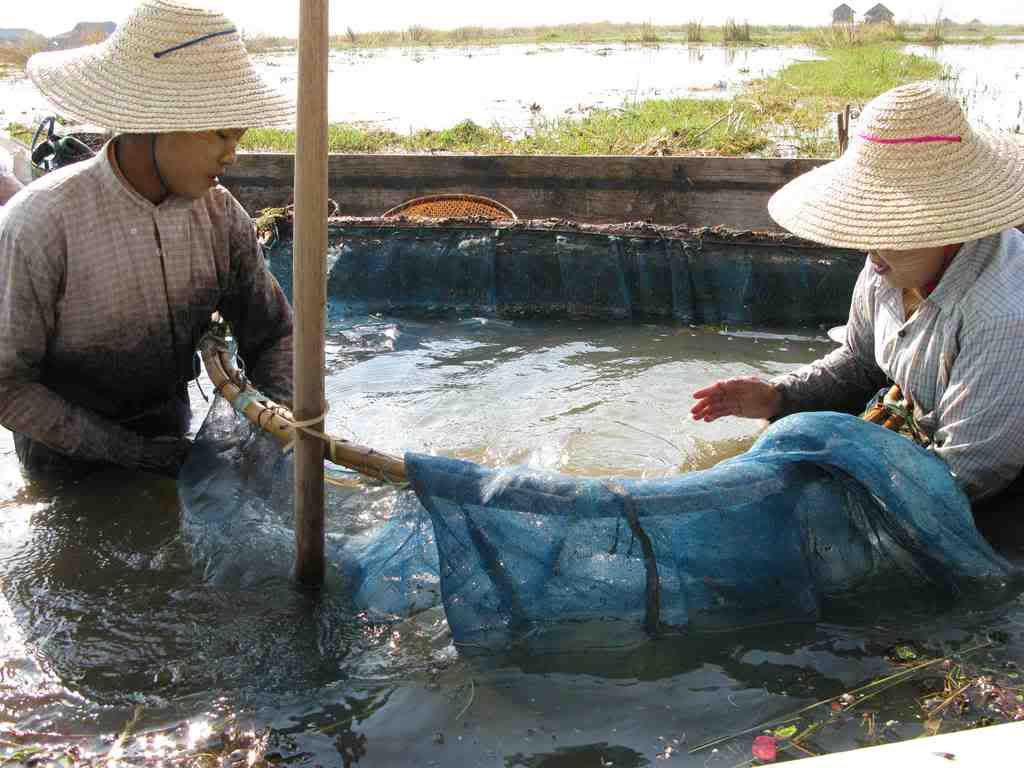
Once the net has been emptied, the process starts all over again. This pair of shrimpers is able to fill and sort three nets-worth of shrimp per day. Their day doesn't end with their 90-minute commute back home. Once home, the shrimp must be spread out in the sun to dry.
These shrimpers work seven days a week for the 2-3 month season. Except for an occasional festival day, they take no days off. Shrimping season ends when the water level in the paddy has dropped low enough for planting rice.
Shrimping is usually carried out by a two-woman team. The pair of young women we encountered in this flooded rice paddy were both in their 20's, unmarried, and friends as well as colleagues.
Shrimping is not a very well-paying occupation, but neither is anything else in this country (except possibly acting as a guide for tourists). This pair of women will earn approximately 3,000 Kyats (1,200 Kyats = US$1.00) for a full day's work, most of it performed while standing waist deep in weed-choked water.
Their day starts with a 90-minute commute (by canoe) from their homes to the shrimp bed
The women were wearing a form of sunscreen that is unique to Myanmar (at least among the countries that we visited). It is made by grinding thanaka bark on a flat stone, and mixing the powder with a bit of water to form a paste that is smeared all over the face.
Some of the Myanmar people, including this shrimper, are quite creative in their application of this Myanmar make-up, and apply the paste in interesting patterns.
Once at the shrimp bed, they drag a fine-mesh net, which is mounted on a horseshoe-shaped frame, through the weedy water for about 30 minutes, until it is filled with floating weeds and debris. Then they hitch their net onto the side of their canoe and spend an hour or more carefully separating the inch-long shrimp from the weeds, debris, and leeches. If they are lucky, they'll also find the occasional small fish trapped in the net.
When we arrived, the women had already worked their way through most of the material that they had collected in the net
Although they never stopped working, they were quite gracious about answering our questions
Once the net has been emptied, the process starts all over again. This pair of shrimpers is able to fill and sort three nets-worth of shrimp per day. Their day doesn't end with their 90-minute commute back home. Once home, the shrimp must be spread out in the sun to dry.
These shrimpers work seven days a week for the 2-3 month season. Except for an occasional festival day, they take no days off. Shrimping season ends when the water level in the paddy has dropped low enough for planting rice.
More Worries For Hungry Hospital Patients
Yesterday, I reported on the results of an audit of hospital kitchens in New South Wales, Australia. Now, it's the turn of hospitalized New Zealanders to think twice before eating their dinners.
Leonards Superior Smallgoods, a producer of cooked, ready-to-eat meats, today asked supermarkets to put a hold on its products after a batch of packaged cooked corned beef was found to contain Listeria monocytogenes. The contaminated product had been shipped to North Shore Hospital and to cafés on New Zealand's North Island.
Last week, Leonards was forced to recall a batch of packaged roast beef after it was found to be contaminated with L. monocytogenes. That product had been supplied to Waikato Hospital. Leonards has quarantined all of its existing stock pending determination of the extent of the contamination problem.
The possibility that hospital patients may have been served meat that was contaminated with L. monocytogenes is especially worrisome, as this pathogen typically targets the elderly, immunocompromised individuals, and pregnant women.
A Leonards spokesman told The New Zealand Herald that the company spends $3,000-$4,000 per month on product testing. Nevertheless, the contamination was detected as a result of tests carried out by the distributor, and not by Leonards.
This incident is a reminder that product safety cannot be achieved simply by testing the finished product. Listeria monocytogenes is a common environmental contaminant. The microbe is cold tolerant, and lurks in drain lines and other moist areas. Perhaps the time has come for Leonards to review its entire food safety and sanitation programs?
Leonards Superior Smallgoods, a producer of cooked, ready-to-eat meats, today asked supermarkets to put a hold on its products after a batch of packaged cooked corned beef was found to contain Listeria monocytogenes. The contaminated product had been shipped to North Shore Hospital and to cafés on New Zealand's North Island.
Last week, Leonards was forced to recall a batch of packaged roast beef after it was found to be contaminated with L. monocytogenes. That product had been supplied to Waikato Hospital. Leonards has quarantined all of its existing stock pending determination of the extent of the contamination problem.
The possibility that hospital patients may have been served meat that was contaminated with L. monocytogenes is especially worrisome, as this pathogen typically targets the elderly, immunocompromised individuals, and pregnant women.
A Leonards spokesman told The New Zealand Herald that the company spends $3,000-$4,000 per month on product testing. Nevertheless, the contamination was detected as a result of tests carried out by the distributor, and not by Leonards.
This incident is a reminder that product safety cannot be achieved simply by testing the finished product. Listeria monocytogenes is a common environmental contaminant. The microbe is cold tolerant, and lurks in drain lines and other moist areas. Perhaps the time has come for Leonards to review its entire food safety and sanitation programs?
Sunflower Seeds Recalled In New Zealand
A quick word of warning to New Zealanders.
Ceres Enterprises and several bakehouses have recalled sunflower seeds and a variety of products that contain sunflower seeds due to the presence of glass particles. Please read the recall notice for details.
Ceres Enterprises and several bakehouses have recalled sunflower seeds and a variety of products that contain sunflower seeds due to the presence of glass particles. Please read the recall notice for details.
Sunday, February 24, 2008
As If Being Hospitalized Wasn't Bad Enough!
According to a report in today's edition of The Daily Telegraph, patients in many New South Wales, Australia hospitals have to worry about the safety of the food they are served. A recent audit found that 166 out of 171 hospitals were out of compliance with new hygiene and safety laws. Four of the hospitals failed the audit completely.
Infractions documented at the participating hospitals included poor control of food storage temperatures, use of foods beyond their "best before" dates, unclean can openers, and a lack of pest control records.
The New South Wales Food Authority released the results of this "voluntary" audit as the result of a Freedom of Information request. But the government agency declined to name the hospitals that had failed the audit, on the grounds that this might interfere with the "business affairs" of those hospitals and might make them less willing to participate in future audits.
It's bad enough when restaurants are guilty of hygiene and food handling infractions. It's infinitely worse when hospitals neglect their responsibility to their patients by preparing and serving food that could make even a healthy person ill.
Infractions documented at the participating hospitals included poor control of food storage temperatures, use of foods beyond their "best before" dates, unclean can openers, and a lack of pest control records.
The New South Wales Food Authority released the results of this "voluntary" audit as the result of a Freedom of Information request. But the government agency declined to name the hospitals that had failed the audit, on the grounds that this might interfere with the "business affairs" of those hospitals and might make them less willing to participate in future audits.
It's bad enough when restaurants are guilty of hygiene and food handling infractions. It's infinitely worse when hospitals neglect their responsibility to their patients by preparing and serving food that could make even a healthy person ill.
Myanmar: Fishing Inle Lake
Fish and rice are the mainstays of the Inle Lake diet, and of its economy. Fishermen spend three or four days at a time on the lake on their canoes. They work, eat and sleep on the boats. Every morning, wholesale fish merchants travel the lake on their larger boats to purchase the previous day's (and night's) catch.
Inle Lake is shallow - no more than 4 meters (13 feet) at its deepest. The shallower parts of the lake lend themselves especially well to cage fishing, which combines elements of net fishing and spear fishing.
The typical cage is taller than the average Myanmar fisherman, and its use requires a good eye for fish, and a keen sense of balance. The usual target for the cage fisherman is carp.



Once he has trapped his prey inside the cage, the carp hunter plunges his spear through a hole in the top of the cage and kills his catch. He then lifts both the cage and the speared carp into his boat and starts his hunt again.
Other parts of Inle Lake lend themselves to fishing with drag nets. Often, several fishermen work together.



Inle Lake is shallow - no more than 4 meters (13 feet) at its deepest. The shallower parts of the lake lend themselves especially well to cage fishing, which combines elements of net fishing and spear fishing.
The typical cage is taller than the average Myanmar fisherman, and its use requires a good eye for fish, and a keen sense of balance. The usual target for the cage fisherman is carp.
The carp hunter finds his prey by rowing slowly while looking for tell-tale trails of air bubbles rising from the lake bottom
One he spots the bubbles, the carp hunter carefully maneuvers his cage into position
Then he lowers the cage directly over the trail of bubbles and traps his prey
Once he has trapped his prey inside the cage, the carp hunter plunges his spear through a hole in the top of the cage and kills his catch. He then lifts both the cage and the speared carp into his boat and starts his hunt again.
Other parts of Inle Lake lend themselves to fishing with drag nets. Often, several fishermen work together.
This man is casting his net
Herding a school of fish into their nets by hitting the water with their oars
Success! Hauling a net filled with fish into the canoe
Saturday, February 23, 2008
School Kids And Salmonella: A Follow-Up
Last December, I mentioned a Salmonella outbreak that hit 14 students attending St. Benedict's School in Whitehaven, Scotland. It now seems that health authorities suspect a pre-Christmas turkey dinner might have been the source of the outbreak.
Nevertheless, according to the article which appeared in The News and Star on February 23rd, the source of the outbreak might never be confirmed. Health inspectors pronounced the school's kitchens to be "clean". The investigation is continuing, but the scent is growing colder by the day.
On reading this news article, I decided to check the UK Food Standards Agency web site for their advice on how to cook turkey safety. To my dismay, I discovered that their directions omit any mention of a meat thermometer. Here is what the Food Standards Agency says:
Perhaps the British "stiff upper lip" is a result of eating undercooked meat and poultry?
Nevertheless, according to the article which appeared in The News and Star on February 23rd, the source of the outbreak might never be confirmed. Health inspectors pronounced the school's kitchens to be "clean". The investigation is continuing, but the scent is growing colder by the day.
On reading this news article, I decided to check the UK Food Standards Agency web site for their advice on how to cook turkey safety. To my dismay, I discovered that their directions omit any mention of a meat thermometer. Here is what the Food Standards Agency says:
If you're checking a whole chicken or other bird, pierce the thickest part of the leg (between drumstick and thigh) with a clean knife or skewer until the juices run out. The juices shouldn't have any pink or red in them.
Food Poisoning in China?
It would appear that China doesn't export all of its contaminated foods.
Channel NewsAsia reported today that 2 people died, 19 were hospitalized in critical condition, and an additional 42 people were under medical observation as a result of what is suspected to be food poisoning. The 63 victims – all employees of the same company – fell sick after lunching together at a local eatery near their place of work in southern China.
The local health department is investigating the incident and has taken samples of food and water from the restaurant.
Channel NewsAsia reported today that 2 people died, 19 were hospitalized in critical condition, and an additional 42 people were under medical observation as a result of what is suspected to be food poisoning. The 63 victims – all employees of the same company – fell sick after lunching together at a local eatery near their place of work in southern China.
The local health department is investigating the incident and has taken samples of food and water from the restaurant.
Pork Sausage Recalled Due To Salmonella
If you love dry pork sausage and live in Greater Montreal or Greater Quebec City, you'll want to check your refrigerator. Diffusion T.G.V. Inc. of Boisbriand QC has announced a recall of Maison de Savoie brand Sarment courbe (pure pork dry sausage) due to the possibility that it may contain Salmonella.
The imported sausage is sold in 250g packages, and carries lot number 02 51 29. The packages are labeled with a "best before" date of 13.04.08. While there have not yet been any illnesses associated with the sausage, please do not eat the recalled meat. Either discard the sausage or return it to the store for a refund.
The imported sausage is sold in 250g packages, and carries lot number 02 51 29. The packages are labeled with a "best before" date of 13.04.08. While there have not yet been any illnesses associated with the sausage, please do not eat the recalled meat. Either discard the sausage or return it to the store for a refund.
Friday, February 22, 2008
Myanmar Food Processing: Inle Lake Saké Factory
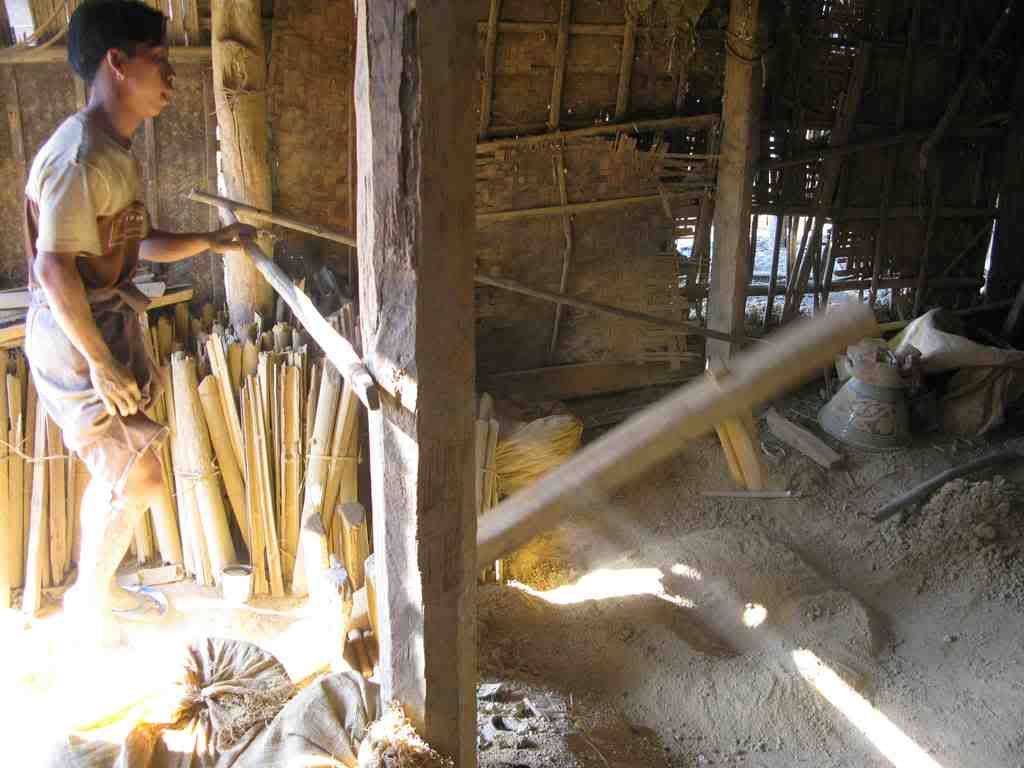
Rice is ubiquitous in Southeast Asia, so it should come as no surprise that the people of Myanmar ferment some of their crop to produce rice wine, or saké. We had the opportunity to visit a typical saké factory on Inle Lake during our visit to the area.
In a country where transportation by road and rail is limited, manufacturers must rely on local resources as much as possible for their raw materials and their equipment. One of the villages we visited near the shore of Inle Lake specialized in producing clay pots, some of which are used in the production of saké.
Here, a villager pounds clay into a fine powder.
This villager showed us how she shapes her pots on a hand-driven wheel.

This potter is putting some finishing touches on the top rim of his pot.

Rice farming is a mainstay of Inle Lake agriculture. Villagers mill their rice in factories like this. Some of this grain will find its way to the saké factory.
Saké production begins by cooking the rice in water. Other ingredients, including yeast, molasses, and sugar are added to the cooked rice, and the entire mixture is poured into clay pots. The pots are covered with cloths, and the mixture is left at room temperature to ferment for one week.
At the end of the week, the contents of the clay pots are poured into stills, and a glazed clay pot is inverted over the top of each still.
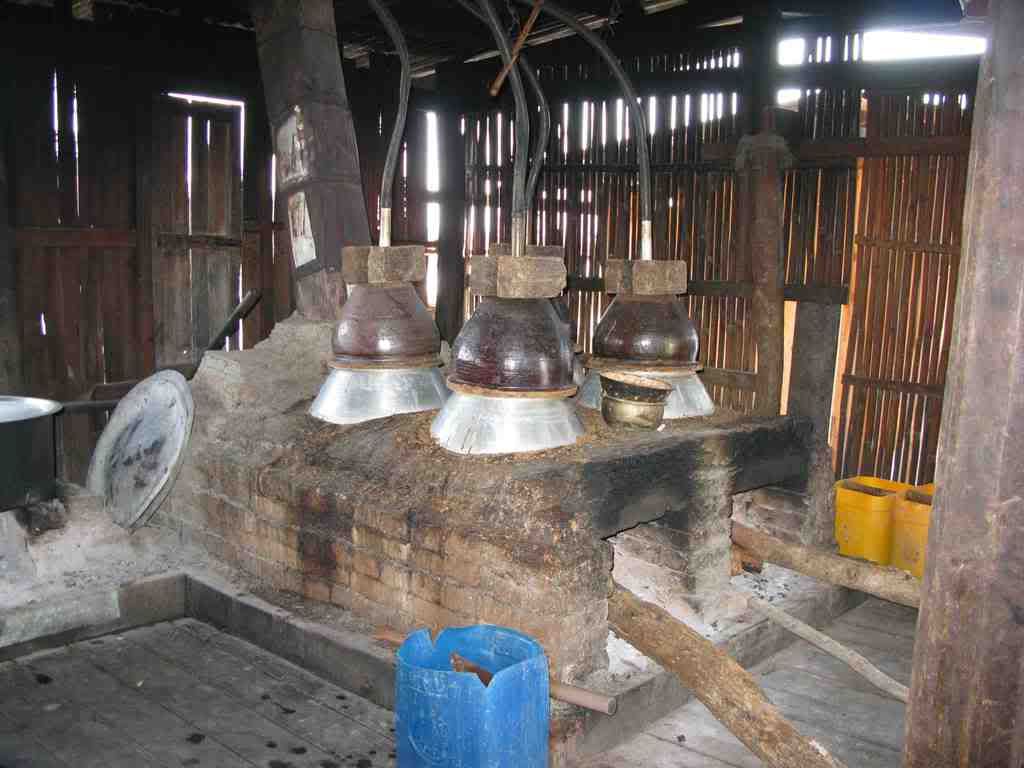
The stills are heated to boil off the alcohol from the fermented mixture. Steam is trapped by the inverted clay pots and flows through the black hoses to the condensers.
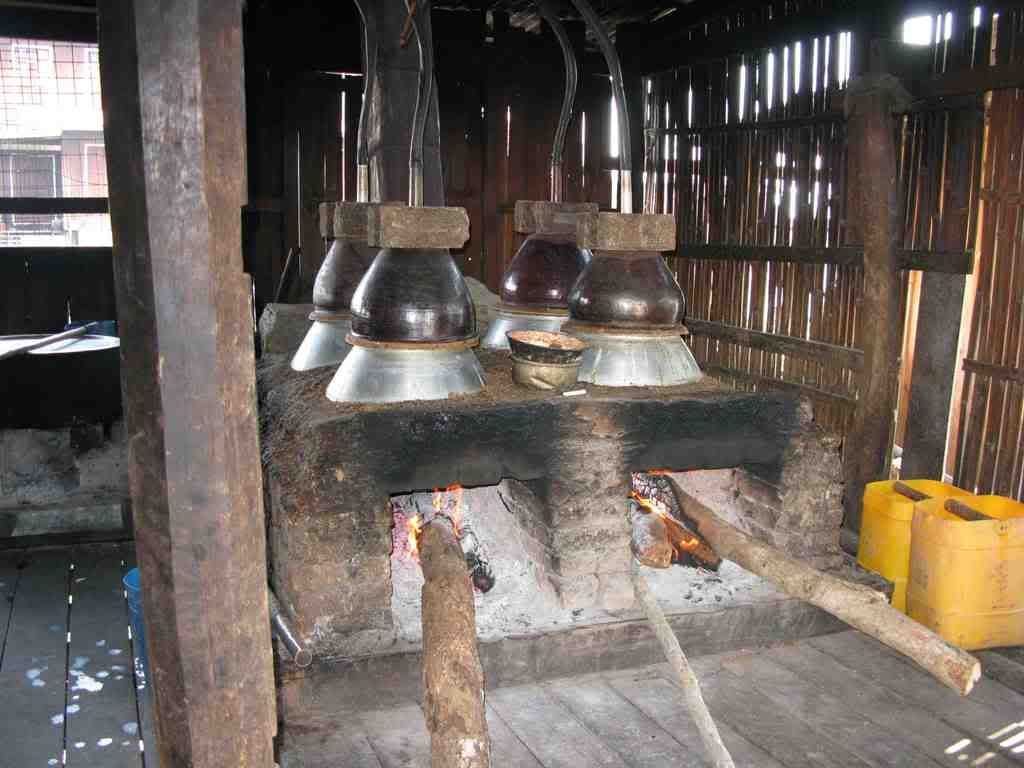
The condensers are double-walled clay pots. The outer wall of each pot has two openings - an inlet for the steam, and an outlet for the condensed saké. The body of each condensation pot contains water. The steam flows out of a tube, which is connected to an inlet hole in the outer wall of the pot, and the saké condenses between the outer and inner walls of the clay pots. The condensate is collected in plastic jugs.
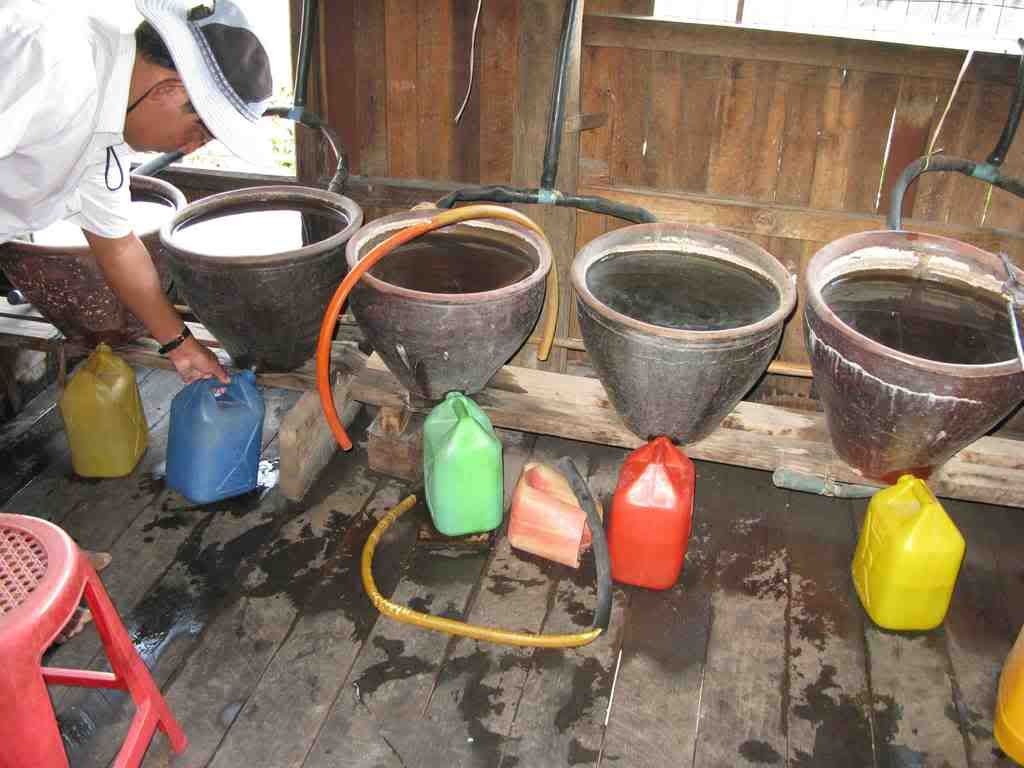
The finished saké, which has an alcohol content of approximately 25%, is poured into bottles and sold to wholesalers for resale in markets and to local restaurants.
UK Salmonella Food Alert
The UK Food Standards Agency has alerted consumers to a recall of Premier Quality Seed Mix, manufactured by Imperial Snack Foods Ltd. The 150g packages are being recalled due to the presence of Salmonella in the seed mix.
Consumers who purchased Batch Code 7236/7236f IM should return the product to the store for a full refund.
Today's alert doesn't describe the contents of the seed mix, but readers will remember that there have been several recalls in the past few months of Salmonella-contaminated sesame seeds in Canada, the US and the UK.
Consumers who purchased Batch Code 7236/7236f IM should return the product to the store for a full refund.
Today's alert doesn't describe the contents of the seed mix, but readers will remember that there have been several recalls in the past few months of Salmonella-contaminated sesame seeds in Canada, the US and the UK.
Raw Milk Strikes Again...And Again...And Again
Earlier this week, the Kansas Department of Agriculture alerted residents of the Garden City area not to eat home-made soft cheese being offered for sale in the area. The cheese, which was made from raw milk by an unlicensed individual, is contaminated with Salmonella.
The maker of the cheese sold it to neighbors, to co-workers at a local Tyson plant, and to two stores in the area. The Salmonella contamination was uncovered as part of a Kansas pilot project to probe the safety of domestic and imported food in the state.
This is the second recent consumer alert associated with raw dairy products in Kansas. Last fall, raw milk was the source of two outbreaks of Campylobacter gastroenteritis in the state. Nineteen people became ill after drinking raw milk purchased from a dairy in one part of the state, and 68 people were infected with Campylobacter after eating cheese produced from raw milk donated to a community celebration by a second dairy. Two of the victims of the second outbreak needed hospitalization.
Pennsylvania also reported an outbreak of food-borne disease associated with drinking raw milk and eating cheese made from raw milk in early 2007. This time, the culprit was Salmonella Typhimurium. Twenty-nine consumers fell victim to the contaminated milk, which was confirmed as the source of the outbreak when the DNA fingerprint of Salmonella Typhimurium from the milk was a perfect match to the fingerprint of the Salmonella recovered from some of the victims.
Raw milk advocates continue to deny the risks of drinking unpasteurized milk and of eating dairy products made from unpasteurized milk. Some of their rationalizations can be found in comments added to my posts of December 19th and December 20th.
According to an article in Time Magazine last March, dairy products accounted for 168 outbreaks of food-borne illness between 1990 and 2004. Nearly 1/3 of the outbreaks were due to consumption of raw milk or dairy products made from raw milk, even though raw milk products represent a very small fraction of the total dairy market. That, alone, speaks volumes for the relative risk of consuming raw versus pasteurized dairy products.
The maker of the cheese sold it to neighbors, to co-workers at a local Tyson plant, and to two stores in the area. The Salmonella contamination was uncovered as part of a Kansas pilot project to probe the safety of domestic and imported food in the state.
This is the second recent consumer alert associated with raw dairy products in Kansas. Last fall, raw milk was the source of two outbreaks of Campylobacter gastroenteritis in the state. Nineteen people became ill after drinking raw milk purchased from a dairy in one part of the state, and 68 people were infected with Campylobacter after eating cheese produced from raw milk donated to a community celebration by a second dairy. Two of the victims of the second outbreak needed hospitalization.
Pennsylvania also reported an outbreak of food-borne disease associated with drinking raw milk and eating cheese made from raw milk in early 2007. This time, the culprit was Salmonella Typhimurium. Twenty-nine consumers fell victim to the contaminated milk, which was confirmed as the source of the outbreak when the DNA fingerprint of Salmonella Typhimurium from the milk was a perfect match to the fingerprint of the Salmonella recovered from some of the victims.
Raw milk advocates continue to deny the risks of drinking unpasteurized milk and of eating dairy products made from unpasteurized milk. Some of their rationalizations can be found in comments added to my posts of December 19th and December 20th.
According to an article in Time Magazine last March, dairy products accounted for 168 outbreaks of food-borne illness between 1990 and 2004. Nearly 1/3 of the outbreaks were due to consumption of raw milk or dairy products made from raw milk, even though raw milk products represent a very small fraction of the total dairy market. That, alone, speaks volumes for the relative risk of consuming raw versus pasteurized dairy products.
Thursday, February 21, 2008
Mainly Because Of The Meat?
While US consumers are dealing with the unsavory thought of meat from mistreated "downer" cows in the food supply, Sweden is experiencing its own meat scandal. A Swedish supermarket chain, ICA, has been systematically regrinding and relabelling out-of-date meat.
The story first broke last December on Swedish Television (SVT). The investigative program Uppdrag Granskning reported that ICA stores routinely engaged in several deceptive practices to change or extend "best before" dates. These practices included repackaging meat that had already been on display, regrinding and repackaging ground meat, and rinsing and repackaging old or sticky sausage meats.
The deception is apparently long-standing. Hans Hallén, a former quality control manager for ICA who was responsible for monitoring the performance of the chain's stores in southern Sweden between 2003 and 2005, claims that he informed ICA management of the practice during his tenure with the company. His position, along with that of the seven other quality control managers, was terminated in 2005.
Public prosecutors are preparing to lay charges against the stores that were identified by the SVT program's investigation. Prosecutor Solveig Sörlien is hoping to achieve more than a slap on the ICA wrist by imposing what is known as a "company fine" – a fine that is based on the extent to which the company profited by its illegal activities – rather than the very minor fine that is usually associated with an infraction of food safety regulations.
Swedish food inspectors had uncovered of more than 30 cases of mislabeling – ten of them involving ICA stores – even before Uppdrag Granskning broke the story. Nevertheless, after the scandal became public, ICA management denied any knowledge of the problem, while claiming at the same time that the practice was "...not systematic or widespread."
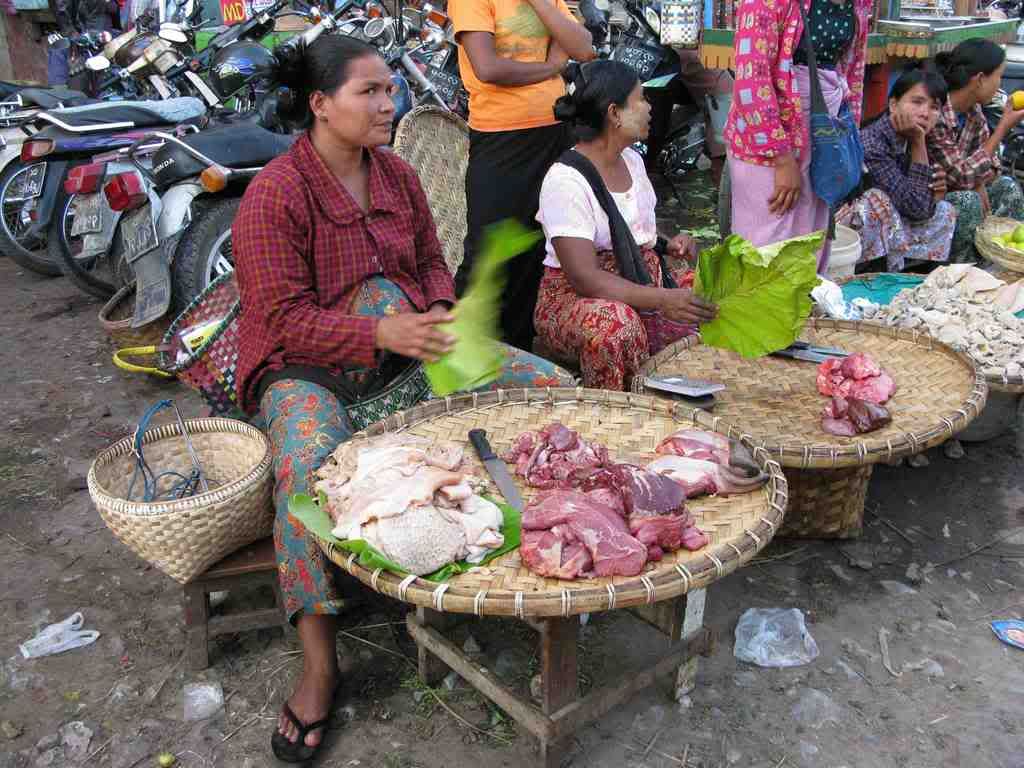
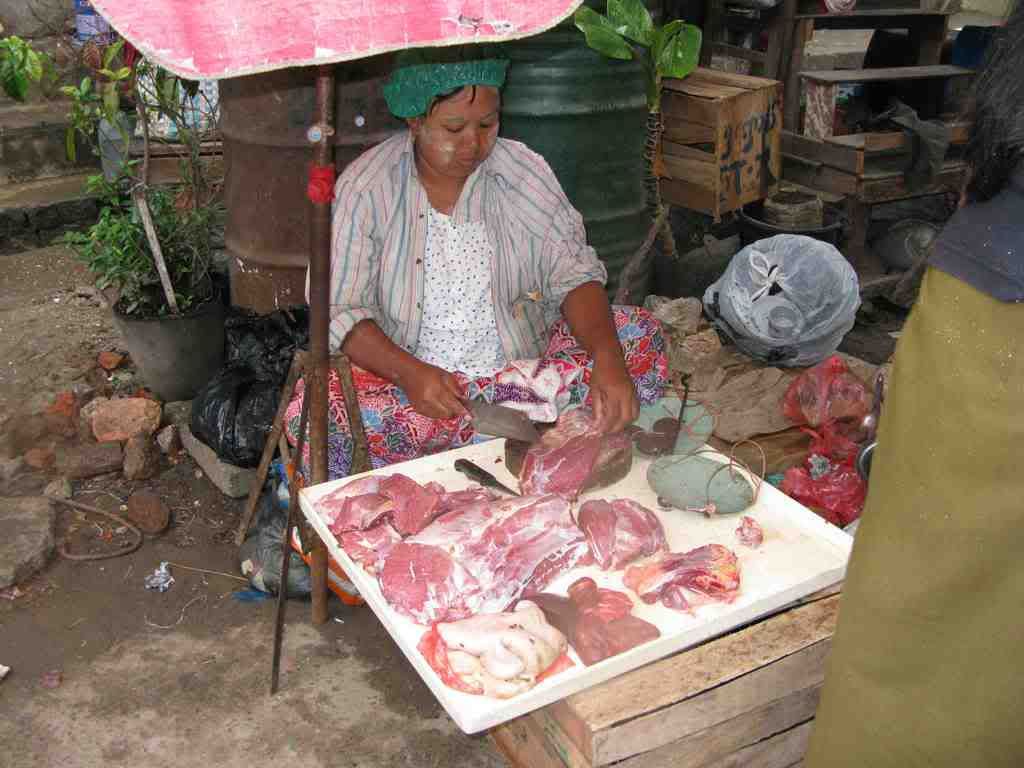
The story first broke last December on Swedish Television (SVT). The investigative program Uppdrag Granskning reported that ICA stores routinely engaged in several deceptive practices to change or extend "best before" dates. These practices included repackaging meat that had already been on display, regrinding and repackaging ground meat, and rinsing and repackaging old or sticky sausage meats.
The deception is apparently long-standing. Hans Hallén, a former quality control manager for ICA who was responsible for monitoring the performance of the chain's stores in southern Sweden between 2003 and 2005, claims that he informed ICA management of the practice during his tenure with the company. His position, along with that of the seven other quality control managers, was terminated in 2005.
Public prosecutors are preparing to lay charges against the stores that were identified by the SVT program's investigation. Prosecutor Solveig Sörlien is hoping to achieve more than a slap on the ICA wrist by imposing what is known as a "company fine" – a fine that is based on the extent to which the company profited by its illegal activities – rather than the very minor fine that is usually associated with an infraction of food safety regulations.
Swedish food inspectors had uncovered of more than 30 cases of mislabeling – ten of them involving ICA stores – even before Uppdrag Granskning broke the story. Nevertheless, after the scandal became public, ICA management denied any knowledge of the problem, while claiming at the same time that the practice was "...not systematic or widespread."
Maybe the Myanmar butcher shops aren't so bad after all?
Norovirus - The Nursing Home Nemesis
Hong Kong has been struggling with the problem of Norovirus-caused gastroenteritis in its elder care facilities, nursing homes child care centers and hospitals. In 2006, there were 269 recorded institutional outbreaks of Norovirus, affecting approximately 3,250 people.
The scope of the problem was somewhat less in 2007, but still significant. The Centre for Health Protection (CHP) reported 93 institutional outbreaks, involving 921 victims by December 21st. One subsequent outbreak, reported on December 27th, brought the year's total number of victims to 36.
The problem shows no signs of abating in the near future. In January 2008, the CHP reported three outbreaks of gastroenteritis in Hong Kong seniors' residences. The 64 victims of these outbreaks all experienced typical symptoms of Norovirus infection - diarrhea and vomitting.
While investigations are still in progress, the initial reports, issued on January 4th, January 7th, and January 9th, describe symptoms to the confirmed outbreaks of last year. A fourth outbreak, involving 25 residents and 2 staff members in another seniors' residence was announced earlier today.
This problem is not unique to Hong Kong. Institutional outbreaks of Norovirus gastroenteritis are common in many parts of the world. In the last couple of years, for example, nursing home outbreaks have sickened 176 residents and staff of a nursing home in Spain, 52 staff members and patients in a nursing home and a hospital in Austria, and 25 residents and 5 staff members of a Slovenian nursing home. Three institutions in Japan experienced an outbreak that affected a combined total of 108 individuals, including patients, staff members and outside contacts of outbreak victims.
The United States has been wrestling with Norovirus, too. In the last quarter of 2006, long term care facilities in the US reported 762 confirmed outbreaks due to this virus. This total, which included information from only 24 of the 50 states, is an understatement of the problem, since not all of the 50 states routinely tested clinical samples for Norovirus.
Prevention and control of Norovirus presents special problems in the close quarters of health care, child care, nursing home and elder care facilities. Onset of the illness is sudden, often resulting in virus-laden vomit or feces contaminating public areas. The virus is also highly contagious - a dose of just 100 particles can cause disease. And Norovirus is more resistant to freezing, heating, and many disinfectants than either bacteria or some other viruses.
Norovirus outbreaks can best be controlled by paying careful attention to personal hygiene – especially thorough hand-washing – and disinfecting all potentially-contaminated surfaces. In some situations, isolating patients suffering from gastroenteritis may be desirable.
Chlorine bleach is an effective tool for disinfecting Norovirus-contaminated surfaces. Quaternary ammonium disinfectants, commonly used in food-service areas, do NOT work. Phenol-based disinfectants can be effective, but must be used at a higher concentration than what is recommended by their manufacturers.
For more details on dealing with Norovirus, check out the web site of the Centers for Disease Control and Prevention.
The scope of the problem was somewhat less in 2007, but still significant. The Centre for Health Protection (CHP) reported 93 institutional outbreaks, involving 921 victims by December 21st. One subsequent outbreak, reported on December 27th, brought the year's total number of victims to 36.
The problem shows no signs of abating in the near future. In January 2008, the CHP reported three outbreaks of gastroenteritis in Hong Kong seniors' residences. The 64 victims of these outbreaks all experienced typical symptoms of Norovirus infection - diarrhea and vomitting.
While investigations are still in progress, the initial reports, issued on January 4th, January 7th, and January 9th, describe symptoms to the confirmed outbreaks of last year. A fourth outbreak, involving 25 residents and 2 staff members in another seniors' residence was announced earlier today.
This problem is not unique to Hong Kong. Institutional outbreaks of Norovirus gastroenteritis are common in many parts of the world. In the last couple of years, for example, nursing home outbreaks have sickened 176 residents and staff of a nursing home in Spain, 52 staff members and patients in a nursing home and a hospital in Austria, and 25 residents and 5 staff members of a Slovenian nursing home. Three institutions in Japan experienced an outbreak that affected a combined total of 108 individuals, including patients, staff members and outside contacts of outbreak victims.
The United States has been wrestling with Norovirus, too. In the last quarter of 2006, long term care facilities in the US reported 762 confirmed outbreaks due to this virus. This total, which included information from only 24 of the 50 states, is an understatement of the problem, since not all of the 50 states routinely tested clinical samples for Norovirus.
Prevention and control of Norovirus presents special problems in the close quarters of health care, child care, nursing home and elder care facilities. Onset of the illness is sudden, often resulting in virus-laden vomit or feces contaminating public areas. The virus is also highly contagious - a dose of just 100 particles can cause disease. And Norovirus is more resistant to freezing, heating, and many disinfectants than either bacteria or some other viruses.
Norovirus outbreaks can best be controlled by paying careful attention to personal hygiene – especially thorough hand-washing – and disinfecting all potentially-contaminated surfaces. In some situations, isolating patients suffering from gastroenteritis may be desirable.
Chlorine bleach is an effective tool for disinfecting Norovirus-contaminated surfaces. Quaternary ammonium disinfectants, commonly used in food-service areas, do NOT work. Phenol-based disinfectants can be effective, but must be used at a higher concentration than what is recommended by their manufacturers.
For more details on dealing with Norovirus, check out the web site of the Centers for Disease Control and Prevention.
Wednesday, February 20, 2008
Tasmanian Government Lays An Egg
Recently, the Australian state of Tasmania was hit by an outbreak of salmonellosis. The outbreak, which affected more than 80 people, has been tentatively linked to sauces made from raw eggs sold by one producer - Pitt's Poultry.
In response to political pressure, the government of Tasmania has decided to require raw eggs to carry a warning label. But the only eggs to be affected by this new requirement will be those produced by Pitt's Poultry.
I have to admit that the logic of this ruling escapes me. It isn't news to anyone in the food safety profession that raw eggs - even those still in clean and intact shells - carry a risk of Salmonella contamination. This is true for eggs produced in North America, where USDA estimates the risk at one egg in 20,000. It's true in the United Kingdom and the rest of the EU. For more details on this problem, read Chapter 3 of my book, Food Safety: Old Habits, New Perspectives.
If one egg producer in Australia is experiencing this problem, others will surely follow. The only sensible thing to do – assuming that a warning label is warranted – is to require that ALL raw shell eggs carry the same warning. Anything else, in my opinion, is simply pandering to political pressure.
In response to political pressure, the government of Tasmania has decided to require raw eggs to carry a warning label. But the only eggs to be affected by this new requirement will be those produced by Pitt's Poultry.
I have to admit that the logic of this ruling escapes me. It isn't news to anyone in the food safety profession that raw eggs - even those still in clean and intact shells - carry a risk of Salmonella contamination. This is true for eggs produced in North America, where USDA estimates the risk at one egg in 20,000. It's true in the United Kingdom and the rest of the EU. For more details on this problem, read Chapter 3 of my book, Food Safety: Old Habits, New Perspectives.
If one egg producer in Australia is experiencing this problem, others will surely follow. The only sensible thing to do – assuming that a warning label is warranted – is to require that ALL raw shell eggs carry the same warning. Anything else, in my opinion, is simply pandering to political pressure.
Food Safety: Where the Candidates Stand
As a follow-up to my post of yesterday, I decided to Google the various Presidential Primary candidates who are still in the running, in order to find out what they have said and done about food safety issues in the past, and where they stand today. Within each party, I have listed the candidates in alphabetical order.
The Republicans
Mike Huckabee: Former Arkansas Governor Mike Huckabee has been silent on the issue, as far as I can tell. His official website lists Agriculture as a policy area, but he makes no mention of food safety. Governor Huckabee's focus is on self-sufficiency in food and energy supplies, encouraging young people to consider agriculture as a career choice, and providing subsidies to help American farmers.
John McCain: Senator McCain has been a Washington political fixture for many years. He was present during the major food recalls of the 1990s, as well of the more recent outbreaks and recalls of the current decade. Yet, I have been unable to find any mention at all - either on his official Senate website, on his official campaign website or on his list of news releases - of the importance of improving and maintaining the safety of our food supply.
Ron Paul: Congressman Ron Paul proposed House Resolution 4077 to permit the interstate shipment of raw milk, and opposed the National Mandatory ID system for farm animals.
The Democrats
Hillary Clinton: Senator Clinton has a long history of advocating improvements to the national food safety system. In 2001, she co-sponsored an amendment to the proposed 2002 FDA budget to increase funding for food safety activities, and argued against a move to exempt meat from federal inspection. She has also called for an investigation into outbreaks of E. coli O157, has urged the FDA and USDA to form a joint task force to examine ways to improve food safety, and has pushed for implementation of Country of Origin Labeling of imported food and feed. Senator Clinton's campaign web site outlines her food safety policy proposals, which include consolidating federal food safety responsibility into a single agency.
Barack Obama: Senator Obama released a statement in reaction to the recent recall of meat by Hallmark/Westland, following the Humane Society's report of animal abuse at the slaughterhouse. I have searched his official senate web site and his campaign web site, but have been unable to find any other policy statements or significant actions relating to food safety.
With the occurrence of an estimated 76 million cases of food-borne illness and 5,000 deaths in the U.S. annually, food safety issues deserve to be on the radar screen of every serious candidate. Please post a comment if you have any additional information on the positions or actions taken by any of these candidates.
The Republicans
Mike Huckabee: Former Arkansas Governor Mike Huckabee has been silent on the issue, as far as I can tell. His official website lists Agriculture as a policy area, but he makes no mention of food safety. Governor Huckabee's focus is on self-sufficiency in food and energy supplies, encouraging young people to consider agriculture as a career choice, and providing subsidies to help American farmers.
John McCain: Senator McCain has been a Washington political fixture for many years. He was present during the major food recalls of the 1990s, as well of the more recent outbreaks and recalls of the current decade. Yet, I have been unable to find any mention at all - either on his official Senate website, on his official campaign website or on his list of news releases - of the importance of improving and maintaining the safety of our food supply.
Ron Paul: Congressman Ron Paul proposed House Resolution 4077 to permit the interstate shipment of raw milk, and opposed the National Mandatory ID system for farm animals.
The Democrats
Hillary Clinton: Senator Clinton has a long history of advocating improvements to the national food safety system. In 2001, she co-sponsored an amendment to the proposed 2002 FDA budget to increase funding for food safety activities, and argued against a move to exempt meat from federal inspection. She has also called for an investigation into outbreaks of E. coli O157, has urged the FDA and USDA to form a joint task force to examine ways to improve food safety, and has pushed for implementation of Country of Origin Labeling of imported food and feed. Senator Clinton's campaign web site outlines her food safety policy proposals, which include consolidating federal food safety responsibility into a single agency.
Barack Obama: Senator Obama released a statement in reaction to the recent recall of meat by Hallmark/Westland, following the Humane Society's report of animal abuse at the slaughterhouse. I have searched his official senate web site and his campaign web site, but have been unable to find any other policy statements or significant actions relating to food safety.
With the occurrence of an estimated 76 million cases of food-borne illness and 5,000 deaths in the U.S. annually, food safety issues deserve to be on the radar screen of every serious candidate. Please post a comment if you have any additional information on the positions or actions taken by any of these candidates.
Tuesday, February 19, 2008
International Year of Sanitation
In December 2006, the United Nations General Assembly declared that 2008 would be the International Year of Sanitation. The worthy goal of this body is to cut in half by 2015 the proportion of the world population that is without access to basic sanitation.
As is the case with most "International Years", the purpose of the UN declaration is to focus attention and energy on a specific problem and its possible solutions. One success story is unfolding, bit by bit in Nigeria.
In 2003, the government of Niger State in northern Nigeria partnered with the United Nations Childrens Fund (UNICEF) to bore two wells in order to provide clean drinking water for the village of Lokoto. But, as reported yesterday on allAfrica.com, the project organizers didn't stop at simply providing a source of clean water.
Realizing that education was essential to improving hygiene in the village, UNICEF and the state government enlisted the assistance of the local school headmaster, who now teaches village children the importance of hand washing. They also convinced the village residents to install latrines, and taught the villagers how to use and maintain them. And a local "wash" committee was formed to take responsibility for building and maintaining refuse pits. These pits now produce compost, which the village farmers use as fertilizer.
The project has yielded a major improvement in community health. According to the report, infectious diarrheal disease has almost disappeared, and school attendance is up.
Last month, we visited several areas in Southeast Asia that could benefit from improvements in basic sanitation. Especially, the Inle Lake region of Myanmar cries out for this type of assistance.

The waters of Inle Lake serve many purposes beyond that of being a communal latrine. Some of activities carried out on and in the lake include:


The government of Myanmar might be an international pariah to much of the world, but the people of this region need all the help they can get.
As is the case with most "International Years", the purpose of the UN declaration is to focus attention and energy on a specific problem and its possible solutions. One success story is unfolding, bit by bit in Nigeria.
In 2003, the government of Niger State in northern Nigeria partnered with the United Nations Childrens Fund (UNICEF) to bore two wells in order to provide clean drinking water for the village of Lokoto. But, as reported yesterday on allAfrica.com, the project organizers didn't stop at simply providing a source of clean water.
Realizing that education was essential to improving hygiene in the village, UNICEF and the state government enlisted the assistance of the local school headmaster, who now teaches village children the importance of hand washing. They also convinced the village residents to install latrines, and taught the villagers how to use and maintain them. And a local "wash" committee was formed to take responsibility for building and maintaining refuse pits. These pits now produce compost, which the village farmers use as fertilizer.
The project has yielded a major improvement in community health. According to the report, infectious diarrheal disease has almost disappeared, and school attendance is up.
Last month, we visited several areas in Southeast Asia that could benefit from improvements in basic sanitation. Especially, the Inle Lake region of Myanmar cries out for this type of assistance.
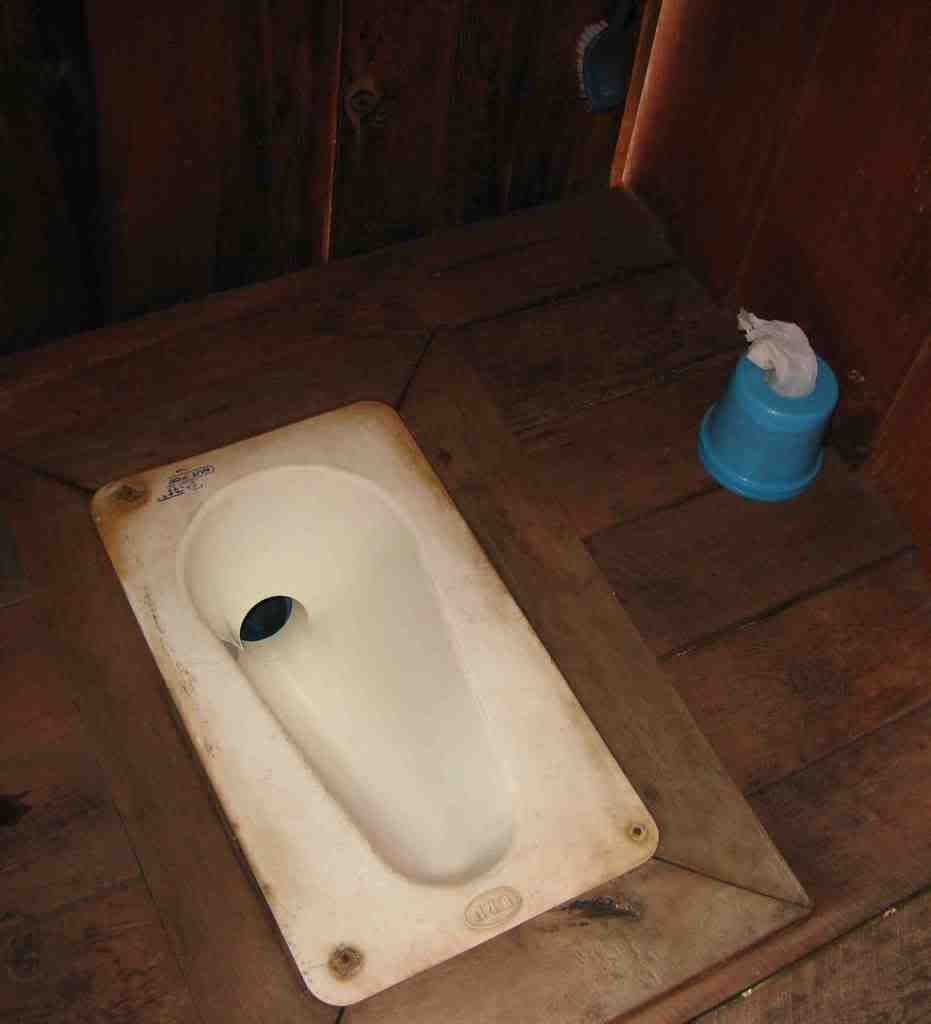
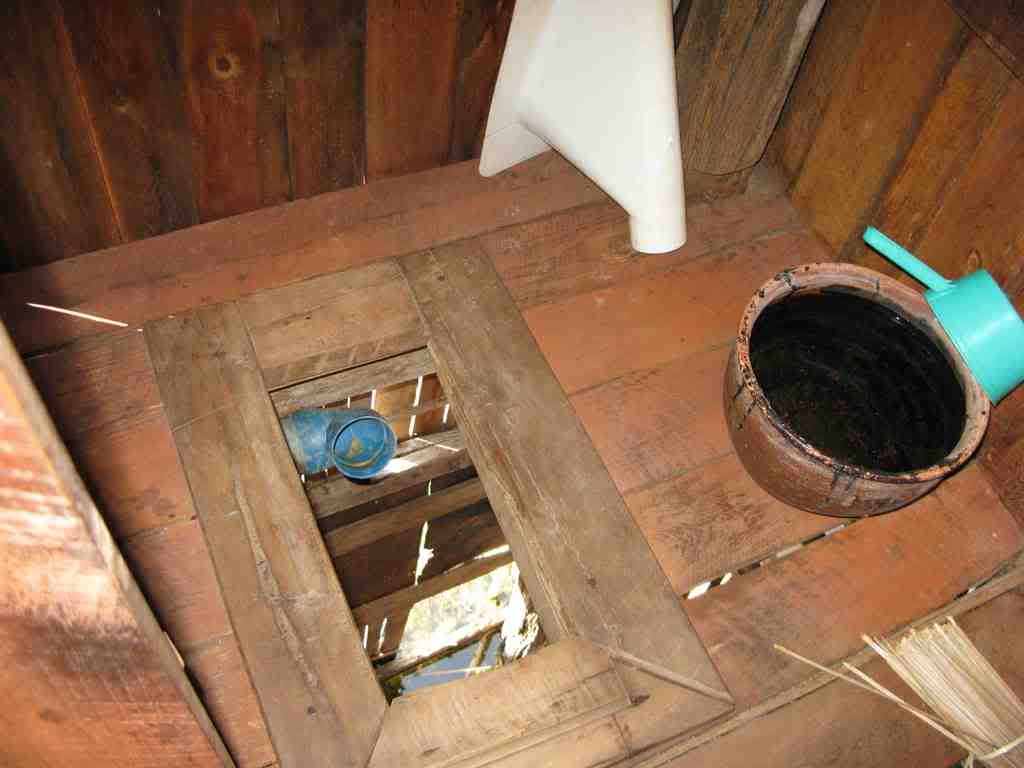
Most of the villages of Inle Lake are built on stilts over the lake. This is a typical house. The extension built from thatched panels at the right-hand corner is the outhouse, which empties directly into the lake.
This is one of the outhouse toilets
And an empty slot that lost its toilet.
The waters of Inle Lake serve many purposes beyond that of being a communal latrine. Some of activities carried out on and in the lake include:
Washing cooking pots
Fishing
And shrimping
The government of Myanmar might be an international pariah to much of the world, but the people of this region need all the help they can get.
Democratic Presidential Candidates: On Food Safety
Bill Marler posted this morning Hillary Clinton's policy proposals for our food safety system. The Clinton campaign press release , issued yesterday in the aftermath of the 143 million pound meat recall, covers several aspects of food safety, including mandatory recall authority, consolidation of responsibility for food safety oversight into a single agency, and carrying out an immediate audit to find the weaknesses in our present system.
I looked for, and found, Barack Obama's statement, also released yesterday, which I have quoted in full below.
I looked for, and found, Barack Obama's statement, also released yesterday, which I have quoted in full below.
It would be nice to know what the co-sponsorship and voting records of both Senators has been on the various food safety bills that have been presented in Congress while they have been in office.Chicago, IL - Senator Barack Obama released a statement on the Department of Agriculture's decision to recall 143 million pounds of frozen beef that came from "downed" animals. The consumption of downed cattle can pose a higher risk of contamination from E. coli, salmonella or mad cow disease.
Senator Obama released the following statement:
"Senator Barack Obama released a statement on the Department of Agriculture's decision to recall 143 million pounds of frozen beef that came from "downed" animals. The consumption of downed cattle can pose a higher risk of contamination from E. coli, salmonella or mad cow disease."Senator Obama said: "Although the Department of Agriculture has now recalled the tainted beef, an estimated 37 million pounds has gone to school lunch programs, and unfortunately, officials believe that most of the meat has already been consumed by schoolchildren. This incident demonstrates yet again the inadequacy of the food recall process. Far too often, tainted food is not recalled until too late.
"When I am President, it will not be business as usual when it comes to food safety. I will provide additional resources to hire more federal food inspectors. I will also call on the Department of Agriculture to examine whether federal food safety laws need to be strengthened, in particular to provide greater protections against tainted food being used in the National School Lunch Program.
"As the parent of two young daughters, there are few issues more important to me than ensuring the safety of the food that our children consume. I commend the Humane Society of the United States for bringing this important issue to the public attention and believe that the mistreatment of downed cows is unacceptable and poses a serious threat to public health."
Monday, February 18, 2008
Cholera Strikes Again - This Time In Kenya
According to a report today on AllAfrica.com, cholera has claimed the lives of six people in Kenya's Mandera district. During the past week, 130 people have sought treatment for cholera in the district, and 60 have been hospitalized.
The public health officer for Mandera town has ordered 25 food kiosks closed due to poor hygiene. According to him, the outbreak could also be due to contaminated water in the Dawa River that flows nearby.
An unnamed source has said that the Mandera hospital has asked for additional supplies of drugs to treat the cholera patients.
The public health officer for Mandera town has ordered 25 food kiosks closed due to poor hygiene. According to him, the outbreak could also be due to contaminated water in the Dawa River that flows nearby.
An unnamed source has said that the Mandera hospital has asked for additional supplies of drugs to treat the cholera patients.
Rat Dim Sum?
According to a February 15th article in the National Post, Toronto health authorities have closed down a Chinatown restaurant after a passer-by photographed live rats in the restaurant's picture window and posted the picture on a Toronto city blog site.
The manager of the Dumpling House restaurant was quoted in the article as saying,
Perhaps Toronto should export its rats to Bagan, Myanmar, where they are considered a delicacy.
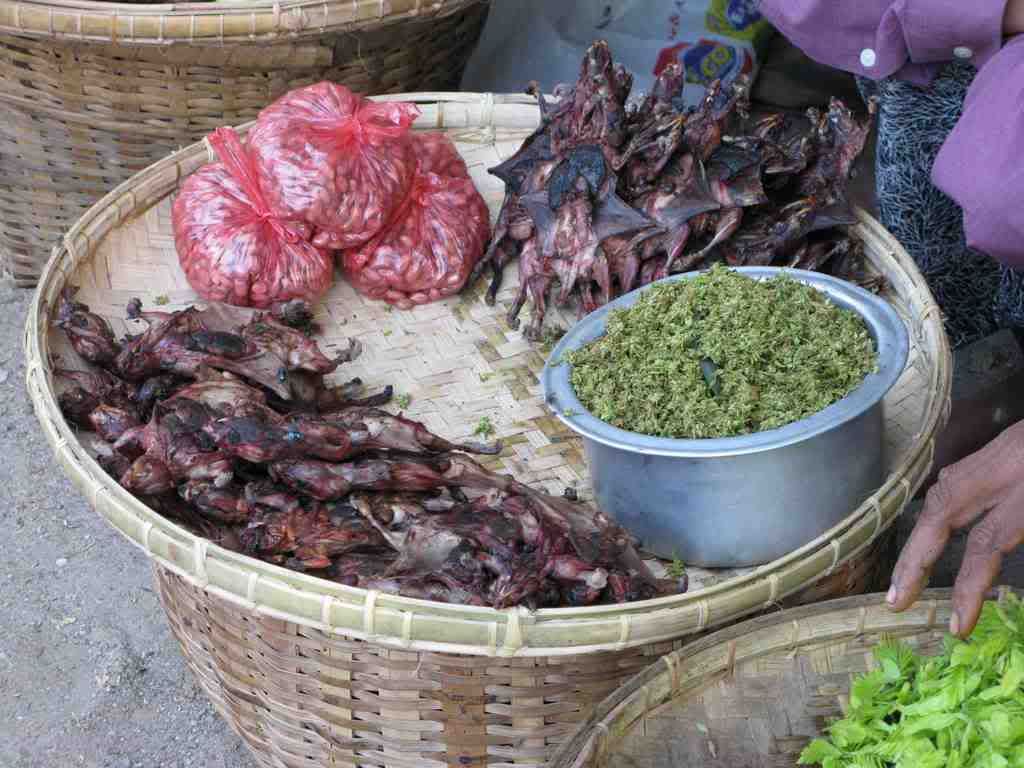
The manager of the Dumpling House restaurant was quoted in the article as saying,
"In this city, rats are a huge problem. It’s a city problem, not a restaurant problem. I don’t think the city has a plan to fight the rat problem."
Perhaps Toronto should export its rats to Bagan, Myanmar, where they are considered a delicacy.
Myanmar Refreshment Stands
Back in the days of my grandparents, when refrigerators hadn't yet replaced iceboxes in the kitchen, the iceman's visit was part of the morning routine. In Yangon (Rangoon), as in many other parts of Southeast Asia, the iceman still makes his morning rounds.
This video, which was taken in the Yangon's city centre market, shows how - and where - the iceman prepares to make his deliveries. First, he saws the large blocks of ice into smaller pieces. Then, his helpers stack the smaller ice blocks, separating the stacks with sawdust to help insulate them and to prevent them from sticking to each other. He's now ready to undertake his daily deliveries to the local market stalls, or to any household or business on his list of customers.
The ice blocks, which are made from non-potable water, are used in numerous ways by the Myanmar people. Those who are lucky enough to have iceboxes will use a block of ice to keep perishable food cool.
Some vendors crush ice and add it to fruit juices to make a refreshing beverage.
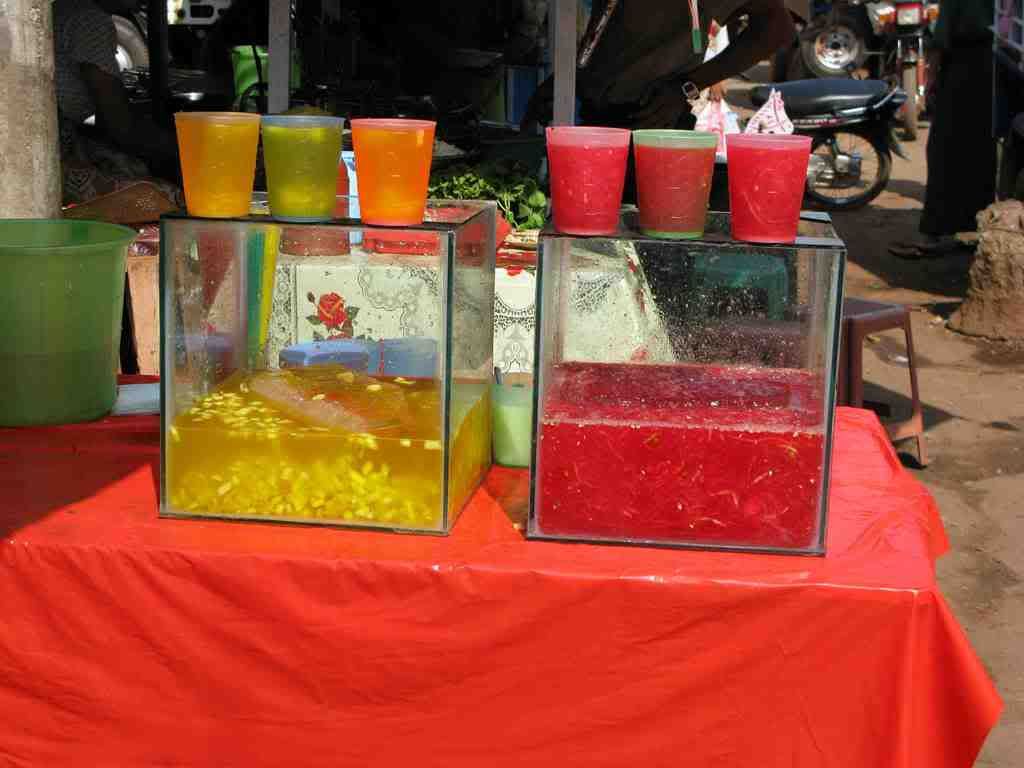
One popular beverage in the Bagan region of Myanmar is lime-flavored sugar cane juice, squeezed fresh while you wait. We watched the process at a roadside refreshment stand.

The juicer's assistant takes a small block of ice in hand, crushes it by hitting it with a wooden stick, and puts the crushed ice into a glass mug.
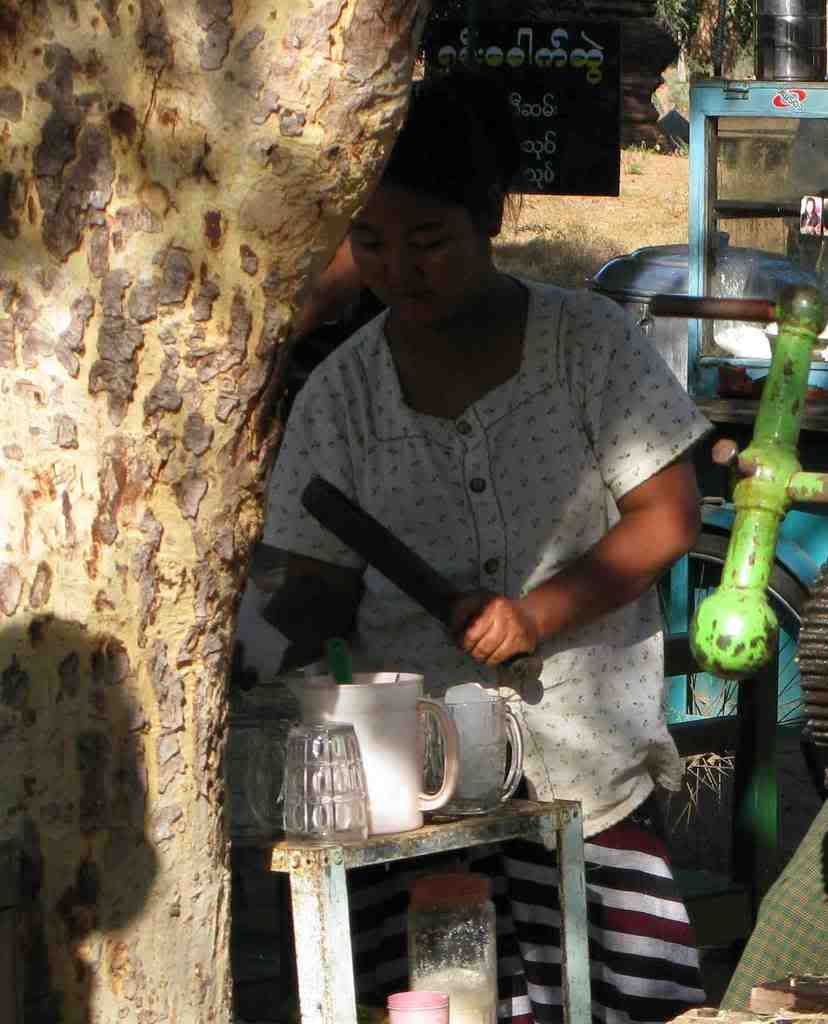
In the meantime, the juicer grabs a handful of sugar cane stalks and proceeds to feed them into a hand-cranked crushing machine. He feeds the stalks through several times, in order to extract all of the juice. On the last run-through, he sandwiches a couple of wedges of fresh lime between the stalks.
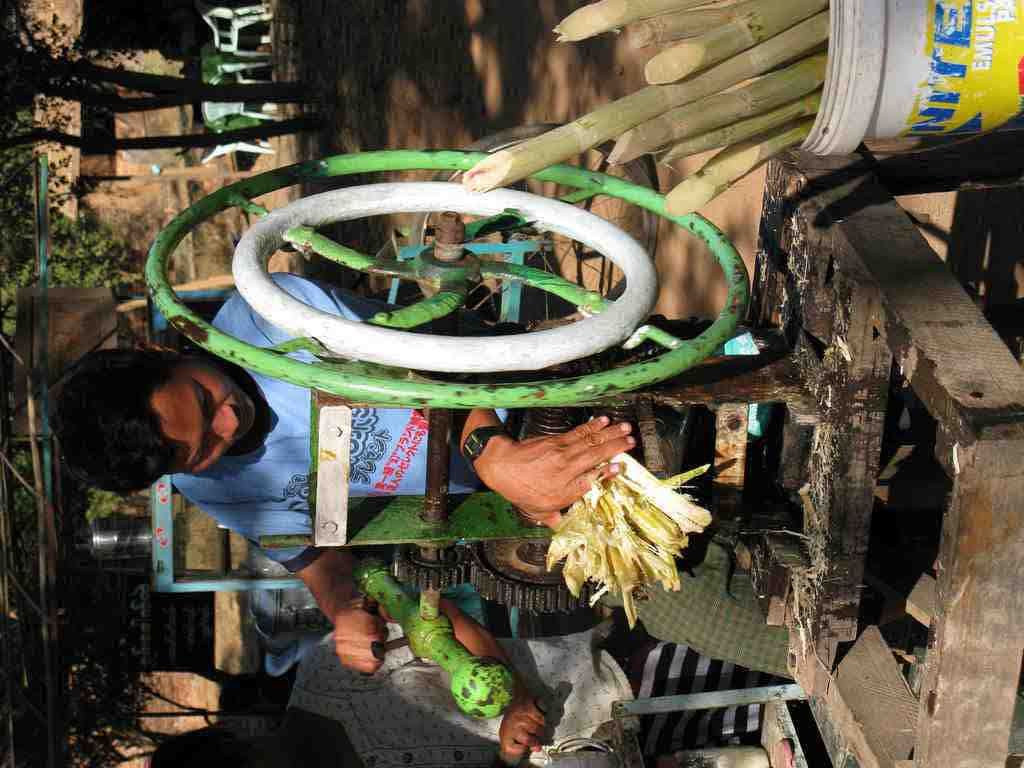
The juice collects in a small bowl, which the assistant empties periodically into a pitcher.
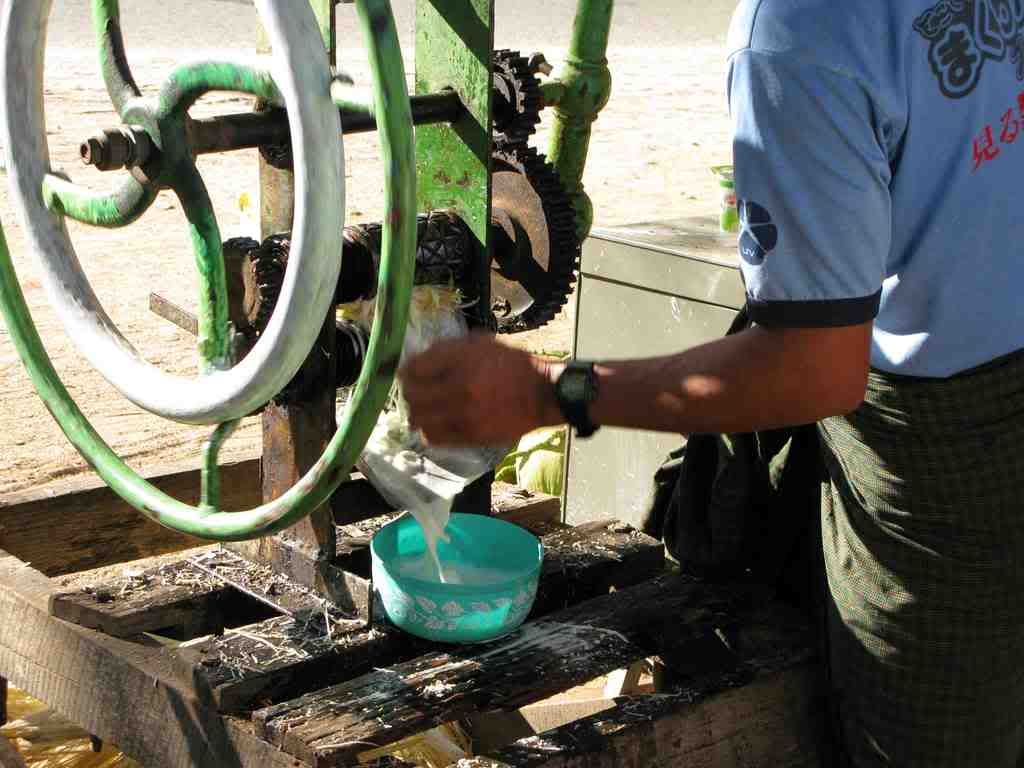
Finally, the assistant pours the juice into the ice-filled mugs.

A side note about Myanmar attire. Most men and women wear a traditional "skirt" known as a longhi. This is a long piece of fabric (typically cotton for everyday wear) sewn into a tube. Men tie the tube in a large knot in front, whereas women tie or tuck it on the side. It's not unusual to see men undo and retie their longhi as they walk along the street.
This video, which was taken in the Yangon's city centre market, shows how - and where - the iceman prepares to make his deliveries. First, he saws the large blocks of ice into smaller pieces. Then, his helpers stack the smaller ice blocks, separating the stacks with sawdust to help insulate them and to prevent them from sticking to each other. He's now ready to undertake his daily deliveries to the local market stalls, or to any household or business on his list of customers.
The ice blocks, which are made from non-potable water, are used in numerous ways by the Myanmar people. Those who are lucky enough to have iceboxes will use a block of ice to keep perishable food cool.
Some vendors crush ice and add it to fruit juices to make a refreshing beverage.
One popular beverage in the Bagan region of Myanmar is lime-flavored sugar cane juice, squeezed fresh while you wait. We watched the process at a roadside refreshment stand.
The juicer's assistant takes a small block of ice in hand, crushes it by hitting it with a wooden stick, and puts the crushed ice into a glass mug.
In the meantime, the juicer grabs a handful of sugar cane stalks and proceeds to feed them into a hand-cranked crushing machine. He feeds the stalks through several times, in order to extract all of the juice. On the last run-through, he sandwiches a couple of wedges of fresh lime between the stalks.
The juice collects in a small bowl, which the assistant empties periodically into a pitcher.
Finally, the assistant pours the juice into the ice-filled mugs.
A side note about Myanmar attire. Most men and women wear a traditional "skirt" known as a longhi. This is a long piece of fabric (typically cotton for everyday wear) sewn into a tube. Men tie the tube in a large knot in front, whereas women tie or tuck it on the side. It's not unusual to see men undo and retie their longhi as they walk along the street.
Sunday, February 17, 2008
Record Recall of Meat from Downer Cattle
USDA's Food Safety and Inspection Service announced today a Class II recall of more than 143 million pounds of meat produced by Hallmark/Westland Meat Packing Company of Chino, CA. The recalled meat was produced between February 1, 2006 and February 2, 2008.
The USDA action resulted from an undercover investigation, which was carried out last fall by the Humane Society of the United States and reported on January 30th. The Humane Society investigation revealed that Hallmark/Westland was processing meat from "downer" cattle – cows that were staggering or unable to stand on their own – in contravention of USDA and California regulations. Some of the meat from the slaughtered downer cattle was supplied to school children through USDA's School Lunch Program.
On January 30th, USDA announced the immediate suspension of Hallmark/Westland as a supplier of meat to the School Lunch Program and other federal food and nutrition programs, and initiated its own investigation into the Humane Society's allegations. Today's recall is a result of the USDA investigation.
In classifying this recall as "Class II" rather than "Class I", USDA is signaling that it does not believe the recalled meat to be a significant hazard to human health. Nevertheless, downer cows are known to be more likely to carry human pathogens such as E. coli O157:H7 than ambulatory cows. A study carried out in 2001 and reported in 2003 revealed that downer cows had a more than 3-fold higher chance of carrying E. coli O157:H7 than ambulatory cows.
There are still some important, unanswered questions regarding this scandalous situation:
The USDA action resulted from an undercover investigation, which was carried out last fall by the Humane Society of the United States and reported on January 30th. The Humane Society investigation revealed that Hallmark/Westland was processing meat from "downer" cattle – cows that were staggering or unable to stand on their own – in contravention of USDA and California regulations. Some of the meat from the slaughtered downer cattle was supplied to school children through USDA's School Lunch Program.
On January 30th, USDA announced the immediate suspension of Hallmark/Westland as a supplier of meat to the School Lunch Program and other federal food and nutrition programs, and initiated its own investigation into the Humane Society's allegations. Today's recall is a result of the USDA investigation.
In classifying this recall as "Class II" rather than "Class I", USDA is signaling that it does not believe the recalled meat to be a significant hazard to human health. Nevertheless, downer cows are known to be more likely to carry human pathogens such as E. coli O157:H7 than ambulatory cows. A study carried out in 2001 and reported in 2003 revealed that downer cows had a more than 3-fold higher chance of carrying E. coli O157:H7 than ambulatory cows.
There are still some important, unanswered questions regarding this scandalous situation:
- Why did the Humane Society wait until January 30th before releasing the results of their undercover investigation?
- Has USDA checked any of the recalled meat for E. coli O157:H7 or other pathogens?
- Where were the USDA inspectors when the downer cattle were being prodded and pushed by employees of Hallmark/Westland?
Saturday, February 16, 2008
It's Not Always The Raw Milk
I am not a booster of raw milk. As I have posted in the past (click on the "raw milk" topic to access those posts), drinking raw milk can be a very risky business. But I am the first to acknowledge that pasteurized milk – and dairy products made from pasteurized milk – can also be the source of food-borne disease.
This past week's issue of Eurosurveillance reports on an outbreak of hemolytic uremic syndrome (HUS) in Belgium that has been traced to ice cream made from pasteurized milk. Five children contracted HUS and seven other people suffered severe diarrhea. The ice cream was consumed at the farm where it was produced, and at two birthday parties.
Identical strains of E. coli O145 and E. coli O25 were isolated from the leftover ice cream, fecal samples from patients, fecal samples from calves and soiled straw from the farm. Investigators have determined that the milk used to produce the ice cream had been pasteurized correctly, and that none of the victims had come into direct contact with the farm animals.
The report concludes that the most likely cause of the outbreak was cross-contamination, perhaps as a result of a dairy worker having contact with the farm animals and then accidentally transferring the pathogens from the animals to the ice cream.
This outbreak underscores the need for constant vigilance and for attention to proper hygiene and sanitation in all food processing operations, regardless of size. It is also a reminder that pasteurization is just a preventative – not a panacea.
This past week's issue of Eurosurveillance reports on an outbreak of hemolytic uremic syndrome (HUS) in Belgium that has been traced to ice cream made from pasteurized milk. Five children contracted HUS and seven other people suffered severe diarrhea. The ice cream was consumed at the farm where it was produced, and at two birthday parties.
Identical strains of E. coli O145 and E. coli O25 were isolated from the leftover ice cream, fecal samples from patients, fecal samples from calves and soiled straw from the farm. Investigators have determined that the milk used to produce the ice cream had been pasteurized correctly, and that none of the victims had come into direct contact with the farm animals.
The report concludes that the most likely cause of the outbreak was cross-contamination, perhaps as a result of a dairy worker having contact with the farm animals and then accidentally transferring the pathogens from the animals to the ice cream.
This outbreak underscores the need for constant vigilance and for attention to proper hygiene and sanitation in all food processing operations, regardless of size. It is also a reminder that pasteurization is just a preventative – not a panacea.
Salmonella Paratyphi in Raw Ahi - Hawaii: An Update
The Hawaii Department of Health has confirmed another case of salmonellosis linked to consumption of raw ahi tuna. The fish was purchased at an Oahu store.
Since October 2007, the state has confirmed 34 cases of Salmonella Paratyphi B infection. While the specific source of the pathogen has not yet been identified, epidemiological investigations point to imported raw tuna.
According to the Hawaii news release, cases of Salmonella Paratyphi B infections linked to eating raw fish have also been reported in California and Colorado.
It would be a wise precaution to refrain from eating sushi and sashimi - at least those varieties made with tuna - until the source of this outbreak has been traced.
Since October 2007, the state has confirmed 34 cases of Salmonella Paratyphi B infection. While the specific source of the pathogen has not yet been identified, epidemiological investigations point to imported raw tuna.
According to the Hawaii news release, cases of Salmonella Paratyphi B infections linked to eating raw fish have also been reported in California and Colorado.
It would be a wise precaution to refrain from eating sushi and sashimi - at least those varieties made with tuna - until the source of this outbreak has been traced.
Friday, February 15, 2008
Recall Alert - Organic Sesame Seeds
Nutri-Foods, Inc., of Royal Oak, MI has recalled half-pound packages labelled as "Organic Sesame Seeds Natural - Unhulled", due to the risk that they might contain Salmonella. No illnesses have been reported.
The packages of seeds are labeled with a "packed on" date of December 28and were sold at Nutri-foods between December 15, 2007 and January 28, 2008.
The company has suspended production of this item, and consumers are being encouraged to return the product to Nutri-Foods for a full refund.
I find myself wondering whether there is a tie-in between this recall and prior recalls of sesame seeds in the US, Canada and the UK over the past several months.
The packages of seeds are labeled with a "packed on" date of December 28and were sold at Nutri-foods between December 15, 2007 and January 28, 2008.
The company has suspended production of this item, and consumers are being encouraged to return the product to Nutri-Foods for a full refund.
I find myself wondering whether there is a tie-in between this recall and prior recalls of sesame seeds in the US, Canada and the UK over the past several months.
Home-Canned Tomatoes Linked to Botulism
The International Society for Infectious Diseases reported today that 14 people were hospitalized due to botulism recently in the Yugra district of Russia after participating in a "feast" on February 3rd. One of the victims died. Preliminary investigation results are pointing to home-canned tomatoes as the source of the illness.
This is a reminder that even relatively acid canned foods, such as tomatoes, can be a source of botulism. Boiling temperatures will inactivate the toxins produced by Clostridium botulinum. If you home-can, please reheat the canned food to the boiling point and allow it to simmer for at least 10 minutes before tasting even a tiny amount of the food.
This is a reminder that even relatively acid canned foods, such as tomatoes, can be a source of botulism. Boiling temperatures will inactivate the toxins produced by Clostridium botulinum. If you home-can, please reheat the canned food to the boiling point and allow it to simmer for at least 10 minutes before tasting even a tiny amount of the food.
Tasmanian Tummy - An Update
A few days ago, I posted about a Salmonella outbreak in the Australian state of Tasmania. The outbreak, which had claimed at least 75 victims as of February 9th, was linked to sauces made from raw eggs and served in at least one restaurant and at a funeral home.
Now, a local Tasmanian newspaper is reporting that the outbreak has been traced to a single egg supplier, Pitt's Poultry. According to the news article, this is not the first time that Pitt's has been the source of a Salmonella outbreak. Three other outbreaks were traced to this supplier between 2005 and 2007.
The Tasmanian Department of Primary Industries and Water expressed puzzlement at the continuing problems at Pitt's, especially since this supplier has improved its operations since the last spate of outbreaks and now uses industry "best practices".
In response to this latest outbreak, the Tasmanian Department of Health has tightened its regulations for businesses that use raw eggs. The DoH is now requiring such businesses to register with their local council, improve their documentation, and follow specific guidelines for handling and storing eggs.
The Tasmanian authorities have not, to my knowledge, revealed the specific serotype of Salmonella that is responsible for this latest outbreak. Nor have they indicated whether all of the outbreaks traced to Pitt's have been caused by the same strain of Salmonella. It will be interesting to see how this investigation continues to unfold.
Now, a local Tasmanian newspaper is reporting that the outbreak has been traced to a single egg supplier, Pitt's Poultry. According to the news article, this is not the first time that Pitt's has been the source of a Salmonella outbreak. Three other outbreaks were traced to this supplier between 2005 and 2007.
The Tasmanian Department of Primary Industries and Water expressed puzzlement at the continuing problems at Pitt's, especially since this supplier has improved its operations since the last spate of outbreaks and now uses industry "best practices".
In response to this latest outbreak, the Tasmanian Department of Health has tightened its regulations for businesses that use raw eggs. The DoH is now requiring such businesses to register with their local council, improve their documentation, and follow specific guidelines for handling and storing eggs.
The Tasmanian authorities have not, to my knowledge, revealed the specific serotype of Salmonella that is responsible for this latest outbreak. Nor have they indicated whether all of the outbreaks traced to Pitt's have been caused by the same strain of Salmonella. It will be interesting to see how this investigation continues to unfold.
Electronic "Nose" For Consumers - Hope or Hype?
Last December, I came across an ad for a product called "SensorfreshQ Freshness Meter". The first paragraph was guaranteed to catch the eye of anyone who has ever stumbled across a forgotten package of food at the back of the refrigerator.
Intrigued by these claims, I decided to email the manufacturer and ask what tests had been carried out to validate the reliability of their device. I sent the following email message to Food Quality Sensor International on December 20, 2007.
So far, this sounds more like "Hype" than "Hope" but I could be wrong. I'll let you know if I ever receive a reply to my email of last December.
"Is your family's food as fresh as it should be? Never guess again. SensorfreshQ," the ad promised, "easily confirms the freshness of uncooked meat or poultry in less than a minute."The ad went on to explain that this "revolutionary" hand-held device detect the byproducts of bacterial growth in food, and can distinguish among three freshness categories for raw meat and poultry:
- meat that is spoiled and should be thrown out immediately,
- meat that is still OK to use, but which should be used within a day or two, and
- meat that is still fresh.
Intrigued by these claims, I decided to email the manufacturer and ask what tests had been carried out to validate the reliability of their device. I sent the following email message to Food Quality Sensor International on December 20, 2007.
"I am a food safety microbiologist and am maintaining a food safety blog for consumers. I am intrigued about SensorfreshQ and would like to mention it in my blog - if you have corroborating data that you can share with me.I never heard from the company. As a result, I am left wondering. What, if anything, has been done to validate this sleek-looking device? Is the SensorfreshQ any more reliable than the human nose? Is it worth US$89.00, plus the cost of replacement cartridges?
Specifically, I would be interested in knowing what you have done to validate the sensitivity and specificity of SensorfreshQ readings versus actual or incipient spoilage levels."
So far, this sounds more like "Hype" than "Hope" but I could be wrong. I'll let you know if I ever receive a reply to my email of last December.
Wednesday, February 13, 2008
Keeping Things In Perspective
While those of us in the developed world lament the shortcomings of our food processing industry and government regulatory bodies, it's instructive from time to time to look at the problems endemic in some of the less fortunate regions of the world.
Yesterday, the International Society for Infectious Diseases published an update on the incidence of cholera, dysentery and diarrhea. Here's a summary of the latest tally.
Yesterday, the International Society for Infectious Diseases published an update on the incidence of cholera, dysentery and diarrhea. Here's a summary of the latest tally.
- Nigeria. More than 60 children died from cholera in Cross River state in late January. The children, who were all between the ages of 1 and 2 years, were infected as a result of drinking untreated water due to a lack of safe drinking water.
- Uganda. A cholera outbreak has been reported in the Kampala district. Six people have been diagnosed so far.
- Angola. A cholera epidemic is winding down in Luanda after the government banned consumption of fish from a contaminated lagoon and distributed clean drinking water. The number of new cases reported for the week of January 28th declined to 30 from 37 the week before.
- Congo. An outbreak of cholera has been in progress in the province of Katanga since September 2007. This epidemic has claimed 97 people so far, out of a total of 4029 confirmed cases.
- Mozambique. Severe flooding in the city of Tete has provoked an epidemic of diarrhea due to contaminated water. The outbreak has affected 835 people – 64 fatally – since the beginning of the year.
- Papua-New Guinea. An outbreak of dysentery in a high school has been blamed on contaminated drinking water.
- India. A four-year old child was diagnosed with cholera. The child was treated in hospital and released.
Subscribe to:
Posts (Atom)


 Posts
Posts




